
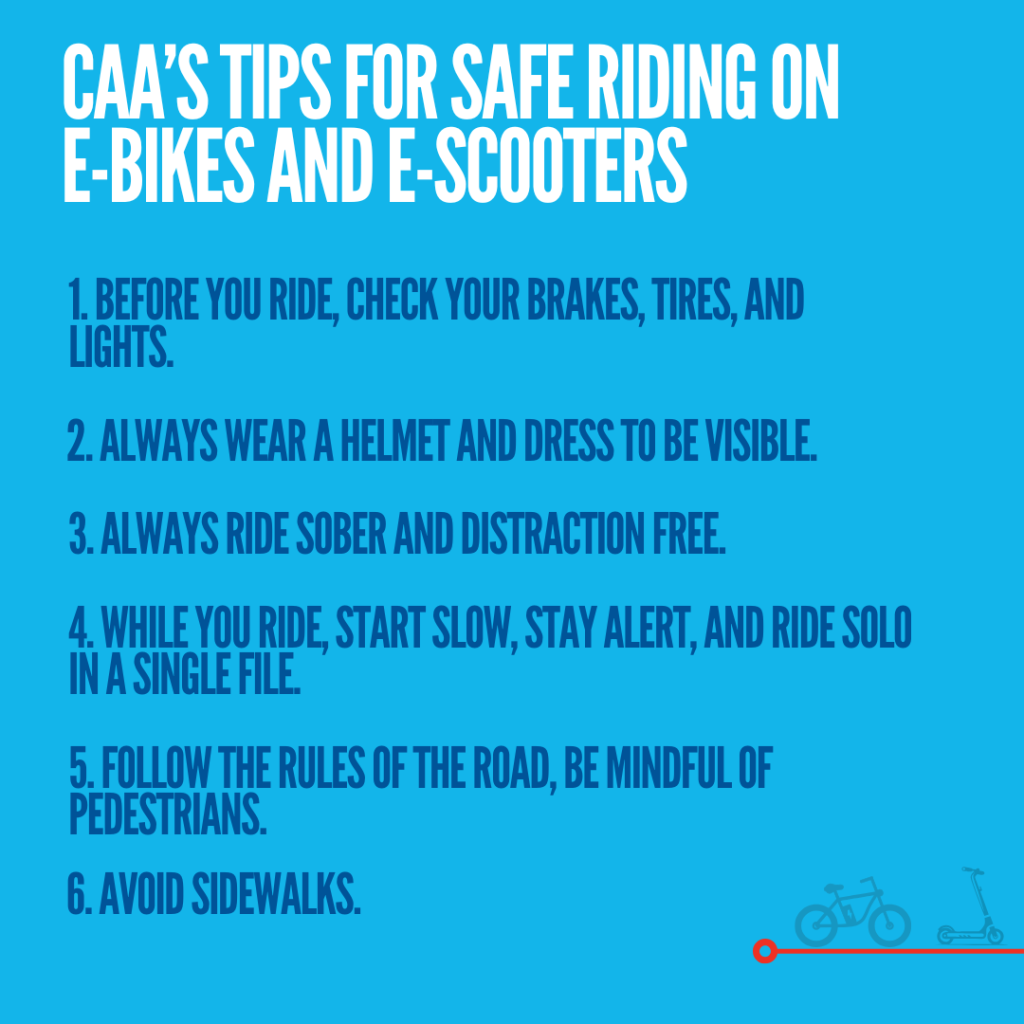
Are you worried about teaching someone to bike safely in busy traffic? You’re not alone.
Traffic can be scary, but with the right guidance, you can help your loved ones ride confidently and stay protected. Imagine the peace of mind you’ll feel knowing they understand the rules, spot dangers early, and make smart choices on the road.
You’ll discover simple steps and practical tips to teach safe biking in traffic. Keep reading to learn how to turn every ride into a safe and enjoyable experience.
Credit: www.9news.com
Choosing The Right Bike And Gear
Teaching safe biking in traffic starts with choosing the right bike and gear. A good bike fits the rider and is easy to control.
Proper gear keeps riders visible and protected. This helps prevent accidents and injuries on the road.
Selecting A Suitable Bike
Pick a bike that matches the rider’s size and skill level. A bike too big or too small is hard to handle.
Look for bikes with good brakes and tires that grip the road well. These features improve safety in traffic.
- Choose the right frame size for the rider’s height
- Check that brakes work smoothly and stop quickly
- Use tires designed for city roads and traffic
- Consider a bike with gears for easier riding on hills
Essential Safety Equipment
Safety gear protects riders and makes them more visible to drivers. Always wear a helmet that fits well.
Other gear helps signal intentions and improves comfort during rides in traffic.
- Helmet: Choose one that meets safety standards and fits snugly
- Bright or reflective clothing: Makes riders easier to see
- Lights: Front white light and rear red light for low visibility
- Bell or horn: Alerts pedestrians and drivers
- Gloves: Protect hands and improve grip
Mastering Basic Bike Skills
Learning how to ride a bike safely in traffic starts with knowing the basic skills. These skills help riders stay in control and avoid accidents.
Practicing these skills often builds confidence and makes biking in traffic easier and safer.
Balancing And Steering
Good balance helps you stay steady on the bike. It lets you ride smoothly on different roads. Steering helps you move where you want safely.
Keep your eyes forward and look where you want to go. Use your body to help turn the bike, not just the handlebars.
- Keep your back straight and look ahead
- Use gentle turns to steer
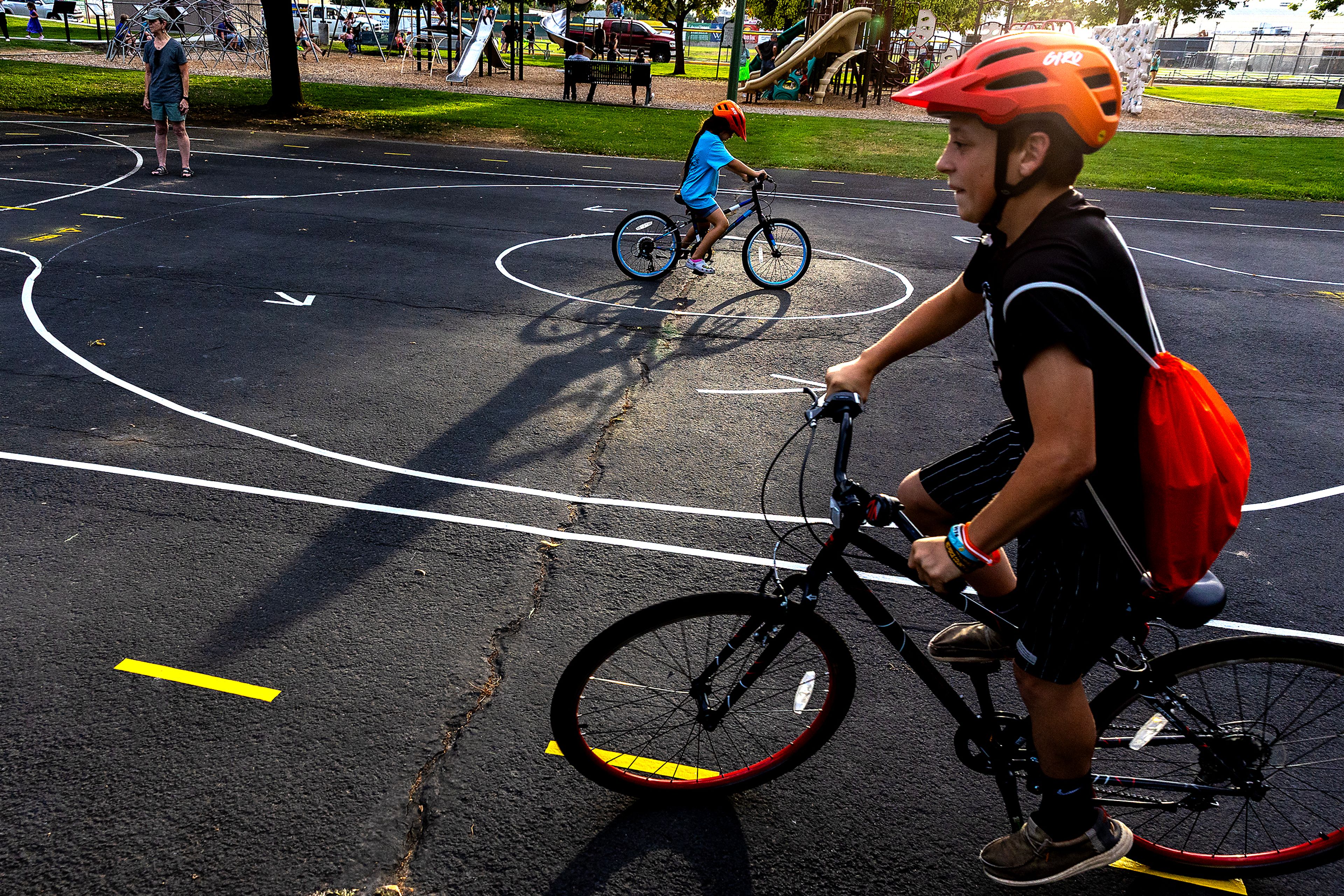
- Practice riding in straight lines and circles
- Shift your weight slightly to help turns
Braking Techniques
Knowing how to brake safely stops you without falling. Use both brakes together for the best control. Avoid sudden stops to keep balance.
Brake early to give yourself enough time to stop. Practice stopping in different places to get comfortable.
- Use both front and rear brakes
- Apply brakes gently at first
- Shift your weight back when braking hard
- Look ahead and brake before turns or obstacles
Learning Traffic Rules
Teaching safe biking in traffic starts with learning traffic rules. These rules help keep bikers safe on the road.
Knowing how to follow traffic rules lets bikers share the road with cars and pedestrians.
Understanding Road Signs
Road signs give important information to bikers. They tell you what to do or watch out for on the road.
Recognizing these signs helps bikers avoid accidents and ride safely.
- Stop signs mean you must stop completely.
- Yield signs tell you to slow down and give way.
- Warning signs alert you to curves or crossings ahead.
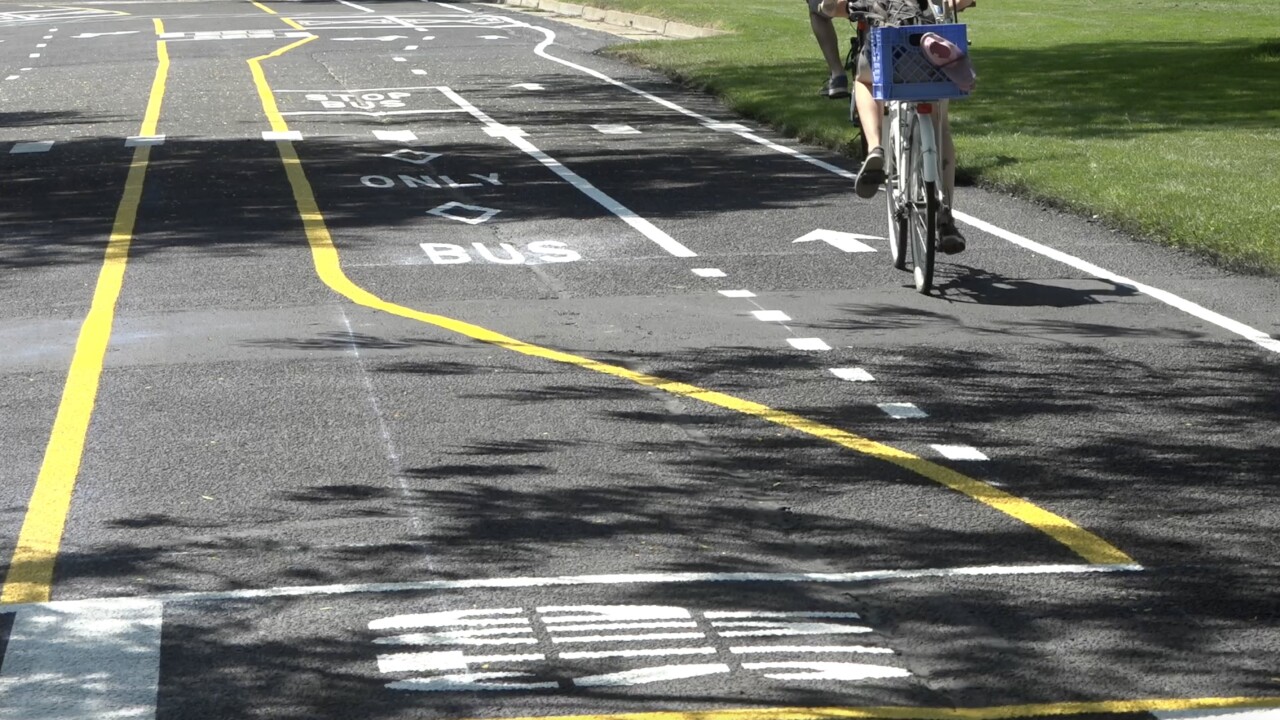
- Bike lane signs show where bikers should ride.
- Speed limit signs tell how fast you can go.
Following Traffic Signals
Traffic signals control when you can move or must stop. Following them is very important for safety.
Bikers must obey red, yellow, and green lights just like drivers do.
- Red light means stop and wait.
- Green light means you can go if it is safe.
- Yellow light means slow down and prepare to stop.
- Pedestrian signals tell when to cross streets safely.
Credit: www.kivitv.com
Practicing Safe Riding Habits
Riding a bike in traffic requires focus and care. Safe habits keep you and others protected on the road.
Learning to ride safely means using clear signals and staying visible. Keeping distance from cars helps prevent crashes.
Using Hand Signals
Hand signals tell drivers what you plan to do. Use them before turning or stopping to avoid accidents.
Extend your left arm to signal a left turn. Point your right arm out for a right turn.
- Left turn: left arm straight out
- Right turn: right arm straight out
- Stop or slow down: left arm bent down
Maintaining Visibility
Wear bright clothes or reflective gear to stay seen. Use lights on your bike in low light or at night.
Stay in the part of the road where drivers can spot you easily. Avoid riding in blind spots near cars.
- Wear bright or reflective clothing
- Use front and rear lights on your bike
- Ride where drivers can see you clearly
Keeping A Safe Distance
Keep space between your bike and cars. This gives you time to react if a driver stops suddenly.
Do not ride too close to parked cars. Watch for doors opening or cars pulling out.
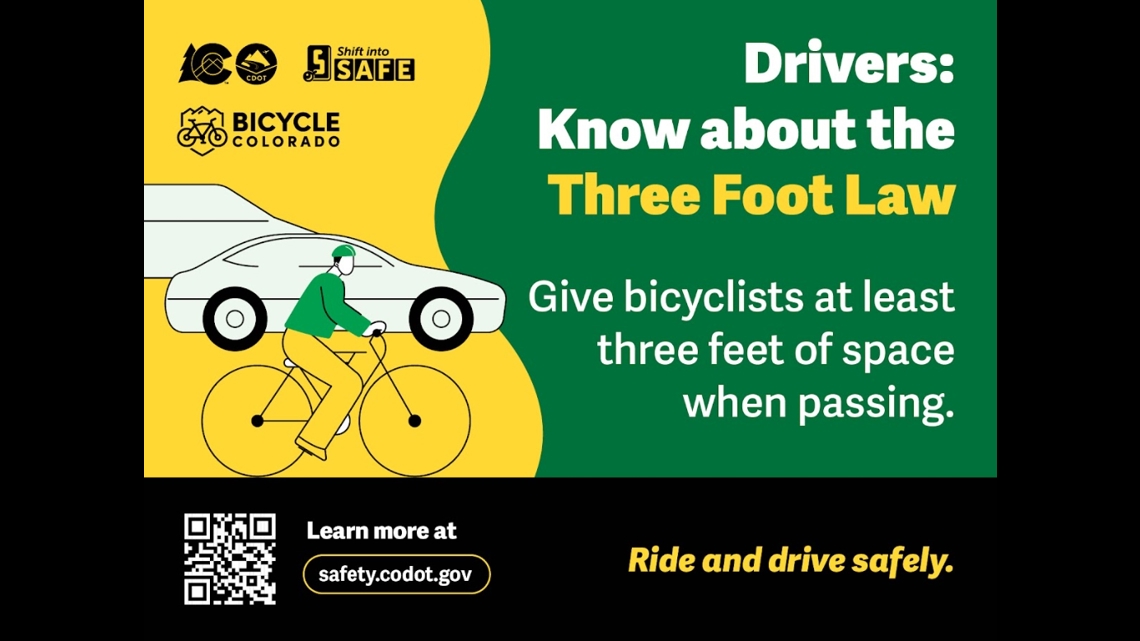
- Stay at least three feet from moving vehicles
- Keep a safe gap from parked cars
- Adjust distance for weather and road conditions
Building Confidence In Real Traffic
Teaching safe biking in traffic starts with building confidence. Riders feel safer when they practice in real situations.
Confidence helps cyclists make smart decisions on busy roads. It reduces fear and improves control.
Starting In Low-traffic Areas
Begin training in places with few cars. This helps riders get used to road rules without stress.
Choose quiet streets, parks, or bike paths. Practice stopping, starting, and turning safely.
- Find streets with slow traffic
- Practice signaling turns and stops
- Learn to watch for pedestrians
- Ride with an experienced cyclist
Gradually Increasing Traffic Exposure
Slowly move to busier streets as confidence grows. Start with moderate traffic before heavy roads.
Focus on staying calm and aware. Use bike lanes and obey traffic signals at all times.
- Ride during less busy times
- Practice merging with traffic
- Learn to handle intersections safely
- Build up to riding on main roads
Credit: www.dnews.com
Dealing With Common Traffic Situations
Riding a bike in traffic can be tricky. Teaching safe biking means preparing for common road challenges. Understanding these situations helps riders stay safe.
This guide covers how to handle intersections, parked cars, and sharing the road with vehicles. Each section offers clear tips for safe biking.
Navigating Intersections
Intersections are busy places where accidents often happen. Teach riders to slow down and look both ways before crossing. Use hand signals to show turns.
- Approach slowly and watch traffic lights.
- Stop and look left, right, and left again.
- Make eye contact with drivers if possible.
- Signal your turn clearly with your arm.
- Cross only when the way is clear.
Handling Parked Cars
Parked cars can hide dangers like opening doors or people stepping out. Always give parked cars plenty of space. Ride at a safe distance to avoid sudden obstacles.
| Risk | Safety Tip |
|---|---|
| Opening car doors | Keep at least three feet away from parked cars |
| People stepping out | Slow down and be ready to stop |
| Cars pulling out | Watch for signals and brake if needed |
Sharing The Road With Vehicles
Bikes and cars share the same roads. Teach riders to stay visible and predictable. Use bike lanes when available and ride in the same direction as traffic.
- Wear bright clothing or reflective gear.
- Use lights at night or in low light.
- Follow all traffic rules and signals.
- Signal your turns and stops clearly.
- Keep a safe distance from moving vehicles.
Emergency Preparedness
Teaching safe biking includes preparing for emergencies on the road. Knowing how to act quickly keeps riders safe in traffic.
Emergency preparedness means knowing how to respond to hazards and giving first aid if needed. These skills help prevent serious injuries.
Responding To Hazards
Riders must watch for dangers like cars, potholes, and pedestrians. Staying alert helps avoid accidents.
- Slow down near busy intersections.
- Use hand signals to show turns or stops.
- Wear bright clothes to stay visible.
- Check brakes and tires before riding.
- Move away from parked cars to avoid opening doors.
Basic First Aid Knowledge
Knowing simple first aid can help after a crash. It reduces pain and prevents injury from getting worse.
| Injury | First Aid Action |
| Scrapes and Cuts | Clean with water, cover with a bandage |
| Sprains | Rest, ice the area, and elevate the limb |
| Bleeding | Apply pressure to stop bleeding, seek help if heavy |
| Head Injury | Keep the person still, call emergency services |
Frequently Asked Questions
How Can Beginners Learn Safe Biking In Traffic?
Beginners should start in low-traffic areas to build confidence. Learn traffic rules, use hand signals, and always wear safety gear. Practice observing vehicles and predicting their movements to stay safe.
What Safety Gear Is Essential For Biking In Traffic?
A properly fitted helmet, bright clothing, and reflective gear are essential. Use front and rear bike lights for visibility. Gloves and padded shorts improve comfort and control during rides.
How To Teach Kids To Bike Safely In Traffic?
Teach kids traffic rules and safe crossing techniques. Practice hand signals and safe lane positioning. Always supervise rides and ensure they wear helmets and reflective clothing for visibility.
What Are The Best Hand Signals For Safe Biking?
Common hand signals include left arm extended for left turn, right arm extended for right turn, and left arm bent down for stopping. These signals communicate intentions to drivers and improve safety.
Conclusion
Teaching safe biking in traffic helps protect riders every day. Practice and patience build strong habits for safety. Always wear a helmet and bright clothes for visibility. Teach hand signals and road rules clearly and often. Encourage riders to stay alert and avoid distractions.
Safe biking creates confidence and reduces accidents on roads. Keep lessons simple and repeat key points regularly. Safety skills grow with experience and careful guidance. Every rider deserves to feel safe and enjoy biking.



