
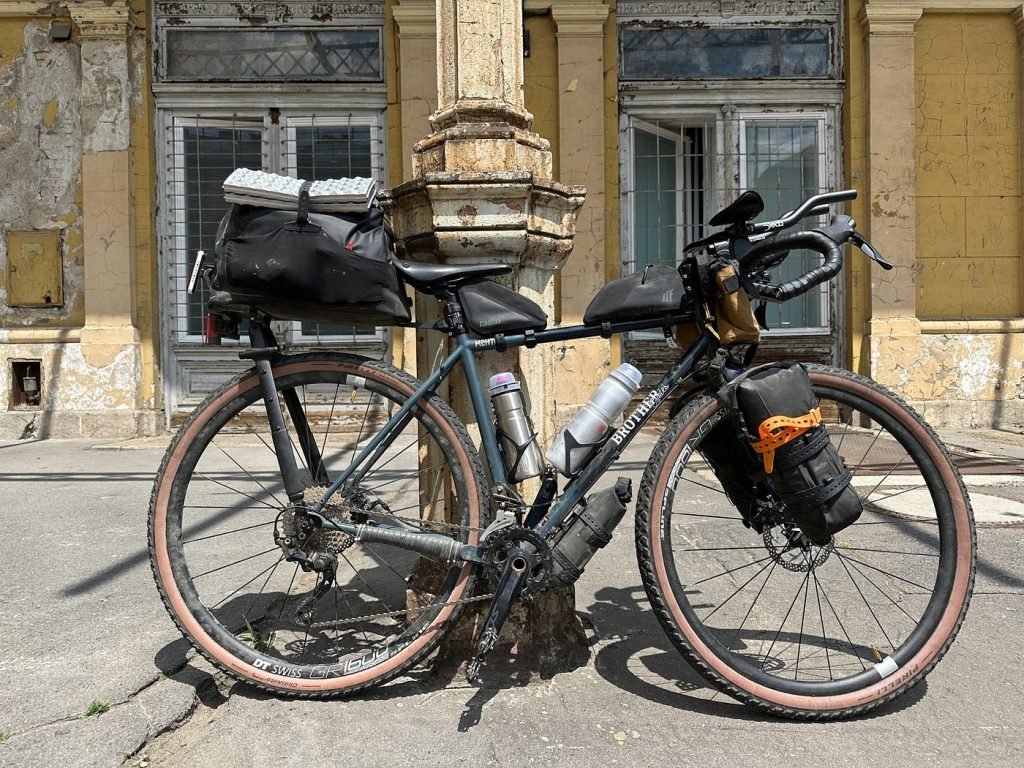
Your touring bike is more than just a way to get from point A to B—it’s your trusted companion on long rides and adventures. But if your bike frame isn’t strong enough, it can hold you back or even put you at risk.
What if you could easily make your frame tougher and more reliable? You’ll discover practical, simple steps to strengthen your touring bike frame. By the end, you’ll feel confident that your bike can handle whatever road lies ahead. Keep reading to learn how to protect your ride and enjoy every mile with peace of mind.

Credit: www.youtube.com
Choosing The Right Frame Material
Steel framesare strong and last a long time. They feel smooth on the road and can handle heavy loads well. Steel is easy to repair if it breaks. But steel frames can be heavy, which might slow you down on long rides.
Aluminum framesare lighter and resist rust. They make the bike faster and easier to carry. Aluminum can be stiff, which might feel rough on bumpy roads. It is harder to fix if damaged.
Carbon fiberis very light and can absorb shocks well. It gives a smooth ride and looks modern. This material is costly and can break suddenly if hit hard. Carbon fiber frames need careful use and checking.
Titanium framesare light, strong, and last many years. They feel smooth like steel but weigh less. Titanium bikes are expensive but good for serious touring. They resist rust and handle rough roads easily.
Inspecting Your Current Frame
Start by closely examining the frame surface for any cracksor rust. Cracks can weaken the frame and cause breaks. Rust spots may eat away the metal, reducing strength.
Pay close attention to the joints where tubes meet. These areas must be solid with no loose or bent parts. Joint integrityis key for a safe ride.
Look for weak spotslike dents, bends, or worn paint. These signs often point to hidden damage. Feeling for soft or thin metal helps find trouble areas early.
- Use a bright light to spot small cracks or rust.
- Tap the frame gently to hear if any parts sound hollow or different.
- Check welds carefully for signs of separation or corrosion.
- Inspect under paint for bubbling or discoloration.
Reinforcing Frame Joints
Weldingis a strong way to join bike frame parts. It melts metal pieces together. This creates a solid bond that holds well under pressure. Good welding requires clean joints and proper heat control.
Frame gussetsadd extra metal plates to frame joints. They spread stress over a larger area. This helps prevent cracks and breaks. Gussets come in many shapes and sizes. They are often welded or bolted on.
Metal braceswork like extra support beams. These braces attach around weak spots on the frame. They stop the frame from bending or twisting too much. Braces can be custom made or bought as kits. Using strong metal is key.
Adding Support With Frame Tapes And Wraps
Reinforcement tapescome in different types for touring bike frames. Common ones include fiberglass tape, carbon fiber tape, and kevlar tape. Fiberglass tape is affordable and strong. Carbon fiber tape is lighter and very stiff. Kevlar tape offers excellent impact resistance and durability.
Applying tape correctly is key for support. Clean the frame surface well before starting. Wrap the tape tightly around the frame tubes. Overlap each layer slightly to avoid gaps. Use epoxy resin or strong adhesive to hold the tape in place. Let it cure fully before riding.
| Type of Tape | Strength | Weight | Use Case |
|---|---|---|---|
| Fiberglass | High | Medium | General reinforcement |
| Carbon Fiber | Very High | Light | Weight-sensitive repairs |
| Kevlar | High | Medium | Impact resistance |
Regular checks keep the tape effective. Look for cracks or loose edges. Clean the frame gently to avoid damage. Reapply tape or adhesive if needed. Proper maintenance extends frame life and safety.
Upgrading Frame Components
Upgrading frame components can make your touring bike much stronger. Using stronger forks and stayshelps the bike handle rough roads better. These parts support the bike’s weight and absorb shocks during rides.
Heavy-duty dropoutshold the wheels firmly. They resist bending or breaking under heavy loads. This upgrade keeps the bike stable and safe on long trips.
Reinforced bottom bracketsgive extra strength to the bike’s center. This part connects the pedals and crankset. A strong bottom bracket means better power transfer and less risk of damage.

Credit: choosemybicycle.com
Custom Fabrication Tips
Strong materials make a bike frame last longer. Steel and aluminum are popular choices. Look for high-quality metal that resists rust. Talk to experts to find trusted suppliers. Always check for defects before buying.
- Wrenches
- Saws
- Drills
- Welding kit
- Measuring tape
Use the right tools for a strong frame. Each tool helps in different ways. Tools help cut and shape the metal. Proper tools make work easier and safer.
Safety is very important during fabrication. Wear gloves and goggles to protect hands and eyes. Ensure the work area is clean. Keep all sharp tools in a safe place. Always have a first aid kit nearby. Never rush a job; it can be dangerous.
Testing Frame Strength After Modifications
Testing the frame strength after changes ensures safety and durability. Use simple tools to check for cracks or weak spots before riding. Regular checks help keep your touring bike reliable on long trips.
Load Testing Methods
Load testing helps check your bike’s frame strength. Start with basic weights. Use sandbags or weights for testing. Place them on the bike gently. Watch how the frame handles the weight. Look for any bends or cracks. Repeat with different weights. This shows how much the frame can hold. Ensure the bike remains stable.
Regular Inspections
Check the bike frame often. Look for any signs of damage. Small cracks can grow bigger. Rust is also a problem. Clean the frame regularly. Use a soft cloth for cleaning. Feel for any rough spots. These could be hidden issues. Be sure to inspect after long rides.
Signs Of Wear To Watch
Frames can show wear over time. Watch for paint chipping. Listen for strange noises. Creaks can mean stress. Look at joints and welds. Ensure they are smooth. If anything looks odd, get it checked. Regular care keeps your bike strong.
Maintenance For A Durable Frame
Keeping your bike frame clean helps stop rust and dirt buildup. Use a soft cloth and mild soap to wash it. Dry the frame well to avoid water spots. Applying a protective coating like wax or bike-specific spray helps shield the frame from weather damage. This layer keeps the frame strong and shiny.
- Avoid overloadingthe bike beyond its weight limit. Too much weight can bend or crack the frame.
- Distribute weight evenly on racks and bags. This keeps balance and reduces stress on the frame.
Store the bike in a dry, cool place away from direct sunlight. Avoid leaning the bike on sharp objects that can scratch the frame. Use a bike stand or hang it by hooks to keep the frame safe. Cover the bike with a cloth or cover to protect it from dust and moisture.

Credit: alpkit.com
Frequently Asked Questions
How Can I Reinforce A Touring Bike Frame Effectively?
Reinforce your touring bike frame by using stronger materials like steel or titanium. Add frame gussets for extra support. Regularly inspect welds and joints to prevent cracks. Properly distribute weight and avoid overloading your bike to maintain frame integrity.
What Materials Best Strengthen Touring Bike Frames?
Steel and titanium are the best materials for strong touring bike frames. They offer excellent durability and flexibility. Aluminum frames are lighter but less robust. Choosing the right material depends on your touring needs and weight preferences.
Should I Add Frame Gussets To My Touring Bike?
Yes, adding frame gussets increases strength at stress points. Gussets help distribute load and reduce frame flex. They are especially useful for heavy touring loads. Professional welding is recommended to ensure durability and safety.
How Does Weight Distribution Affect Bike Frame Strength?
Proper weight distribution reduces stress on the frame and components. Evenly load panniers and gear to prevent frame bending. Overloading one side can cause cracks and damage. Balanced weight enhances bike stability and frame longevity.
Conclusion
Strengthening your touring bike frame helps keep you safe on long rides. Small changes make a big difference in bike durability. Choose quality parts and tighten bolts regularly. Check your frame for cracks or weak spots often. A strong frame supports your gear and ride comfort.
Regular care extends your bike’s life and performance. Ride with confidence knowing your bike can handle the journey. Simple steps protect your investment and improve your cycling experience. Keep your bike ready for every adventure ahead.



