
Are you tired of rummaging through cluttered garage shelves, searching for that elusive spare brake part? Or perhaps you’re worried about the longevity and effectiveness of these crucial components, which are often stashed away without a second thought.
Proper storage of spare brake parts is not just a matter of organization—it’s a critical step in ensuring your vehicle’s safety and performance. By mastering the art of storing these essential items, you can save yourself time, money, and the stress of unexpected car repairs.
Dive into this guide to discover how you can protect your investments and maintain peace of mind every time you hit the road. Your car—and your wallet—will thank you!
Importance Of Proper Storage
Proper storage of spare brake parts prevents rust and damage. Keep them in a clean, dry place. This ensures they remain functional and ready for use.
Preventing Damage
Spare brake parts need careful storage to avoid damage. Moisture can cause rust. Use dry places for storage. Keep parts away from direct sunlight. Sunlight can weaken brake parts. Use sealed containers to protect from dust. Dust can affect performance.
Ensuring Longevity
Proper storage helps parts last longer. Temperature changes can harm parts. Keep them in a stable environment. Avoid extreme hot or cold places. Label and organize parts neatly. This helps in finding them easily. Regularly check parts for any signs of wear. Good storage ensures safe usage when needed.

Credit: shop.advanceautoparts.com
Environmental Considerations
Store spare brake parts in a dry, cool place to prevent rust and damage. Use airtight containers to keep moisture out and maintain their condition. Label each container for easy identification, ensuring quick access when needed.
Temperature Control
Brake parts need cool places. High heat damages them. Keep them away from sunlight. Use a shaded room. Fans help keep the air moving. Air conditioners work best. Monitor temperature with a thermometer. Ideal temperature is between 60°F and 75°F.
Humidity Management
High humidity harms brake parts. Moisture leads to rust. Use dehumidifiers to reduce moisture. Keep storage area dry. Silica gel packs absorb moisture. Check humidity levels regularly. A hygrometer measures humidity. Ideal humidity is below 50%. Seal storage containers tightly. This prevents moisture entry.
Organizing Spare Parts
Sort brake parts into different groups. Group them by their type. This helps in finding them quickly. For example, keep all brake pads together. Do the same for brake rotors and calipers. This makes organizing easy and simple.
Labels help in knowing what is inside. Use clear labels for each group. Write the part name and number on each label. Place the labels where you can see them. This will save time when searching for parts. Make sure labels are easy to read. This helps in keeping everything tidy.

Credit: m.facebook.com
Storage Solutions
Proper storage of spare brake parts involves using clean containers to prevent dust accumulation. Labeling each container ensures easy identification. Store parts in a cool, dry place to avoid moisture damage.
Shelving Systems
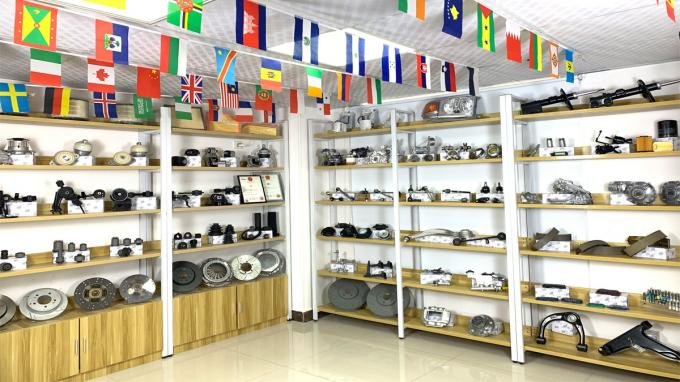
Use strong shelves for brake parts. Metal shelves are best. They hold heavy parts well. Keep shelves clean and dry. Dust can damage parts. Arrange parts by size. Small parts on top. Large parts at the bottom.
Containers And Packaging
Store parts in clear boxes. See what’s inside easily. Use labels on boxes. Write part names clearly. Seal boxes tightly. Keep dust and moisture out. Choose boxes with lids that snap shut.
Safety Measures
Brake partscan be heavy and sharp. Always wear glovesfor protection. Keep your handsaway from sharp edges. Use a toolto move heavy parts. It’s safer than using hands.
- Store heavy parts on low shelves.
- Use strong boxesfor storage.
- Label each box with contents.
- Stack boxes securely.
- Make sure shelves are stable.
Inventory Management
Use reliable tracking toolsto manage spare brake parts. Tools help in keeping a detailed record. Each part should have a unique ID. This ensures easy identification and location. Digital tools are more efficient than paper logs. They reduce human errors. Choose tools that are user-friendly.
Conduct regular auditsto maintain accurate inventory levels. Audits help find missing or misplaced parts. They ensure all records are up-to-date. Train staff to perform audits properly. Make a schedule for these checks. Regularity helps in spotting issues early. It also ensures smooth operations.
Long-term Preservation
Storing spare brake parts requires a dry, cool environment to prevent rust. Organize parts in labeled containers for easy access. Regularly check for any signs of wear or damage.
Rust Prevention
Rust can damage brake parts badly. Keep parts in a dry place. Use anti-rust spray to protect metal surfaces. Wrap parts with oil-soaked cloths to avoid moisture. Store parts in airtight containers. This stops air and water from reaching them. Check the storage area for leaks or water. Keep the place clean and dry.
Periodic Maintenance
Check stored brake parts every few months. Ensure they remain rust-free and clean. Apply more oil if needed. Replace the cloths if they dry out. Inspect containers for dust and dampness. This keeps parts safe for longer. Regular checks ensure good condition. Well-kept parts last longer and work better.
Common Mistakes To Avoid
Storing spare brake parts improperly can lead to rust and damage. Keep them dry and in a cool place. Avoid stacking parts, as this can cause unnecessary wear.
Improper Labeling
Spare brake parts should be labeled clearly. Without labels, finding them later is hard. Use big, bold letters for labels. Write names and numbers on each label. This makes sorting easy. Avoid using small or light pens. These can fade quickly. Proper labeling saves time and prevents mix-ups.
Overcrowding Spaces
Keep storage spaces organized. Avoid stuffing too many parts in one spot. Overcrowding can damage parts. It also makes finding parts difficult. Use shelves and boxes to separate parts. Leave enough room between them. This keeps them in good shape. Organized spaces help in quick access and safety.

Credit: www.reddit.com
Frequently Asked Questions
Can Brake Pads Go Bad From Sitting?
Yes, brake pads can degrade if a vehicle sits for a long time. Moisture and rust can affect them. Regular maintenance and usage help maintain their condition. Inspect and replace them if necessary to ensure safety.
How To Keep Brake Rotors From Rusting During Storage?
Clean and dry rotors before storage. Apply a thin coat of rust inhibitor. Store in a cool, dry place. Cover with a breathable material. Regularly check for signs of rust.
What Is The Best Way To Store Brake Rotors?
Store brake rotors in a clean, dry area to prevent rust. Keep them on a flat surface to avoid warping. Use protective coverings like plastic wrap or bags to shield from moisture and dust. Regularly inspect for signs of corrosion to ensure longevity.
How To Store Brake Chambers?
Store brake chambers in a cool, dry place. Keep them away from direct sunlight and moisture. Ensure they are clean before storing. Use original packaging for protection. Regularly check for rust or damage.
Conclusion
Storing spare brake parts properly ensures their long-lasting quality. Keep them clean and dry. Use labeled containers for easy identification. Avoid humidity to prevent rust. Organize parts by type and size. This saves time during maintenance. Check storage conditions regularly.
Proper storage keeps parts ready for use. It prevents damage and ensures safety. Remember, a well-organized space is key. It enhances efficiency and convenience. With these tips, spare brake parts stay in top shape. Your vehicle’s performance relies on good maintenance.
Keep it smooth and safe with proper storage.



