
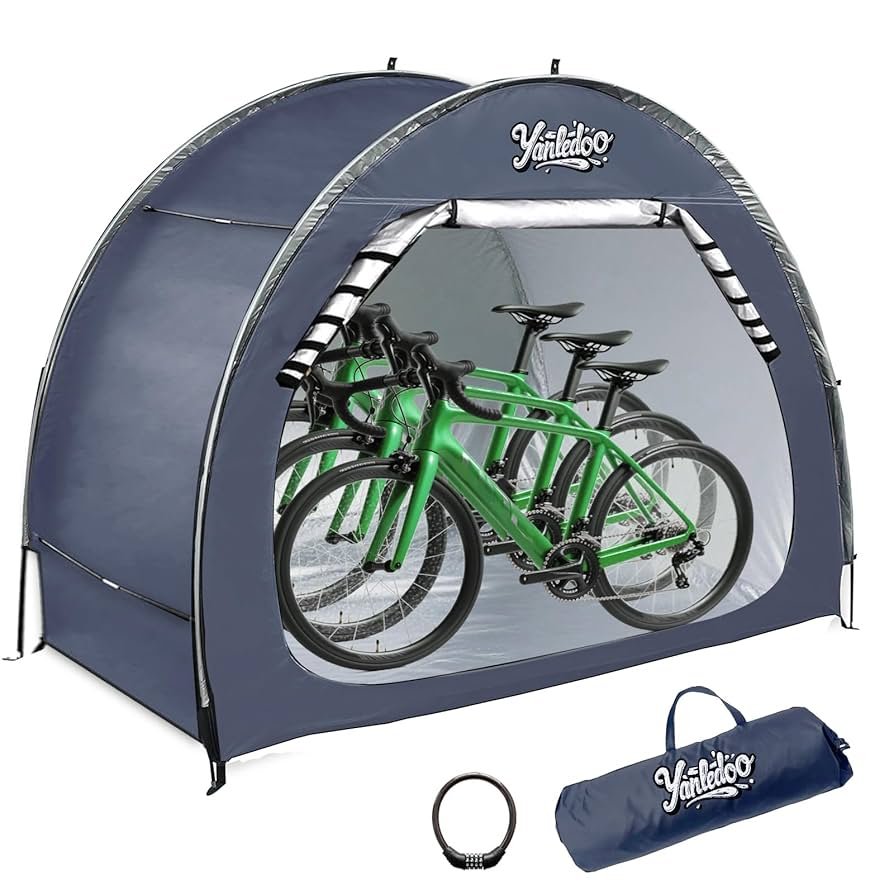
You love your bike, but storing it outside can feel risky. Rain, sun, and even thieves might damage your ride if you’re not careful.
What if there was a simple way to keep your bike safe and in great shape, even outdoors? In this post, you’ll discover easy, effective tips to protect your bike from the elements and theft. Keep reading to find out how to make your bike last longer and stay secure—no matter where you park it.
Choosing The Right Location
Storing your bike outdoors needs careful planning. The right location keeps it safe and in good shape.
Pick a spot that protects your bike from weather and damage. This guide explains key points for choosing such a place.
Sheltered Spots
Choose a place that blocks rain and wind. Sheltered spots reduce rust and wear on your bike. Look for areas under roofs or awnings.
- Under a porch or balcony
- Next to a building wall
- Inside a bike shed or carport
- Behind a fence or screen
Avoiding Direct Sunlight
Sunlight can fade paint and damage tires. Keep your bike in shade to keep it looking new longer.
| Sunlight Effect | Impact on Bike |
|---|---|
| UV Rays | Fades paint and decals |
| Heat | Dries out tires and grips |
| Prolonged Exposure | Weakens plastic and rubber parts |
Away From Moisture
Moisture causes rust and mold. Avoid spots near sprinklers or puddles. Keep your bike off wet ground.
- Use a waterproof cover
- Place a mat or wooden pallet under the bike
- Check for water drainage around the spot
- Move bike if heavy rain is expected
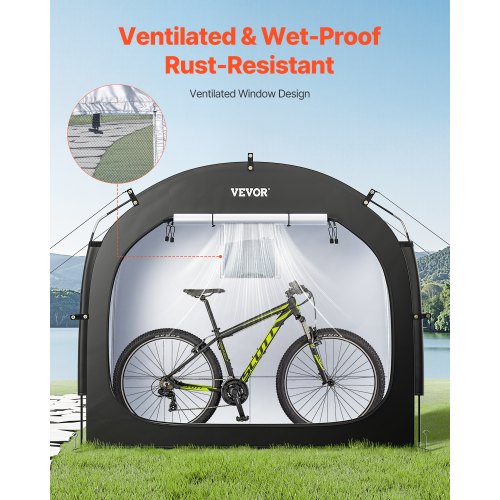
Credit: www.vevor.ca
Using Protective Covers
Storing bikes outdoors needs care to keep them safe and clean. Protective covers help shield bikes from rain, dust, and sun.
Good covers prevent damage and keep your bike ready for rides. Choose covers that fit well and suit outdoor conditions.
Types Of Bike Covers
Bike covers come in many types. Some are simple and lightweight, while others offer strong protection.
Choose between full covers that wrap the whole bike or partial covers for the seat and handlebars.
- Full covers protect the entire bike from weather and dirt.
- Partial covers shield only the most exposed parts.
- Lockable covers add extra security against theft.
Waterproof Materials
Waterproof materials keep your bike dry during rain or snow. Look for covers made from strong waterproof fabrics.
Materials like polyester with a waterproof coating work well. They stop water but also resist tearing.
- Polyester with PVC coating
- Heavy-duty nylon with waterproof lining
- Polyethylene for budget-friendly options
Ventilation Features
Good ventilation stops moisture from building under the cover. This helps prevent rust and mold on the bike.
Look for covers with vents or breathable fabric sections. These let air flow while keeping water out.
- Mesh vents near the bottom or sides
- Breathable fabric panels
- Designs that reduce trapped heat and moisture
Securing Your Bike
Storing your bike outdoors can expose it to theft and damage. Taking steps to secure your bike helps keep it safe.
Using the right tools and methods can protect your bike from being stolen or tampered with.
Strong Locks And Chains
Choose locks made from hardened steel. These resist cutting and breaking.
Heavy chains add extra protection. They make it harder for thieves to steal your bike quickly.
- Use U-locks or D-locks for strong security
- Pick chains with thick, rust-resistant links
- Lock both the frame and wheels
Anchoring To Fixed Objects
Always lock your bike to a solid object. This stops thieves from carrying it away.
Choose objects that cannot be moved or cut easily, like metal poles or bike racks.
- Check the object’s stability before locking
- Avoid trees or wooden posts that can break
- Use well-lit and visible spots for extra safety
Alarm Systems
Bike alarms alert you if someone tries to steal your bike. They make noise to scare off thieves.
Some alarms connect to your phone. They send alerts if your bike moves without permission.
- Choose alarms with loud sirens
- Look for motion-sensor alarms
- Consider GPS trackers for added security

Credit: www.amazon.ca
Preventing Rust And Corrosion
Storing bikes outdoors exposes them to rain, humidity, and dirt. These factors cause rust and corrosion. Protecting your bike keeps it working well longer.
Simple care steps can stop rust from forming. Clean, lubricate, and protect your bike regularly. These habits help your bike resist damage.
Regular Cleaning
Wash your bike often to remove mud, dust, and salt. Dirt holds moisture, which causes rust. Use mild soap and water for cleaning.
- Rinse the bike with water first
- Use a soft brush to scrub dirty parts
- Wipe the bike dry with a clean cloth
- Avoid strong chemicals that can damage paint
Lubricating Moving Parts
Lubricate the chain, gears, and cables to prevent rust and keep them moving smoothly. Dry parts are more likely to corrode.
- Clean the chain before applying lubricant
- Use bike-specific lubricants for best results
- Apply lubricant evenly to all moving parts
- Wipe off extra oil to avoid dirt build-up
Applying Protective Sprays
Protective sprays form a barrier against water and dirt. Use sprays made for metal and bike surfaces to shield your bike from corrosion.
| Spray Type | Purpose | Application Tips |
| Water Repellent | Keeps moisture off metal parts | Spray evenly and let dry fully |
| Anti-Rust Spray | Prevents rust on chains and bolts | Apply after cleaning and lubricating |
| Protective Wax | Shields paint and frame from dirt | Use on dry surfaces, buff gently |
Using Outdoor Bike Storage Solutions
Storing bikes outdoors needs smart solutions to keep them safe and dry. Using the right storage helps protect your bike from weather and theft.
There are many outdoor storage options. Each one offers different benefits for security and protection.
Bike Sheds
Bike sheds offer a covered space to keep your bikes safe from rain and sun. They are usually made of wood or metal and can fit one or more bikes.
- Protects bikes from weather damage
- Can be locked for security
- Offers extra space for bike accessories
- Easy to place in a garden or yard
Lockable Bike Boxes
Lockable bike boxes are strong containers that keep bikes secure. They are made from heavy-duty materials and have secure locks.
| Feature | Benefit |
| Sturdy metal or plastic | Protects from theft and weather |
| Lock system | Prevents unauthorized access |
| Compact size | Saves outdoor space |
| Portable options | Easy to move if needed |
Bike Covers With Frames
Bike covers with frames keep bikes dry and clean. The frame holds the cover away from the bike, so it does not touch the paint or parts.
- Simple to use and remove
- Lightweight and easy to store
- Protects against dust, rain, and sun
- Frames prevent damage to the bike
Maintenance Tips For Outdoor Storage
Storing your bike outdoors needs care to keep it working well. Regular maintenance helps protect it from weather and dirt. This guide shares easy tips to maintain your bike outside.
Simple checks and cleaning can stop damage and keep your bike ready to ride. Focus on key parts like tires and the chain for best results.
Routine Inspections
Look over your bike often to find problems early. Check the frame for rust or cracks. Make sure brakes and gears work right. Clean dirt off the bike to avoid damage.
- Inspect the frame for rust spots or dents.
- Test brakes for strong stopping power.
- Shift gears to check smooth movement.
- Clean dust and mud after rain or rides.
- Check bolts and screws are tight.
Tire Pressure Checks
Proper tire pressure prevents flats and improves ride comfort. Outdoor storage can lower pressure over time. Use a pump to keep tires filled to the right level.
| Type of Tire | Recommended Pressure (PSI) |
| Road Bike | 80–130 |
| Mountain Bike | 30–50 |
| Hybrid Bike | 50–70 |
Protecting The Chain
The chain faces dirt and rain when stored outside. Keep it clean and lubricated to stop rust and wear. Use a cloth to wipe off grime and apply bike oil regularly.
- Wipe the chain with a dry cloth after rides.
- Use bike-specific lubricant on the chain links.
- Avoid over-oiling to prevent dirt buildup.
- Cover the bike or chain if rain is expected.
Dealing With Weather Conditions
Storing bikes outdoors can expose them to harsh weather. Protecting your bike keeps it in good shape longer.
Understanding how to handle rain, snow, sun, and wind helps you choose the best storage methods.
Handling Rain And Snow
Rain and snow can cause rust and damage bike parts. Use waterproof covers to keep moisture away.
Wipe your bike dry after wet weather to stop rust from forming on metal parts.
- Choose covers made from waterproof materials
- Keep covers tight to avoid water pooling
- Store bikes off the ground to prevent water damage
- Check and dry bikes regularly in wet seasons
Protecting Against Uv Damage
Sunlight can fade paint and weaken tires. UV rays can also dry out bike parts like rubber and plastic.
Use UV-resistant covers or store bikes in shaded areas to reduce sun damage.
- Pick covers with UV protection features
- Park bikes under trees or awnings if possible
- Apply bike-specific protectants to tires and frames
- Rotate bike position to avoid constant sun exposure
Windproof Storage Ideas
Strong winds can tip over bikes or cause scratches from nearby objects. Secure storage helps prevent this.
Use sturdy bike racks or anchors and place bikes in sheltered spots to block wind.
- Install heavy-duty bike racks fixed to the ground
- Use wall mounts or bike hooks inside windproof sheds
- Create wind barriers with fences or screens
- Lock bikes securely to prevent falling in strong wind

Credit: www.amazon.ca
Frequently Asked Questions
How Can I Protect My Bike From Weather Outdoors?
Use a waterproof bike cover to shield it from rain and sun. Park in a shaded, dry area if possible. Regularly clean and lubricate your bike to prevent rust and damage.
What Is The Best Outdoor Bike Lock For Safety?
Choose a U-lock combined with a cable lock for maximum security. Ensure the lock is made of hardened steel. Always lock the frame and wheels to a sturdy, immovable object.
How Should I Store A Bike To Prevent Theft?
Store your bike in a visible, well-lit area to deter thieves. Use multiple locks on the frame and wheels. Register your bike with local authorities or use a GPS tracker.
Can A Bike Cover Prevent Rust During Outdoor Storage?
Yes, a quality bike cover blocks moisture and dust, reducing rust risk. Make sure the cover is breathable to avoid condensation buildup. Regularly inspect and maintain your bike underneath the cover.
Conclusion
Storing your bike outdoors can be simple and safe. Start with a sturdy lock for security. Choose a covered area to protect from weather. Regular checks ensure your bike stays in good condition. Use a bike cover if possible. It keeps dirt and moisture away.
Consider investing in a wall or floor anchor. It adds extra security. Follow these tips for peace of mind. Your bike will stay safe and ready to ride.



