
Imagine the thrill of a bike ride on a sunny day, the wind in your hair and the road stretching out ahead. But once the adventure ends, where does your trusty bike rack go?
It’s easy to forget about it until the next ride. Storing a bike rack when not in use can be a puzzle, but it doesn’t have to be. You might be wondering if there’s a way to keep it safe and secure without cluttering your space.
The good news is, there are simple and effective methods to store your bike rack that you might not have thought of. Do you ever feel overwhelmed by the clutter in your garage or storage area? Tidying up can create a sense of relief and satisfaction. By the time you finish reading this article, you’ll discover easy tips to keep your bike rack neatly stored, preserving its condition and freeing up space. Imagine the peace of mind knowing your bike rack is safe, secure, and ready for your next adventure. Dive in to explore these practical solutions and transform your storage woes into a streamlined system.

Credit: www.velocirax.com
Choosing The Right Storage Location
Selecting a space for storing your bike rack is crucial. A cool, dry area prevents rust and damage. Use hooks or shelves to keep it off the ground for better protection.
Indoor Vs Outdoor Storage
Storing bike racks indoors keeps them safe from rain and sun. Indoor storage helps prevent rust and damage. This keeps your bike rack in good condition. Outdoor storage is an option if you have limited space. Use a cover to protect the rack from weather. Choose a spot that is dry and shaded. Keep it away from sprinklers or flooding areas.
Evaluating Space Availability
Check how much space you have at home. A garage or basement is perfect for indoor storage. Make sure there’s room for the rack without blocking paths. If storing outside, find a spot that’s not in the way. Avoid areas where people walk a lot. This makes sure everyone stays safe and your rack stays protected.
Preparing The Bike Rack For Storage
Ensure the bike rack is clean and dry before storing. Disassemble if possible to save space. Store in a cool, dry place to prevent rust and damage.
Cleaning And Maintenance
Ensure the bike rack is cleanbefore storing. Use a soft cloth and mild soap. Wipe down all parts of the rack. This removes dirt and grime. Check for any rustor damage. Use a lubricant on moving parts. This keeps them smooth and prevents rust. Make sure the rack is drybefore storage. Moisture can cause rust over time. Store in a dry place to keep it safe.
Disassembling For Compact Storage
Start by removingall bike attachments. This makes the rack easier to handle. Disassemble parts if possible. This helps save space. Keep screws and small parts in a bag. Label the bag for easy reassembly. Fold or collapse the rack if it’s foldable. Place it in a secure storage area. This keeps it safe until next use.
Utilizing Wall And Ceiling Space
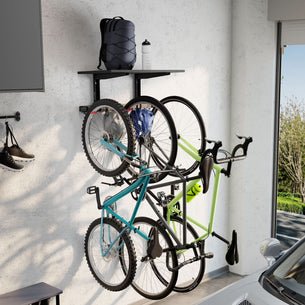
Save space by hanging your bike rack on the wall or ceiling. This keeps the floor clear and organized. Use sturdy hooks or brackets to ensure the rack is secure and easy to access when needed.
Wall Mounting Techniques
Mount the bike rack on a sturdy wall. Use strong brackets to keep it secure. Choose an area that’s easy to access. Keep the rack away from wet areas. Ensure the wall is dry and clean. Use screws that fit well into the wall. Check the rack’s weight limit before mounting.
Ceiling Hoist Systems
Use a hoist to lift the bike rack. Attach the hoist to the ceiling. Make sure the ceiling can hold the weight. Follow instructions for setting up the hoist. Ensure all hooks are strong and secure. Test the system with a light item first. Keep the area clear for safety.
Using Storage Accessories
Store your bike rack easily with wall-mounted hooks or ceiling hoists. Keep your space tidy by using storage bags or covers. These methods protect the rack and free up valuable floor space.
Hooks And Hangers
Hooks are great for hanging your bike rack. They save space and keep it off the ground. Choose strong hooks that can hold the rack’s weight. Hangers are also useful and can be mounted on walls. They keep the rack organized and ready for use.
Shelving And Cabinets
Shelves provide a flat surface for storing your bike rack. They can be installed in garages or storage rooms. Cabinets are ideal for keeping the rack out of sight. They protect it from dust and damage. Ensure the cabinet is big enough to fit the rack comfortably.
Protecting The Bike Rack
Storing bike racks properly prevents damage and extends their lifespan. Keep them indoors in a dry, safe spot. Covering the rack protects it from dust and scratches, ensuring it’s ready for the next ride.
Weatherproof Covers
Use a weatherproof cover to shield the bike rack from rain. Covers keep the rack dry and clean. They are easy to use and find. Choose a cover that fits snugly. A good cover can stop rust and damage. Always dry the rack before covering it. This prevents moisture from staying inside.Rust Prevention Methods
Rust can damage bike racks over time. Apply a rust-resistant spray to protect it. Make sure the rack is dry before spraying. This spray forms a barrier against moisture. Check for rust spots regularly. Remove any rust with a wire brush. Keep the rack in a dry place for extra protection. `
Credit: www.ebay.com
Safety Considerations
Ensure bike rack is clean before storing to prevent rust. Store in a dry, cool place to avoid damage. Use wall mounts or hooks for safe storage, keeping it off the ground and out of harm’s way.
Securing Heavy Racks
Heavy racks can fall and hurt someone. Always secure them tightly. Use strong hooks or brackets on walls. Make sure the rack is balanced. Keep it away from high-traffic areas. Double-check the weight capacity of your storage solution. This prevents accidents and keeps everyone safe.
Childproofing Storage Areas
Kids are curious and may get hurt. Store racks out of their reach. Use locks on storage doors. Block access to storage areas with gates. Label racks with warning signs. Teach children about safety near storage areas. Regularly check that racks are secured well. This ensures no unexpected accidents happen.

Credit: www.keepitsimpelle.com
Frequently Asked Questions
How Do You Store A Bike When Not In Use?
Store your bike in a dry, cool place to prevent rust and damage. Use a bike cover for added protection. Hang it on a wall rack or ceiling hook to save space and avoid flat spots on tires. Regularly check and maintain your bike for optimal performance.
How To Keep A Bike Rack From Being Stolen?
Secure your bike rack with a strong lock. Choose a high-quality U-lock or chain lock. Attach the rack to a fixed object like a post or rail. Consider anti-theft bolts for additional security. Always park in well-lit areas to deter thieves.
Regularly inspect the lock and rack for any signs of tampering.
How To Store A Kuat Bike Rack?
Store your Kuat bike rack in a dry, indoor area away from direct sunlight. Clean and lubricate moving parts before storage. Use a protective cover to shield it from dust and damage. Ensure it’s secured safely to prevent falling or mishandling.
Regularly check its condition before use.
How To Store Bikes When Camping?
Secure bikes with locks to stationary objects like trees or bike racks. Use waterproof covers for protection from rain. Store bikes inside tents or vehicles for added security. Keep bikes visible and within your campsite to prevent theft. Regularly check and maintain bike condition for optimal performance.
Conclusion
Storing your bike rack properly keeps it in good condition. Choose a clean, dry spot. Avoid direct sunlight and moisture. Use hooks or shelves for easy access. Keep parts together to prevent loss. Regular checks prevent rust or damage. A well-stored rack lasts longer.
It saves money on replacements. Plan storage space ahead. This makes organization easy. Following these steps ensures your bike rack stays ready for use. Enjoy more cycling adventures with a reliable rack. Remember, a little care goes a long way.
Keep your biking gear ready and safe.



