
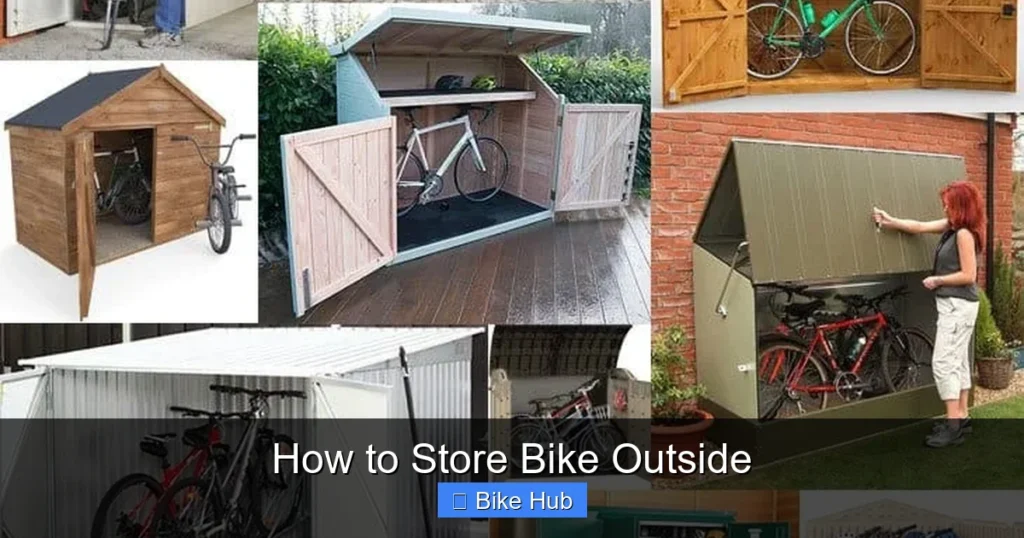
Storing your bike outside doesn’t mean sacrificing its condition or security. With the right setup, you can keep your bike safe, dry, and ready to ride—even in harsh weather. This guide walks you through every step, from choosing a sheltered spot to using weatherproof covers and anti-theft measures.
Key Takeaways
- Choose a sheltered location: Store your bike under an overhang, porch, or bike shelter to minimize exposure to rain, snow, and direct sunlight.
- Use a high-quality bike cover: A waterproof, UV-resistant cover protects your bike from moisture, dirt, and sun damage.
- Lock your bike securely: Always use a heavy-duty U-lock or chain lock, anchoring the frame and wheels to a fixed object.
- Elevate and position wisely: Keep your bike off the ground using a stand or wall mount to prevent water pooling and rust.
- Perform regular maintenance: Clean and lubricate your chain, check tire pressure, and inspect for rust or wear every few weeks.
- Remove detachable parts: Take off lights, saddlebags, or GPS units when not in use to deter theft.
- Consider seasonal adjustments: Prepare your bike for winter storage by cleaning it thoroughly and using protective sprays.
How to Store Bike Outside: A Complete Guide
Storing your bike outside might seem risky, but with the right precautions, it’s totally doable—even in rainy or snowy climates. Whether you live in an apartment without indoor space or just prefer keeping your bike accessible, outdoor storage can work if you follow smart practices. In this guide, you’ll learn how to store bike outside safely, protect it from the elements, and keep it secure from theft.
We’ll cover everything from picking the best spot to using covers, locks, and maintenance routines. By the end, your bike will stay in great shape, no matter the weather.
Step 1: Choose the Right Location
The first step in outdoor bike storage is finding a spot that offers natural protection. You want to minimize exposure to rain, snow, wind, and direct sunlight.
Look for Sheltered Areas
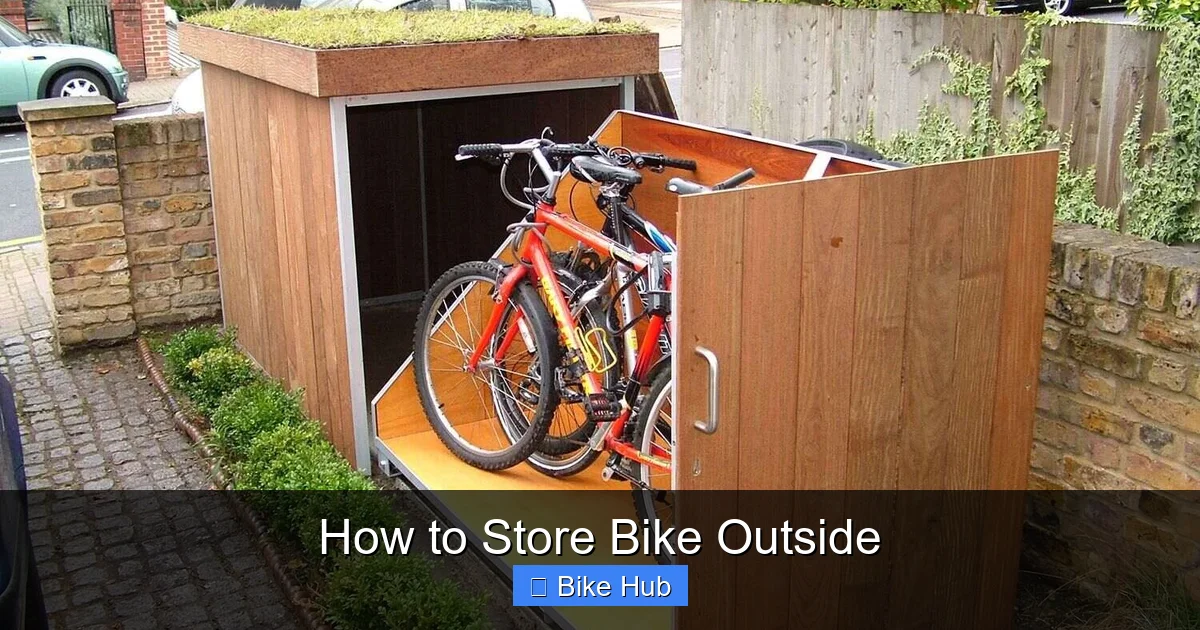
Ideal locations include under a porch, garage overhang, balcony, or bike shelter. These spots block rain and reduce sun damage. Avoid placing your bike directly on grass or soil, as moisture can seep up and cause rust.
Visual guide about How to Store Bike Outside
Image source: cdn.shopk.it
Avoid High-Traffic or Hidden Spots
While it might seem safer to hide your bike, secluded areas increase theft risk. Instead, choose a visible but sheltered location near your home. Visibility deters thieves, and shelter protects your bike.
Use a Bike Shed or Enclosure
If you have space, consider a dedicated bike shed or outdoor storage box. These offer full protection and can hold multiple bikes. Look for models with ventilation to prevent condensation buildup.
Step 2: Use a High-Quality Bike Cover
A good bike cover is essential for outdoor storage. It shields your bike from rain, dust, bird droppings, and UV rays.
Choose a Waterproof and Breathable Cover
Look for covers made from polyester with a waterproof coating. Make sure it’s breathable to prevent moisture buildup underneath, which can lead to rust. Avoid cheap plastic tarps—they trap condensation.
Visual guide about How to Store Bike Outside
Image source: storables.com
Ensure a Snug Fit
The cover should fully enclose your bike, including the wheels. Elastic hems or drawstrings help secure it in windy conditions. Some covers come with lock holes so you can still secure your bike while covered.
UV Protection Matters
Sunlight can fade paint and degrade rubber parts over time. Choose a cover with UV inhibitors to protect your bike’s finish and components.
Step 3: Secure Your Bike with the Right Lock
Even with a cover, your bike needs strong protection against theft.
Use a U-Lock or Heavy Chain
A U-lock is one of the most secure options. Thread it through the rear triangle of the frame and the rear wheel, then anchor it to a solid object like a bike rack or post. For extra security, add a chain lock through the front wheel and frame.
Anchor to a Fixed Object
Never lock your bike to something that can be cut or moved, like a fence or tree branch. Use a certified bike rack or ground anchor. If you don’t have a rack, consider installing a permanent anchor bolt in concrete.
Lock the Frame, Not Just the Wheel
Thieves can remove wheels quickly. Always lock the frame first. If you have quick-release wheels, consider using locking skewers or removing the front wheel and locking it with the frame.
Step 4: Elevate and Position Your Bike Properly
How you position your bike affects its longevity and security.
Keep It Off the Ground
Use a bike stand, wall mount, or hanging hook to lift your bike off the pavement. This prevents water from pooling around the wheels and reduces the risk of rust on the chain and drivetrain.
Store Upright or Hang It
Storing your bike upright saves space and keeps components aligned. If space is tight, hang it vertically using a wall-mounted rack. Just make sure the hook supports the frame, not just the wheel.
Angle the Bike to Shed Water
If you can’t use a cover, tilt your bike slightly so water runs off instead of pooling on the saddle or handlebars. This simple trick helps prevent water damage.
Step 5: Perform Regular Maintenance
Outdoor storage means more exposure to dirt and moisture, so regular upkeep is crucial.
Clean Your Bike Weekly
Wipe down the frame, wheels, and drivetrain with a damp cloth. Use a mild bike cleaner for stubborn grime. Avoid high-pressure washers—they can force water into bearings and cause damage.
Lubricate the Chain and Moving Parts
Apply bike-specific lubricant to the chain, derailleurs, and pivot points every 2–4 weeks. Wipe off excess oil to prevent dirt buildup. For long-term storage, consider a wet lube in rainy climates or dry lube in dry areas.
Check Tire Pressure Monthly
Outdoor bikes lose air faster due to temperature changes. Use a floor pump to maintain proper pressure. Underinflated tires can develop flat spots or pinch flats. For tips on checking pressure, see our guide on how to check bike tire pressure.
Inspect for Rust and Wear
Look for signs of rust on the chain, bolts, and frame. Use a rust remover or fine steel wool for light corrosion. Apply a protective spray like WD-40 or a dedicated frame protectant to metal parts. For more on rust prevention, check out how to protect a bike frame from rust.
Step 6: Remove Detachable Accessories
Small parts are easy targets for thieves.
Take Off Lights and Electronics
Remove bike lights, GPS units, and phone mounts when not in use. Store them indoors. For guidance, read our article on how to store bike lights when not in use.
Detach Saddlebags and Panniers
If you use bags for commuting, take them inside. They’re valuable and easy to steal. Use quick-release mounts for easy removal.
Consider a Removable Saddle
Some riders swap to a cheaper saddle for outdoor storage. If your seat has a quick-release clamp, you can easily remove and store it indoors.
Step 7: Prepare for Seasonal Changes
Weather varies throughout the year, so adjust your storage routine accordingly.
Winter Storage Tips
In cold climates, clean your bike thoroughly before winter. Apply a protective wax or spray to the frame. Inflate tires to the higher end of the recommended range to prevent flat spots. For more, see how to prepare bike tires for winter.
Summer Care
High heat can dry out rubber and degrade lubricants. Check tire condition and chain lube more frequently. Use a UV-resistant cover to prevent paint fading.
Troubleshooting Common Issues
Bike Cover Flapping in Wind
Secure the cover with bungee cords or weights. Choose a cover with reinforced grommets for tie-downs.
Rust on the Chain
Clean the chain with degreaser, dry it, and apply fresh lubricant. If rust is severe, consider replacing the chain.
Tire Damage from Sun Exposure
Cracked or brittle tires need replacement. Store your bike in shade or use a cover with UV protection.
Theft Despite Locking
Upgrade to a higher-security lock. Add a motion sensor alarm or GPS tracker for extra peace of mind.
Conclusion
Storing your bike outside doesn’t have to be a gamble. By choosing a sheltered spot, using a quality cover, locking it securely, and maintaining it regularly, you can keep your bike in excellent condition year-round. Remember to remove accessories, elevate the bike, and adjust your routine with the seasons.
With these steps, your bike will stay clean, dry, and ready for your next ride—no matter where you park it.



