
Are you someone who loves cycling, but often finds yourself wondering how best to store your bike helmet? You’re not alone.
Many cyclists struggle with keeping their helmets safe and intact when they’re not in use. A well-stored helmet not only lasts longer but also ensures it provides the maximum protection when you need it most. Imagine the peace of mind you’ll have knowing your helmet is stored correctly, ready for your next adventure.
We’ll explore effective ways to store your bike helmet, ensuring it remains in top condition and ready to protect you. Stick around to discover practical tips and tricks that will make storing your helmet a breeze, and keep you riding safely.
Credit: www.ocmtb.org
Choosing The Right Storage Location
Storing a bike helmet indoors is often safer. Indoor storage protects helmets from rain and sun. Outdoor storage can cause damage over time. Helmets left outside may crack or fade. Indoors, a helmet stays clean and dry. Outdoor storage should be in a covered area. This reduces weather damage. A garage or shed can work for outdoor storage. Always keep helmets away from pets and young kids. Make sure the storage spot is easy to reach.
Extreme temperatures can harm helmets. Too hot can warp the helmet shape. Too cold can make the helmet brittle. A constant temperature is best. Choose a spot away from heaters or air conditioners. Avoid places that get direct sunlight. Basements can be too cold in winter. A closet is often a safe choice. Keep helmets away from windows. The right temperature helps helmets last longer.

Credit: www.pinterest.com
Proper Cleaning Before Storage
First, shake the helmet to remove loose dirt. Use a soft brush to sweep away any dust. Make sure to clean every part. Pay attention to the straps and inside padding.
Mild soap and water are best for cleaning. Avoid strong chemicals as they can harm the helmet. Use a damp cloth to wipe down the surface. Rinse with clean water to remove soap. Let it air dry fully before storing.
Maintaining Helmet Shape
Proper storage keeps your bike helmet in shape. Store it in a cool, dry place away from sunlight. Avoid hanging it by the straps to prevent deformation.
Using Helmet Stands
A helmet standkeeps your helmet safe. It helps maintain its shape. Place the stand on a flat surface. Ensure it is stable. The helmet should rest comfortably. Make sure the straps are not caught. This prevents any damage. Helmet stands are easy to use. They are affordable too. A good stand lasts a long time. Choose one made of strong material.
Avoiding Compression
Avoid stackingheavy objects on your helmet. This causes compression. Compression can ruin your helmet’s shape. Keep it in a safe spot. Ensure nothing presses against it. Use soft padding if possible. This prevents dents and scratches. Store helmets away from heavy items. Hang them if space allows. This keeps them in good condition. Helmets need proper care.
Protection From Moisture
Moisturecan harm your bike helmet. It’s important to keep it dry. Desiccants help absorb moisture. They are small packets. You can find them in shoe boxes. Place them with your helmet. They keep the helmet dry. Dry helmets last longer.
Store helmets in humidity-controlledspaces. These spaces have stable air. Avoid basements or attics. They can be too damp. Choose a dry closet instead. Closets stay dry. Dry spaces protect helmets. This keeps them safe.
Preventing Damage From Sunlight
Keep your bike helmet safe from the sun. UV-protected covers are great. These covers block harmful rays. They stop the helmet from fading. Strong sunlight can weaken helmet material. A cover helps it last longer. Choose a cover that fits well. Make sure it is easy to use. It’s a simple way to protect your helmet.
Place your helmet away from windows. Sunlight can sneak through. Even indoors, UV rays can cause damage. Find a spot far from windows. A cool, dark place is best. This keeps your helmet safe. Sunlight can make the helmet brittle. Protect it by keeping it in a shaded area.
Long-term Storage Solutions
Dedicated helmet bags keep your helmet safe from dust and scratches. These bags have soft lining to protect the surface. They are easy to carry and store anywhere. Always choose a bag that fits your helmet size. This ensures extra protection. Keep it in a dry place to avoid moisture.
Storage boxes with padding provide a safe space for helmets. The padding absorbs shocks and prevents damage. Choose a box with a snug fit for your helmet. This stops it from moving inside. Store the box in a cool, dry place. This keeps the helmet in good condition.
Regular Inspection And Maintenance
Always check your bike helmet for wear and tear. Look for cracks or dents. These can make your helmet weak. Inspect the straps. Make sure they are not frayed or loose. The buckle should snap easily. If it doesn’t, it might be broken. A helmet with damage should not be used. It might not protect your head properly.
Sometimes, parts of a helmet need replacing. Foam padding can get old and thin. Replace it if this happens. Straps can also wear out over time. Buy new ones if they look weak. The buckle is important too. If it breaks, replace it right away. Always use parts made for your helmet.

Credit: biketestreviews.com
Frequently Asked Questions
Where To Put A Bike Helmet When Parked?
Store your bike helmet securely in a lockable top case or pannier. Use a cable lock to secure it to the bike frame. Consider carrying it with you in a backpack for safety. Avoid leaving it exposed to weather or theft risks.
What Is The 5 Year Rule For Helmets?
The 5-year rule suggests replacing helmets every five years. Over time, materials degrade and safety diminishes. Regular inspections are crucial for ensuring optimal protection. Always check for wear and damage to maximize helmet safety.
How To Hang A Bicycle Helmet?
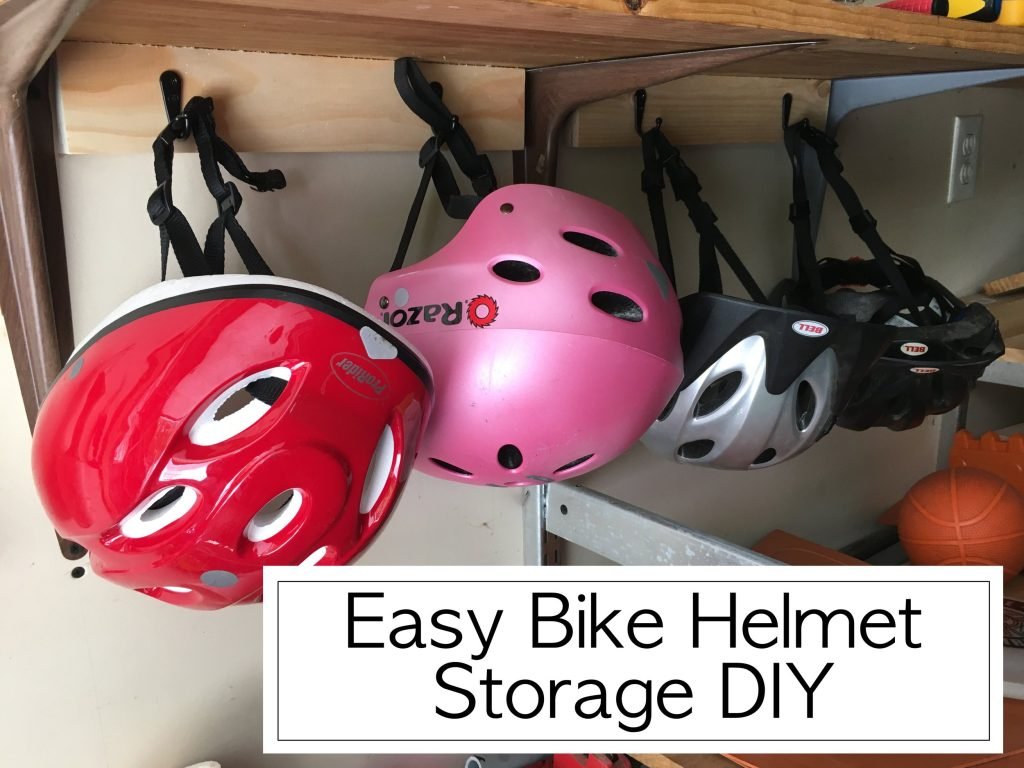
Use a wall hook or a helmet holder to hang your bicycle helmet securely. Ensure the hook is sturdy and located at a convenient height. This method prevents damage and keeps your helmet accessible.
Do Helmets Expire If Not Used?
Helmets can expire even if unused due to material degradation. Check the manufacturer’s guidelines for the expiration date. Typically, helmets last about 3-5 years from the manufacturing date. Regularly inspect for cracks, wear, or damage to ensure safety. Always prioritize quality and replace when needed.
Conclusion
Storing your bike helmet properly keeps it safe and clean. Choose a cool, dry spot away from sunlight. Avoid hanging your helmet by the straps. Use a shelf or drawer for better protection. Regularly inspect for cracks or damage. Dust it off gently to maintain its condition.
A well-stored helmet lasts longer and offers better protection. Remember, care today prevents future problems. Prioritize helmet safety for peace of mind. Simple steps lead to a secure helmet. Take action now and ensure your helmet remains reliable. Safety first, always.



