

Learning how to stop a kid’s bike safely is one of the most important skills you can teach your child. You want to make sure they feel confident and secure every time they ride.
But stopping a bike isn’t always as simple as it seems. If your child doesn’t know the right way to brake, it can lead to falls or accidents. You’ll discover clear, easy steps to help your child stop their bike safely.
By the end, you’ll have the tools to keep your little rider protected and ready for every adventure. Keep reading to learn how to make bike rides safer and more fun for your child!
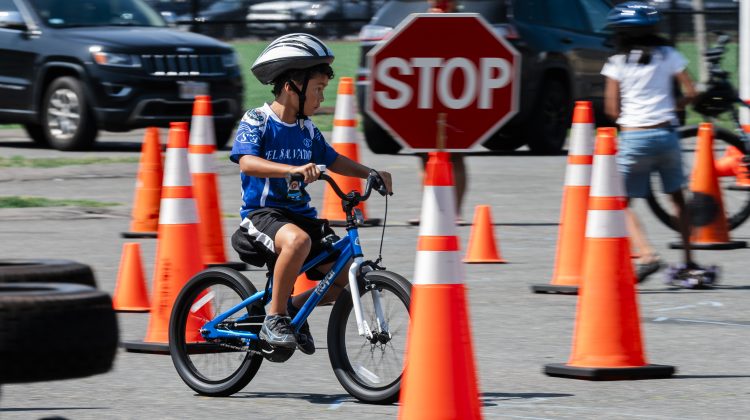
Credit: itemlive.com
Choosing The Right Bike
Picking the right bike helps kids stop safely and enjoy riding. The bike must fit well and have good features.
Parents should consider size, bike type, and safety parts. These choices make riding easier and safer for children.
Size And Fit Matters
A bike that fits well lets a child control it better. Check the child’s height and leg length before buying.
- Choose a bike with a frame size that matches the child’s height.
- Make sure the child can touch the ground with their feet while sitting.
- Check that the handlebars and seat are easy to reach and adjust.
- Test the bike to see if the child feels comfortable and balanced.
Types Of Kids’ Bikes
Different bikes suit different ages and skills. Picking the right type helps kids learn to stop safely.
| Bike Type | Age Range | Key Feature |
|---|---|---|
| Balance Bikes | 2-4 years | No pedals, helps learn balance |
| Training Wheel Bikes | 3-6 years | Extra wheels for support |
| Standard Bikes | 5+ years | Pedals and brakes for control |
Safety Features To Look For
Good safety features help kids stop safely and avoid accidents. Look for reliable brakes and protective parts.
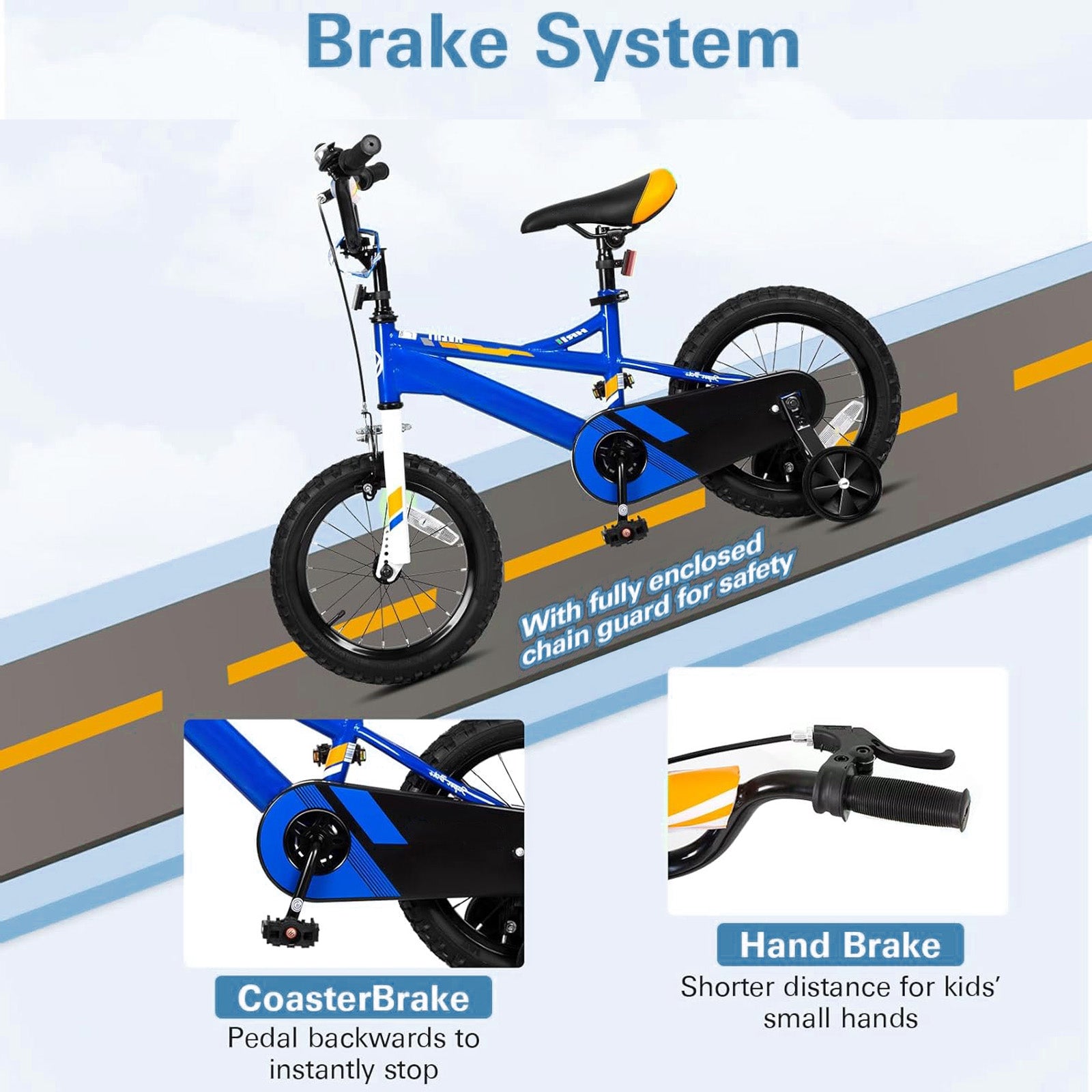
- Choose bikes with hand brakes that fit small hands.
- Look for coaster brakes that stop by pedaling backward.
- Check for reflectors and bright colors for visibility.
- Ensure the bike has a chain guard to prevent clothes from catching.
- Consider padded seats and grips for comfort and control.

Credit: www.youtube.com
Teaching Basic Braking Techniques
Learning how to stop a bike safely is very important for kids. Proper braking helps avoid accidents and builds confidence. This guide covers basic braking skills every child should know.
We will look at the difference between hand brakes and pedal brakes. You will also find tips on when and how to brake correctly. Finally, we explain how to practice smooth stops for better control.
Using Hand Brakes Vs. Pedal Brakes
Hand brakes work by squeezing levers on the handlebars. Pedal brakes stop the bike when the rider pedals backward. Each type needs a different technique to stop safely.
- Hand brakes allow gradual stopping by controlling pressure.
- Pedal brakes work best at low speeds or on simple bikes.
- Hand brakes require finger strength and coordination.
- Pedal brakes need steady backward pedaling to stop well.
- Most kids’ bikes have either one or both brake types.
When And How To Brake
Braking at the right time is key to safe riding. Kids should learn to brake early to avoid sudden stops. Braking too hard can cause the bike to skid or fall.
| Situation | When to Brake | How to Brake |
| Stopping at a stop sign | Start braking 10 feet before | Use both brakes gently |
| Going downhill | Brake early and often | Apply hand brakes slowly |
| Approaching a turn | Brake before the turn | Slow down, then turn |
| Sudden obstacle | Brake immediately | Squeeze brakes firmly but controlled |
Practicing Smooth Stops
Smooth stopping is about control and balance. Kids should practice braking on flat, open spaces. This helps them feel how much pressure to use on brakes.
Try this simple drill for smooth stops:
- Ride slowly in a straight line.
- Apply brakes gently to slow down.
- Stop fully without wobbling or falling.
- Repeat until braking feels natural.
Safety Gear Essentials
Stopping a kid’s bike safely needs the right safety gear. It helps protect children from falls and injuries. Using safety gear makes riding safer and more fun.
Parents should check that the gear fits well and is comfortable. This guide covers the main gear kids should wear every time they ride.
Helmets And Pads
Helmets are the most important safety gear. They protect the head during sudden stops or falls. Pads protect knees and elbows from scrapes and bruises.
- Choose a helmet that fits snugly without moving.
- Adjust straps so the helmet stays in place.
- Use knee and elbow pads made from soft, shock-absorbing material.
- Replace any gear that is cracked or damaged.
Reflective Clothing
Reflective clothing helps kids stay visible to drivers. It is especially useful during dusk, dawn, or cloudy weather. Bright colors also help others see the rider easily.
| Type of Clothing | Visibility Features |
|---|---|
| Jackets | Reflective strips on sleeves and back |
| Vests | Fluorescent colors with reflective patches |
| Backpacks | Reflective panels on all sides |
Proper Footwear
Good shoes help kids stop their bikes safely. Shoes should fit well and have a firm grip. Avoid sandals or slippery soles that can cause falls.
- Shoes with rubber soles work best.
- Closed-toe shoes protect feet from scrapes.
- Check laces or straps to keep shoes secure.
Creating A Safe Practice Environment
Teaching a child to stop their bike safely needs a secure place to practice. A safe environment helps build their confidence and skills. Parents and guardians should prepare the area well before starting.
This guide covers how to choose the right location, set up practice drills, and supervise effectively during bike stopping practice.
Choosing A Suitable Location
Pick a flat, open area with no traffic or obstacles. Avoid places with steep hills or busy streets. A quiet parking lot, a playground with smooth pavement, or a large driveway works well.
- Look for smooth, even surfaces to prevent falls.
- Ensure the area is free from loose gravel or sand.
- Choose spots away from cars and pedestrians.
- Good lighting helps the child see clearly.
- Make sure there is enough space to stop safely.
Setting Up Practice Drills
Practice drills help kids learn to stop their bike step by step. Start with slow rides and teach them to use both brakes gently. Gradually increase difficulty as they improve.
| Drill | Description |
| Brake Testing | Practice squeezing brakes while standing still. |
| Slow Ride | Ride slowly and stop using brakes. |
| Stop on Command | Stop quickly when called out. |
| Emergency Stop | Practice quick stops safely at low speed. |
Supervising Effectively
Stay close and watch the child at all times. Give clear instructions and praise their efforts. Be ready to help if they lose balance or get scared.
- Keep an eye on the child’s speed and control.
- Encourage calm, steady braking.
- Offer tips and corrections gently.
- Never leave the child unattended during practice.
- Celebrate small successes to boost confidence.
Handling Common Braking Challenges
Stopping a kid’s bike safely is very important. Kids may face problems with brakes in different situations.
This guide helps with common braking challenges to keep kids safe while riding.
Stopping On Slopes
Slopes make stopping harder because gravity pulls the bike downhill. Kids should use both brakes gently to avoid slipping.
Braking too hard on a slope can cause the bike to skid or the child to fall.
Dealing With Wet Surfaces
Wet roads make brakes less effective. Kids must slow down early and press brakes softly to stop safely.
- Check if brake pads touch the wheel well
- Use rear brake more to avoid slipping
- Practice stopping on wet grass before wet roads
- Wear bright clothes to be seen in rainy weather
Emergency Stops
Emergency stops need quick and strong braking. Kids must stay calm and avoid sudden turns.
| Action | Reason |
| Use both brakes evenly | Prevents skidding and keeps balance |
| Shift body weight back | Stops the bike faster and keeps control |
| Look ahead | Helps avoid obstacles and plan stops |
| Practice often | Builds confidence and quick reactions |
Credit: www.hykolity.com
Building Confidence And Independence
Learning how to stop a bike safely is an important skill for kids. It helps them feel sure and in control while riding.
With practice, children gain independence and enjoy riding more. Teaching safe stopping builds their confidence.
Encouraging Regular Practice
Practice helps kids learn how to stop their bike smoothly. Set aside time often for safe stopping exercises.
Use quiet, open spaces like parks or empty parking lots. This lowers distractions and risks while practicing.
- Start with slow rides and easy stops
- Repeat stopping at different speeds
- Practice on flat, even surfaces first
- Gradually add small turns before stopping
Positive Reinforcement
Praise your child when they stop safely. Positive feedback makes them feel proud and motivated.
Use encouraging words and celebrate small successes. This builds their belief in their own skills.
- Say things like “Great job stopping!”
- Offer high fives or smiles
- Notice improvements and mention them
- Be patient and supportive during mistakes
Progressing To Real-world Riding
After practice, move to real streets with adult supervision. This helps kids handle real stopping situations.
Teach them to watch for cars, people, and signals. This grows their independence and safety awareness.
- Start on quiet streets with few cars
- Practice stopping at crosswalks and stop signs
- Explain the importance of scanning surroundings
- Keep practicing stopping smoothly under supervision
Frequently Asked Questions
How Can Kids Stop A Bike Safely And Effectively?
Kids should use both brakes evenly to stop smoothly. Teach them to slow down gradually and avoid sudden stops to prevent falls.
What Are The Best Techniques To Brake On A Kid’s Bike?
Encourage kids to apply gentle pressure on brakes, first the rear then the front. This controls speed and maintains balance.
How To Teach Kids To Stop A Bike On Slopes?
Advise kids to brake early and gently on slopes. Keeping weight back helps maintain control and avoid tipping forward.
Why Is Using Both Brakes Important For Safe Stopping?
Using both brakes distributes stopping force evenly. It reduces the risk of skidding and helps maintain balance during stops.
Conclusion
Teaching kids to stop their bikes safely is crucial. It ensures their safety and boosts confidence. Practice is key. Spend time with them in safe areas. Teach them to use both brakes. Remind them to pay attention to surroundings. Encourage them to slow down when needed.
Praise their efforts. This builds good habits and keeps them safe. Remember, patience is important. Each child learns at their own pace. Keep it fun and positive. Safety first, always.



