
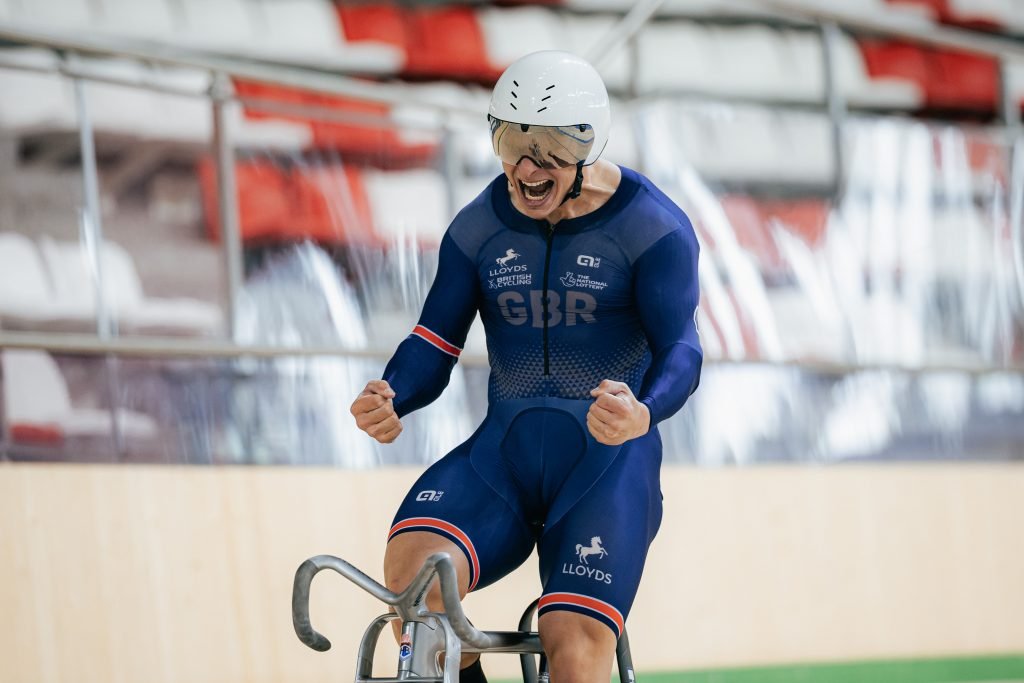
Are you ready to dive into the fast-paced world of track cycling? Whether you want to race on a velodrome or simply improve your cycling skills, starting track cycling can be exciting and rewarding.
But where do you begin? This guide will walk you through everything you need to know to get started quickly and confidently. By the end, you’ll feel ready to hit the track and experience the unique thrill that only track cycling offers.
Keep reading to discover simple steps that will turn your curiosity into action.
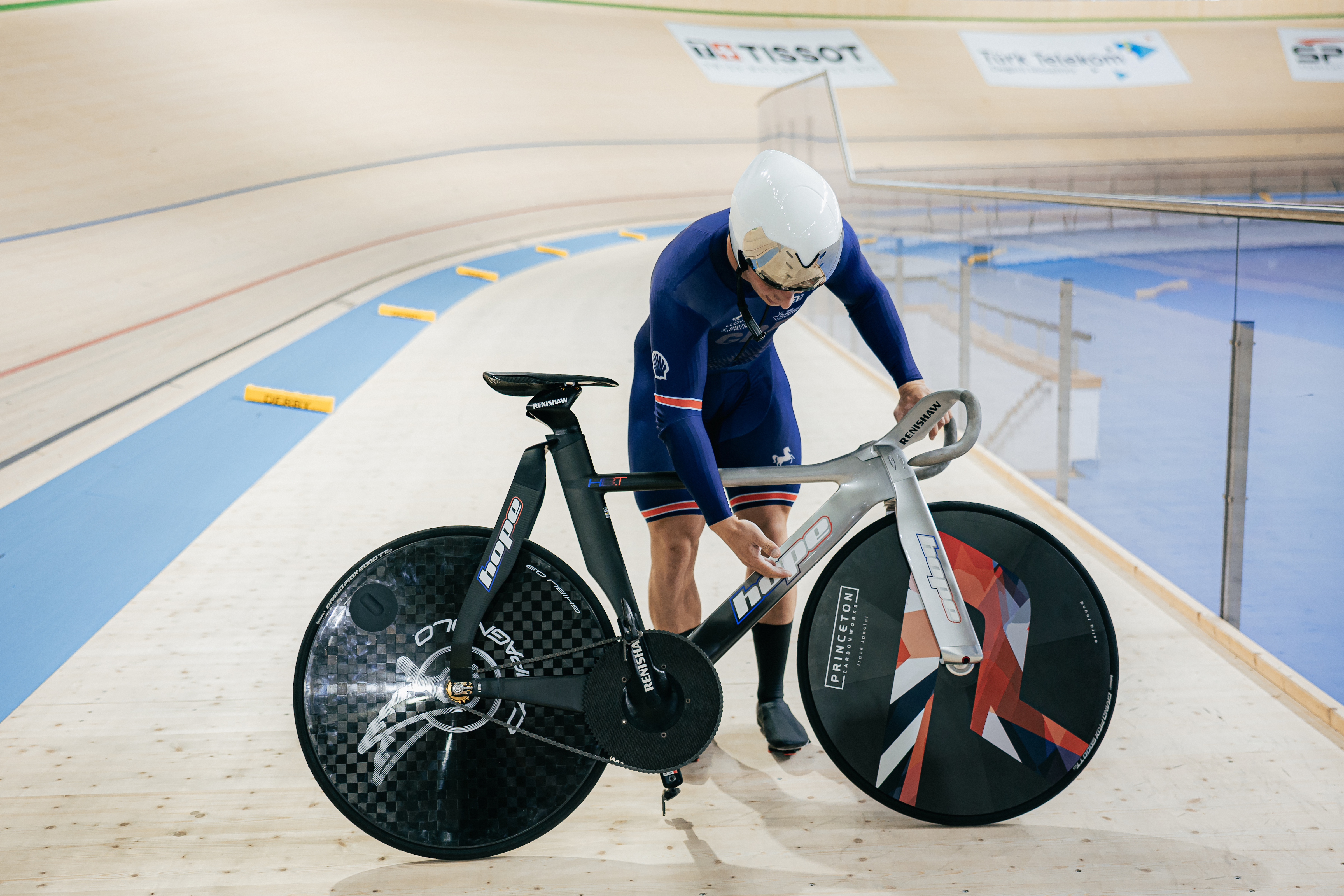
Credit: www.cyclingnews.com
Gear Essentials
Choosing the right track bikeis key for a good start. Track bikes have no brakes and one fixed gear. They are light and strong for fast rides on the velodrome. Make sure the bike fits your size well. A proper fit helps you ride better and stay safe. Check the frame size and handlebar type before buying.
Helmet and protective gearkeep you safe on the track. Use a helmet that fits snugly and meets safety standards. Consider wearing gloves to protect your hands and padded shorts for comfort. Knee and elbow pads can help if you are a beginner. Safety gear can prevent injuries during falls or crashes.
Cycling apparel basicsimprove your riding experience. Wear tight clothes to reduce air drag. Breathable fabrics keep you cool and dry. Choose cycling shoes with stiff soles for better pedal power. Avoid loose clothes that can catch in the bike parts.

Credit: www.bikeradar.com
Track Cycling Basics
A velodromeis an oval track used for track cycling. It has banked curvesthat help cyclists keep speed. The track is made of wood or concrete and is usually 250 meters long.
Some key track cycling termsinclude:
- Scratch Race:A simple race where first to finish wins.
- Keirin:Cyclists follow a motorbike before sprinting.
- Paceline:Cyclists ride close in a line to reduce wind.
Basic rules and etiquettekeep races safe and fair. Cyclists must wear helmets and use special track bikes. Riding on the blue band at the bottom is for safety only. Passing happens on the outside. Riders should signal when changing lanes. Respect others and avoid sudden moves.
Training Tips
Building enduranceis key for track cycling. Start with long, steady rides to increase stamina. Gradually add more time and distance. Rest days help muscles recover and grow stronger.
Speed and sprint workouts boost fast-twitch muscles. Try short bursts of maximum effort followed by rest. This trains your body to pedal quickly and powerfully. Repeat sprints several times for best results.
Improving technique helps you ride more efficiently. Focus on smooth pedal strokes and body position. Keep your back flat and arms relaxed. Practice riding in a straight line and cornering safely.
Starting On The Track
Start with a simple warm-upto prepare your body. Light cycling for 5-10 minutes helps raise your heart rate. Stretching your legs and arms reduces injury risks. Focus on smooth, steady pedaling to get ready.
Balancingis key on the track. Practice riding slowly without hands on the handlebars. Try small turns to improve your handling skills. Keep your body relaxed and eyes forward for better control.
Practice startsby pushing off hard from a stop. This builds power and speed. For stops, brake gently and keep your weight balanced. Repeat these drills often to gain confidence and improve timing.
Racing Formats
Individual Sprintis a short race between two riders. It tests speed and tactics. Riders start slow, watching each other. The race ends with a fast sprint in the last lap.
Team Pursuitinvolves two teams racing on opposite sides of the track. Each team tries to catch the other or finish fastest. Teams work together, taking turns leading to save energy.
Keirin and Points Raceare more complex. In Keirin, riders follow a motorbike that sets the pace. The bike leaves, then riders sprint to the finish.
Points Raceis longer with sprints every few laps. Riders earn points for sprint places and laps gained. The one with most points wins.
Safety Measures
Wearing a helmet and proper gear protects you from injuries while track cycling. Always check your bike and surroundings before riding to stay safe.
Avoiding Common Injuries
Wear a helmet to protect your head. Use padded gloves to safeguard your hands. Always wear proper cycling shoes for a firm grip. Stretch before you start to avoid muscle strains. Practice good posture on the bike.
Track Rules For Safety
- Follow the track’s direction at all times.
- Keep a safe distance from other cyclists.
- Signal your moves to nearby riders.
- Respect the track’s speed limits.
- Stay in your designated lane.
Maintaining Your Equipment
Check your bike’s brakes regularly. Ensure tires are properly inflated. Keep the chain clean and oiled. Inspect the frame for any cracks or damage. Tighten all bolts before riding.
Joining The Community
Joining a track cycling community helps beginners learn faster and stay motivated. Sharing tips and experiences makes the journey more fun and rewarding.
Finding Local Clubs
Start by searching online for local cycling clubs. Visit local sports centers for more information. Cycling shops often have club details too. Joining a club can be fun. You’ll meet people who love cycling.Participating In Events
Check local event calendars for cycling events. Many clubs host races and fun rides. Participating helps you learn track cycling. It also builds your confidence. Events are a great way to feel part of the cycling world.Connecting With Fellow Cyclists
Talk to cyclists at events and clubs. Share your cycling stories and experiences. Ask for tips and advice. Cyclists love to help each other. Make friends and enjoy cycling together. Building connections makes cycling more enjoyable. `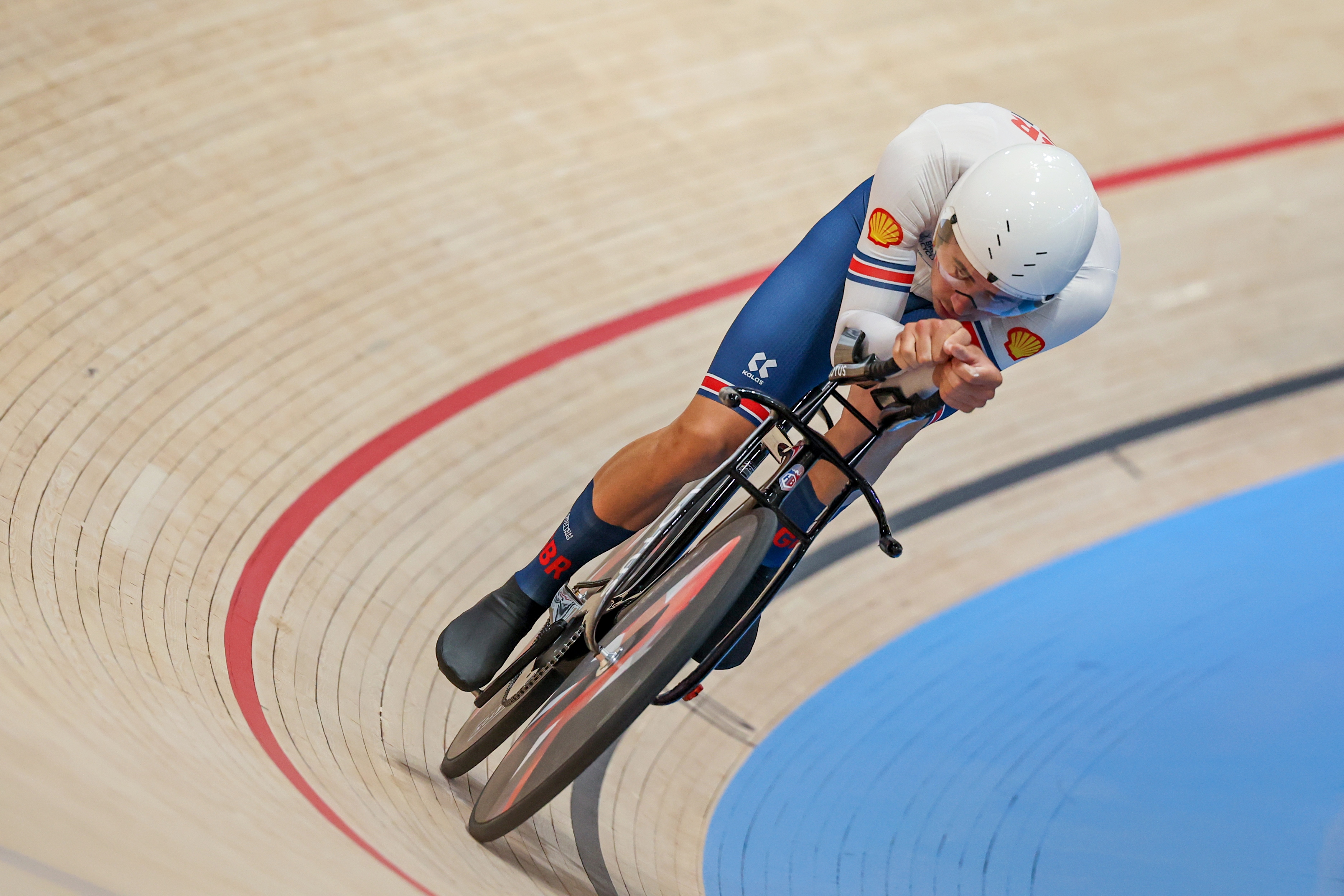
Credit: www.cyclingweekly.com
Frequently Asked Questions
What Equipment Do I Need To Start Track Cycling?
You need a track bike, helmet, cycling shoes, and appropriate clothing. A fixed-gear bike without brakes is standard for velodrome use. Ensure your gear fits well for safety and performance. Accessories like gloves and sunglasses can enhance comfort and protection.
How Do I Find A Local Velodrome For Practice?
Search online for nearby velodromes or cycling clubs. Use keywords like “velodrome near me” or “track cycling clubs. ” Joining a club helps with training, advice, and access to facilities. Local cycling forums and social media groups are also useful resources.
What Skills Are Essential For Beginner Track Cyclists?
Balance, bike handling, and pacing are key skills. Learn to ride fixed-gear bikes safely and practice smooth braking. Understand track etiquette and positioning on the velodrome. Start with basic drills before advancing to races or sprints.
How Can I Improve My Track Cycling Speed?
Focus on interval training and strength exercises. Improve pedal technique and maintain a steady cadence. Regularly practice sprinting and endurance rides on the track. Proper nutrition and rest also boost your cycling performance. Consistent training leads to better speed and stamina.
Conclusion
Starting track cycling can be exciting and fun. Choose the right bike and gear first. Practice riding on the track safely and steadily. Join local clubs to meet other riders. Keep learning and improving your skills each day. Stay patient and enjoy the process.
Track cycling can boost your fitness and focus. Give yourself time to grow and adapt. Remember, every expert began as a beginner. Keep riding and have fun on the track!



