
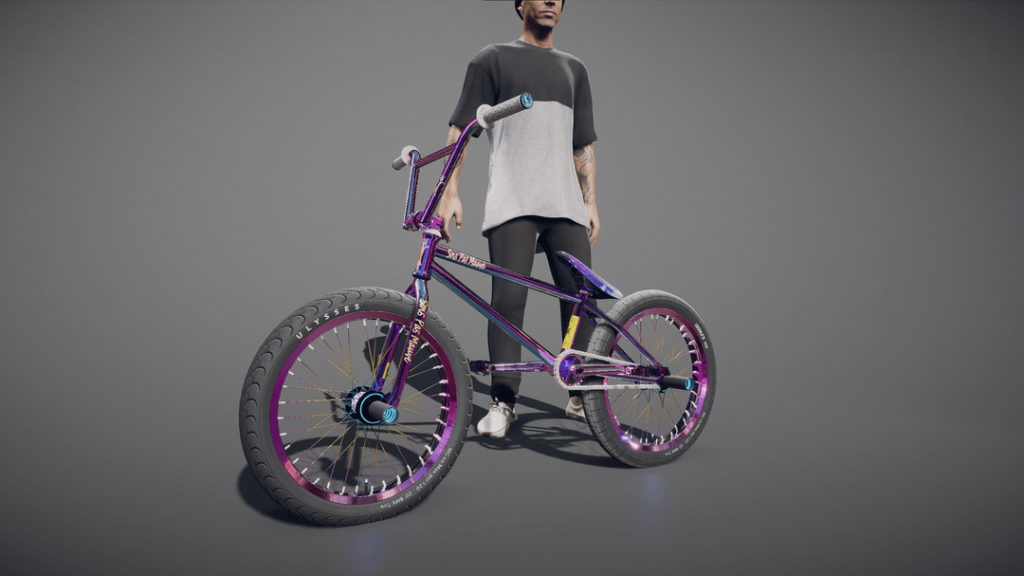
Are you tired of buying BMX bike parts that don’t last or feel cheap? Knowing how to spot fake BMX bike parts can save you money, frustration, and even keep you safe while riding.
Fake parts might look real at first glance, but they often break down quickly or don’t perform as expected. You’ll learn simple, clear tips to help you spot the difference between genuine and fake BMX parts. Keep reading to protect your bike and ride with confidence every time.
Signs Of Counterfeit Bmx Parts
Fake BMX parts can look real at first glance. Spotting them saves money and keeps you safe. Many counterfeits have small but clear signs. Knowing these signs helps you avoid poor quality parts. Genuine parts have consistent quality and markings. Fake ones often have mistakes and cheap finishes. Here are the key signs to watch for.
Unusual Weight And Material Quality
Fake BMX parts often feel lighter or heavier than real ones. The materials may feel cheap or brittle. Genuine parts use strong metals and quality plastics. Check the part’s weight by comparing it with an original if possible. Poor material quality can cause parts to break easily.
Incorrect Or Missing Logos And Markings
Look closely at logos and brand names. Fake parts usually have wrong fonts, spelling errors, or missing logos. Genuine parts have sharp, clear, and consistent branding. Blurry or uneven printing is a red flag. Some counterfeits use stickers that peel off quickly.
Poor Fit And Finish
Fake BMX parts often have rough edges or uneven surfaces. Welds, screws, and bolts may look sloppy or misaligned. Genuine parts fit perfectly and feel smooth. Try assembling the part on your bike to check alignment. Poor finish can affect performance and safety.
Unusual Price And Seller Reputation
Prices too low can indicate fake parts. Genuine BMX parts have set price ranges across dealers. Check the seller’s reviews and ratings before buying. Unknown sellers or no return policy are warning signs. Trust only verified sellers to avoid counterfeits.
Packaging Differences
Original BMX parts come in quality packaging with clear labels. Fake parts might have damaged or missing packaging. Look for spelling mistakes and low-quality print on the box. Genuine packaging often includes manuals or warranty cards. Missing details suggest counterfeit products.
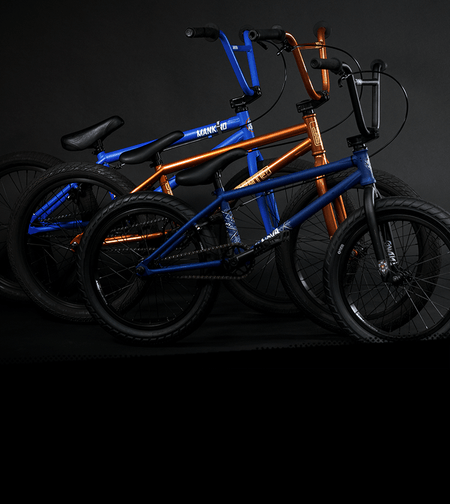
Credit: www.sourcebmx.com
Common Fake Bmx Components
Fake BMX components can seriously affect your bike’s performance and safety. Knowing which parts are often counterfeited helps you avoid costly mistakes. Let’s break down some common fake BMX components you should watch out for.
Frames And Forks
Frames and forks are the foundation of your BMX bike, but they’re also prime targets for counterfeiters. Fake frames often use cheap materials that feel lighter or look too glossy compared to genuine ones.
Check weld quality closely—uneven or sloppy welds are a red flag. Also, authentic frames usually have consistent branding marks, serial numbers, and stickers that counterfeiters struggle to replicate perfectly.
Have you ever noticed a frame that flexes oddly or sounds hollow when tapped? That’s a clear sign it might be fake or low quality.
Handlebars And Stems
Handlebars and stems affect control and comfort, so fakes can compromise your ride and safety. Fake bars often feel flimsy or have inconsistent tube thickness.
Look for branding details like logos and model numbers etched or printed clearly. If the paint job looks rushed or the clamp area has rough edges, be suspicious.
Remember, real stems have precise clamp bolts and smooth finishes. If your stem wiggles or the bolts strip easily, it might be a fake.
Wheels And Tires
Wheels and tires are frequently forged because they’re expensive to replace. Fake wheels often use poor-quality spokes and rims that bend easily under pressure.
Check the tire tread pattern and sidewall markings carefully. Genuine tires usually have detailed labels with size, pressure, and brand info that counterfeit tires omit or print badly.
Have you ever felt your wheel wobble or noticed tires wearing out too fast? These issues often point to fake parts.
Brakes And Cables
Brakes and cables are critical for your safety, yet cheap fakes can look very convincing. Fake brake calipers might squeal or fail to grip properly due to inferior materials.
Inspect the brake cable for smooth movement and check for any rust or fraying. Genuine cables glide easily without catching.
Ask yourself: does your brake lever feel spongy or unresponsive? It could mean the components are not authentic or of poor quality.
Analyzing Manufacturer Details
Checking the manufacturer details is one of the clearest ways to tell if BMX bike parts are genuine or fake. Counterfeit parts often miss the small but important marks that legit products carry. Paying attention to these details can save you from buying low-quality parts that may fail or cause safety issues.
Serial Numbers And Logos
Every authentic BMX part usually has a serial number etched or stamped on it. These numbers are unique and traceable back to the manufacturer. If the serial number is missing, looks poorly engraved, or is just a sticker that peels off easily, that’s a red flag.
Logos are another key marker. Genuine logos have crisp, clear lines and consistent fonts. If you notice blurry prints, uneven spacing, or colors that seem off, the part could be fake. Have you ever held a bike part and felt the logo looked “off” but couldn’t pinpoint why? That’s often the moment you spot a fake.
Packaging And Manuals
Packaging can tell you a lot about authenticity. Legitimate BMX parts come in sturdy boxes with high-quality printing. The text should be free of spelling mistakes and aligned properly. If the packaging feels flimsy or the graphics look pixelated, be cautious.
Inside the box, manuals and warranty cards are usually included. These documents have detailed instructions and the manufacturer’s contact information. Fake parts often skip this or provide poorly translated manuals that don’t make sense.
When you buy parts, ask yourself: Does the packaging and paperwork feel professional and complete? If not, it might be worth digging deeper before you spend your money.
Quality And Craftsmanship Indicators
Quality and craftsmanship reveal much about a BMX bike part’s authenticity. Genuine parts show precise work and strong materials. Fakes often lack the detail and care in build. Spotting these signs helps avoid poor performance and safety issues.
Material And Finish
Real BMX parts use high-grade metals or durable plastics. The surface feels smooth and consistent. Look for even paint or coating without bubbles or drips. Fake parts might have rough edges or uneven coloring. Authentic parts often have clear logos or stamps that do not fade easily.
Weight And Balance
True BMX components have a solid, balanced feel. They are not too heavy or too light for their type. Fakes sometimes use cheap materials that change weight. Hold the part and check if it feels sturdy and well-made. Poor balance can affect bike control and rider safety.
Price Discrepancies And Deals
Price discrepancies and deals can be one of the clearest signs that BMX bike parts might be fake. If a part is sold for much less than what you usually see, it’s worth pausing before you buy. Scammers often lure buyers with unbelievably low prices, but these deals can lead to poor quality or unsafe parts.
Comparing Prices Across Trusted Retailers
Check prices on multiple trusted websites before making a purchase. If one seller’s price is significantly lower than others, that’s a red flag. Genuine BMX parts tend to have consistent pricing because of brand standards and manufacturing costs.
I once spotted a set of BMX pedals priced at half the usual rate on a lesser-known site. Curious, I compared them to official stores and found the quality reviews were poor. That experience taught me to always double-check prices and seller reputation.
Beware Of “too Good To Be True” Deals
Deals that look amazing might hide a catch. If the price is suspiciously low, ask yourself why. Genuine sellers rarely offer huge discounts on new BMX parts, especially on popular or high-end items.
Instead of rushing in, consider the return policy and warranty offered. Fake parts often come with limited or no warranty, and sellers might avoid answering detailed questions about the product.
Spotting Bulk Or Clearance Sales
Bulk sales or clearance offers can sometimes include fake or outdated parts. Be cautious if a seller is clearing out many BMX parts at once with deep discounts. It’s often a sign they want to get rid of low-quality or counterfeit inventory quickly.
If you find a bulk deal, try to verify each part’s authenticity individually. Don’t assume all parts in a clearance batch are genuine just because the price is right.
Trusted Retailers And Sources
Knowing where you buy your BMX bike parts can save you from costly mistakes. Trusted retailers and sources are your best defense against fake components. They offer genuine products and reliable guarantees that protect your investment.
Authorized Dealers
Authorized dealers work directly with BMX brands. They receive parts straight from the manufacturers, ensuring authenticity. When you buy from them, you can check warranties and get expert advice tailored to your bike.
Have you ever noticed how some bike shops proudly display certificates or brand logos? That’s a clear sign they’re authorized. Don’t hesitate to ask for proof of authorization before making a purchase—it’s your right as a customer.
Reputable Online Platforms
Online shopping for BMX parts is convenient but risky without the right platform. Stick to well-known websites with positive reviews and secure payment methods. Platforms like Chain Reaction Cycles and Jenson USA are popular among riders for their genuine stock and customer service.
Look for detailed product descriptions and clear return policies. If a deal sounds too good to be true, it probably is. Have you checked how other buyers rate the seller or product? That insight can protect you from counterfeit parts.
Comparing With Genuine Products
Comparing fake BMX bike parts with genuine ones helps spot key differences. Genuine parts have specific features that fakes often miss. Careful comparison reveals details in design, material, and finish. This process ensures you buy authentic, reliable components.
Side-by-side Visual Comparison
Place the suspected part next to a genuine one. Check for differences in color, texture, and weight. Genuine parts usually have sharp, clear logos and markings. Fake parts may show blurry prints or missing labels.
- Look at welds and joints; genuine parts have smooth finishes.
- Check bolt holes and threads for precise machining.
- Notice any unusual smells from cheap materials.
Use a magnifying glass to examine tiny details. Small inconsistencies often indicate fake parts.
Performance Testing
Test the parts under real riding conditions. Genuine parts perform smoothly and withstand pressure. Fake parts may cause noises or feel loose.
- Check how the part fits with other components.
- Observe any unusual wear or damage after short use.
- Test moving parts for smooth rotation and control.
Performance tests reveal durability and build quality. Poor results suggest counterfeit parts.
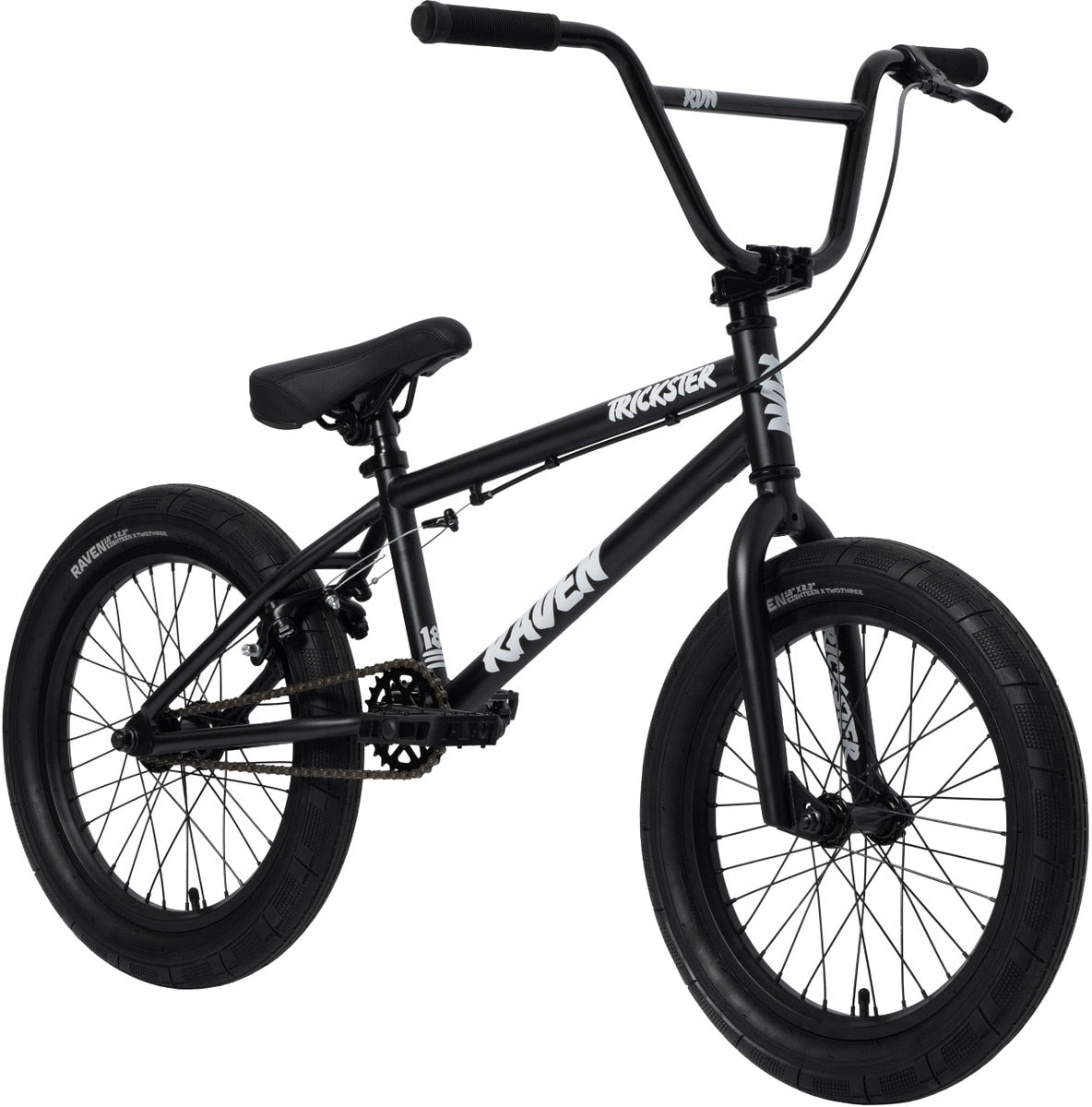
Credit: www.luxbmx.com
Seeking Expert Opinions
Seeking expert opinions can save you from buying fake BMX bike parts. Experts spot details that most people miss. Their advice helps you make safe purchases.
Experts have hands-on experience with BMX parts. They know what real parts look like and how they feel. Trusting their knowledge reduces the risk of fraud.
Consulting Bmx Enthusiasts
BMX enthusiasts often share tips on spotting fake parts. They spend time riding and fixing bikes. Their experience helps identify subtle differences in parts.
Join BMX forums or local groups to ask questions. Enthusiasts often post photos comparing genuine and fake parts. Their input is honest and practical.
Professional Mechanics
Professional mechanics repair BMX bikes daily. They can quickly spot counterfeit parts by checking material and craftsmanship. Mechanics also test parts for durability and fit.
Visit a trusted bike shop and ask a mechanic to inspect parts. They can point out signs of poor quality or wrong branding. Their opinion is valuable for safe buying.
Legal Implications Of Buying Fakes
Buying fake BMX bike parts might seem like a quick way to save money, but it can lead to serious legal problems. Counterfeit goods are illegal in many countries, and purchasing or selling them can put you at risk. Understanding these legal implications helps you make safer choices for your bike and your wallet.
Understanding Trademark And Copyright Laws
Most BMX parts are protected by trademark and copyright laws. These laws prevent others from making, selling, or distributing fake versions. If you buy fake parts knowingly, you could be accused of trademark infringement, which carries fines or even criminal charges.
Imagine buying a fake BMX frame that looks real but violates these laws. You might end up with parts confiscated by customs or face legal action from the brand owners. Is saving a few bucks worth risking your reputation or facing a lawsuit?
Consequences For Sellers And Buyers
Sellers of fake BMX parts face harsher penalties, including heavy fines and jail time. But buyers are not always safe either. In some cases, authorities can seize fake parts and penalize the buyer if they knew or should have known the parts were counterfeit.
Think about this: if you sell a fake BMX part online, you could be banned from platforms or face legal claims. Even if you just buy and use fake parts, you might void warranties or lose insurance coverage. These risks can cost far more than buying genuine parts.
How Authorities Track And Enforce Laws
Law enforcement uses advanced tools to track counterfeit BMX parts. They monitor online marketplaces, inspect shipments, and work with brands to identify fakes. Customs officials often seize fake goods at borders, especially if they are shipped in bulk.
Have you checked how reliable your seller is? Buying from unknown sources increases the chances of getting caught up in illegal trade. Staying informed about official dealers and serial numbers can help you avoid problems before they start.
Protecting Yourself Legally
- Buy from authorized dealers or reputable sources only.
- Ask for proof of authenticity or serial numbers.
- Check product reviews and brand websites for warnings about fakes.
- Avoid deals that seem too good to be true.
- Report suspicious sellers to the brand or authorities.
Taking these steps protects you from legal trouble and keeps your BMX safe. Would you rather face a legal headache or enjoy your ride worry-free?
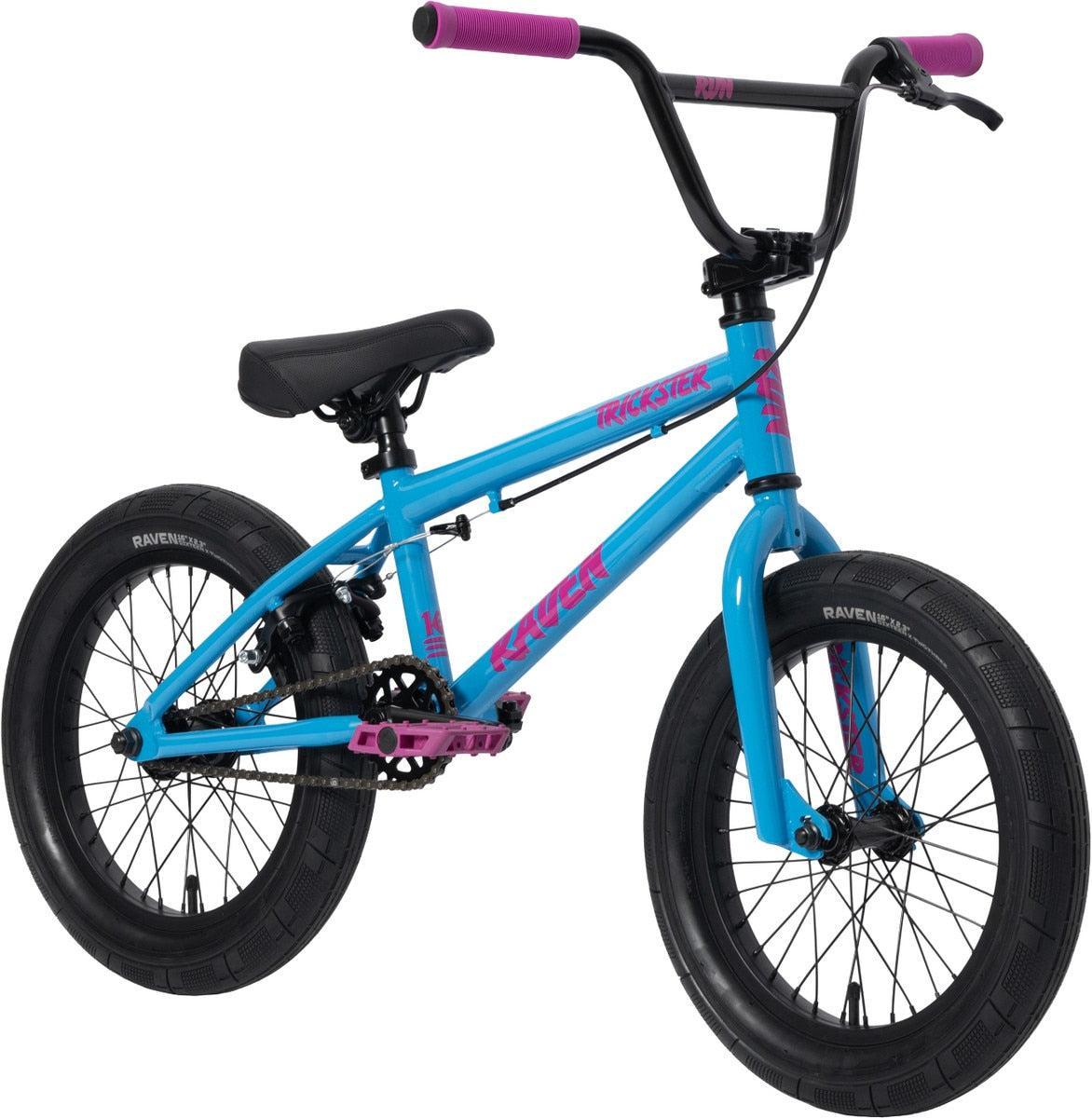
Credit: www.luxbmx.com
Frequently Asked Questions
How Can I Identify Fake Bmx Bike Parts Easily?
Check for poor craftsmanship, misspelled logos, and inconsistent colors. Authentic parts have precise details and quality finishes. Comparing with genuine parts helps spot fakes quickly.
What Are Common Signs Of Counterfeit Bmx Components?
Look for cheap materials, uneven welds, and incorrect branding. Fake parts often lack serial numbers or certifications found on originals.
Why Is It Risky To Use Fake Bmx Bike Parts?
Counterfeit parts can fail unexpectedly, causing accidents or injuries. They usually wear out faster and don’t meet safety standards.
Where Can I Buy Authentic Bmx Bike Parts Safely?
Purchase from official dealers, trusted bike shops, or reputable online stores. Verify seller reviews and warranty policies before buying.
Conclusion
Spotting fake BMX bike parts protects your safety and bike performance. Check details like logos, weight, and price carefully. Trust your instincts when something feels off. Buying from trusted sellers reduces risk greatly. Take your time to inspect parts before buying.
A genuine part lasts longer and works better. Stay informed and bike with confidence every ride.



