
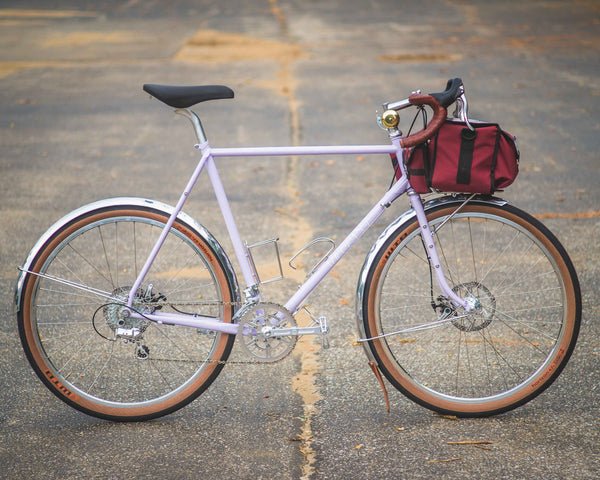
Are you tired of getting splashed by mud and water every time you ride your commuter bike? Setting up fenders is the simple fix you need to keep yourself dry and your clothes clean.
But if you’ve never installed fenders before, it might seem tricky or confusing. Don’t worry—this guide will walk you through each step, making the process easy and stress-free. By the end, you’ll know exactly how to fit fenders that protect you no matter the weather.
Ready to upgrade your ride? Let’s dive in.
Choosing The Right Fenders
Fenders come in different typesto suit various bike styles and needs. Full coverage fenders protect from most water and mud. Shorter fenders offer less protection but are lighter and easier to install. Choose based on your typical riding conditions.
| Material | Pros | Cons |
|---|---|---|
| Plastic | Lightweight, affordable, rust-proof | Less durable, can crack |
| Metal (aluminum or steel) | Strong, long-lasting, classic look | Heavier, may rust without coating |
Size matters for coverage. Wider fenders protect better from splashes. Length should cover most of the wheel but not hit the ground. Measure your tire width before choosing.

Credit: www.reddit.com
Tools And Materials Needed
Setting up fenders on a commuter bike needs the right tools and materials. Essential tools include a set of Allen wrenches, a screwdriver, and an adjustable wrench. These help tighten bolts and screws securely.
Other useful tools are pliersfor gripping and a measuring tapeto ensure fenders fit correctly. A clean clothhelps keep parts clean during installation.
Additional accessories improve the setup. These include rubber washersto reduce vibration and mounting bracketsfor stable fitting. Zip tiescan secure loose cables or parts.
- Allen wrenches
- Screwdriver
- Adjustable wrench
- Pliers
- Measuring tape
- Clean cloth
- Rubber washers
- Mounting brackets
- Zip ties
Preparing Your Bike
Start by cleaning the bike frame thoroughly. Dirt and grease can stop the fenders from fitting well. Use a soft cloth and mild soap with water to clean all areas where the fenders will attach. Dry the frame completely before moving on.
Check the bike for mounting points carefully. These are small holes or brackets on the frame and fork. They hold the screws or bolts for the fenders. Make sure these points are not damaged or rusted. If your bike lacks mounting points, some fenders use clamps or straps instead.
| Mounting Point Location | Description |
|---|---|
| Rear Dropouts | Near the back wheel axle, holds rear fender |
| Fork Crown | Above the front wheel, supports front fender |
| Seat Stay Bridges | Between the rear frame tubes, adds stability |
| Chain Stay Bridges | Below the seat stays, helps with rear fender fit |

Credit: www.reddit.com
Installing Rear Fender
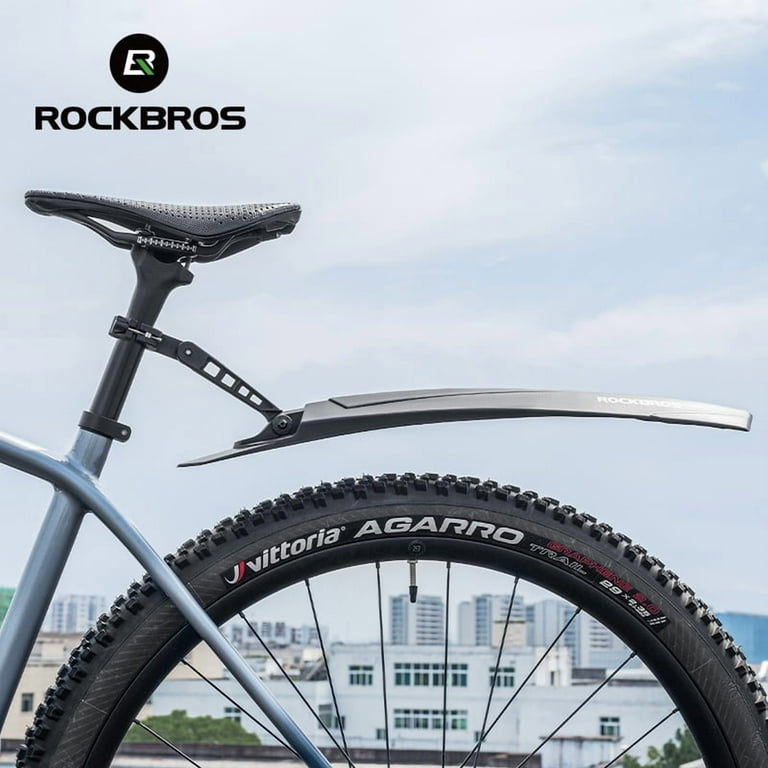
Place the rear fender close to the tire. Check that it runs straight and covers the tire well. Align it so water and mud splash get blocked.
Attach the mounting brackets tightly to the bike frame. Use the screws or bolts that came with the fender. Make sure the brackets hold the fender firmly and do not move.
Adjust the fender position to avoid rubbing on the tire. Leave a small gap between the fender and tire for smooth spinning. Check the fender stays steady when the bike moves.
Installing Front Fender
Attach the front fender to the fork using the mounting bolt. Adjust the fender so it sits evenly above the tire. Tighten all bolts securely to prevent movement during rides.
Positioning The Fender
Place the fender above the front wheel. Make sure it aligns well. Check that both sides are equal. This helps in even coverage from mud and water. Use your hand to hold it steady.Attaching To Fork
Find the holes on the bike fork. Insert the fender bolts through these holes. Tighten the bolts with a wrench. The fender should stay firmly attached. Avoid over-tightening to prevent damage.Ensuring Clearance
Spin the front wheel. Check if the fender touches the tire. Adjust if there is any contact. Leave a small gap for smooth rotation. Make sure the fender is secure. This avoids noise and wear. `Fine-tuning And Adjustments
Check the space between the fender and the tire. There should be enough clearance to avoid rubbing. Make sure the fender does not touch the tire at any point. Adjust the fender height or position if needed. This helps prevent damage and keeps the ride smooth.
Use the right tool to tighten all bolts firmly. Bolts hold the fender in place and keep it stable. Do not overtighten, as this can strip the threads or damage parts. Tighten bolts evenly to maintain fender alignment.
- Push the bike gently side to side to test stability.
- Check if the fender moves or wobbles during the test.
- Re-tighten bolts if the fender feels loose.
- Spin the wheels to ensure no rubbing occurs.
- Make small adjustments for a quiet and safe ride.
Maintenance Tips
Attach fenders close to the bike frame to prevent splashes while riding. Adjust the height and angle for full wheel coverage and secure all bolts tightly. Check alignment regularly to avoid rubbing against tires or brakes.
Cleaning Fenders Regularly
Fenders help keep the bike clean. Dirt can make them wear out. Clean them with water and a soft cloth. This stops dirt from sticking. Regular cleaning makes them last longer. Use soap if they are very dirty. Dry them well after cleaning.
Inspecting For Damage
Check fenders often for cracks or bends. Broken fenders can’t protect well. Look at the bolts and screws. They should be tight. Loose parts can fall off. Inspecting fenders keeps your bike safe.
Replacing Worn Parts
Sometimes parts get old and need changing. Replace worn parts quickly. New parts help your fenders work well. Check the rubber and plastic pieces. They wear out first. Keep extra parts at home. This way, you can fix things fast.
Credit: www.walmart.com
Frequently Asked Questions
How Do I Choose The Right Fenders For My Commuter Bike?
Select fenders that fit your bike’s wheel size and tire width. Consider material, coverage, and mounting style for durability and protection.
What Tools Do I Need To Install Commuter Bike Fenders?
You’ll need a wrench, screwdriver, Allen keys, and possibly a drill. These tools help secure fenders tightly and correctly on your bike.
Can I Install Fenders On Any Commuter Bike Frame?
Most commuter bike frames support fenders if they have eyelets or enough clearance. Check frame specs and fork design before buying fenders.
How Do I Adjust Fender Alignment For Optimal Protection?
Align fenders close to tires without rubbing. Adjust brackets and stays to ensure full coverage and prevent mud or water splashes.
Conclusion
Setting up fenders on your commuter bike keeps you dry and clean. It protects your clothes from mud and water splashes. The process is simple and saves you from discomfort during rides. Choose the right fenders that fit your bike well.
Tighten all screws and check for proper alignment. Regular maintenance helps fenders last longer and work better. Enjoy riding in any weather without worrying about dirt. A small effort brings big comfort on your daily commute.



