
Getting your touring bike ready for long-distance rides can feel overwhelming. You want to be comfortable, safe, and prepared for anything the road throws at you.
But where do you start? How do you make sure your bike fits you perfectly and carries all your gear without slowing you down? This guide will walk you through the essential steps to set up your touring bike just right.
By the end, you’ll feel confident and excited to hit the road, knowing your bike is ready to support every mile of your adventure. Keep reading to discover the simple adjustments and smart choices that make all the difference.
Choosing The Right Touring Bike
Frame materialaffects weight and comfort. Steel is strong and easy to fix. Aluminum is light but less comfy. Titanium is light and smooth but expensive. The bike’s geometryshould support long rides. A relaxed frame angle helps comfort and control. Look for a frame that fits your body well.
Wheel sizeimpacts speed and stability. Most touring bikes use 26 or 700c wheels. Smaller wheels are tough and good on rough roads. Larger wheels roll faster on smooth paths. Tires need to be wide for comfort and grip. Choose tires that resist punctures and match your route.
Gearing options matter for hills and loads. More gears help climb steep roads easily. Lower gears reduce effort when carrying heavy bags. Consider a bike with a wide gear range. Simple gear systems are easier to fix on the road.

Credit: www.youtube.com
Essential Components And Accessories
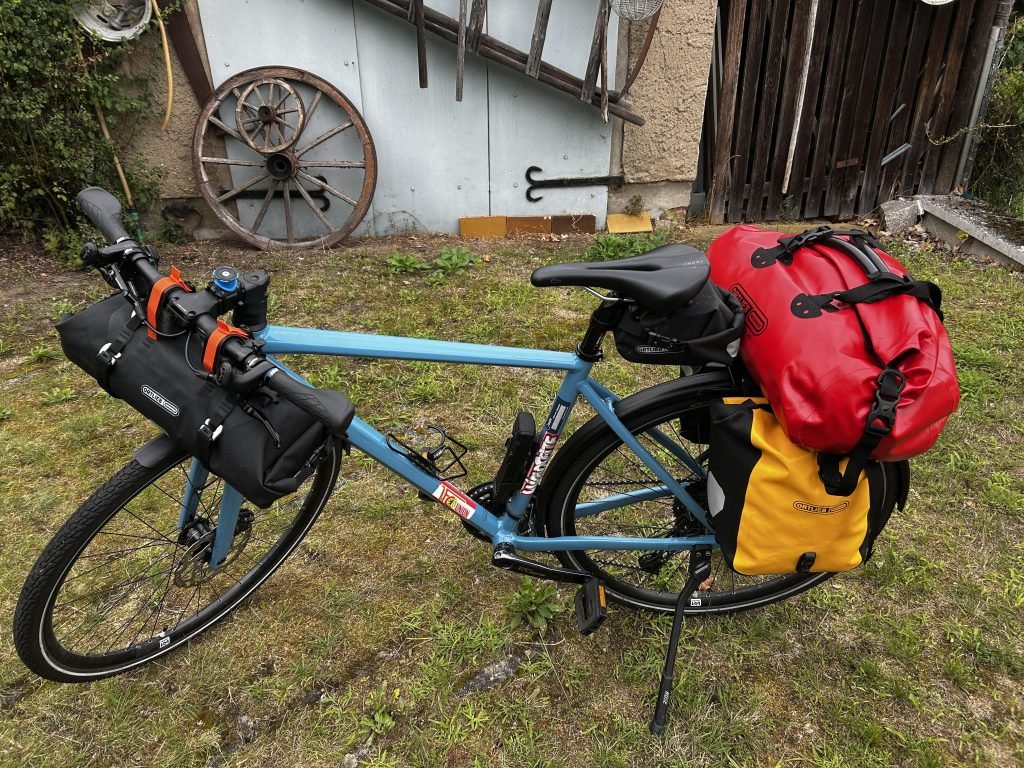
Racks and panniershelp carry your gear safely. Choose sturdy racks that fit your bike. Panniers must be waterproof and large enough for clothes and tools. Balance weight on both sides for easier riding.
Handlebars and gripsaffect comfort and control. Drop bars offer many hand positions, good for long rides. Flat bars give better control on rough roads. Soft grips reduce hand fatigue and prevent slipping.
Lighting and visibilitykeep you safe, especially at night or in fog. Use bright front and rear lights. Reflective tape or stickers on your bike and bags increase visibility. Wear bright or reflective clothing for extra safety.
Setting Up The Drivetrain
Choose a chainand cassettethat fit your bike and riding style. A wider range cassette helps with hills and long rides. Chains must match the number of gears on your bike.
Derailleursguide the chain across gears. Front derailleurs move the chain on the front rings. Rear derailleurs shift the chain on the cassette. Use shiftersthat feel easy and smooth to change gears. Test them before long trips.
Keep the drivetrain clean and well-lubricated. Dirt and rust cause bad shifting and wear parts fast. Regularly check for chain stretch and replace the chain if needed. Tighten bolts and adjust derailleur limits often to avoid chain drops and skipping gears.

Credit: www.reddit.com
Optimizing Comfort And Fit
Choosing the right saddleis key for long rides. Pick one that feels soft but firm. Test different shapes to find comfort. A saddle that fits your sit bones reduces pain and numbness.
Adjusting seat heighthelps avoid knee strain. Sit on the bike and place your heel on the pedal. Your leg should be almost straight at the lowest pedal point. This setting improves pedaling power and comfort.
Handlebar height and reachaffect your riding posture. Set handlebars so your back is slightly bent but relaxed. Too low causes back pain, too high limits control. Reach should allow a slight bend in elbows for better handling.
Packing And Weight Distribution
Balancing load on panniers is key for safe riding. Put heavier items in the bottom or closer to the bike frame. This keeps the center of gravity low and steady. Avoid putting too much weight on one side to stop wobbling.
Frame bags fit inside the bike frame triangle. Use them for tools and small items. Handlebar bags are great for things you need fast, like snacks or maps. Both help keep weight near the bike’s center.
Minimizing excess weight makes long rides easier. Only pack what you really need. Choose lightweight gear and clothes. Every extra pound makes a difference after many miles.
Safety And Emergency Gear
It’s essential to carry a repair kiton a touring bike. Include spare tubes, tire levers, and a patch kit. A compact multi-toolwith Allen wrenches, screwdrivers, and a chain breaker is crucial. These tools help fix common bike issues.
A small first aid kitis vital for long rides. It should have band-aids, antiseptic wipes, and pain relievers. Tweezers and gauze are also important. Being prepared keeps you safe on the road.
A reliable GPS devicehelps with directions. A smartphone with offline maps is useful. Bring a power bank to keep devices charged. A whistle can help in emergencies. Communication keeps you safe and connected.
Test Rides And Adjustments
Start by loading your bike with all your gear. This helps you feel how it handles. Make sure to pack evenly. A balanced load is key. Take your bike on a short ride. Notice any wobbles or discomfort. Adjust your seat and handlebars if needed. A proper fit keeps you comfortable. Keep your ride short at first. Gradually increase your distance over time. This builds your confidence and strength.
Check your bike’s brakes and gears. They should work smoothly. Adjust them if they feel off. Look at your tires. They should be firm and have good tread. Pump them up if they feel soft. Inspect your chain. It should be clean and well-oiled. A smooth chain helps you pedal easily. Make small changes and test again. This helps you find the perfect setup.
Keep an eye on your bike’s parts. Listen for strange noises. They can signal a problem. Check your bike after each ride. Tighten any loose bolts. Look for signs of wear. Replace parts when needed. This keeps your bike in top shape. A well-maintained bike is safer and more fun to ride.

Credit: www.reddit.com
Frequently Asked Questions
How Do I Choose The Right Touring Bike For Long Distance?
Selecting the right touring bike depends on comfort, frame durability, and gear range. Look for steel or aluminum frames for strength. Ensure the bike has multiple gears to handle varied terrains. Comfort in riding position is crucial for long rides.
What Essential Gear Should I Install On My Touring Bike?
Install racks, panniers, and fenders for carrying gear and protecting against mud. Use lights and reflective tape for visibility. Comfortable saddles and ergonomic handlebars reduce fatigue. A reliable bike lock and repair kit are also vital.
How Can I Adjust My Touring Bike For Better Comfort?
Adjust saddle height and angle to prevent pain. Set handlebar height and reach to maintain a natural posture. Use padded gloves and shorts for cushioning. Regularly check tire pressure to avoid unnecessary strain and improve ride quality.
What Maintenance Is Critical Before A Long-distance Tour?
Check brakes and gear shifting for smooth operation. Lubricate the chain and clean the drivetrain. Inspect tires for wear and proper inflation. Tighten all bolts and carry essential tools for on-the-road repairs.
Conclusion
Setting up a touring bike right makes long rides easier and safer. Choose strong tires and comfortable seats for better comfort. Pack your bike with balanced weight to avoid problems on the road. Check brakes and gears often to keep everything working well.
Small adjustments can make a big difference during your trip. Take time to prepare your bike before leaving. Enjoy your journey with confidence and peace of mind. Ready to explore the world on two wheels!



