
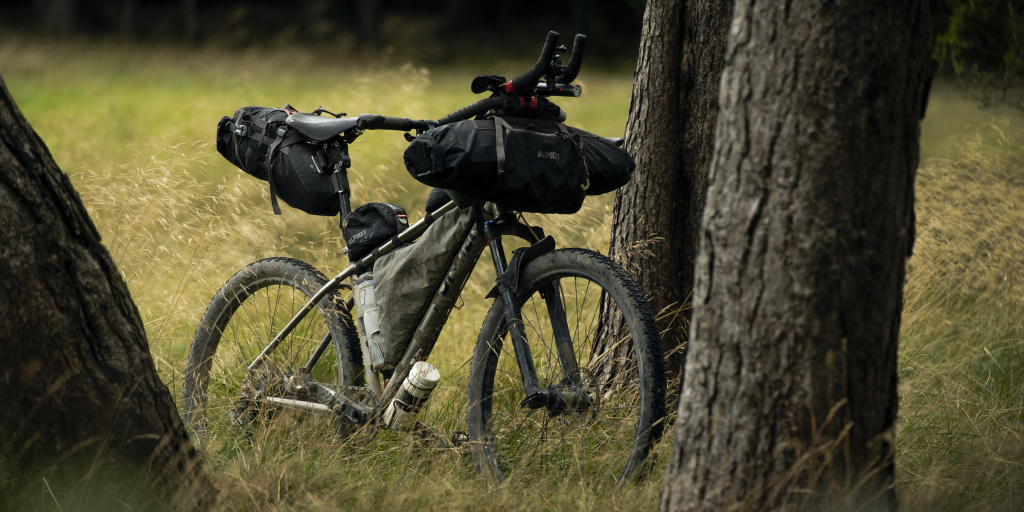
Choosing the right waterproof bag for your bikepacking trip can make all the difference between a smooth ride and a soggy disaster. You want your gear safe and dry, no matter how tough the weather gets.
But with so many options out there, how do you pick the perfect one for your needs? This guide will help you cut through the noise and find a waterproof bag that fits your bike, your style, and your adventure.
Keep reading to discover simple tips that will protect your gear and keep you riding with confidence.
Benefits Of Waterproof Bags
Waterproof bags are essential for bikepacking trips. They keep your gear safe from rain, mud, and wet conditions. Choosing the right bag helps you enjoy your ride without worry.
This guide explains the main benefits of using waterproof bags. Understanding these helps you pick the best bag for your needs.
Protecting Gear From Moisture
Waterproof bags stop water from reaching your equipment. This protection is vital for electronics, clothes, and food. Keeping these dry prevents damage and spoilage.
- Prevents water damage to electronics
- Keeps clothes dry and clean
- Protects food from moisture
- Reduces risk of mold and mildew
Enhancing Durability
Waterproof bags are made from strong materials. These resist tears and rough use on trails. A durable bag lasts longer and withstands harsh weather.
| Feature | Benefit |
| Tear-resistant fabric | Prevents rips and holes |
| Sealed seams | Stops water entry |
| Reinforced zippers | Enhances bag strength |
| UV protection | Prevents material fading |
Improving Comfort On The Trail
Waterproof bags can make your ride more comfortable. They keep your load balanced and dry. This reduces stress and fatigue during long trips.
- Even weight distribution
- Easy to pack and access items
- Less worry about wet gear
- Improved focus on riding
Types Of Waterproof Bags
Choosing the right waterproof bag can protect your gear from rain and water. Different bags suit different bikepacking needs. Understanding the types helps you pick the best one.
This guide covers dry bags, water-resistant backpacks, roll-top bags, and sealed zipper bags. Each type offers unique benefits for keeping your items dry on the road.
Dry Bags
Dry bags are made from tough, waterproof materials. They seal tightly to keep water out. These bags are great for storing clothes and electronics.
Dry bags usually use roll-top closures. They are lightweight and easy to carry. Most dry bags float if dropped in water.
Water-resistant Backpacks
Water-resistant backpacks offer some protection from rain. They use treated fabrics and sealed seams. These backpacks are good for light rain or splashes.
- Often have padded compartments
- Good for daily use and short rides
- Less heavy and bulky than fully waterproof bags
- Not fully waterproof in heavy rain
Roll-top Bags
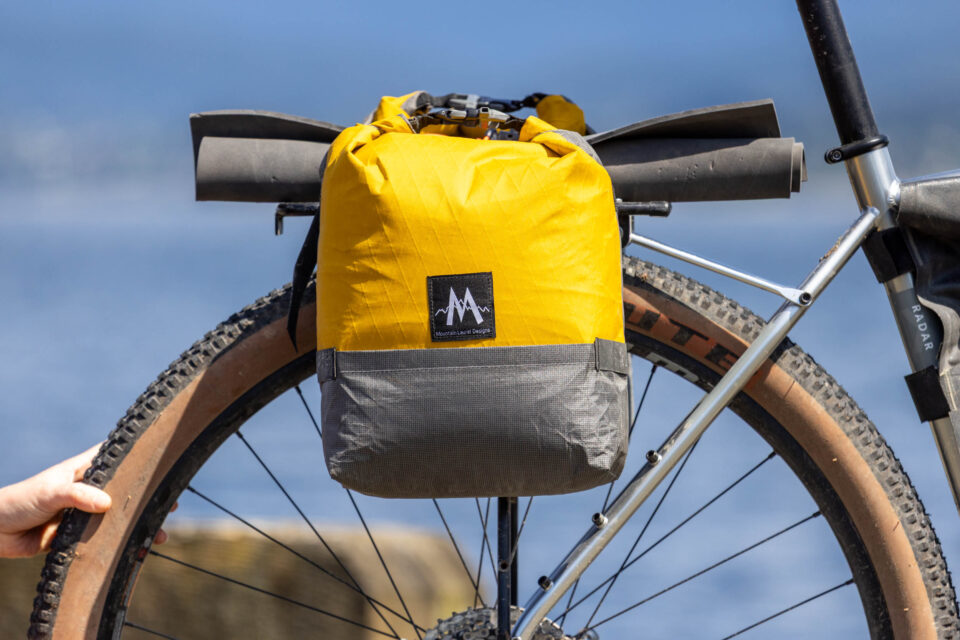
Roll-top bags seal by rolling the top edge down several times. This creates a tight waterproof closure. They are easy to open and close.
| Feature | Benefit |
| Roll-top closure | Keeps water out completely |
| Flexible size | Adjusts to the amount of gear inside |
| Durable material | Resists tears and abrasions |
Sealed Zipper Bags
Sealed zipper bags use special zippers that lock out water. They look like regular bags but offer strong protection. These bags are good for small items.
They are easy to use but can be heavier. Make sure to check the zipper quality when buying.
Key Features To Consider
Selecting the right waterproof bag is important for bikepacking trips. You need a bag that protects your gear from rain and dirt.
Focus on features that improve durability, ease of use, and comfort. This guide helps you pick the best bag for your needs.
Material Quality
Strong, waterproof materials keep your items dry and safe. Look for fabrics like PVC, TPU, or coated nylon.
Check for tear resistance and UV protection to ensure the bag lasts long in harsh conditions.
- PVC: Heavy but very waterproof
- TPU: Lightweight and flexible
- Coated Nylon: Durable and water-resistant
Closure Systems
Closure systems keep water out and make packing easier. Roll-top closures are common and reliable.
Look for secure buckles, waterproof zippers, or roll tops that seal tightly to protect your gear.
- Roll-top: Simple and very waterproof
- Waterproof Zippers: Easy access and good seal
- Buckles and Clips: Keep the bag tight and secure
Capacity And Size
Choose a bag size that fits your gear without being too big or small. Consider how long your trips usually are.
Check the volume in liters and make sure the bag fits your bike frame or rack.
- Small (5-10L): Good for short rides or essentials
- Medium (10-20L): Fits extra clothes and gear
- Large (20L+): For longer trips and bulky items
Weight And Bulk
Lightweight bags make riding easier and faster. Avoid heavy materials that add extra weight to your bike.
Bulk affects how your bike handles. Choose slim bags that do not block your movement or balance.
- Lightweight fabrics reduce bike load
- Compact designs improve handling
- Thin profiles avoid interference with pedals
Attachment Options
Strong attachment points keep your bag secure during rides. Check for straps, clips, and mounts that fit your bike.
Adjustable straps let you customize the fit. Quick-release options help remove the bag fast when needed.
- Velcro straps for easy adjustment
- Quick-release buckles for fast removal
- Multiple attachment points for stability

Credit: bikepacking.com
Matching Bags To Bikepacking Needs
Choosing the right waterproof bags is important for bikepacking. Your choice depends on the trip length, terrain, and weather.
Picking bags that fit your needs keeps your gear safe and makes your trip easier.
Short Trips Vs. Long Expeditions
Short trips need smaller, lighter bags. You carry less gear and want quick access.
Long expeditions need bigger bags with more space. You must pack food, clothes, and tools for many days.
- Short trips: compact bags, easy to attach and remove
- Long expeditions: large capacity, durable materials
- Consider weight and packing style for each trip
Types Of Terrain
Rough terrain needs tough bags that can handle bumps and dirt. Smooth roads allow lighter, less rugged bags.
Choose bags that fit your bike frame and stay secure on uneven trails.
- Mountain trails: reinforced bags, extra straps
- Paved roads: lighter bags, fewer straps needed
- Mixed terrain: balanced durability and weight
Weather Conditions
Wet or rainy weather requires fully waterproof bags with sealed seams and closures.
Dry weather allows water-resistant bags that are lighter but may not protect in heavy rain.
- Heavy rain: roll-top waterproof bags, strong seals
- Light rain: water-resistant bags with covers
- Hot weather: breathable bags with some water protection
Testing Waterproof Performance
Choosing the right waterproof bag for bikepacking means checking how well it keeps water out. Testing waterproof performance helps you avoid soaked gear and bad trips.
Below are three ways to test a bag’s water resistance before buying or using it on the road.
Water Resistance Ratings
Manufacturers use ratings to show how much water a bag can handle. These ratings tell you the bag’s protection level.
| Rating | Description | Water Test |
| IPX4 | Resists splashes from any direction | Light rain, splashing water |
| IPX6 | Protected against powerful water jets | Heavy rain, strong spray |
| IPX7 | Waterproof up to 1 meter for 30 minutes | Temporary submersion |
| IPX8 | Waterproof beyond 1 meter depth | Longer submersion |
User Reviews And Feedback
Real users share how bags perform in wet conditions. Reviews reveal strengths and weaknesses not listed on tags.
- Look for comments about rain or water exposure
- Check if users tested the bag in heavy weather
- Notice if water leaked during long rides
- See if the bag dried quickly after wet use
- Find feedback on zippers and seams
Diy Waterproof Tests
You can try simple tests at home to check if a bag is truly waterproof. These tests help avoid surprises on your trip.
- Fill the bag with dry paper or cloth to detect leaks.
- Spray the outside with water or use a hose for 5 minutes.
- Check inside for any wet spots or dampness.
- Press on seams and zippers to see if water enters.
- Submerge the bag halfway in a tub for 1 minute if safe.
Credit: bikepacking.com
Maintenance And Care Tips
Proper care keeps your waterproof bags in good shape for bikepacking. Regular maintenance helps the bag last longer and stay effective.
Follow simple steps to clean, store, and repair your bags. This protects your gear and ensures your items stay dry.
Cleaning Techniques
Clean your waterproof bag after every trip. Remove dirt and mud with fresh water and a soft cloth. Avoid harsh chemicals that can damage the material.
- Rinse the bag gently with clean water
- Use mild soap for tough stains
- Wipe the surface with a soft brush or cloth
- Dry the bag completely before storing
Storage Recommendations
Store your waterproof bag in a cool, dry place away from direct sunlight. Avoid folding the bag tightly to prevent creases and material damage.
| Storage Tip | Why It Matters |
| Keep away from heat sources | Prevents material warping and weakening |
| Store dry and open | Stops mold and bad odors |
| Avoid sharp objects nearby | Reduces risk of accidental tears |
Repairing Minor Damage
Fix small tears or holes early to keep your bag waterproof. Use repair kits designed for waterproof fabrics. Clean the area before applying patches or glue.
Common repair tools include:
- Waterproof fabric patches
- Strong adhesive glue
- Seam sealant tape
- Cleaning wipes
Follow the instructions carefully for a lasting repair.
Budget Considerations
Choosing the right waterproof bag for bikepacking depends on your budget. You want a bag that fits your needs and lasts long.
Spending a little more can mean better materials and protection. It is important to find a balance between cost and quality.
Balancing Cost And Quality
Cheap bags may save money but might not hold up on long trips. Expensive bags often use strong materials and better seals.
Look for bags with good reviews and solid construction. Sometimes mid-priced bags offer the best value for bikepacking.
- Check the material strength and waterproof rating
- Consider how much space you need
- Think about how often you will use the bag
- Read user reviews for durability
Recommended Brands In Different Price Ranges
There are good waterproof bags at low, medium, and high prices. Choosing a brand helps you know what to expect.
| Price Range | Brand Examples | Key Features |
|---|---|---|
| Low ($) | OverBoard, Earth Pak | Basic waterproofing, good for short trips |
| Medium ($$) | Ortlieb, Sea to Summit | Strong materials, reliable seals, good size options |
| High ($$$) | Blackburn, Revelate Designs | Premium fabrics, heavy-duty waterproofing, extra features |
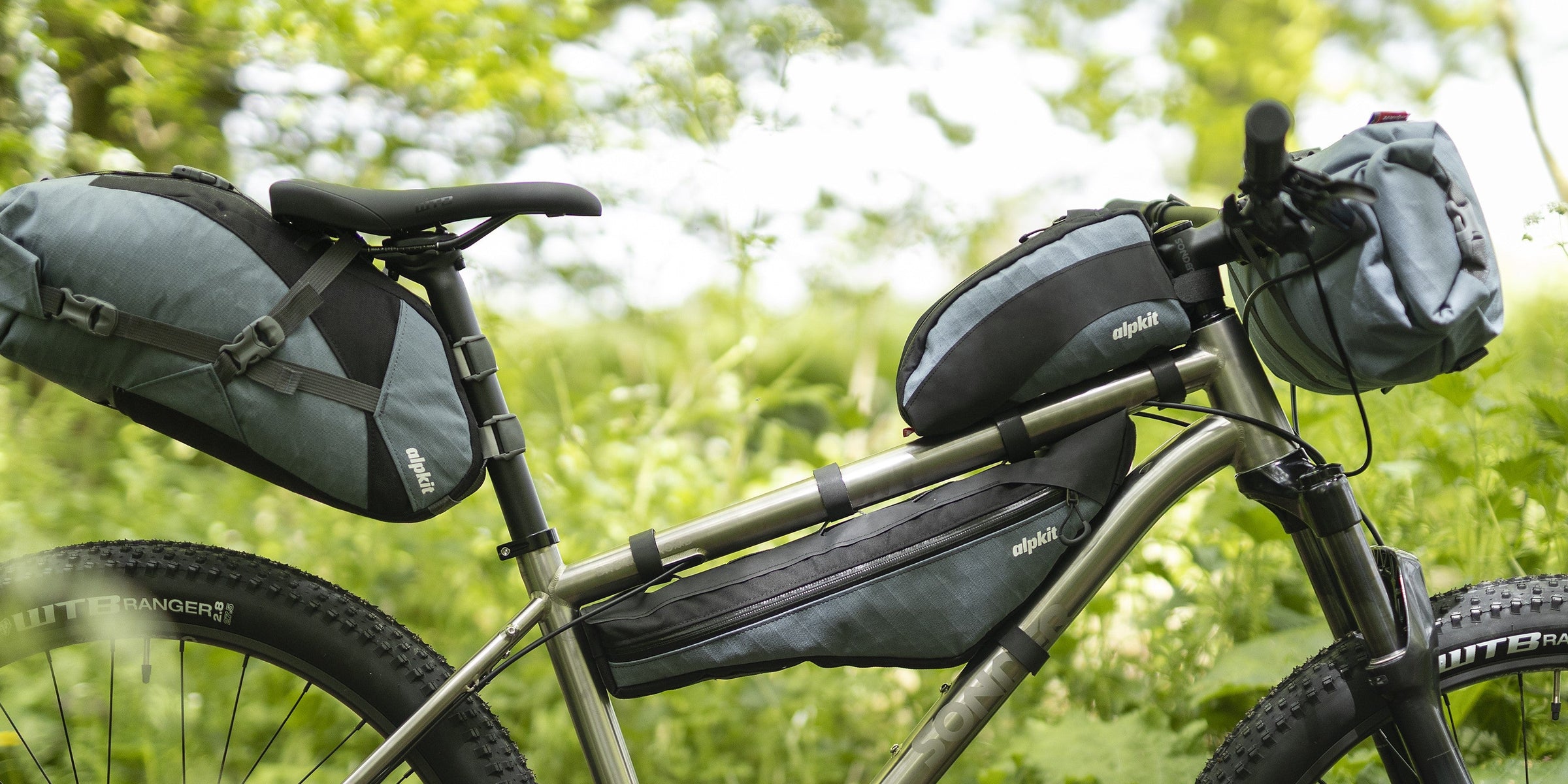
Pick a brand and price that fits your bikepacking style and budget. This helps avoid buying bags that do not last.
Credit: us.alpkit.com
Frequently Asked Questions
What Materials Make The Best Waterproof Bikepacking Bags?
The best waterproof bikepacking bags use TPU, vinyl, or coated nylon. These materials resist water while staying lightweight and durable. Quality seams and waterproof zippers also enhance water resistance. This ensures your gear stays dry during rainy rides or water crossings.
How To Choose The Right Size Waterproof Bag?
Select a bag size based on your trip length and gear amount. Smaller bags suit day trips; larger ones fit multi-day tours. Consider bag placement on your bike to balance weight and maintain stability. Proper sizing keeps your load secure and comfortable.
Are Roll-top Closures Better Than Zippers?
Roll-top closures offer superior waterproofing by sealing tightly without gaps. They prevent water entry even when submerged briefly. Zippers may leak under heavy rain or pressure. For bikepacking, roll-tops provide more reliable protection for your belongings.
Can Waterproof Bags Protect Against Mud And Dust?
Yes, waterproof bags also block mud and dust effectively. Their sealed seams and closures prevent dirt from entering. This keeps your gear clean and dry in rough terrain. Waterproof bags offer comprehensive protection beyond just water resistance.
Conclusion
Choosing the right waterproof bag is essential for bikepacking. It keeps your gear safe and dry. Always check for durability and weight. Lightweight bags make the ride easier. Consider the size for all your essentials. Look for bags with secure closures.
These prevent water leakage. Test the bag’s waterproof quality before buying. Reading reviews can help in decision-making. Trust brands known for quality. This ensures long-lasting performance. A good waterproof bag makes bikepacking enjoyable. Happy trails and safe travels!



