
Choosing the right triathlon bike can make a huge difference in your performance and comfort during races. But with so many options out there, finding the perfect fit for your body and riding style might feel overwhelming.
You want a bike that not only looks great but also helps you ride faster and longer without discomfort. In this guide, you’ll discover simple tips and key factors to consider when selecting a triathlon bike designed specifically for women.
Keep reading to unlock the secrets to boosting your speed and enjoying every mile of your triathlon journey.
Choosing The Right Frame Size
Picking the right frame size for a triathlon bike is key for women. A proper fit helps you ride comfortably and improve your performance.
A frame that fits well reduces the risk of injury and makes long rides easier. Let’s explore how to find the right size for you.
Measuring Your Body For Fit
Start by measuring your height and inseam length. These numbers help match you with the correct bike frame size.
Use a tape measure to get accurate results. Stand straight and measure from the floor to your crotch for inseam length.
- Measure your height without shoes
- Measure inseam from floor to crotch
- Record both numbers for bike size charts
Impact Of Frame Size On Performance
A frame that fits well helps you pedal efficiently and stay comfortable. A frame too big or small can cause pain and slow you down.
Good frame size improves your riding posture. It also helps with balance and control during a triathlon.
- Proper fit reduces fatigue
- Better power transfer to pedals
- Improves aerodynamics and speed
- Decreases risk of injury

Credit: www.youtube.com
Material Matters
Choosing the right material for a triathlon bike can affect performance and comfort. Women often look for frames that balance weight and strength well. Understanding the main materials helps in making a better choice.
This guide covers aluminum and carbon frames. It also explains how weight and durability play a role in your selection.
Aluminum Vs Carbon Frames
Aluminum frames are usually less expensive and strong. Carbon frames are lighter and offer better vibration absorption. Both have pros and cons for women triathletes.
- Aluminum:Affordable and durable, but heavier.
- Carbon:Lightweight and smooth ride, but costs more.
- Fit:Carbon frames can be shaped for better ergonomics.
- Maintenance:Aluminum is easier to repair if damaged.
Weight And Durability Considerations
| Material | Weight | Durability |
| Aluminum | Heavier (around 3.5 to 4.5 kg) | Very durable and resistant to dents |
| Carbon | Lighter (around 2.5 to 3.5 kg) | Strong but can crack under impact |
Women should pick a frame that feels stable and fits their riding style. A lighter bike helps during long rides, but durability is key for training and races.
Geometry And Comfort
Choosing the right triathlon bike for women depends a lot on geometry and comfort. The bike should fit well and feel comfortable during long rides.
A good fit helps improve performance and reduces fatigue. Understanding bike geometry helps find the right balance between speed and comfort.
Aerodynamic Vs Comfort Geometry
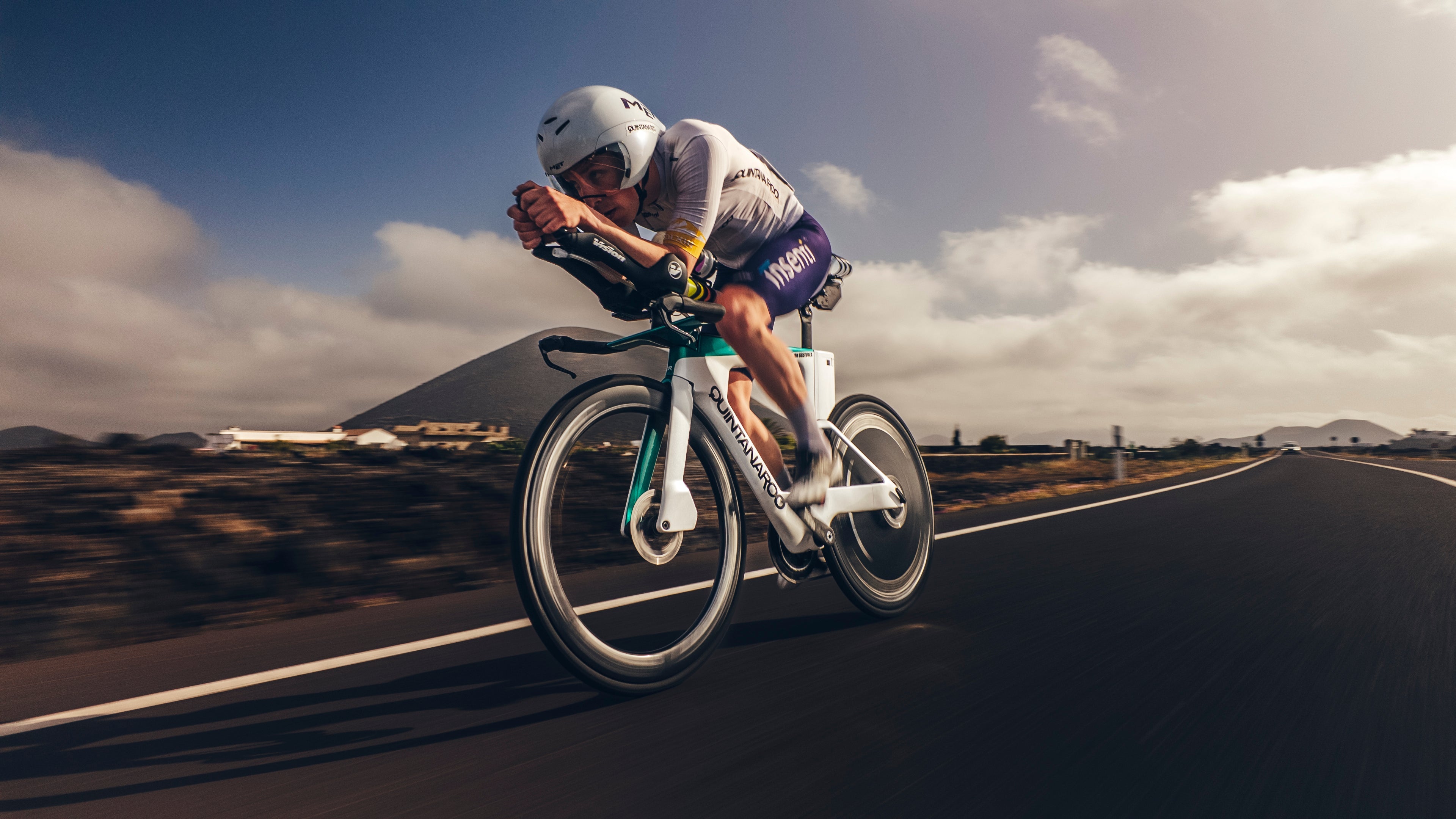
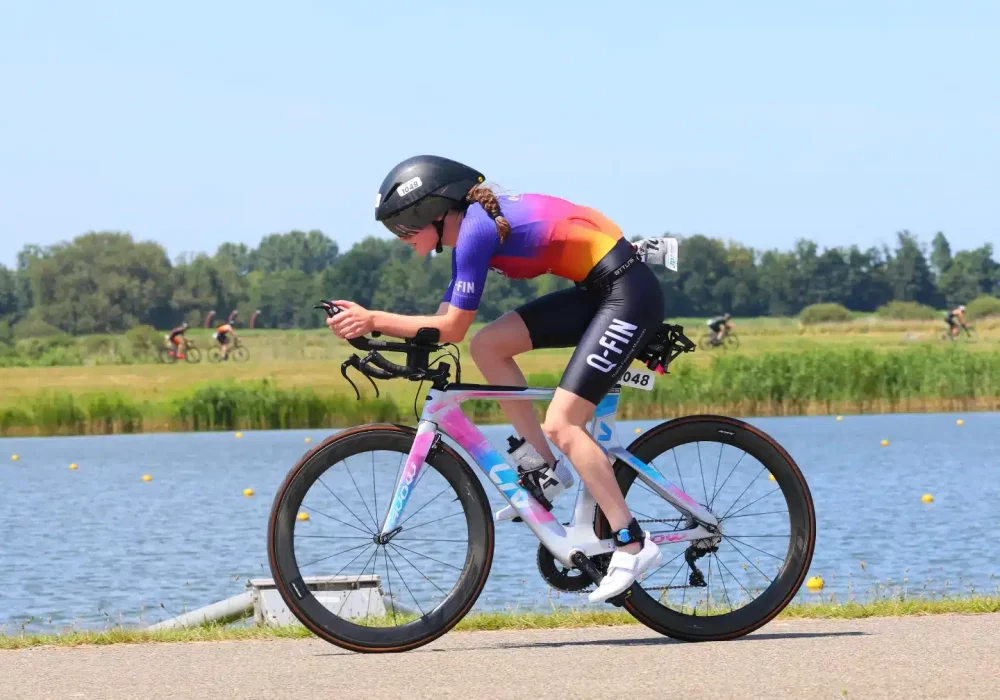
Aerodynamic geometry focuses on reducing wind resistance. It puts the rider in a lower, more forward position. This helps increase speed but can feel stiff for some riders.
Comfort geometry offers a more upright position. It reduces strain on the back and neck. This position is easier to hold for longer rides but may slow you down slightly.
- Aerodynamic geometry suits racers who want maximum speed
- Comfort geometry suits those who prioritize endurance and ease
- Some bikes balance both to offer a mix of speed and comfort
Adjusting Fit For Women’s Anatomy
Women’s bodies have different shapes than men’s, so bike fit needs special attention. Frame size, saddle shape, and handlebar position should match women’s anatomy.
Adjusting the fit reduces pressure on sensitive areas and improves control. A proper fit also helps avoid injuries and discomfort during rides.
- Choose a frame size that fits your height and torso length
- Use a saddle designed for women for better comfort
- Adjust handlebar height and reach to avoid strain
- Consider shorter cranks to match leg length
Credit: quintanarootri.com
Components And Features
Choosing the right triathlon bike for women depends on several important parts. Each part helps improve comfort and performance during the race.
Understanding bike components and features can guide you to pick a bike that fits your needs and style.
Choosing The Right Groupset
The groupset includes gears, brakes, and shifters. It controls how smoothly your bike rides and shifts.
Look for a groupset that offers reliable shifting and easy maintenance. Lighter groupsets can help you ride faster.
- Shimano and SRAM are popular brands
- Higher-end groupsets are lighter and more precise
- Lower-end groupsets are budget-friendly but less smooth
Brake Types And Gear Options
Triathlon bikes come with two brake types: rim brakes and disc brakes. Each type offers different stopping power.
Gear options affect how easily you climb hills or ride fast on flat roads. Choose gears that match your riding style.
- Rim brakes:lighter, easier to repair, less effective in rain
- Disc brakes:stronger stopping power, work well in all weather
- Gear options:more gears help with hills, fewer gears mean simpler use
Wheels And Tires
Choosing the right wheels and tires is key for women’s triathlon bikes. They affect speed, comfort, and control. Understanding wheel depth, weight, tire width, and terrain helps you pick the best setup.
This guide covers important features to consider for wheels and tires. Focus on what matches your riding style and race conditions.
Wheel Depth And Weight
Wheel depth influences aerodynamics and handling. Shallow wheels are lighter and easier to control. Deep wheels cut through the wind but add weight. Weight affects acceleration and climbing.
- Shallow wheels:Better for hilly courses and easy handling.
- Mid-depth wheels:Good balance of speed and control.
- Deep wheels:Best for flat courses and maximum speed.
- Lighter wheels:Help with quick starts and climbs.
Tire Width And Terrain Compatibility
Tire width affects comfort and grip. Wider tires offer more stability on rough roads. Narrow tires reduce rolling resistance on smooth surfaces. Matching tire width to terrain improves performance.
| Tire Width | Best Terrain | Benefits |
| 23mm – 25mm | Smooth pavement | Lower rolling resistance, faster speed |
| 28mm – 32mm | Mixed roads, rough pavement | More comfort, better grip |
| 32mm and above | Gravel and uneven surfaces | High stability and shock absorption |
Budgeting Your Purchase
Choosing the right triathlon bike for women requires careful budgeting. It is important to balance your needs with what you can afford.
Setting a clear budget helps you avoid overspending and find a bike that fits your goals and comfort.
Balancing Cost And Quality
It is key to find a bike that offers good quality within your price range. Cheaper bikes may lack durability or comfort.
- Look for frames made of lightweight materials like aluminum or carbon.
- Check the bike’s components for reliability and ease of repair.
- Test the bike to ensure it fits well and feels comfortable to ride.
- Consider buying from trusted brands with good customer support.
When To Invest In Upgrades
Upgrading parts can improve performance but may increase costs. Decide which upgrades give the best value for your needs.
| Upgrade Type | When to Consider | Cost Impact |
| Wheels | For better speed and lighter weight | High |
| Saddle | If the original is uncomfortable | Low to Medium |
| Handlebars | To improve aerodynamics or comfort | Medium |
| Drivetrain | To get smoother shifting | Medium to High |
Test Riding Tips
Test riding a triathlon bike helps you find the right fit and feel. It shows how comfortable and efficient the bike is for your needs.
Try to spend enough time on the bike. This will help you notice small differences in design and fit that matter during long rides.
What To Look For During A Test Ride
Focus on how the bike handles and fits your body. Pay attention to comfort, control, and how the bike responds to your movements.
- Check if the bike feels stable and balanced at different speeds
- Notice if you can reach the handlebars without strain
- Test the brakes and gear shifts for smoothness
- Feel how the bike absorbs bumps on the road
- See if your knees and hips move naturally while pedaling
- Listen for any unusual noises during the ride
Adjusting Position For Efficiency
Correct body position saves energy and improves speed. Adjust your seat height, handlebar reach, and pedal position carefully.
| Adjustment | Tip | Why It Matters |
| Seat Height | Set so your leg is nearly straight at the bottom pedal stroke | Prevents knee pain and improves pedal power |
| Handlebar Reach | Keep a slight bend in your elbows when gripping | Reduces shoulder and neck strain |
| Pedal Position | Center your foot over the pedal axle | Maximizes force and balance |
Additional Accessories
Choosing the right accessories makes your triathlon bike more comfortable and efficient. Accessories help improve your ride and keep you prepared.
Let’s look at important gear and ways to customize your bike setup for the best experience.
Essential Gear For Triathletes
Every triathlete needs gear that supports swimming, cycling, and running. For women, some accessories fit better and offer more comfort.
- Aerobar extensions for better speed and posture
- Hydration systems like aero bottles or hydration packs
- Clipless pedals designed for women’s shoes
- Comfortable saddles that suit female anatomy
- Bike computers to track speed, distance, and time
- Helmet with good ventilation and proper fit
Customizing Your Bike Setup
Adjusting your bike helps you ride longer and feel better. You can change parts or add accessories to fit your body and style.
| Accessory | Purpose | Benefit |
| Saddle | Seat | Improves comfort for women |
| Handlebar grips | Grip area | Reduces hand fatigue |
| Clipless pedals | Foot connection | Increases pedaling efficiency |
| Aerobars | Arm rest | Enhances aerodynamics |
| Bike fit adjustments | Frame setup | Prevents injury and pain |
Credit: tdsportswear.com
Frequently Asked Questions
What Size Triathlon Bike Suits Women Best?
Choose a triathlon bike size based on your height and inseam. Proper fit ensures comfort and performance during races.
How To Choose The Right Frame Material?
Carbon frames are lightweight and stiff, ideal for women triathletes. Aluminum is affordable but heavier, suitable for beginners.
What Features Should Women Look For In Triathlon Bikes?
Look for adjustable handlebars, women’s specific geometry, and comfortable saddle options. These features enhance ride comfort and efficiency.
Are Clipless Pedals Necessary For Triathlon Bikes?
Yes, clipless pedals improve pedaling efficiency and power transfer. They help maintain a consistent cadence throughout the race.
Conclusion
Choosing the right triathlon bike for women can be simple. Focus on comfort, fit, and budget. These are key factors. Understand your riding needs and terrain. This helps in selecting the best bike. Try different models to find the most comfortable one.
Always prioritize a proper fit. A well-fitted bike boosts performance and reduces fatigue. Seek expert advice if unsure. This ensures you make an informed decision. Remember, the perfect bike enhances your triathlon experience. Happy riding!



