
Choosing the right tires can make or break your bikepacking adventure on rugged trails. You want tires that grip well, handle rough terrain, and won’t slow you down.
But with so many options out there, how do you know which ones are best for your ride? This guide will help you understand what to look for so you can pick tires that keep you safe, comfortable, and ready for any challenge.
Keep reading to find out how to make your bikepacking trips smoother and more enjoyable.
Key Factors For Tire Selection
Choosing the right tires is important for rugged bikepacking trails. The right tires improve safety and comfort.
Focus on tire width, tread patterns, and whether to use tubeless or tubed tires. These affect your ride quality.
Tire Width And Volume
Tire width affects grip and comfort on rough trails. Wider tires offer more stability and cushioning.
Volume means how much air the tire holds. Higher volume tires absorb shocks better and reduce fatigue.
- Narrow tires are faster but less stable on rough terrain
- Wide tires provide better traction and comfort
- Choose volume based on trail roughness and your weight
Tread Patterns
Tread pattern controls how the tire grips different surfaces. Choose patterns based on trail conditions.
Knobby treads work well in mud and loose dirt. Smaller knobs are better for hardpack and smooth trails.
- Large knobs dig into soft ground for traction
- Closely spaced knobs roll faster on firm surfaces
- Sipings improve grip on wet or rocky trails
Tubeless Vs. Tubed Tires
Tubeless tires do not use an inner tube. They reduce the chance of flats and allow lower pressure.
Tubed tires are easier to install and repair. They may weigh a bit more and are more prone to punctures.
- Tubeless tires give better traction and fewer flats
- Tubed tires are simpler and cheaper to fix on trail
- Choose tubeless for long trips and rough trails
- Choose tubed for easy maintenance and short rides
Material And Durability
Choosing the right tires for rugged bikepacking trails is important. Good tires last longer and handle rough paths well.
Material and durability decide how the tire performs on rocky and uneven surfaces. Let’s look at key factors.
Rubber Compound Types
Tires use different rubber compounds to balance grip and wear. Soft compounds grip better but wear fast.
Hard compounds last longer but may slip on loose dirt or rocks. Some tires mix compounds for better performance.
- Soft rubber: better grip, less durability
- Hard rubber: more durable, less grip
- Dual compounds: grip on edges, durable center
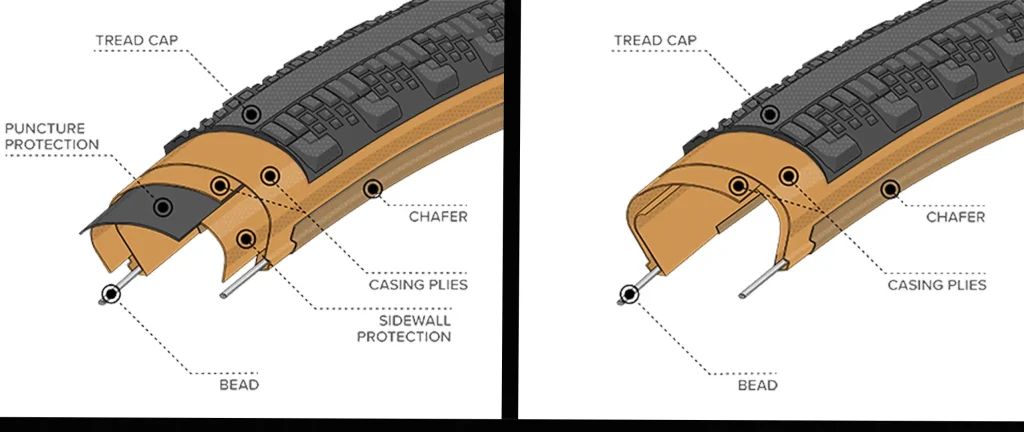
Sidewall Protection
Sidewalls face damage from sharp rocks and roots on trails. Strong sidewalls protect tires from cuts.
Look for tires with extra layers or thicker rubber on sidewalls. This helps avoid flats and blowouts.
- Reinforced sidewalls resist cuts and tears
- Thicker sidewalls add weight but improve durability
- Flexible sidewalls absorb impacts better
Puncture Resistance
Puncture resistance keeps sharp objects from piercing the tire. This is key on rocky or thorny trails.
Tires may have added layers under the tread. These layers stop nails, glass, or thorns from causing flats.
- Kevlar or nylon belts improve puncture resistance
- Thicker tread and casing reduce puncture risk
- Some tires use sealant inside for quick flat repair
Trail Conditions And Terrain
Choosing the right tires is key for rugged bikepacking trails. Different terrains need different tires.
Understanding the trail conditions helps pick tires that improve control and safety.
Rocky And Technical Trails
Rocky trails have sharp rocks and uneven surfaces. Tires must be tough and protective.
Look for tires with strong sidewalls to resist cuts and punctures. Good tread helps grip rocks.
- Durable rubber to avoid tears
- Stiff sidewalls for stability
- Deep tread for traction
- Wide tires to spread pressure
Mud And Wet Conditions
Wet trails can be slippery with mud sticking to tires. Tires should clear mud fast.
Choose tires with spaced knobs that shed mud easily. Soft rubber improves grip on wet surfaces.
- Wide spacing between knobs
- Sticky rubber for grip
- Self-cleaning tread design
- Lower tire pressure for more contact
Loose And Sandy Surfaces
Sandy or loose dirt makes tires slip. Tires need to float on top and grip well.
Look for wider tires with large, widely spaced knobs. Lower pressure helps tires stay on top.
- Wide tire width for better float
- Large knobs for traction
- Low pressure for surface contact
- Durable casing to handle sand abrasion
Credit: allday.life
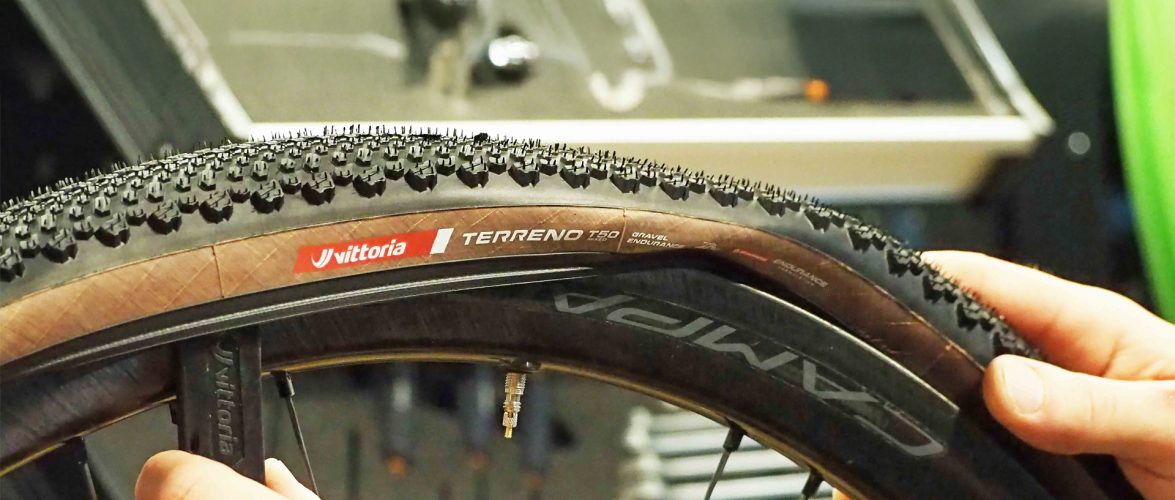
Bike Compatibility
Choosing the right tires for rugged bikepacking trails starts with knowing your bike’s limits. Tires must fit well and work with your bike parts. This ensures safety and better performance.
Check your bike’s frame, fork, wheels, brakes, and gears. Each part affects what tires you can use. Understanding these helps you pick the best tires for tough trails.
Frame And Fork Clearance
Frame and fork clearance means the space between your bike’s frame or fork and the tires. Tires that are too wide or tall can rub against these parts. This causes damage and slows you down.
- Measure the space inside your fork and frame.
- Allow extra room for mud and debris.
- Check the tire width and diameter before buying.
- Remember that bigger tires need more clearance.
Wheel Size Considerations
Wheel size affects tire options and ride feel. Common sizes are 26″, 27.5″, and 29″. Each size fits different tires and frames. Choose tires that match your wheel size exactly.
| Wheel Size | Common Tire Width | Ride Characteristics |
| 26 inches | 1.9″ – 2.35″ | More agile, good for tight trails |
| 27.5 inches | 2.0″ – 2.6″ | Balance of speed and control |
| 29 inches | 2.2″ – 2.8″ | Smoother roll over obstacles |
Brake And Gear System Impact
Brake and gear systems can limit tire choices. Disc brakes offer more space than rim brakes. Some gear setups need specific tire sizes to avoid chain or derailleur contact.
- Check if your bike uses disc or rim brakes.
- Disc brakes allow wider tires in most cases.
- Look for tire clearance near the rear derailleur.
- Match tire size to gear system recommendations.
Pressure And Performance
Tires play a key role in how your bike handles rough trails. The right tire pressure helps you ride better and avoid damage.
Choosing the correct pressure balances grip, speed, and comfort. This guide explains how to pick the best pressure for rugged bikepacking.
Optimal Tire Pressure Range
Every tire has a pressure range that works best. Staying inside this range keeps the tire safe and effective.
| Tire Type | Pressure Range (PSI) |
| Lightweight Tires | 30 – 45 |
| Standard Mountain Tires | 20 – 35 |
| Fat Tires | 10 – 20 |
Balancing Traction And Efficiency
Lower pressure gives better traction by increasing tire contact with the ground. Higher pressure reduces rolling resistance.
- Low pressure helps on loose or rocky trails
- High pressure works well on hard-packed surfaces
- Too low pressure risks pinch flats and rim damage
- Too high pressure can cause a rough ride and less grip
Adjusting For Load And Terrain
Heavier loads need higher pressure to avoid tire squish and damage. Soft or muddy terrain requires lower pressure for better grip.
| Condition | Recommended Pressure Adjustment |
|---|---|
| Heavy Load | Increase pressure by 5-10 PSI |
| Soft Terrain | Decrease pressure by 5 PSI |
| Rocky Trails | Moderate pressure, avoid too low |
| Mud | Lower pressure for better traction |

Credit: alpkit.com
Maintenance And Longevity
Choosing the right tires for rugged bikepacking is only the first step. Proper care keeps them working well longer. Regular maintenance helps avoid unexpected problems on trails.
Understanding how to inspect, repair, and care for your tires will save you time and money. It also ensures your safety during tough rides.
Regular Tire Inspection
Check your tires before and after every ride. Look for cuts, cracks, or worn tread. Small damage can get worse on rough trails.
Also, make sure the tire pressure is right. Too low or too high pressure causes fast wear and poor performance.
- Look for embedded stones or debris
- Check sidewalls for cracks or bulges
- Measure tread depth regularly
- Use a pressure gauge to check air pressure
Repair Kits And Tools
Carry a basic repair kit on every trip. It helps fix flats and minor tire damage quickly. This keeps you moving without big delays.
Tools should be easy to use and carry. Include patches, tire levers, a pump, and a multi-tool for quick fixes.
- Puncture repair patches and glue
- Tire levers for removing tires
- Portable hand pump or CO2 inflator
- Multi-tool with wrench and screwdrivers
Tips For Extending Tire Life
Ride carefully on rough surfaces to avoid cuts and tears. Avoid sharp rocks and roots when possible. This reduces tire damage.
Store your bike in a cool, dry place. Keep tires out of direct sunlight to prevent cracking. Clean tires after muddy rides to stop wear.
- Keep tires properly inflated
- Rotate tires if possible for even wear
- Wash off dirt and mud after rides
- Store bike indoors away from heat and sun
Top Tire Recommendations
Choosing the right tires is key for bikepacking on rough trails. The right tires improve grip and comfort. This guide helps you pick tires for different trail types.
We cover the best tires for rocky trails, muddy paths, and mixed terrain. Each choice suits specific trail challenges and riding styles.
Best Tires For Rocky Trails
Rocky trails need tires that resist cuts and offer strong grip. Look for tires with thick sidewalls and tough tread patterns. These features protect against sharp rocks.
Wide tires with firm casing help absorb shocks from rocks. Knobby tread designs improve control on uneven surfaces. Durability is very important here.
- Strong sidewalls to prevent punctures
- Knobby tread for better grip on rocks
- Wide tires for shock absorption
- Durable rubber compounds
Top Picks For Muddy Conditions
Muddy trails need tires that clear mud easily and keep traction. Tires with spaced knobs stop mud build-up. Soft rubber improves grip on slippery surfaces.
Narrower tires can cut through thick mud better. Deep tread patterns help the tires bite into slippery ground. Look for tires designed to shed mud fast.
- Wide spacing between knobs to shed mud
- Soft rubber for better grip
- Deep tread for traction in wet soil
- Narrow to medium width for cutting mud
Versatile Tires For Mixed Terrain
Mixed terrain tires work well on dirt, gravel, and some pavement. They balance grip and rolling speed. Medium tread depth suits many surfaces.
Look for tires with a smooth center and knobs on the sides. This design helps on hard surfaces and loose trails. Tubeless-ready tires are also useful for long trips.
- Moderate tread depth for balance
- Smooth center tread for faster rolling
- Knobs on edges for cornering grip
- Durable and tubeless-ready options
Credit: www.bikegeardatabase.com
Frequently Asked Questions
What Tire Width Is Best For Rugged Bikepacking Trails?
A tire width between 2. 0 and 2. 5 inches offers optimal balance. It provides enough grip and comfort on rough terrain. Wider tires improve stability and absorb shocks, enhancing your ride on rugged trails.
How Important Is Tread Pattern For Bikepacking Tires?
Tread pattern affects traction and rolling resistance. Aggressive knobs help grip loose surfaces, while smoother tread suits hard-packed trails. Choose tread based on trail conditions for better control and efficiency.
Should I Choose Tubeless Tires For Rugged Bikepacking?
Yes, tubeless tires reduce flats and allow lower pressures. This improves comfort, traction, and durability on rough trails. They are highly recommended for serious bikepackers tackling challenging terrains.
How Does Tire Compound Affect Rugged Trail Performance?
Softer compounds increase grip but wear faster. Harder compounds last longer but may reduce traction. Select a compound that balances durability with the grip needed for your specific trails.
Conclusion
Selecting the right tires for rugged trails is crucial. Consider the terrain type first. Rocky paths need tougher tires. Muddy trails require better grip. Check tire width for stability. Wider tires offer more control. Tread pattern matters too. Deep treads handle rough surfaces better.
Lightweight tires ease your ride. Always balance durability with performance. Choose tires that match your bikepacking style. Proper tires enhance your adventure experience. Enjoy smoother, safer rides on challenging terrains. Happy bikepacking!



