

Choosing the right saddlebags can make or break your bikepacking trip. You want gear that fits your bike perfectly, keeps your belongings safe, and doesn’t slow you down.
But with so many options out there, how do you pick the best ones for your adventure? You’ll discover simple tips and key factors to consider, helping you find saddlebags that match your needs and style. Keep reading—your next great ride depends on it.

Credit: www.reddit.com
Types Of Saddlebags
Saddlebags help carry gear on bikepacking trips. Choosing the right type improves comfort and storage.
There are many styles of saddlebags. Each type fits different bike setups and rider needs.
Soft Vs. Hard Saddlebags
Soft saddlebags are made from fabric. They are lightweight and easy to pack when empty.
Hard saddlebags use rigid materials. They protect fragile items and keep shape under load.
- Soft saddlebags: flexible, lighter, less protection
- Hard saddlebags: solid, heavier, more durable
- Soft bags often use waterproof fabrics
- Hard bags resist impacts better
Frame-mounted Vs. Seatpost Saddlebags
Frame-mounted saddlebags attach inside the bike frame. They keep weight low and centered.
Seatpost saddlebags hang from the seatpost. They free up frame space but may sway more.
| Type | Mount Location | Weight Distribution | Advantages |
| Frame-Mounted | Inside frame triangle | Low and centered | Stable ride, balanced load |
| Seatpost | Under seat, on seatpost | Higher and rear | Easy access, frees frame space |
Expandable Options
Expandable saddlebags adjust storage size. They offer flexibility for different trip lengths.
Look for bags with zippers or straps that increase volume as needed.
- Use small size for short trips
- Expand for longer rides or extra gear
- Helps keep the bike balanced
- Saves space when not fully loaded

Credit: us.alpkit.com
Key Features To Consider
Choosing the right saddlebags is important for bikepacking trips. You need bags that fit your gear and last long on rough trails.
Look at key features like size, material, water resistance, and how they attach to your bike.
Capacity And Size
Select saddlebags with enough space for your essentials. Too small bags won’t hold all gear. Too big bags can affect balance.
Think about the length of your trip and what items you need. Choose bags that fit well with your bike frame.
- Check volume in liters to compare sizes
- Consider how much gear you carry daily
- Measure your bike to ensure fit
Material Durability
Durable materials protect your gear from damage. Look for thick, tear-resistant fabric that can handle rough paths.
Strong stitching and reinforced seams add to bag strength. This helps bags last through many trips.
- Choose ripstop nylon or polyester fabrics
- Look for double-stitched seams
- Check for abrasion-resistant panels
Water Resistance
Your gear must stay dry in rain or wet conditions. Look for bags made with water-resistant or waterproof materials.
Waterproof zippers and roll-top closures help keep water out. Check if the bag has sealed seams for better protection.
- Materials like TPU-coated fabrics keep water out
- Sealed seams prevent leaks
- Waterproof closures improve protection
Attachment Systems
Secure attachment keeps saddlebags stable on your bike. Choose systems that fit your frame and are easy to use.
Look for straps, buckles, or clips that hold bags tight. Quick-release options allow fast removal when needed.
- Velcro straps for adjustable fit
- Buckles for secure locking
- Clip-on systems for easy removal
Matching Saddlebags To Bike Types
Selecting the right saddlebags depends on your bike type. Different bikes need different styles and sizes of bags.
Knowing your bike helps you find saddlebags that fit well and keep your gear secure. This guide covers three common bike types.
Mountain Bikes
Mountain bikes have thick tires and strong frames. They need saddlebags that do not hit the ground or get caught on branches.
- Choose smaller saddlebags to avoid rubbing the tires.
- Look for water-resistant materials to protect gear.
- Use bags with secure straps that stay tight on rough trails.
Road Bikes
Road bikes have narrow tires and lightweight frames. Saddlebags should be slim and not add extra weight.
| Feature | Recommended for Road Bikes |
| Size | Small to medium |
| Weight | Lightweight |
| Attachment | Secure with minimal bulk |
| Shape | Slim and aerodynamic |
Gravel And Adventure Bikes
Gravel and adventure bikes are made for mixed terrain. They need versatile saddlebags that hold more gear safely.
Consider these points for gravel and adventure bike saddlebags:
- Medium to large size for longer trips.
- Durable, weatherproof fabric.
- Easy access pockets for quick gear retrieval.
- Strong straps that fit different frame shapes.
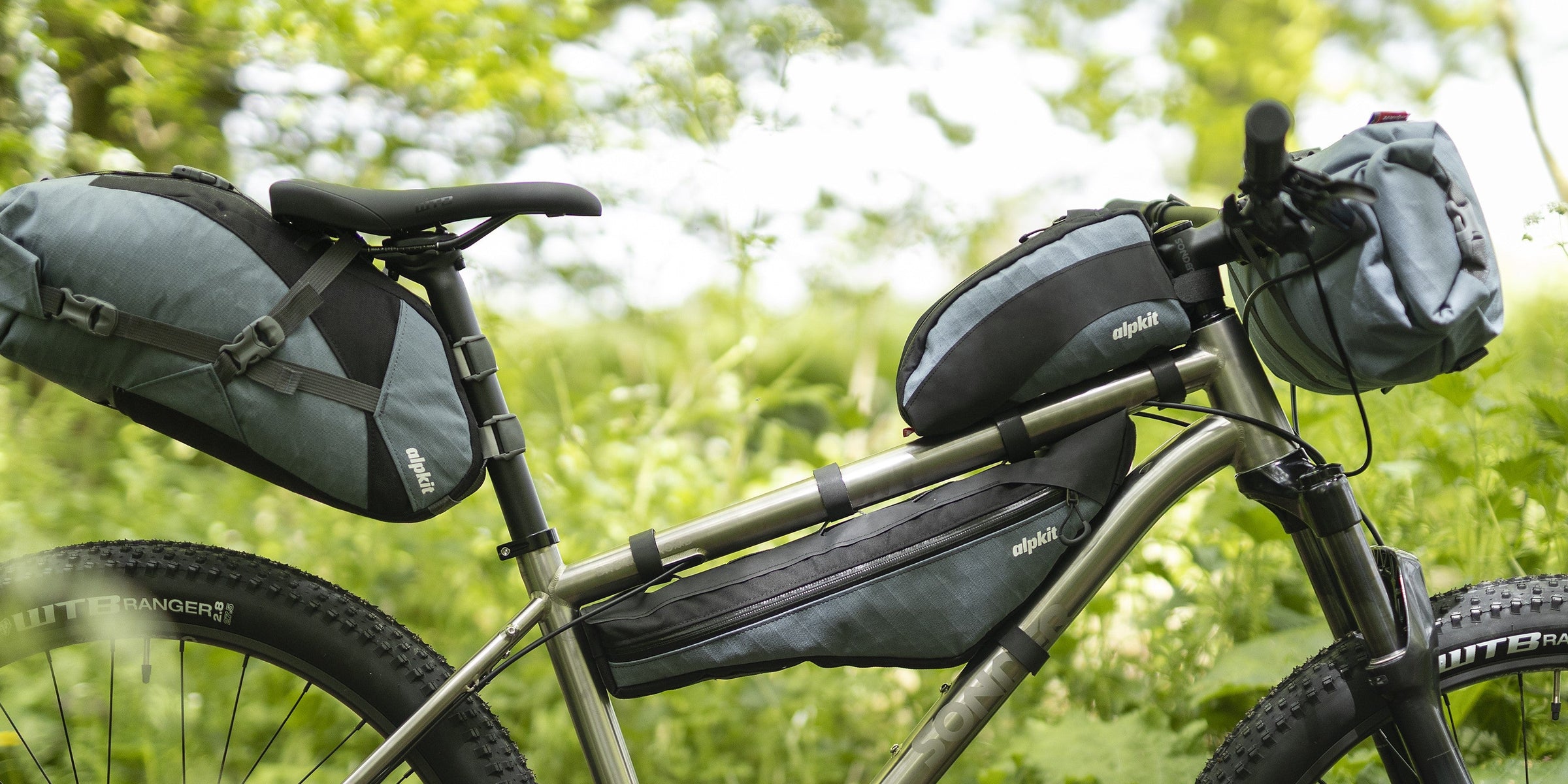
Credit: us.alpkit.com
Packing Strategies
Packing saddlebags properly is key for a smooth bikepacking trip. Good packing helps keep your bike stable and your gear safe.
Focus on how you arrange weight, place essential items, and balance the load. These tips will improve your ride comfort and safety.
Weight Distribution
Distribute weight evenly between both saddlebags. Heavy items should sit low and close to the bike frame.
- Place heavy gear near the bottom.
- Keep weight balanced left and right.
- Avoid putting too much weight far from the bike’s center.
Essential Gear Placement
Keep essential gear easy to reach. Items like maps, snacks, and tools should be on top or in outer pockets.
| Item | Placement |
| Maps | Top of saddlebag or outer pocket |
| Snacks | Outer pocket for quick access |
| Multi-tool | Easy-to-reach compartment |
| Rain jacket | Near top for fast grab |
Balancing Load For Stability
Balance your load to keep the bike steady on rough terrain. Uneven weight can make steering hard and tiring.
Tips for balancing load:
- Keep similar weights on both sides.
- Use soft bags that mold to your gear.
- Adjust straps to prevent shifting.
Budget And Brand Recommendations
Selecting the right saddlebags is key for bikepacking trips. Your budget guides which bags you can buy.
Choosing trusted brands helps ensure quality and durability on your rides.
Affordable Options
Affordable saddlebags offer good function without high cost. They suit beginners and short trips.
Look for bags with durable materials and simple designs. Avoid very cheap bags that may tear easily.
- Water-resistant fabric to protect gear
- Easy attachment systems like straps or clips
- Lightweight for easier handling
Premium Choices
Premium saddlebags offer advanced features and strong materials. They last longer on tough trips.
These bags often have better waterproofing and extra compartments for organization.
- High-grade waterproof fabrics and zippers
- Reinforced stitching for heavy loads
- Customizable storage with multiple pockets
Trusted Brands
Brands with good reputations make reliable bikepacking saddlebags. They test their products well.
Choosing known brands helps you get support and parts if needed during your trip.
- Ortlieb – Known for waterproof and durable bags
- Revelate Designs – Popular for bikepacking gear
- Apidura – Offers lightweight and strong saddlebags
- Blackburn – Makes versatile bags for different bikes
Maintenance And Care Tips
Keeping your saddlebags in good shape helps them last longer. Proper care also keeps your gear safe and dry on bikepacking trips.
Learn simple ways to clean, store, and repair your saddlebags. These tips keep your bags ready for every adventure.
Cleaning Saddlebags
Clean your saddlebags after each trip. Dirt and grime can wear down the fabric and zippers.
- Use a soft brush to remove loose dirt.
- Wipe with a damp cloth and mild soap.
- Avoid harsh chemicals that damage material.
- Let bags air dry completely before storing.
Storage Advice
Proper storage keeps your saddlebags in shape and free from mold. Store them in a cool, dry place away from sunlight.
| Storage Tip | Reason |
| Keep bags dry | Prevents mold and mildew growth |
| Store loosely packed | Avoids creases and fabric damage |
| Avoid direct sunlight | Protects color and material strength |
| Check periodically | Detects issues early |
Repair And Replacement
Fix small tears and broken zippers quickly to prevent bigger damage. Use patches or sewing kits made for outdoor gear.
- Inspect seams and straps before trips.
- Carry a small repair kit on long rides.
- Replace parts like buckles if broken.
- Contact the manufacturer for major repairs.
Frequently Asked Questions
What Factors Matter Most When Choosing Bikepacking Saddlebags?
Key factors include size, weight, durability, waterproofing, and mounting system. Consider your trip length and gear needs. Choose bags that fit your bike frame securely. Quality materials ensure long-term use. Comfort and ease of access also matter for a smooth ride.
How Do I Measure Saddlebag Capacity For Bikepacking?
Capacity is measured in liters, reflecting the volume inside. Estimate your gear volume to match bag size. Smaller trips need 10-15 liters, longer trips 20+ liters. Balance capacity with weight to avoid affecting bike handling.
Are Waterproof Saddlebags Necessary For All Bikepacking Trips?
Waterproof bags protect gear from rain and mud. They are essential in wet climates or unpredictable weather. For dry areas, water-resistant bags may suffice. Consider adding dry bags inside for extra protection regardless of outer bag type.
How Should Saddlebags Be Attached To A Bike Frame?
Most saddlebags use straps or clips to secure to the seat post or saddle rails. Ensure tight attachment to prevent movement while riding. Check compatibility with your bike’s frame and saddle design before buying.
Conclusion
Choosing the right saddlebags enhances your bikepacking experience. Comfort and storage are key. Make sure they fit securely on your bike. Consider the terrain and weather conditions. Waterproof bags protect your gear from rain. Lightweight options make long rides easier.
Check the capacity for your essentials. Adjustability helps with different load sizes. Durable materials ensure a longer lifespan. Invest wisely for a stress-free adventure. Happy bikepacking!



