

Choosing the right touring bike can change how much you enjoy every mile of your ride. If you’re a woman looking for a lightweight touring bike, you probably want something that feels comfortable, easy to handle, and built just for you.
But with so many options out there, how do you pick the perfect one? This guide will help you understand what really matters when selecting a lightweight touring bike designed for women. By the end, you’ll feel confident in your choice and ready to hit the road with ease and style.
Keep reading to discover the key tips that make all the difference.
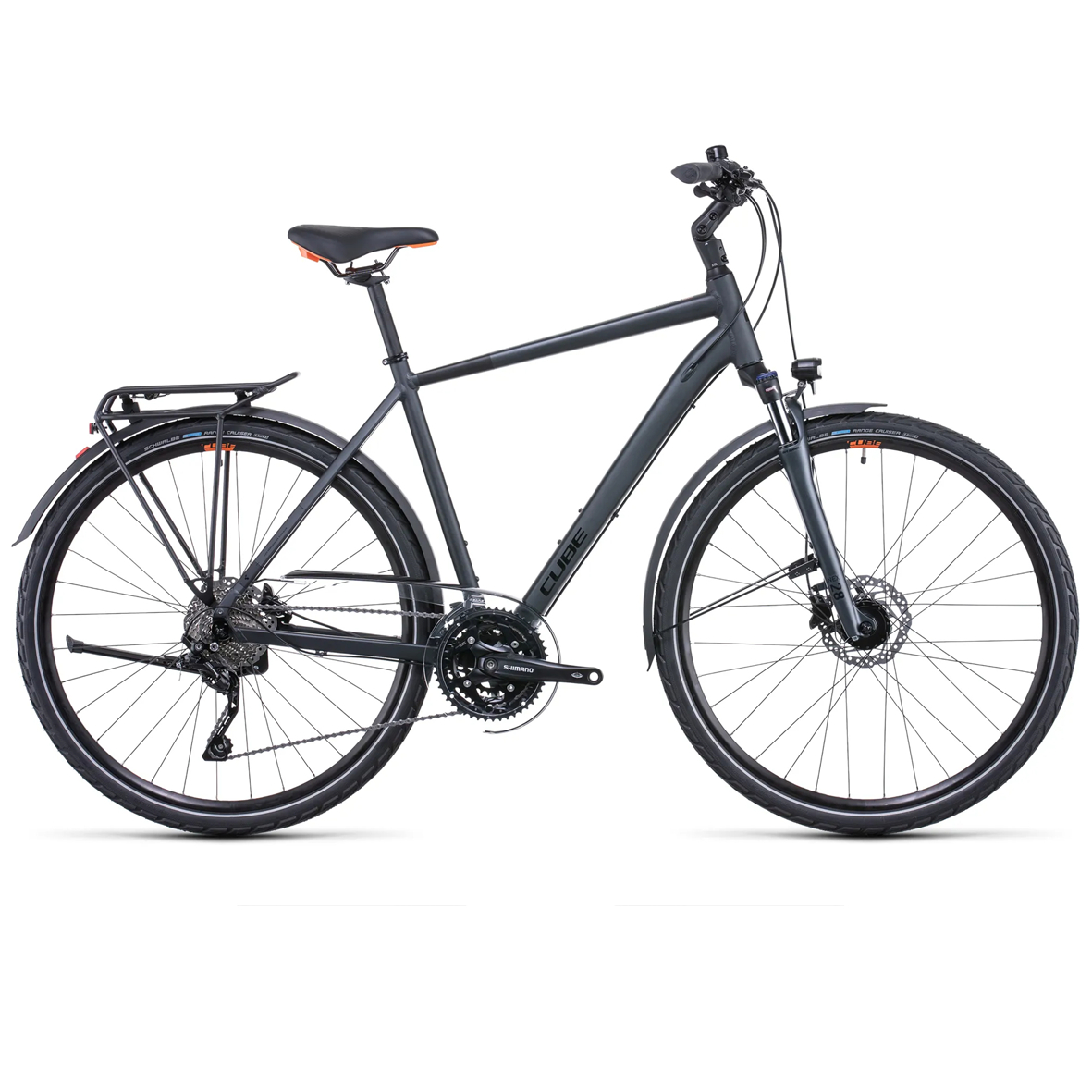
Credit: www.cyclingnews.com
Key Features Of Lightweight Touring Bikes
Choosing a lightweight touring bike is important for long rides. It helps you carry less weight and ride easier. Knowing the key features can guide your choice.
This guide explains important parts like frame materials, wheel size, and gearing systems. These features affect comfort and performance.
Frame Materials And Weight
The frame material affects the bike’s weight and strength. Lighter frames make riding less tiring. Common materials include aluminum, steel, and carbon fiber.
Aluminum is light and resists rust. Steel is strong and smooth but heavier. Carbon fiber is very light but costs more.
- Aluminum: lightweight, low cost, rust resistant
- Steel: durable, smooth ride, heavier
- Carbon fiber: very light, expensive, less common
Wheel Size And Tire Options
Wheel size changes how the bike handles and rolls on different roads. Most touring bikes use 26, 27.5, or 700c wheels. Tires need to be strong and wide enough for comfort.
Smaller wheels are strong and good on rough roads. Larger wheels roll faster on smooth roads. Choose tires with good grip and some width for stability.
- 26-inch wheels: strong, good on rough surfaces
- 27.5-inch wheels: balance of speed and strength
- 700c wheels: faster on smooth roads
- Wide tires: more comfort and grip
Gearing Systems For Touring
Gears help you pedal easily on hills and flat roads. Touring bikes need many gears to handle different terrains. Choose a system that is simple and reliable.
Internal gear hubs need less maintenance. Derailleur gears offer many options but need more care. Look for wide gear range for climbing and long rides.
- Internal gear hubs: low maintenance, fewer gears
- Derailleur systems: many gears, more maintenance
- Wide gear range: easier climbing and speed control
Fit And Comfort For Women Riders
Choosing the right lightweight touring bike is important for comfort on long rides. Women riders need bikes that fit their body shape well. Proper fit reduces pain and improves control.
Comfort comes from the right frame, saddle, and handlebar setup. This guide helps women find bikes that match their size and riding style.
Frame Geometry Tailored For Women
Women’s bike frames often have different shapes than men’s. These changes help fit shorter torsos and longer legs. A well-shaped frame keeps the rider balanced and stable.
Look for frames with a shorter top tube and adjusted seat tube angle. These features bring the handlebars closer without stretching the rider. It helps keep a relaxed riding position.
Saddle And Handlebar Choices
Saddles made for women have a wider rear to support the sit bones. They also have a cut-out to reduce pressure in sensitive areas. Choosing the right saddle is key for long rides.
Handlebars should match hand size and reach. Women might prefer narrower bars to keep their arms comfortable. Adjustable bars allow for better control and less strain.
- Wider saddles support the pelvis better
- Saddles with padding reduce soreness
- Narrower handlebars improve handling
- Adjustable stems help find the right reach
Adjusting For Body Proportions
Women’s bodies vary in height, arm length, and leg length. Adjusting the bike fit means changing saddle height and handlebar position. This helps avoid discomfort and improves pedaling.
Check the saddle height so the leg is slightly bent at the bottom of the pedal stroke. Move the handlebars up or down to avoid leaning too far forward. Small changes make a big difference.
- Set saddle height for a slight knee bend
- Adjust saddle forward or backward for comfort
- Change handlebar height to reduce back strain
- Test ride and tweak to find the best fit
Essential Components To Consider
Choosing a lightweight touring bike for women means looking at parts that make riding easier and safer. The right components help with comfort and performance on long trips.
Focus on key areas like brakes, luggage options, and pedals. These parts affect how well your bike works for your needs.
Brakes And Stopping Power
Good brakes help you stop quickly and safely on all terrains. Lightweight bikes often use disc brakes or rim brakes.
Disc brakes offer strong stopping power in wet or dry conditions. Rim brakes are lighter but may lose power in rain.
- Look for reliable brake brands known for durability
- Check if brake levers fit your hand size comfortably
- Consider brake type based on your usual riding weather
Luggage And Rack Compatibility
Touring bikes need racks to carry bags and gear. Make sure the bike frame has mounts for racks and panniers.
Lightweight racks and bags keep your total weight down. Check if the racks fit your bike and can hold your luggage securely.
- Confirm frame has eyelets for rear and front racks
- Choose racks made from aluminum or lightweight steel
- Pick panniers with waterproof material for protection
Pedals And Footwear Integration
Pedals connect your feet to the bike. Clipless pedals offer better power transfer and control but need special shoes.
Flat pedals work with any shoes and are easier to use for beginners. Pick pedals that match your riding style and comfort.
- Clipless pedals improve pedaling efficiency
- Flat pedals provide ease and safety for casual rides
- Consider pedal weight and grip for long rides
Credit: medium.com
Balancing Performance And Durability
Choosing a lightweight touring bike for women means finding the right balance between speed and strength. A bike should be light to ride easily but also tough enough to last long.
It is important to consider how the bike’s parts work together. This helps you enjoy your trips without worrying about breakdowns.
Material Strength Vs. Weight
Bike frames come in different materials like aluminum, steel, and carbon fiber. Each has its own weight and strength.
Aluminum is light but may not be as strong as steel. Steel is heavier but very durable. Carbon fiber is very light and strong but often costs more.
- Aluminum: light, affordable, less strong
- Steel: heavier, very durable, smooth ride
- Carbon Fiber: very light, strong, expensive
Maintenance And Repair Needs
Consider how often the bike will need repairs. Some materials and parts are easier to fix than others.
Steel bikes are easier to repair in many places. Aluminum and carbon fiber need special tools and skills. Choose parts that are common and easy to replace.
- Steel frames can be welded if damaged
- Aluminum repairs are harder and costly
- Carbon fiber repairs need experts
- Simple parts reduce repair time
Weather And Terrain Adaptability
Your bike should handle different weather and road conditions. This affects the type of tires and frame you select.
Look for bikes with good tires for wet or rough roads. A rust-resistant frame helps if you ride in rainy places.
- Wide tires for rough terrain
- Narrow tires for smooth roads
- Rust-resistant coatings protect frames
- Fenders keep you dry in rain
Budgeting For Your Touring Bike
Choosing the right lightweight touring bike for women means thinking about your budget. You want a bike that lasts and feels good to ride.
Planning your budget helps you balance price and quality. It also guides your choices on extras and whether to buy new or used.
Cost Vs. Quality Trade-offs
Higher quality bikes cost more but offer better parts and durability. Cheaper bikes may save money but might need repairs sooner.
- Set a maximum budget before shopping.
- Look for bikes with reliable frames and components.
- Consider long-term savings from fewer repairs.
- Test ride to check comfort and fit.
Accessories And Upgrades
Budget some money for useful accessories. These improve safety and comfort on long trips.
| Accessory | Purpose | Estimated Cost |
| Helmet | Protect your head | $30 – $100 |
| Bike lights | Ride safely at night | $20 – $70 |
| Panniers | Carry your gear | $40 – $150 |
| Comfort saddle | Reduce seat pain | $50 – $120 |
Secondhand Vs. New Bikes
New bikes have warranty and latest features. Used bikes cost less but need careful checking.
- Inspect used bikes for frame damage or rust.
- Ask about the bike’s history and repairs.
- Test ride before buying either new or used.
- Choose a trusted seller or shop.
Credit: medium.com
Test Riding And Final Selection
Choosing the right lightweight touring bike for women requires careful test riding and thoughtful final selection. This process helps ensure comfort and performance on long rides.
Test rides reveal how a bike handles and fits your body. Final decisions focus on comfort, control, and features that suit your needs.
What To Look For During Test Rides
Pay attention to how the bike feels on different terrains and speeds. Notice if the bike is easy to control and stable when turning or stopping.
Check if the bike frame feels light and if the gears shift smoothly. Listen for any unusual noises or vibrations that may cause discomfort.
- Comfort while sitting and pedaling
- Ease of steering and balance
- Response of brakes and gears
- Weight of the bike during starts and stops
- Noise or vibration during riding
Adjusting Fit On The Spot
Make small adjustments to the seat height and handlebar position. These changes can improve comfort and control immediately.
Try different saddle heights and handlebar angles to find what feels best. A proper fit reduces strain on your back and knees.
- Raise or lower the seat for proper leg extension
- Move handlebars closer or farther for comfort
- Adjust saddle tilt to avoid pressure points
- Check if you can reach brakes and gears easily
Making The Final Decision
Think about how the bike felt during the test ride and fit adjustments. Choose the bike that feels comfortable and easy to control.
Consider the bike’s weight, durability, and features. Pick the bike that matches your touring style and body shape well.
- Comfort during long rides
- Ease of handling and braking
- Lightweight but strong frame
- Fit adjustments that worked best
- Any extra features you need
Frequently Asked Questions
What Features Define A Lightweight Touring Bike For Women?
Lightweight touring bikes for women have a smaller frame and lighter materials. They offer comfortable geometry and women-specific components for better fit and performance. These bikes balance durability and weight, making long rides easier.
How To Choose The Right Frame Size For Women’s Touring Bikes?
Measure your inseam and compare it to the bike’s frame size chart. A proper fit ensures comfort and control on long rides. Test rides help confirm the ideal size before purchasing.
Why Is Weight Important In Women’s Touring Bikes?
Lighter bikes reduce fatigue during long rides and improve handling. They make climbing hills and carrying gear easier. Choosing a lightweight bike enhances overall touring experience and efficiency.
What Materials Are Best For Lightweight Women’s Touring Bikes?
Aluminum and carbon fiber are popular for their light weight and strength. Steel offers durability but can be heavier. Consider your budget and riding style when selecting materials.
Conclusion
Selecting the right touring bike matters. Lightweight options make rides enjoyable. Comfort enhances long journeys. Consider frame material for durability. Gear systems impact performance. Look for adjustable seats. Ensure good brakes for safety. Evaluate tire types for different terrains. Test the bike before buying.
Personal preference plays a key role. A suitable bike boosts confidence. Happy cycling adventures await!



