
Choosing the right frame size for your track bike can make all the difference between a smooth, fast ride and an uncomfortable struggle. You want a bike that feels like it was made just for you—easy to handle, comfortable, and built for speed.
But with so many sizes and measurements out there, how do you know which one fits you perfectly? You’ll discover simple, clear steps to find the ideal frame size that matches your body and riding style. Keep reading, and soon you’ll be riding with confidence and control like never before.
Credit: myfirstbicycle.ca
Frame Size Basics
Choosing the right frame sizeis key for a good ride. A proper frame size makes you comfortable and helps you ride better. If the frame is too big, you may feel stretched and lose control. A too small frame can cause knee pain and limit your speed.
Track bike frames differ from regular bikes. They have a stiffer buildto handle fast speeds and sharp turns. The frame geometry is tighter, which means the angles and lengths are smaller. This helps with quick handling but needs precise sizing.
| Feature | Track Bike Frame | Regular Bike Frame |
|---|---|---|
| Frame Geometry | Tighter angles for speed | Relaxed angles for comfort |
| Material | Often lighter and stiffer | Varies from light to heavy |
| Size Importance | Very critical for control | Important for comfort |

Credit: alpkit.com
Measuring Your Body
Measure your inseam lengthby standing with your feet about 6 inches apart. Use a book or flat object and place it between your legs, pushing up gently. Measure from the top of the book to the floor. This gives your accurate inseam length.
To find the right frame size, measuring torsoand arm lengthis also important. Sit on a chair with your back straight. Measure from the top of your chest to the crotch for torso length. For arm length, measure from your shoulder to your wrist.
| Body Part | Measurement Tips |
|---|---|
| Inseam Length | Stand with feet 6 inches apart, measure from crotch to floor |
| Torso Length | Measure from chest top to crotch while sitting straight |
| Arm Length | Measure from shoulder to wrist |
Matching Frame Size To Measurements
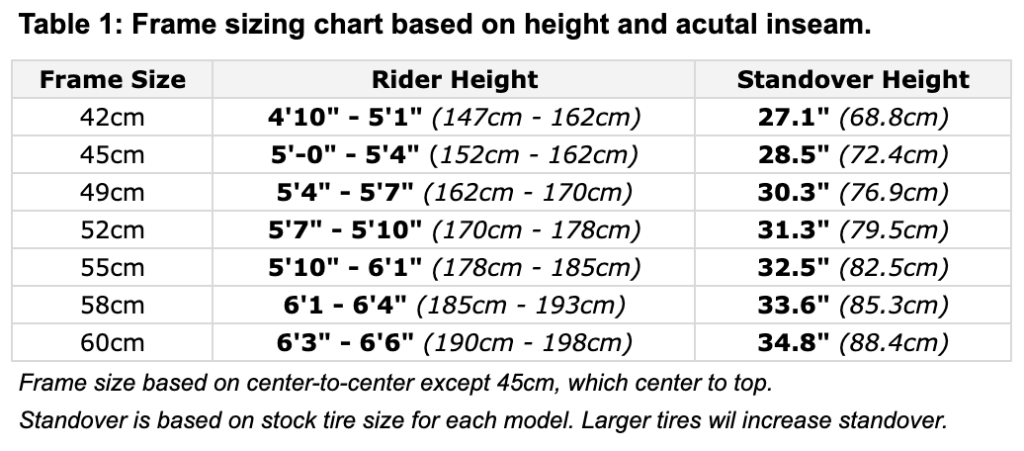
The inseam measurement is key for choosing the right frame height. Measure from the floor to your crotch while standing straight. Multiply this number by 0.67 to get the ideal frame size in centimeters. This ensures a comfortable leg extension while pedaling.
Adjust frame size based on riding style. For track racing, a smaller frame can give better control and quicker handling. For long-distance or comfort, a slightly larger frame offers more stability and a relaxed ride.
- Track Racing:Choose a frame size about 1-2 cm smaller.
- Comfort Riding:Opt for a frame size 1-2 cm larger.
- General Use:Use the inseam-based size for a balanced fit.

Credit: wabicycles.com
Top Tube And Reach
The top tube lengthis key to a track bike’s fit. It affects how stretched out or cramped you feel. A longer top tube means you lean forward more. A shorter one brings the handlebars closer. This helps control and power during sprints.
Reachis the horizontal distance from the seat to the handlebars. It impacts comfort and control. Too long a reach can cause arm and back pain. Too short can feel cramped and limit breathing. Ideal reach lets you ride relaxed and strong.
Frame Geometry And Fit
The seat tube angleaffects how you sit on the bike. A steeper angle moves the rider forward. This helps with power and speed. A slacker angle offers more comfort but less aggressive riding. Choose an angle that fits your riding style and body shape.
The head tube anglecontrols the bike’s handling. A steep head tube angle makes the bike turn quickly. This is good for track racing and tight corners. A slacker angle provides more stability at high speeds. Think about where and how you will ride the bike.
Testing Frame Size
Testing a bike frame is important. First, ensure the seat is at hip level. Feet should touch the ground when you sit. Arms should not stretch too much. Check if you can comfortably reach the handlebars. If not, the frame may be too big or small. Ride the bike slowly. Feel how it handles corners. Does it feel balanced? Listen to your body. If something feels off, it might not be the right fit.
Test Ride Tips
- Wear comfortable clothes.
- Choose a safe place to ride.
- Pay attention to balance and comfort.
- Test the bike on different terrains.
- Adjust seat and handlebars if needed.
Adjustments After Selection
Once you select a frame, make adjustments. Set the seat height first. Align it with your hip bone. Adjust the handlebars next. They should align with your shoulders. Check the brakes and gears. Ensure they work smoothly. Ride the bike again. Make sure you feel comfortable. Small tweaks can make a big difference.
Common Mistakes To Avoid
Choosing a frame size that feels too big or too small can cause discomfort and poor control. Ignoring your body measurements often leads to a bad fit. Avoid guessing and always measure carefully before buying.
Choosing Too Large Or Small
Picking the wrong bike frame size can cause discomfort. A frame too large makes it hard to control. A small frame can cramp your style. It’s important to find the right fit.
Ignoring Personal Flexibility
Flexibility affects your comfort on a bike. Some people bend more easily. Others need more space to move. Adjust the bike to match your flexibility. This helps avoid pain and makes riding fun.
Additional Fit Considerations
Saddle heightaffects your pedaling power and comfort. It should allow your leg to extend almost fully at the bottom of a pedal stroke. Too low or too high can cause pain or reduce efficiency. The saddle positionalso matters. It controls your balance and reach to the pedals. Moving it forward or backward changes your riding style and comfort.
The handlebar setupchanges how you steer and your body posture. Taller handlebars offer a relaxed ride. Lower ones help you go faster but may strain your back and neck. Consider handlebar width and shape to match your shoulder width and riding goals.
Frequently Asked Questions
How Do I Measure Frame Size For A Track Bike?
Measure your inseam length in centimeters. Multiply it by 0. 67 to get the frame size in centimeters. This gives a precise fit for efficient riding and comfort.
Why Is Frame Size Important For Track Bikes?
Proper frame size ensures better control, comfort, and performance. It reduces injury risk and maximizes power transfer during sprints and endurance rides.
Can I Use Road Bike Frame Size For Track Bikes?
Not always. Track bikes often require a slightly smaller frame for agility. Always refer to track-specific sizing charts for best fit.
How Does Height Affect Track Bike Frame Selection?
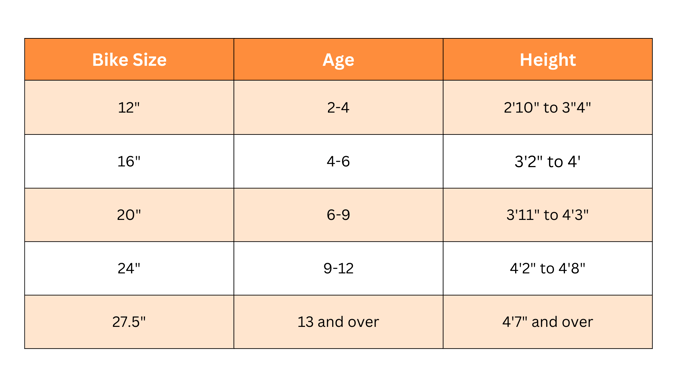
Height provides a starting point for frame size. Taller riders need larger frames, while shorter riders benefit from smaller frames for control.
Conclusion
Choosing the right frame size makes riding track bikes easier and more fun. It helps you stay comfortable and ride faster. Measure your body and compare with size charts. Test different sizes if possible. A good fit reduces pain and improves control.
Keep these tips in mind when buying your bike. Enjoy every ride with the perfect frame size. Simple steps lead to better cycling experiences.



