

Choosing the right clothes for your bikepacking trip can make all the difference between a comfortable adventure and a tough, exhausting ride. You want gear that keeps you dry, warm, and flexible without weighing you down.
But with so many options out there, how do you pick what’s best for your journey? This guide will help you find the perfect clothing to stay comfortable no matter the weather or terrain. Keep reading to discover simple tips that can transform your bikepacking experience and keep you riding strong from start to finish.
Key Clothing Factors
Selecting the right clothing is important for bikepacking trips. Your clothes must keep you comfortable and safe.
Think about the weather, trip length, and the terrain you will ride on. These factors guide your clothing choices.
Weather Conditions
Weather can change quickly on bike trips. Dress in layers to adapt to cold or hot temperatures.
Choose clothes that dry fast and protect you from rain and wind. Breathable fabrics help keep sweat away.
- Use a moisture-wicking base layer
- Wear an insulating mid-layer for cold
- Carry a waterproof jacket for rain
- Choose sun-protective clothing for heat
Trip Duration
Long trips need more clothing options. Pack clothes that are easy to wash and dry quickly.
Bring enough changes of underwear and socks. Plan for layering to handle changing temperatures.
- Choose lightweight and packable clothes
- Bring extra socks to avoid blisters
- Include a warm layer for nights
- Pick clothes that resist odors
Terrain And Climate
Clothing should match the terrain and climate. Mountain trails may need tougher clothes than flat roads.
In dry climates, breathable and light clothes work best. In wet or muddy areas, choose durable and water-resistant gear.
- Wear reinforced shorts for rough trails
- Use gloves to protect hands on rocky paths
- Choose quick-dry fabrics in humid areas
- Bring a hat for sun protection in open areas

Credit: www.garagegrowngear.com
Essential Clothing Items
Choosing the right clothing for bikepacking trips is very important. It keeps you comfortable and safe on the road.
Clothing works in layers to protect you from weather changes and to manage sweat and heat.
Base Layers
Base layers sit next to your skin. They help keep you dry by moving sweat away from your body.
Pick base layers made of materials like merino wool or synthetic fabrics. These dry fast and do not smell bad.
- Wear long or short sleeves based on temperature
- Choose snug fit for better sweat control
- Avoid cotton as it holds moisture
Insulation Layers
Insulation layers keep your body warm when it is cold. They trap heat close to your skin.
Fleece or lightweight down jackets work well. You can add or remove these layers as the weather changes.
- Pick layers that are light and easy to pack
- Use zippered jackets for easy temperature control
- Make sure insulation layers fit over base layers comfortably
Outer Shells
Outer shells protect you from wind, rain, and snow. They keep you dry and block cold air.
Look for waterproof and breathable jackets and pants. These help you stay comfortable during bad weather.
- Choose shells with vents to reduce sweat build-up
- Pick lightweight and packable options
- Check that zippers and seams are sealed to prevent leaks
Material Choices
Choosing the right materials is key for bikepacking clothing. Your clothes must keep you comfortable and dry. Picking fabrics that match your trip needs helps a lot.
Materials affect breathability, moisture control, and durability. These factors keep you safe and happy on the road. Let’s explore what to look for in each category.
Breathable Fabrics
Breathable fabrics allow air to pass through. This helps sweat evaporate quickly. Cotton is not a good choice because it holds moisture. Look for synthetic or natural options designed for airflow.
- Polyester lets air move well and dries fast.
- Merino wool is soft, breathable, and controls odor.
- Nylon is lightweight and allows ventilation.
Moisture-wicking Options
Moisture-wicking fabrics pull sweat away from your skin. This keeps you dry and warm when the weather changes. Clothes with this feature prevent chafing and cold spots.
| Fabric | Wicking Ability | Drying Time |
| Polyester | High | Fast |
| Merino Wool | Medium | Moderate |
| Nylon | Medium | Fast |
| Cotton | Low | Slow |
Durable Materials
Durable materials resist tears and wear on rough trails. They protect you from branches and rocks. Look for fabrics with reinforced stitching or ripstop patterns.
Common durable fabric features:
- Ripstop nylon or polyester for extra strength
- Reinforced knees and elbows
- Thicker weaves in high-wear areas
- Water-resistant coatings to protect gear
Footwear Selection
Choosing the right shoes is important for bikepacking trips. Good footwear keeps your feet safe and comfortable.
You will walk and ride a lot, so pick shoes that work well for both activities.
Bike-specific Shoes
Bike-specific shoes help you pedal better. They often have stiff soles to improve power transfer.
Look for shoes with cleats that match your pedals. This improves control and efficiency.
- Stiff soles reduce foot fatigue
- Good grip helps when walking
- Compatible cleats improve pedaling
Comfort And Support
Comfort is key for long trips. Shoes should fit well without tight spots or rubbing.
Support your arches and heels to avoid pain. Look for cushioned insoles and firm heel cups.
- Proper fit prevents blisters
- Cushioning reduces impact on feet
- Good support lowers foot fatigue
Waterproofing
Waterproof shoes keep your feet dry in rain or wet terrain. Wet feet cause discomfort and blisters.
Choose shoes with waterproof membranes or water-resistant materials. Make sure they still breathe well.
- Dry feet stay comfortable longer
- Waterproof membranes block rain
- Breathable materials prevent sweat buildup
Accessories For Comfort
Choosing the right accessories can make your bikepacking trip much more comfortable. These items help protect you from weather and rough conditions.
Good accessories reduce discomfort and keep you focused on the ride. Pack smart to enjoy your trip fully.
Gloves And Headwear
Gloves protect your hands from cold, sun, and blisters. They also improve your grip on the handlebars.
Headwear like caps or bandanas shields your head from sun and sweat. A lightweight helmet liner adds comfort under your helmet.
- Choose breathable gloves for hot weather
- Use insulated gloves for cold rides
- Wear a cap with a visor to block sun
- Try a moisture-wicking bandana to keep sweat away
Socks And Sunglasses
Socks keep your feet dry and prevent blisters. Pick socks made of materials that dry fast and breathe well.
Sunglasses protect your eyes from sun, dust, and bugs. Look for sunglasses with UV protection and a secure fit.
- Choose socks with cushioning for long rides
- Use quick-dry socks to avoid wet feet
- Pick sunglasses with wraparound frames
- Consider interchangeable lenses for different light
Protective Gear
Protective gear helps prevent injuries and adds comfort. Knee and elbow pads guard against scrapes and falls.
Consider padded shorts or a lightweight jacket with padding to reduce soreness on rough trails.
- Wear knee and elbow pads for rocky paths
- Choose padded bike shorts for long days
- Use a jacket with soft padding on shoulders and back
- Check that all gear fits well and allows movement

Credit: www.reddit.com
Packing Tips
Packing clothing for bikepacking trips needs smart choices. You want to stay comfortable and be ready for changing weather.
Choosing the right clothes helps you save space and weight. It also keeps you dry and warm during your ride.
Layering Strategies
Layering clothes lets you adjust to cold or warm weather quickly. Start with a base layer that moves sweat away.
- Use a moisture-wicking base layer
- Add an insulating mid-layer for warmth
- Wear a waterproof outer layer for rain and wind
- Choose layers that fit well without bulk
Weight Management
Carrying light clothes saves energy and space. Pick items that are light but still protect you from weather.
| Clothing Type | Weight (grams) | Benefit |
| Base Layer Shirt | 150 | Breathable and light |
| Insulating Jacket | 300 | Keeps warmth without bulk |
| Rain Jacket | 250 | Waterproof and packable |
| Bike Shorts | 200 | Comfort and quick drying |
Quick-dry And Multi-use Items
Quick-dry fabrics help you stay comfortable and reduce drying time after rain or sweat. Choose clothes that serve more than one purpose.
- Pants that convert into shorts
- Shirts that work for riding and camp
- Lightweight towels that dry fast
- Multi-use scarves or buffs for warmth or sun protection
Maintenance On The Road
Clothing care is key during bikepacking trips. Keeping your gear clean and in good shape helps comfort and safety.
Use simple methods to clean, repair, and dry clothes while traveling. This guide shows easy ways to do it.
Cleaning Techniques
Use a small amount of mild soap or detergent. Hand wash clothes in a water source or with a container of water.
- Fill a container with water and soap
- Gently scrub dirty spots with your hands or a soft cloth
- Rinse well to remove all soap
- Avoid harsh chemicals that can damage fabric
- Wash clothes only when needed to save water and time
Repair Kits
Carry a small repair kit for clothes. Fix tears and holes quickly to keep gear usable.
| Item | Purpose |
| Needle and thread | Sew small rips and seams |
| Fabric patches | Cover holes on durable fabrics |
| Safety pins | Temporary fixes for tears |
| Adhesive tape | Seal holes or hold patches |
Drying Methods
Dry your clothes fast to avoid smell and mold. Use natural ways when possible.
- Hang clothes on a line or branch in the sun
- Use a towel to press out extra water before hanging
- Turn clothes inside out to dry the inside faster
- Use warm air from a camp stove or heater carefully if needed
- Avoid drying near open flames or heat sources that can burn fabric
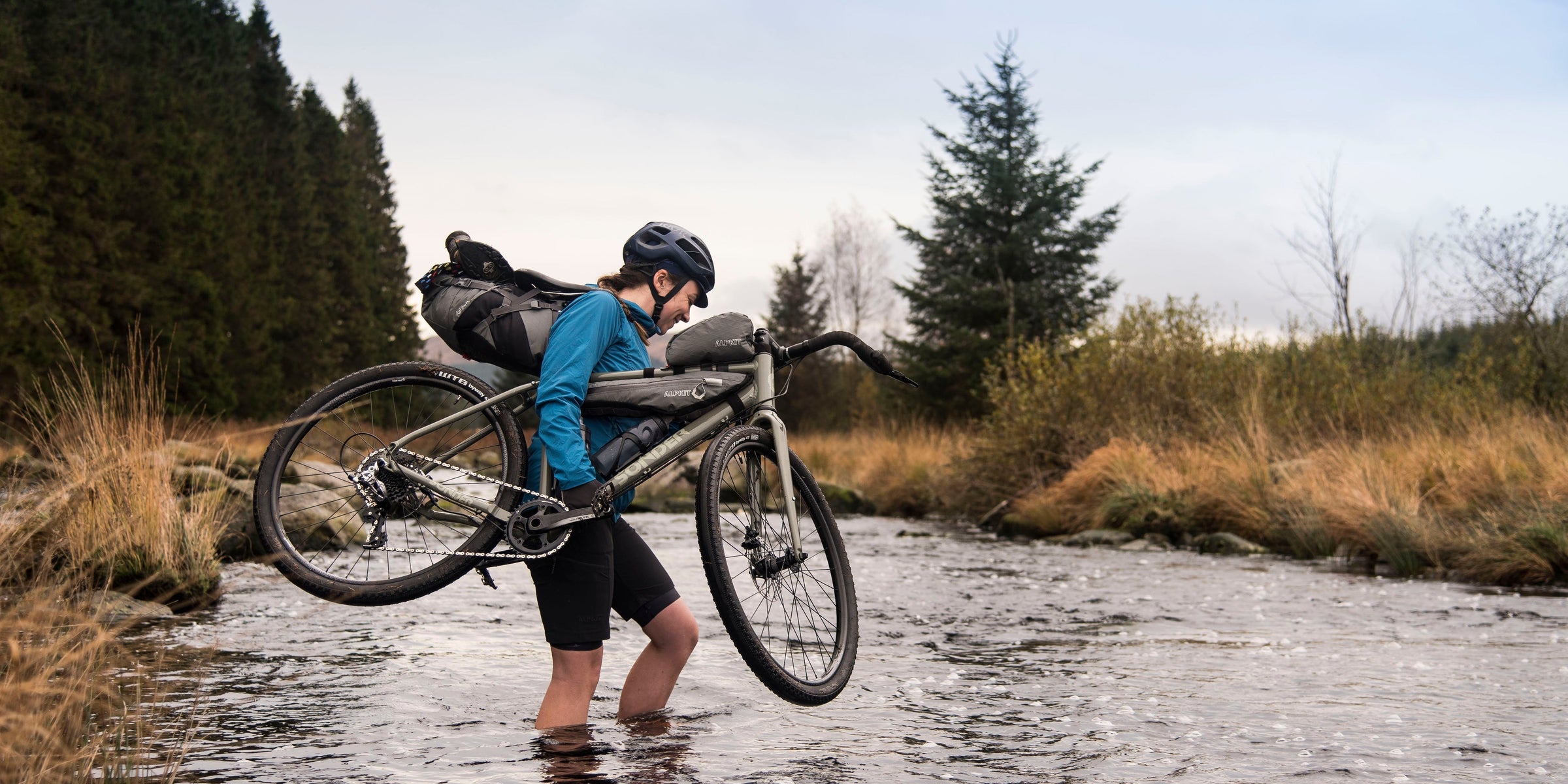
Credit: us.alpkit.com
Frequently Asked Questions
What Clothing Is Best For Bikepacking Trips?
Choose lightweight, moisture-wicking, and quick-drying clothing. Opt for breathable fabrics like merino wool or synthetic blends. Layering is essential to adjust for temperature changes on the road.
How To Pack Clothes Efficiently For Bikepacking?
Roll clothes tightly to save space and reduce wrinkles. Use compression bags or packing cubes to organize items. Prioritize versatile pieces that serve multiple purposes.
Should I Wear Cycling-specific Clothing For Bikepacking?
Yes, cycling-specific clothing improves comfort and performance. Padded shorts reduce saddle soreness. Jerseys with pockets offer easy access to essentials while riding.
How To Stay Warm During Cold Bikepacking Rides?
Layer your clothing with thermal base layers, insulating mid-layers, and windproof outer shells. Carry a lightweight, packable jacket and gloves to retain heat. Avoid cotton as it traps moisture.
Conclusion
Choosing the right clothing makes bikepacking more enjoyable. Prioritize comfort and weather-appropriate gear. Lightweight fabrics help with ease and flexibility. Layering ensures warmth and adaptability in changing conditions. Don’t forget durable materials for protection on rough trails. Breathable fabrics keep you cool and comfortable.
Remember, proper fit is crucial for long rides. Pack versatile pieces that serve multiple purposes. This simplifies your packing list. Always test your gear before the trip. Your clothing choices can make or break your adventure. Plan wisely and enjoy the ride!



