
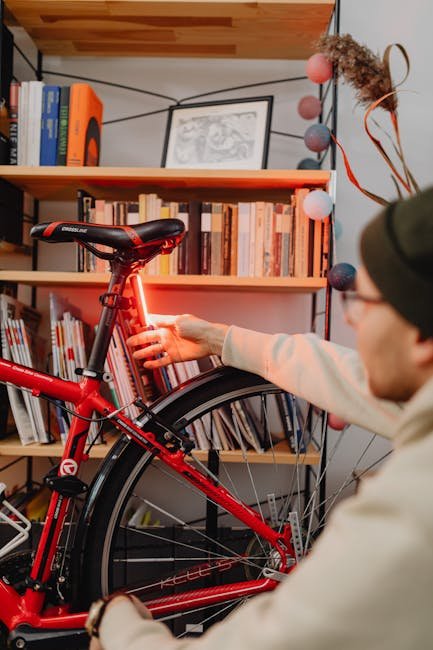
Choosing the right bike light lumens can transform your cycling experience, ensuring safety and visibility during your rides. Picture this: you’re cycling down a dimly lit path, and suddenly, a bright, reliable light guides your way.
The right lumen count isn’t just about brightness; it’s about confidence and control. This article will walk you through everything you need to know to make the best choice for your biking needs. You’ll learn how different lumen levels affect visibility and safety, making your rides smoother and more enjoyable.
Stay with us to discover how to illuminate your path effectively and enhance your cycling adventures.
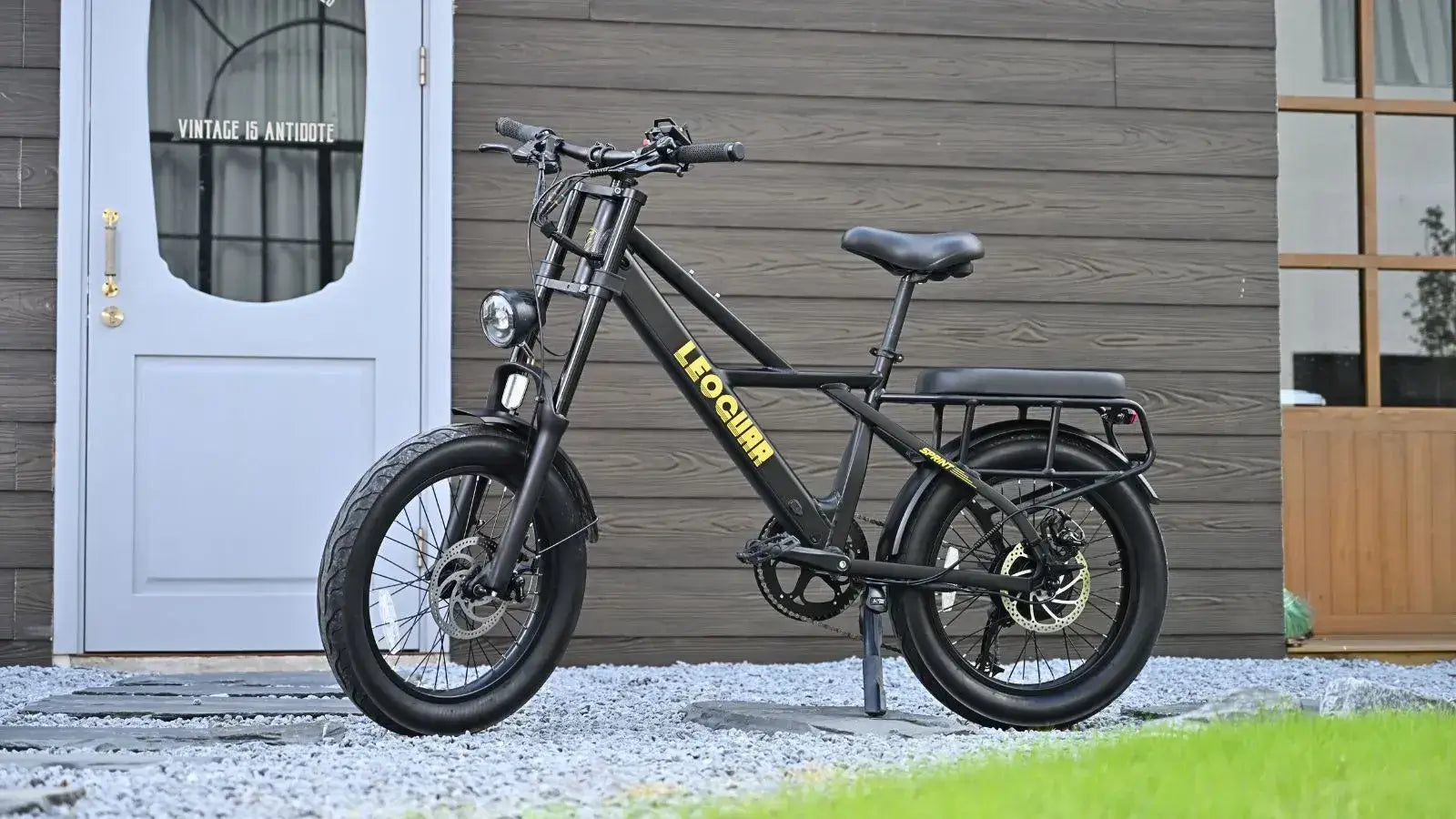
Credit: leoguarbikes.com
Choosing The Right Lumens
Selecting the right bike light lumens ensures safety and visibility. Consider your riding environment and time. Brighter lights help in dark areas, while moderate lumens are suitable for city rides.
Understanding Lumens
Lumens tell how brighta light is. More lumens mean more light. For city rides, 100 to 200 lumens work well. This is enough to see and be seen. Off-road trails need more light. Here, 400 lumens or more is better. It helps in dark areas.
Importance Of Lumens
Good lumens help keep you safe. They let others see you. Bright lights make night rides easier. For daytime, a lower lumen light can be okay. It saves battery and still makes you visible. Choose lumens based on where you ride. Remember, brighter is not always better. Find the right balance for your needs.
Factors Affecting Lumens Choice
Choose lumens based on where you ride. Bright lights help in dark places. City rides need fewer lumens due to streetlights. Trail rides need more lumens for safety. Consider the terrain and surroundings.
Weather changes how lights work. Fog or rain needs stronger lights. Dry weather might need fewer lumens. Always check if the light is water-resistant.
More lumens use more battery power. Check how long the battery lasts. Longer rides need longer battery life. Choose lights with adjustable settingsfor saving power.
Types Of Bike Lights
Front lights help see the road. They need to be bright. Look for lights with high lumens. They show more of the path. Rechargeable lights are a good choice. They save money on batteries.
Rear lights make you visible to cars. Choose lights with flashing modes. These lights grab attention. Red lights are best for the rear. They are easy to see in the dark. Always check the battery life.
Helmet lights give extra visibility. They point where you look. This helps on dark roads. They are often lightweight. Choose a helmet light with adjustable straps. This keeps it secure while you ride.
Lumens Recommendations For Different Rides
Choosing the right bike light lumens ensures safety and visibility. For city rides, 100 to 200 lumens work well, while trail riding needs 600 lumens or more. Consider the environment and type of ride to select the appropriate brightness level.
Commuting
Choose lights with at least 100-200 lumensfor city rides. These lumens are enough to see and be seen. Bright lights help in busy areas. Higher lumens may be needed in dark streets. Consider lights with flash modes for extra visibility.
Road Cycling
For road cycling, aim for 200-600 lumensor more. This range helps during night rides. Bright lights keep you safe on open roads. You need to see far ahead. This ensures you avoid obstacles. Consider lights with long battery life.
Mountain Biking
Mountain biking needs 600-1000 lumensor higher. Trails are dark and uneven. Bright lights help spot rocks and roots. You need clear vision for safe riding. Choose durable lights for rough paths. Consider weather-resistant options.
Balancing Brightness And Safety
Balancing brightness and safety is key when selecting bike light lumens. Choose lights that enhance visibility without blinding others. Consider conditions like urban or rural settings to find the right lumen level for safe cycling.
Avoiding Over-illumination
Too much light can be bad. It can blind other riders. Balance is key for safe biking. Choose a light that is not too bright. High lumen lights are powerful. They can make shadows hard to see. This can be dangerous for bikers. Moderate brightness helps others on the road. It also keeps you safe.
Ensuring Visibility
Visibility is very important for biking. A good bike light helps you see and be seen. Choose lights with at least 200 lumens for city riding. For dark roads, 500 lumens or more may be needed. Bright lights help cars see you. This keeps you safe from accidents. Adjustable lights are helpful. You can change brightness based on need.
Expert Tips For Selecting Lumens
Choosing the right lumens for a bike light involves considering riding conditions and visibility needs. Daytime rides may require fewer lumens, while nighttime rides benefit from brighter lights for safety. Balancing brightness with battery life ensures optimal performance.
Assessing Personal Needs
Choose lumens based on your biking environment. Bright lights are good for dark areas. Use lower lumens for well-lit roads. Consider your speed and terrain. Faster riders need more lumens. Off-road biking requires brighter lights.
Consulting With Experts
Talk to bike shop staff. They know lumens and light types. Ask for advice on lumens for your bike. Experts can suggest what works best. Discuss your biking habits. Their advice can help you choose wisely.
Testing Before Buying
Try lights in the store. Test for brightness and range. Look at how far the light shines. Check the battery life. Some lights last longer than others. Seeing them in action helps you decide.
Maintaining Your Bike Light
Selecting the right bike light lumens ensures safe rides. Consider the type of riding and lighting conditions. For city rides, 200 lumens may suffice, while off-road trails might require 800 lumens or more.
Regular Cleaning
Bike lights get dirty fast. Dust and mud can cover them. Clean the lights with a soft cloth. Use a bit of mild soap and water. Avoid harsh chemicals. They can damage the lights. Clean lights shine brighter and keep you safe.
Checking Battery Performance
Batteries need regular checks. Weak batteries give dim light. Make sure batteries are charged well. Replace old batteries soon. Check battery contacts for rust. Clean them if needed. Keeping batteries in good shape is important for safety.

Credit: leoguarbikes.com

Credit: www.youtube.com
Frequently Asked Questions
How Many Lumens Should Your Bike Light Be?
Choose a bike light with 200 lumens for urban areas. Opt for 800 lumens or more for rural or dark trails. Ensure your light is water-resistant and durable for safety. Consider rechargeable options for convenience and sustainability.
Is 800 Lumens Enough For Night Riding?
800 lumens is generally adequate for night riding, offering decent visibility. For enhanced safety, consider brighter options. Terrain and speed affect lighting needs, so adjust accordingly. Ensure your light has a wide beam pattern for better peripheral vision. Always prioritize safety by wearing reflective gear and using multiple lights.
How Bright Is A 200 Lumen Bike Light?
A 200 lumen bike light provides moderate brightness, suitable for urban riding at night. It enhances visibility and safety. Ensure proper beam focus for optimal performance. Ideal for city streets with ambient lighting, but may not suffice for dark trails.
Always consider road conditions and personal comfort when choosing light intensity.
How Many Lumens Do I Need For Night Bike Riding?
For night bike riding, aim for 600 to 1000 lumens. This ensures sufficient visibility and safety. Choose lights that offer adjustable brightness and a wide beam pattern for optimal road illumination. Higher lumen counts may be needed for off-road biking or poorly lit areas.
Always prioritize your safety.
Conclusion
Choosing the right bike light lumens makes cycling safer. Start by knowing your riding conditions and needs. Bright lights help in low light areas. Lower lumens suit well-lit streets. Consider battery life for longer rides. Remember, more lumens offer better visibility.
Check compatibility with your bike before buying. Test the light before heading out. A good choice enhances your cycling experience. Keep safety a priority. Investing in the right lumens can make your rides enjoyable. Make informed decisions for the best biking experience.
Happy cycling!



