
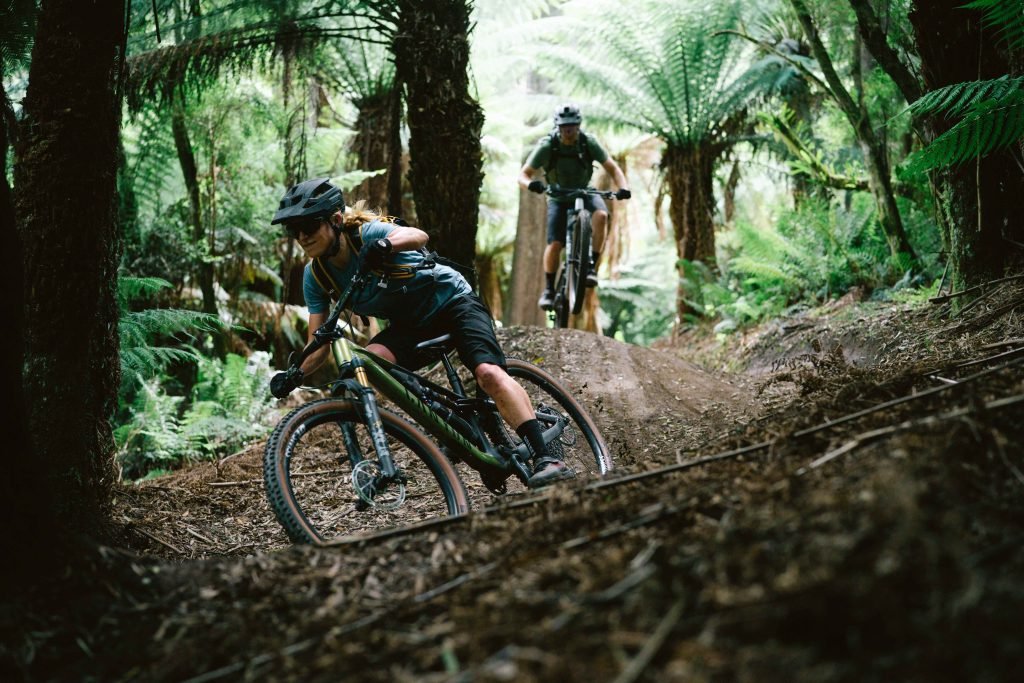
Choosing the right mountain bike can make all the difference when you hit the trails. But with so many options out there, how do you pick the best women’s mountain bike for your needs?
You want a bike that fits your body, matches your riding style, and keeps you comfortable and confident on every ride. In this guide, you’ll discover simple yet powerful tips to help you find a bike that feels like it was made just for you.
Keep reading, and get ready to transform your trail experience.
Key Features Of Women’s Mountain Bikes
Choosing the right mountain bike for women involves looking at special features. These features help riders enjoy their trail rides more.
Women’s mountain bikes have unique designs and parts to fit their needs better. Understanding these features makes picking easier.
Frame Design And Geometry
Women’s mountain bike frames often have smaller sizes and shapes. These frames fit better and feel more comfortable.
The geometry of the frame affects balance and control. Bikes with a shorter top tube and lower standover height suit women well.
- Smaller frame sizes for shorter riders
- Lower standover height for easy mounting
- Shorter reach to improve control
- Lightweight materials for easier handling
Suspension Types
Suspension helps absorb bumps on rough trails. Women’s mountain bikes come with different suspension setups.
Hardtail bikes have front suspension only. Full suspension bikes have both front and rear suspension for better comfort.
- Hardtail: lighter and easier to maintain
- Full suspension: smoother ride on rough trails
- Choose based on trail difficulty and budget
Wheel Size Options
Wheel size affects bike speed and control. Common sizes are 27.5 inches and 29 inches for women’s mountain bikes.
Smaller wheels offer better handling on tight trails. Larger wheels roll over obstacles easier and keep speed well.
- 27.5-inch wheels: agile and quick handling
- 29-inch wheels: smooth rolling over rough terrain
- Pick size based on trail type and riding style
Brake Systems
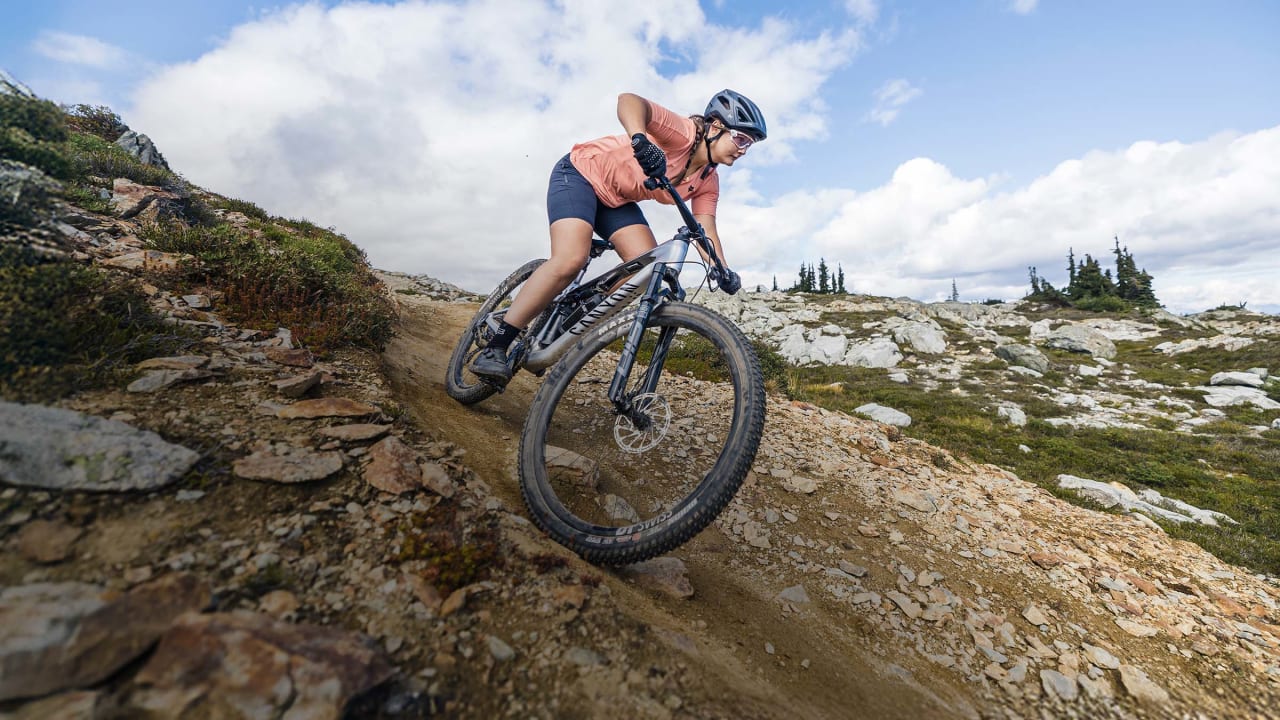
Good brakes are important for safety and control on trails. Women’s mountain bikes usually have disc brakes.
Disc brakes work well in wet and muddy conditions. They provide strong stopping power and need less hand strength.
- Hydraulic disc brakes: strong and smooth braking
- Mechanical disc brakes: easier to fix and maintain
- Avoid rim brakes for better performance on trails
Credit: www.canyon.com
Choosing The Right Fit
Picking a women’s mountain bike that fits well is key for comfort and control on trails. A good fit helps avoid pain and injury. It also makes riding more fun and efficient.
This guide covers sizing your bike, adjusting seat and handlebar height, and tips for test riding. Each part helps you find the best bike for your body and riding style.
Sizing Your Bike
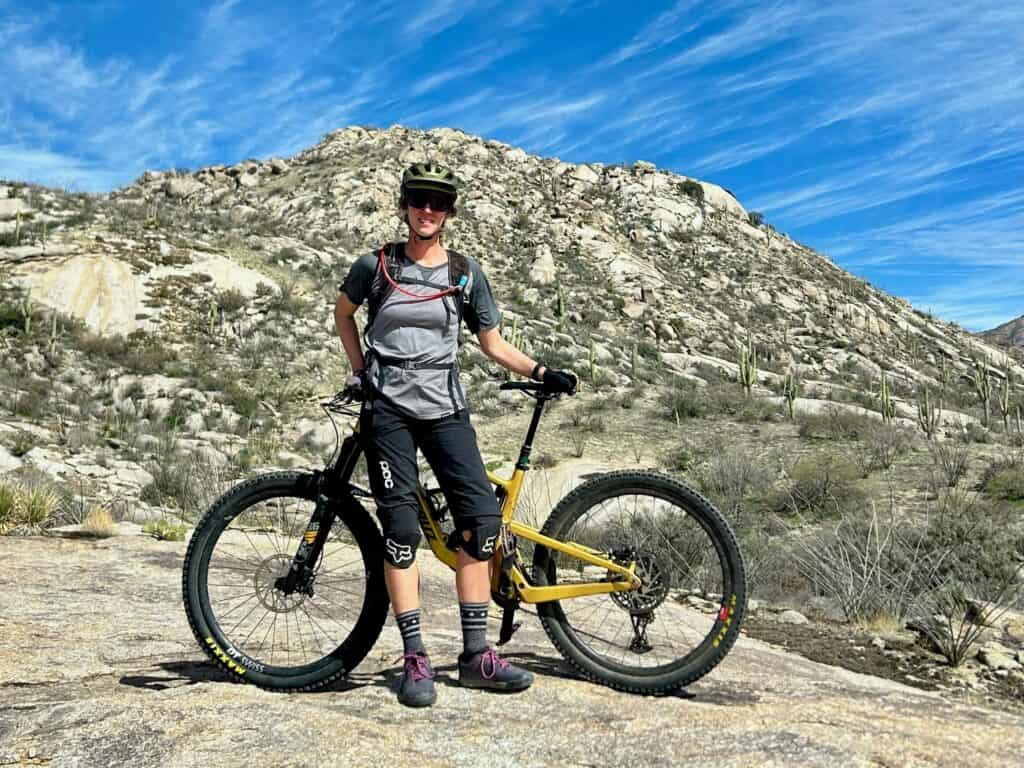
Start by choosing a bike frame size that matches your height and leg length. Women’s mountain bikes often have smaller frames and narrower handlebars to fit better.
| Height | Suggested Frame Size |
|---|---|
| 4’10” – 5’2″ | 13″ – 15″ |
| 5’3″ – 5’6″ | 15″ – 17″ |
| 5’7″ – 5’10” | 17″ – 19″ |
| 5’11” and above | 19″ – 21″ |
Adjusting Seat And Handlebar Height
Correct seat and handlebar height improve riding comfort and bike control. Adjust both to fit your body and riding style.
- Set seat height so your leg is almost straight when the pedal is at its lowest point.
- Raise or lower handlebars to avoid strain on your back and wrists.
- Make small adjustments and test ride before finalizing positions.
Test Riding Tips
Try the bike on different trail types to check comfort and handling. Focus on how the bike feels during climbs, descents, and turns.
- Check if you can stand over the frame with both feet flat on the ground.
- Ensure easy reach to brakes and gear shifters.
- Ride on rough and smooth trails to test suspension and control.
- Notice any discomfort in your knees, back, or hands.
Trail-specific Bike Considerations
Choosing the right mountain bike for trails is key for a good ride. Different trails need different bike features. Knowing these helps pick the best bike.
This guide covers important points about trail-specific bikes. It explains what to look for in cross-country, downhill, and general trail riding.
Cross-country Vs. Trail Riding
Cross-country (XC) bikes are made for speed and efficiency on smoother trails. Trail bikes offer more control on rough paths. Each type fits different riding styles.
- Cross-Country:Lightweight frame, less suspension travel, faster on climbs.
- Trail:Heavier frame, more suspension, better handling on technical terrain.
- Riding Style:XC suits long rides and climbs; trail suits rocky and steep descents.
Downhill And Enduro Needs
Downhill and enduro bikes face tough conditions. They need strong parts and shock absorption. These bikes are built for speed and control on steep trails.
| Feature | Downhill Bikes | Enduro Bikes |
| Suspension Travel | 200mm or more | 150-170mm |
| Frame Strength | Very strong, heavy | Strong but lighter than downhill |
| Weight | Heaviest | Moderate |
| Use | Steep, fast descents | Mixed climbs and descents |
Durability And Weight
Bikes must balance durability and weight. A strong bike lasts longer but may be heavier. A light bike is easy to handle but must still be tough.
Key points to consider:
- Check the frame material: aluminum is light; carbon is lighter and strong.
- Look for reinforced parts like strong wheels and sturdy tires.
- Consider your trail type to decide how much weight you can handle.
Essential Components To Check
Choosing the best women’s mountain bike means looking at key parts. These parts affect comfort and performance on trails.
Check the bike’s components closely. This helps you find a bike that fits your riding style and trail needs.
Gearing And Drivetrain
The gearing system controls how easy it is to pedal uphill or fast on flat ground. Look for smooth shifting and reliable parts.
A good drivetrain has enough gears to handle different trail types. It should be simple to use and maintain.
- Check for multiple gears (usually 10-12 speeds)
- Look for brands known for durability
- Choose a drivetrain that fits your skill level
Tires And Traction
Tires must grip well on dirt, rocks, and mud. Wider tires offer more stability and comfort on rough trails.
Look at the tread pattern. Deep treads work well for loose or wet surfaces. Shallower treads are good for hard-packed trails.
- Choose tire width based on trail type
- Check for puncture-resistant materials
- Consider tubeless tires for fewer flats
Pedals And Accessories
Pedals affect how your feet stay on the bike. Flat pedals suit beginners and casual riders. Clipless pedals offer more control.
Extra accessories can improve your ride. Think about grips, saddle comfort, and protective gear mounts.
- Pick pedals that match your riding style
- Look for comfortable saddle options
- Consider adding lights or a water bottle holder
Budgeting And Brand Selection
Choosing the best women’s mountain bike for trails needs careful budgeting. You want a bike that fits your money and your riding style.
Picking the right brand also matters. Some brands offer better quality and support for women’s bikes.
Balancing Cost And Quality
Good bikes cost more but last longer. Cheap bikes might need repairs often.
Look for bikes with strong frames and reliable parts. These add to the bike’s quality and safety.
- Set a budget that fits your finances
- Check bike materials like aluminum or carbon
- Focus on important parts like brakes and gears
- Read reviews to see if quality matches the price
Top Brands For Women’s Bikes
Some brands design bikes specifically for women. They focus on fit and comfort on trails.
Choose brands known for quality and good customer service. This helps with repairs and parts.
- Trek: Known for women’s specific designs
- Specialized: Offers many models for female riders
- Giant: Good balance of price and quality
- Liv: A brand dedicated to women’s mountain bikes
When To Invest In Upgrades
Start with a basic bike that fits well. Upgrades can improve your ride later.
Upgrade parts after you know your riding needs. Focus on comfort and performance.
- Upgrade tires for better grip on trails
- Switch to better brakes for safety
- Consider a lighter frame if you ride often
- Add a dropper post for easier handling on hills
Credit: www.switchbacktravel.com
Maintenance Tips For Longevity
Keeping your women’s mountain bike in good shape helps it last longer. Regular care prevents breakdowns and keeps rides smooth.
Follow simple maintenance tips to protect your bike on every trail ride. This guide covers cleaning, suspension, and brake and gear care.
Regular Cleaning
Clean your bike after every ride, especially if you ride on muddy trails. Dirt and grime can damage parts and reduce performance.
- Use a soft brush to remove mud from the frame and tires.
- Wash the chain with a degreaser to remove old oil and dirt.
- Rinse the bike gently with water, avoiding high-pressure streams.
- Dry the bike with a clean cloth to prevent rust.
Suspension Care
Suspension keeps your ride smooth on rough trails. Clean and check it regularly to avoid damage.
| Task | Frequency | Tips |
| Clean suspension forks | After every ride | Wipe stanchions with a soft cloth |
| Check for oil leaks | Monthly | Look for oil spots near seals |
| Service suspension | Every 50 hours of riding | Follow manufacturer’s instructions |
Brake And Gear Adjustments
Proper brake and gear function is key for safety and control. Adjust and inspect them often to keep your bike ready.
- Check brake pads for wear and replace if thin.
- Adjust brake cables to ensure firm stopping power.
- Shift through all gears and listen for noise.
- Tighten or loosen gear cables to avoid slipping.
- Lubricate the derailleur to help smooth shifting.
Credit: www.twowheeledwanderer.com
Frequently Asked Questions
What Features Make A Mountain Bike Ideal For Women?
Women’s mountain bikes have a smaller frame, narrower handlebars, and a shorter top tube for comfort and better control. They often feature softer suspension tuned for lighter riders, enhancing trail performance and reducing fatigue.
How To Choose The Right Frame Size For Women’s Mountain Bikes?
Measure your inseam and compare it with the bike’s standover height. A proper frame size ensures comfort, better handling, and reduces injury risk during trail rides.
Why Is Suspension Important For Women’s Mountain Bikes?
Suspension absorbs shocks from rough trails, improving comfort and control. Women-specific bikes usually have softer suspension settings to match lighter rider weights and enhance trail responsiveness.
What Type Of Tires Suits Women’s Mountain Bikes Best?
Wider tires with aggressive tread patterns provide better grip and stability on trails. Women’s bikes often use tires optimized for weight and terrain type, ensuring safer and smoother rides.
Conclusion
Choosing the right women’s mountain bike makes trail riding more fun and safe. Focus on fit, suspension, and tire type for your trails. A good bike matches your body and skill level well. Test rides help find comfort and control.
Remember, a better bike helps you enjoy nature and exercise. Keep your needs clear and choose wisely. Enjoy every ride with confidence and style. Trails await.



