
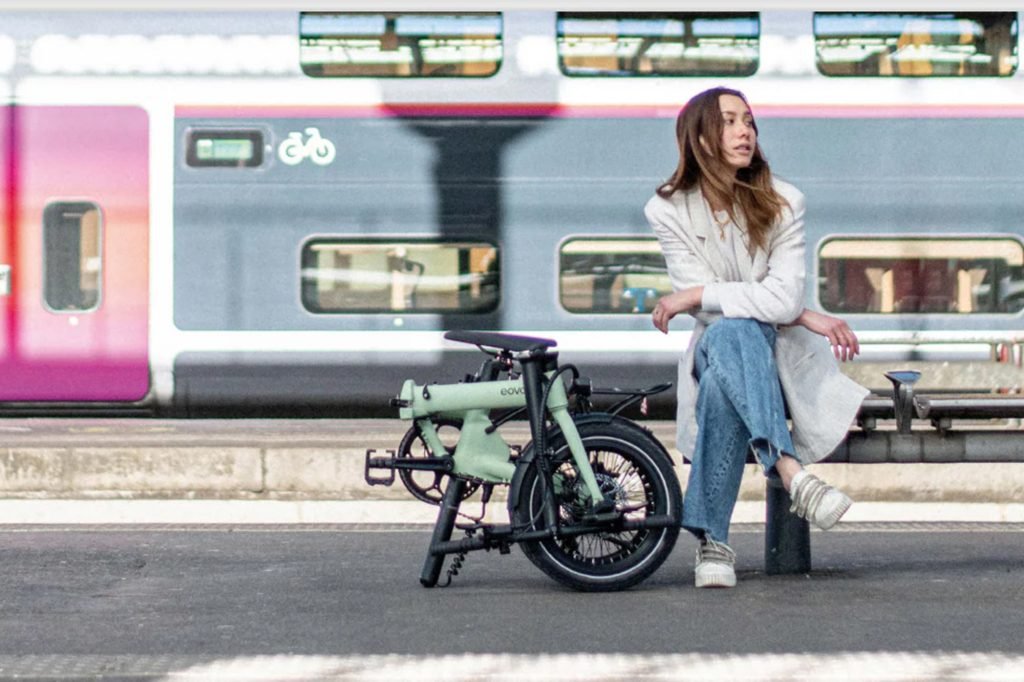
Choosing the perfect all-season commuter bike can change the way you move through your day. Whether you’re heading to work, running errands, or just enjoying a ride, the right bike makes every trip smoother and more enjoyable.
But with so many options out there, how do you find one that fits your needs, style, and the changing weather? This guide will help you discover exactly what to look for, so you can pick a bike that keeps you comfortable, confident, and ready to ride no matter the season.
Keep reading to unlock the secrets to your ideal all-season commuter bike.
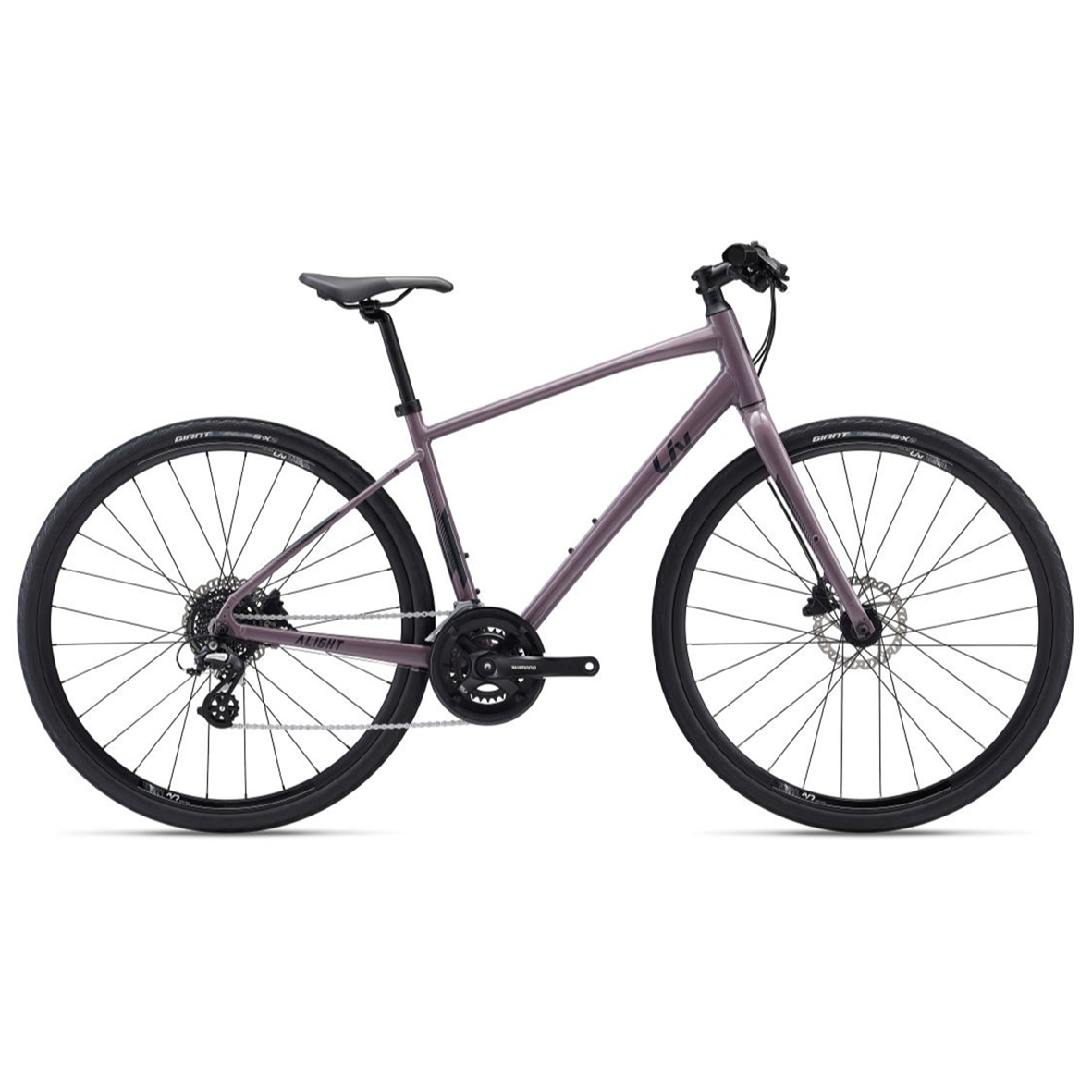
Credit: www.cyclingnews.com
Key Features Of All-season Commuter Bikes
Choosing the right commuter bike for all seasons means knowing the key features. These features help you ride comfortably and safely every day.
This guide covers important parts to consider, from frame to fit, so you can select a bike that suits your needs.
Frame Materials And Design
Frames come in different materials like aluminum, steel, and carbon. Aluminum is light and rust-resistant. Steel is strong and smooth but heavier. Carbon is very light but costly.
The design affects comfort and riding style. Look for frames with a relaxed geometry for easy handling. Some bikes have extra mounts for racks and fenders, useful in all seasons.
Tire Types And Sizes
Tires must handle wet, dry, and rough roads well. Wider tires offer better grip and comfort. Some tires have tread patterns to improve traction in rain or snow.
- Narrow tires (23-28mm): Fast on smooth roads but less stable in bad weather.
- Medium tires (32-38mm): Good balance of speed and comfort.
- Wide tires (40mm+): Best for rough roads and slippery conditions.
Braking Systems
Reliable brakes are vital for safety in all conditions. There are two main types: rim brakes and disc brakes. Disc brakes work well in wet or muddy weather. Rim brakes are lighter but less effective in rain.
| Brake Type | Advantages | Disadvantages |
| Rim Brakes | Lightweight, easy to maintain | Less stopping power in rain |
| Mechanical Disc Brakes | Better wet-weather performance | Needs regular adjustment |
| Hydraulic Disc Brakes | Strongest stopping power, low maintenance | More expensive |
Gear Options
Gears help you pedal easily on hills and flats. Internal hub gears need less maintenance and keep clean. External derailleur gears offer more options but require more care.
- Internal hub: Quiet, low maintenance, fewer gears.
- Derailleur: Wide gear range, good for varied terrain.
Comfort And Fit
A good fit prevents pain and injury. Look for adjustable seats and handlebars. Comfort features include padded saddles, ergonomic grips, and suspension forks to absorb bumps.
| Comfort Feature | Benefit |
|---|---|
| Padded Saddle | Reduces seat pressure |
| Ergonomic Grips | Prevents hand fatigue |
| Adjustable Handlebars | Customizes riding position |
| Suspension Fork | Absorbs road shocks |
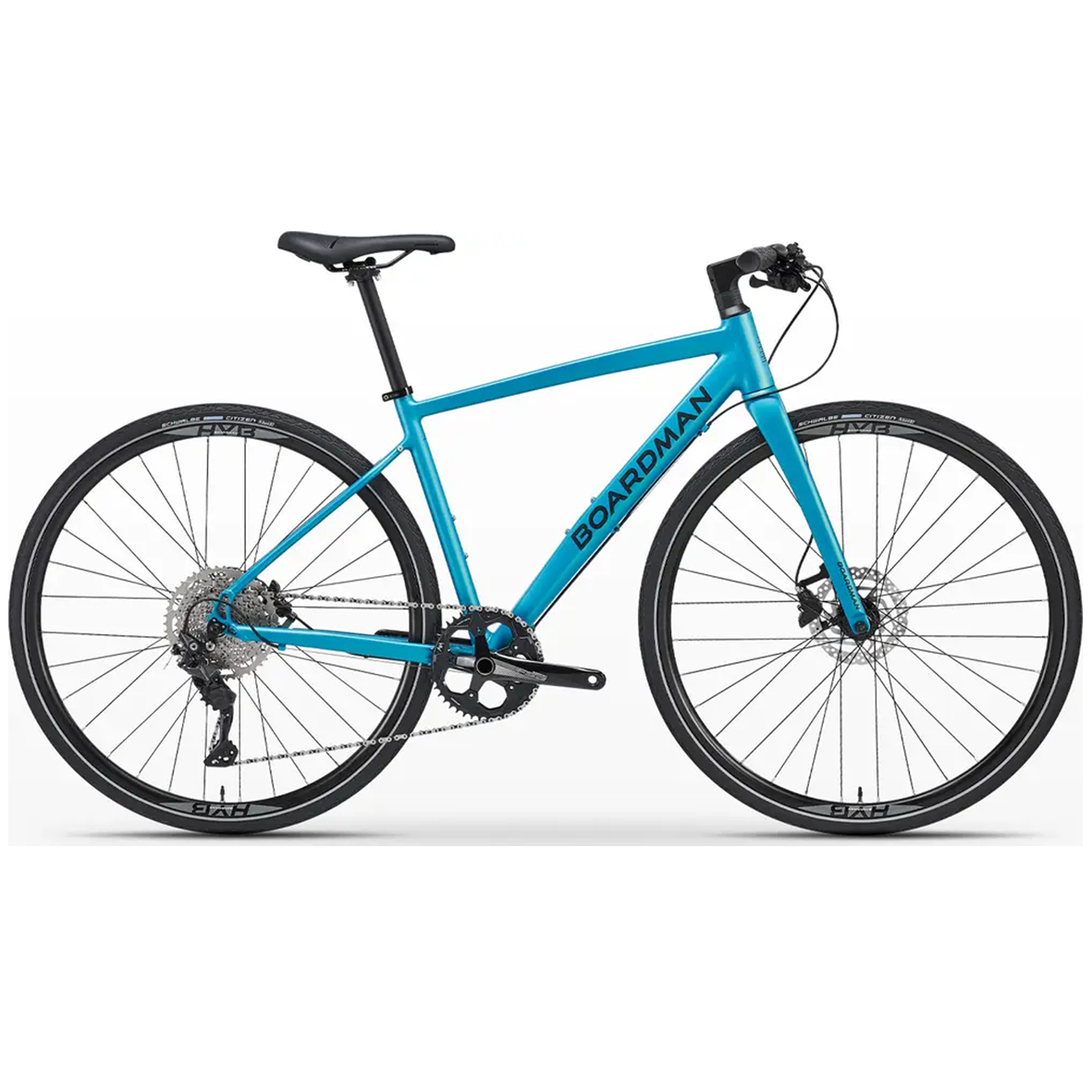
Credit: www.cyclingnews.com
Why Choose A Bike Designed For Women
Women’s bikes are built to fit women’s bodies better. This makes riding more comfortable and safe.
Choosing a bike designed for women helps avoid strain and improves control during rides.
Ergonomic Considerations
Women usually have shorter arms and legs than men. Bikes made for women adjust to these differences.
Ergonomic designs help reduce pain in the back, neck, and wrists during long rides.
- Shorter reach to handlebars
- Lower standover height
- Smaller grips for hands
Frame Geometry Differences
Women’s bike frames have different shapes. This helps fit the natural body shape better.
The frame size and angles help improve balance and make pedaling easier.
- Shorter top tubes
- Sloping top tubes for easier mounting
- Compact frame design for better control
Handlebar And Saddle Choices
Handlebars on women’s bikes are often narrower. This fits smaller shoulder widths better.
Saddles are designed to support women’s sit bones and reduce discomfort during rides.
- Narrower handlebars for better reach
- Softer, wider saddles shaped for women
- Saddles with cutouts to reduce pressure
Weather-resistant Components
Choosing an all-season commuter bike for women means picking parts that stand up to rain, snow, and mud. Weather-resistant components keep your bike working well and looking good year-round.
Focus on materials and features that protect your bike from rust, dirt, and low visibility. These parts make your rides safer and easier in all weather conditions.
Rust-resistant Materials
Select bike frames and parts made from rust-resistant materials. Aluminum and stainless steel resist corrosion better than regular steel. Powder-coated finishes add extra protection.
- Aluminum frames for light weight and rust resistance
- Stainless steel chains and bolts
- Powder-coated or painted surfaces to block moisture
- Sealed bearings to keep water out
Fenders And Mudguards
Fenders and mudguards help keep water and mud off your clothes. Look for full-length fenders that cover both wheels. Plastic or metal fenders are common choices.
| Type | Material | Benefit |
| Full-length Fender | Metal | Strong and durable |
| Full-length Fender | Plastic | Light and rust-proof |
| Partial Mudguard | Plastic | Lightweight but less coverage |
Lighting And Visibility Features
Good lights increase your safety in low light and bad weather. Choose bikes with built-in front and rear lights. Reflectors on pedals and wheels help too.
- Bright LED front and rear lights
- Reflective strips on tires or frame
- Light sensors for automatic on/off
- Easy-to-reach switches for quick use
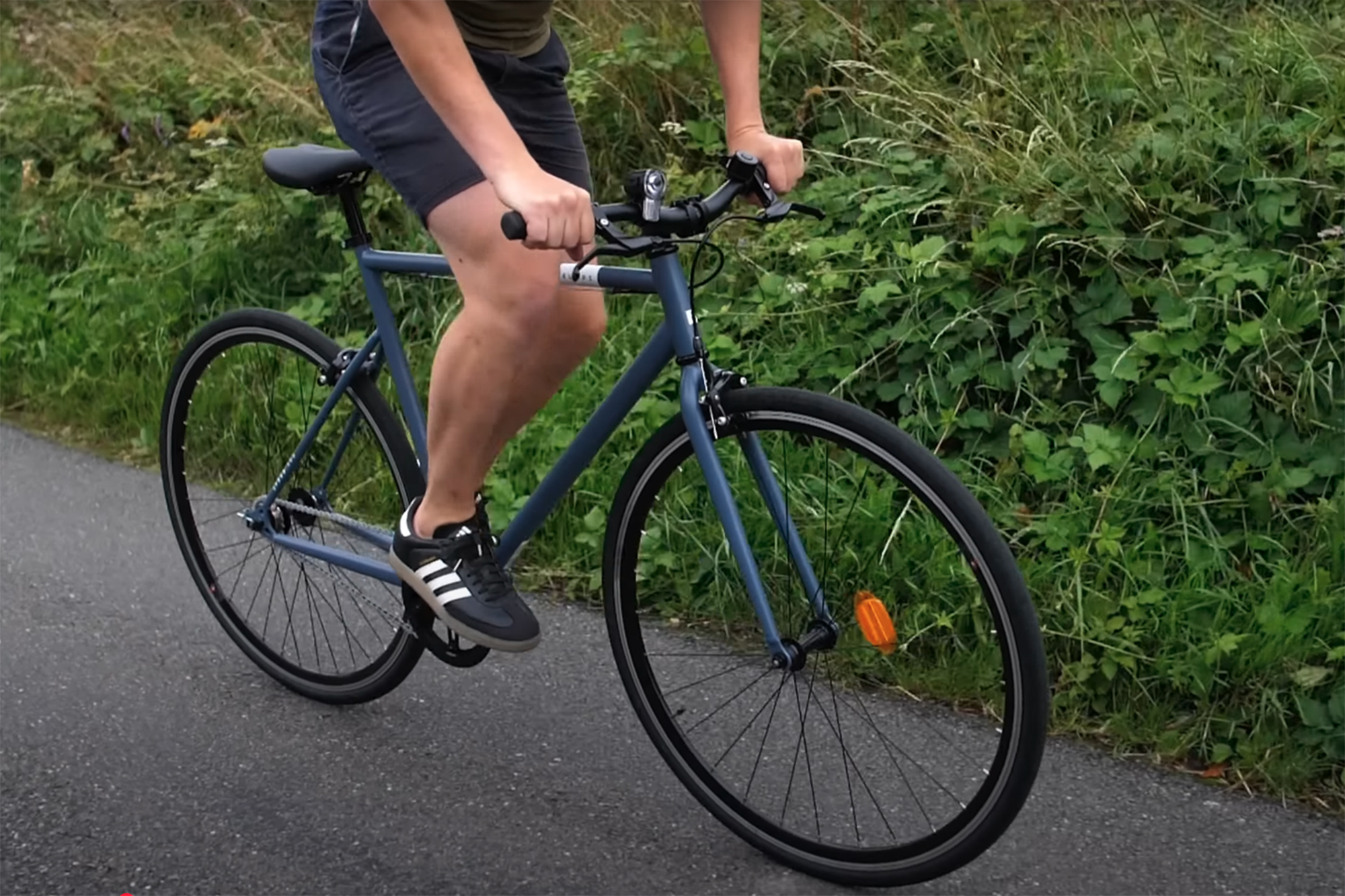
Credit: www.cyclingweekly.com
Sizing And Fit Tips
Choosing the right size and fit is key for all-season commuter bikes for women. A good fit keeps you comfortable and safe on every ride.
Pay attention to your body measurements and bike adjustments. These help you find a bike that feels just right.
Measuring Your Inseam And Height
Measure your height without shoes against a wall. Stand straight and use a book to mark the top of your head.
To measure your inseam, stand with your feet about 6 inches apart. Measure from the floor to your crotch using a tape measure.
- Height helps find the right frame size
- Inseam measurement helps set seat height
- Use both numbers to compare with bike size charts
Test Riding For Comfort
Take the bike for a short ride before buying. Notice how it feels when you pedal and steer.
Check if you can reach brakes and gears easily. Make sure your knees do not hit the handlebars.
- Ride on flat and slightly uneven roads
- Try different speeds and turns
- Listen for any strange noises or discomfort
Adjusting Seat And Handlebar
Adjust the seat height so your leg is almost straight when the pedal is at its lowest point.
Set the handlebars at a height that feels natural. Avoid reaching too far forward or bending too much.
- Seat height affects pedaling efficiency
- Handlebar position affects comfort and control
- Make small changes and test ride again
Budgeting For Your Commuter Bike
Choosing the right commuter bike means thinking about your budget. Bikes come in many price ranges. Knowing what to expect helps you find the best bike for your money.
Consider how often you will ride and where. This affects how much you want to spend. Budgeting helps you avoid overspending or buying a bike that lasts too short.
Price Ranges And What To Expect
Commuter bikes for women usually cost between $300 and $1,500. Each price range offers different features and quality. Knowing this helps you pick the right bike.
- Under $500:Basic bikes, heavy frames, fewer gears.
- $500 to $1,000:Better parts, lighter frames, more gears.
- Above $1,000:High-quality materials, advanced features, light weight.
More expensive bikes last longer and ride smoother. Cheaper bikes work well for short trips or occasional use.
Balancing Quality And Cost
Find a balance between price and quality. A cheap bike might need repairs soon. A very expensive bike may have features you don’t need.
Look for bikes with strong frames and good brakes. These parts keep you safe. Choose a bike that fits your daily ride and budget.
- Check frame material: aluminum is light and affordable.
- Look for reliable brakes like disc or rim brakes.
- Test ride to feel comfort and control.
- Read reviews on bike durability and parts.
Additional Accessories To Consider
Accessories add to your bike cost but improve safety and comfort. Budget for extras like lights, locks, and fenders.
- Lights:Needed for early mornings or evenings.
- Locks:Protect your bike from theft.
- Fenders:Keep you dry on wet roads.
- Helmet:Essential for safety.
- Rack or basket:Carry your bags or groceries.
Plan your total budget including these extras. This helps avoid surprises and ensures your bike fits all your needs.
Top Brands And Models For Women
Choosing an all-season commuter bike for women can be simple with the right knowledge. Many brands offer models designed for comfort and durability year-round.
This guide highlights popular options, key features, and what customers say about these bikes.
Popular All-season Options
Many brands design bikes specifically for women that handle all weather conditions. These models balance style, function, and comfort.
- Trek Verve 3 Women’s – Lightweight and stable with good tire grip.
- Specialized Sirrus X 4.0 – Durable frame and wide tires for rough roads.
- Giant Escape 2 Disc – Reliable brakes and comfortable seating.
- Cannondale Quick CX 3 – Sporty design with shock absorption.
- Co-op Cycles CTY 1.1 – Affordable with a versatile build.
Features That Stand Out
| Feature | Benefit | Example Model |
| Step-through frame | Easier mounting and dismounting | Trek Verve 3 Women’s |
| Hydraulic disc brakes | Strong stopping power in wet conditions | Specialized Sirrus X 4.0 |
| Wide tires | Better grip and comfort on rough roads | Cannondale Quick CX 3 |
| Fenders and racks | Protection from splashes and cargo carrying | Co-op Cycles CTY 1.1 |
| Adjustable handlebars | Custom comfort and posture support | Giant Escape 2 Disc |
Customer Reviews And Feedback
Women who use these bikes often praise comfort and durability. Many note the ease of riding in rain and cold weather.
- Comfortable seating allows for long rides without pain.
- Reliable brakes increase confidence on slippery roads.
- Lightweight frames make daily commuting easier.
- Good tire traction reduces slipping in wet conditions.
- Some users want more color options for style.
Maintenance Tips For Longevity
Keeping your all-season commuter bike in good shape helps it last longer. Regular care saves money and ensures safe rides.
Simple maintenance tasks can prevent big problems. Follow these tips to keep your bike running smoothly all year.
Regular Cleaning And Lubrication
Clean your bike after every few rides, especially if you ride in rain or dirt. Use a soft brush and mild soap.
- Wash the frame, wheels, and chain gently
- Dry the bike completely to avoid rust
- Apply bike-specific lubricant to the chain and moving parts
- Wipe off excess lubricant to prevent dirt buildup
Seasonal Tune-ups
Check your bike at the start of each season. Inspect brakes, gears, and tires for wear or damage.
| Component | What to Check | How Often |
| Brakes | Pad wear and cable tension | Every 3 months |
| Gears | Shifting smoothness and cable stretch | Every 3 months |
| Tires | Pressure and tread wear | Monthly |
| Chain | Stretch and lubrication | Monthly |
Storage Recommendations
Store your bike in a dry place away from direct sunlight. This prevents rust and damage to parts.
Follow these storage tips:
- Keep your bike indoors or under cover
- Use a bike cover if storing outside
- Hang the bike or use a stand to avoid tire pressure loss
- Remove accessories that can get damaged
Frequently Asked Questions
What Features Should Women Look For In Commuter Bikes?
Women should seek lightweight frames, comfortable seats, and adjustable handlebars. Good gear range and durable tires suit all-season rides.
How To Choose The Right Size For A Commuter Bike?
Measure your inseam and height. Match them to the bike’s frame size chart for a comfortable fit and safe ride.
Are All-season Commuter Bikes Suitable For Rain And Snow?
Yes, all-season bikes have weather-resistant components and wider tires. They provide stability and comfort in rain and light snow.
What Materials Are Best For All-season Commuter Bikes?
Aluminum and steel frames offer durability and rust resistance. These materials handle varied weather and provide a smooth ride.
Conclusion
Choosing the right all-season commuter bike for women is simple. Consider comfort and durability. Think about your daily route and terrain. Check the bike’s weight and ease of use. A lighter bike makes commuting easier. Ensure the seat is comfortable for longer rides.
Safety matters, so look for quality brakes and lights. Don’t forget the bike’s style. You should feel confident and happy while riding. Test different bikes if possible. Always prioritize your needs and preferences. With careful selection, enjoy a smooth and pleasant ride all year round.



