
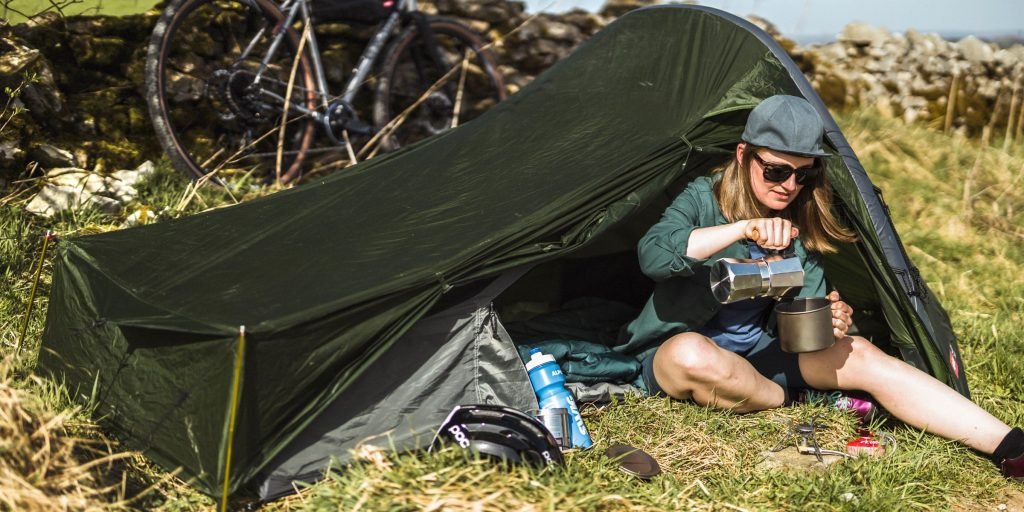
Choosing the right tent can make or break your bikepacking trip. You need something tough enough to handle rough weather but light enough to carry without slowing you down.
Imagine setting up your tent after a long day, knowing it will keep you safe and comfortable through the night. This guide will help you pick a durable tent that fits your needs perfectly, so you can focus on the adventure ahead without worrying about your shelter.
Keep reading to discover the key features that will protect you and make your ride smoother.
Key Tent Features For Bikepacking
Choosing the right tent is important for bikepacking trips. Your tent must be strong and easy to carry.
Look for features that keep you safe and comfortable on the road. This guide covers key tent features.
Material Durability
Tent materials must resist tears and rough use. Strong fabrics last longer on tough trails.
Look for ripstop nylon or polyester. These fabrics handle sharp branches and rocks well.
- Ripstop nylon: strong and lightweight
- Polyester: resists UV damage better
- Reinforced seams add extra strength
Weight Considerations
Bikepacking requires a tent that is light to carry. Heavy tents make pedaling harder.
Choose tents under 4 pounds if possible. Ultralight tents reduce load without losing strength.
- Look for lightweight poles like aluminum or carbon
- Light fabrics help reduce overall weight
- Minimalist designs cut extra weight
Compactness And Packability
Your tent should pack small to fit bike bags easily. Bulky tents take up too much space.
Check packed tent size before buying. Smaller packs fit better and balance your bike load.
- Use stuff sacks to compress the tent
- Look for tents with fewer poles
- Choose a simple design for easier packing
Weather Resistance
A good bikepacking tent protects you from rain, wind, and cold. Weather resistance is key.
Look for waterproof fabrics and strong rain flies. Good ventilation helps reduce condensation.
- Waterproof rating of 1500mm or higher
- Sealed seams to stop leaks
- Ventilation options to prevent moisture buildup
- Wind-resistant structure for strong gusts
Types Of Tents Suitable For Bikepacking
Choosing the right tent is important for bikepacking. The tent must be light and strong. It should fit your bike and keep you safe from weather.
This guide covers three types of tents. Learn about ultralight tents, wall types, and tent designs. These help you pick the best tent for your trip.
Ultralight Tents
Ultralight tents save weight and space. They use thin materials and simple designs. This makes carrying easier on a bike.
- Usually weigh under 3 pounds (1.4 kg)
- Use lightweight fabrics like silnylon or Dyneema
- Have minimal poles and parts
- May trade some comfort for weight savings
- Best for short trips or warm weather
Single-wall Vs Double-wall
Single-wall tents have one layer of fabric. Double-wall tents have two layers: an inner mesh and a rainfly.
| Type | Advantages | Disadvantages |
|---|---|---|
| Single-wall | Lightweight, less bulk, quicker setup | Less ventilation, more condensation |
| Double-wall | Better ventilation, less condensation, more protection | Heavier, takes more space, longer to pitch |
Freestanding Vs Non-freestanding
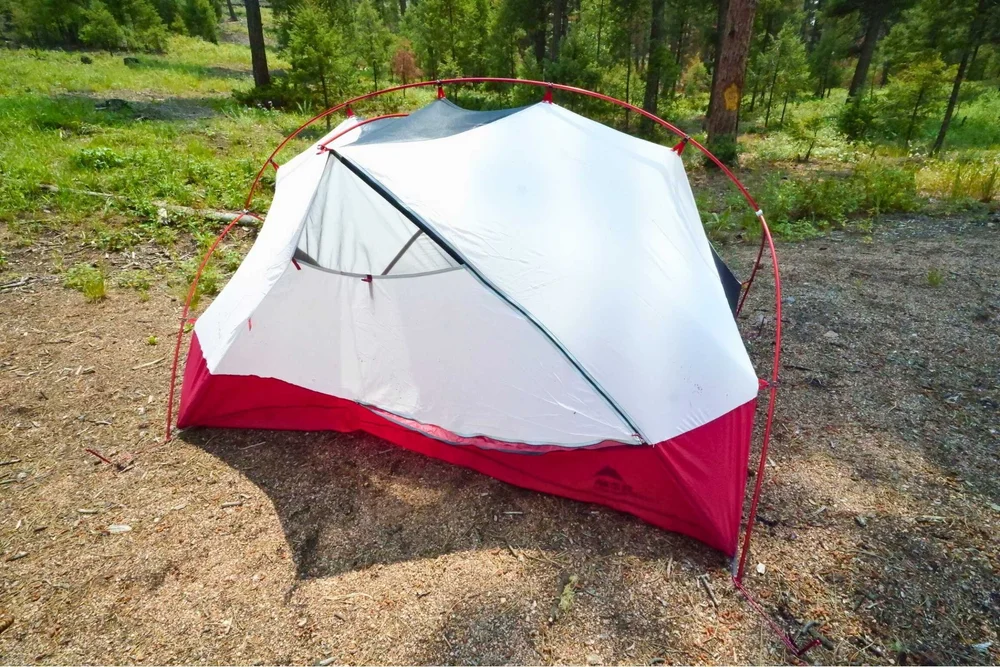
Freestanding tents stand on their own with poles. Non-freestanding tents need stakes and guy lines for support.
- Freestanding tents are easy to move before staking
- They work well on hard or rocky ground
- Non-freestanding tents are usually lighter
- They need good ground for stakes
- Non-freestanding tents can offer more space for less weight
Assessing Tent Size And Capacity
Choosing the right tent size is important for bikepacking trips. The tent must fit you and your gear comfortably.
Think about how many people will use the tent and the space needed for storage. This helps ensure a good night’s rest.
Solo Vs Group Tents
Solo tents are smaller and lighter. They are easier to carry on a bike but have less space inside.
Group tents hold two or more people. They offer more space but add weight and take more room on your bike.
- Solo tents: light, compact, fits one person
- Group tents: heavier, more room, fits multiple people
- Choose based on the number of campers and gear
Storage Space Needs
Storage space inside the tent is key for your gear and clothes. It protects items from weather and dirt.
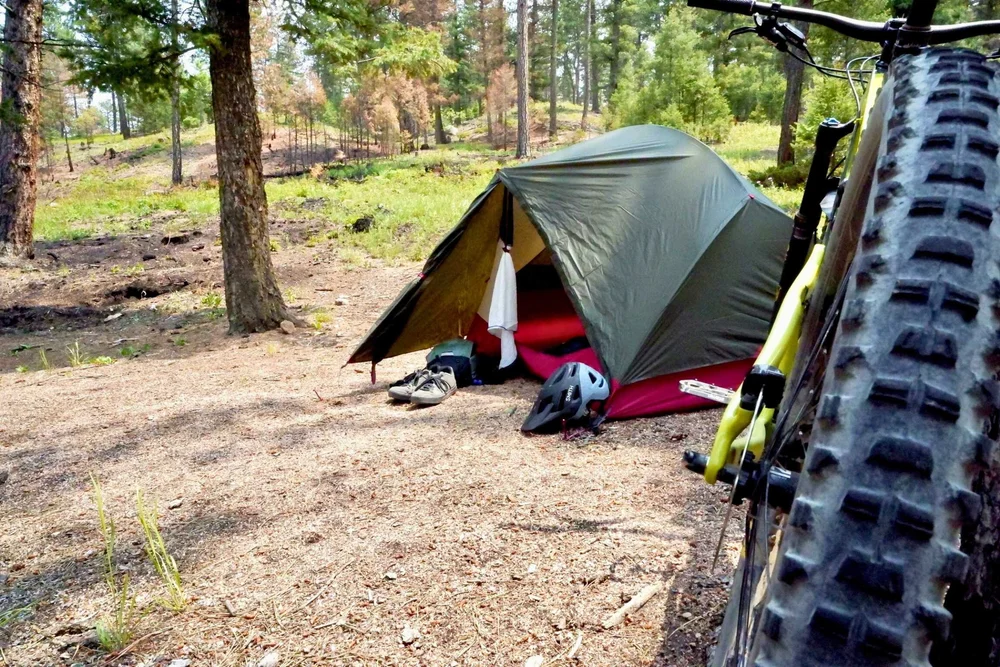
Look for tents with vestibules or extra pockets. These offer space to keep your bike shoes or backpack outside the sleeping area.
- Vestibules store gear outside the sleeping area
- Interior pockets keep small items organized
- Extra space helps keep tent tidy and comfortable
Comfort Vs Weight Trade-off
Heavier tents often offer more comfort and space. Lighter tents save weight but may feel cramped.
Decide what matters most for your trip. A balance between comfort and weight helps you enjoy bikepacking more.
- Heavier tents: more room, better comfort
- Lighter tents: easier to carry, less space
- Pick a tent that fits your trip style and needs
Credit: www.treelinereview.com
Tent Setup And Portability
Choosing a durable tent for bikepacking depends on how easy it is to set up and carry. A light and simple tent saves time and energy on the road.
Portability matters because you will carry the tent on your bike. The tent should fit well and attach securely to your bike frame or pack.
Ease Of Pitching
Look for tents that are quick to pitch with few poles and simple designs. Freestanding tents are easier to set up on different surfaces.
- Choose tents with color-coded poles for fast assembly.
- Practice pitching your tent before your trip.
- Consider tents with fewer stakes if you camp on hard ground.
- Check if the tent has clear instructions or markings.
Attachment Options For Bikes
Your tent should attach easily to your bike without extra bulky bags. Look for compact tents that fit inside frame bags or dry bags.
| Attachment Type | Benefits | Considerations |
| Frame Bags | Keeps weight centered | Size limits tent dimensions |
| Rear Rack Bags | More space for bigger tents | Raises bike’s center of gravity |
| Handlebar Bags | Easy access while riding | May affect steering |
| Strap Mounts | Flexible and quick | Needs secure fastening |
Repair And Maintenance
Durable tents should be easy to repair on the trail. Carry a small repair kit for quick fixes.
- Patch kits for tears in the tent fabric
- Extra guy lines and stakes
- Replacement pole segments or splints
- Seam sealer to keep the tent waterproof
Budget And Brand Considerations
Choosing a durable tent for bikepacking needs careful thought about your budget. You want a good tent that lasts without spending too much.
Brands also matter because some make tents that are strong and reliable. Knowing which brands to trust helps you pick better gear.
Price Vs Quality
Cheap tents may save money but often lack durability. Expensive tents usually use better materials and last longer.
Think about how often you will use the tent. If bikepacking often, invest in higher quality. For rare trips, a mid-range tent can work well.
Top Brands For Bikepacking Tents
Some brands are known for making strong, lightweight tents. These brands focus on bikepacking and outdoor use.
- Big Agnes – popular for durability and weight
- MSR – trusted for weather resistance
- REI Co-op – good balance of price and quality
- Six Moon Designs – known for lightweight options
- NEMO Equipment – innovative designs for cyclists
Warranty And Customer Support
A solid warranty shows a brand trusts its product. Check how long the warranty lasts and what it covers.
Good customer support helps fix problems fast. Look for brands with easy claim processes and helpful teams.
- Longer warranties often mean better quality
- Brands with clear policies reduce hassle
- Customer reviews reveal support quality
Credit: www.treelinereview.com
Real-world Testing And Reviews
Choosing a durable tent for bikepacking needs real-world proof. Lab specs don’t always show how tents hold up outdoors. Testing tents on actual rides reveals their strengths and weaknesses.
Reading reviews from other bikepackers helps find tents that last and perform well. These insights guide you to smart gear decisions.
User Experiences
Users share stories about tents in different weather and terrain. They report on setup ease, weight, and how tents handle wind or rain. These reports show practical durability beyond specs.
- Check for common wear spots like seams and zippers.
- Note how tents perform after long trips or rough handling.
- Look for feedback on waterproofing and ventilation.
- Consider how easy it is to repair or maintain the tent.
Field Testing Tips
Try your tent in different conditions before long trips. This practice shows how it handles wind, rain, and uneven ground. Field tests reveal important details about durability and comfort.
- Set up the tent multiple times to check ease and speed.
- Test waterproofing by spraying water or camping in rain.
- Use the tent in windy spots to see if it stays stable.
- Carry it on your bike to test packed weight and size.
- Inspect all parts after use for signs of wear or damage.
Common Pitfalls To Avoid
| Problem | Cause | How to Avoid |
| Tent tears | Weak fabric or rough terrain | Choose ripstop materials and use groundsheet |
| Leaks | Poor seam sealing or rainfly fit | Check seam tape and test waterproofing |
| Heavy weight | Bulky design or extra features | Select lightweight models with essential features only |
| Hard setup | Complex poles or unclear instructions | Practice setup before trips and read guides carefully |
| Poor ventilation | Limited mesh panels or vents | Look for tents with multiple vents and mesh areas |

Credit: eu.alpkit.com
Frequently Asked Questions
What Features Make A Tent Durable For Bikepacking?
A durable bikepacking tent should have robust materials, strong seams, and weatherproof coatings. Look for reinforced corners and high-quality zippers. The tent should be lightweight yet sturdy enough to withstand harsh conditions. Durability also depends on the tent’s ability to resist UV damage and its ease of setup and takedown.
How Important Is Weight In Selecting A Bikepacking Tent?
Weight is crucial in bikepacking as it affects ride comfort and energy consumption. Choose a tent that’s lightweight yet durable. A lighter tent makes packing easier and reduces load on your bike. Aim for a tent that balances weight with the necessary features for your bikepacking adventure.
What Size Tent Is Best For Solo Bikepacking?
For solo bikepacking, a 1 to 2-person tent is ideal. It should be compact and lightweight for easy transport. Ensure it offers enough room for you and your gear. A slightly larger tent might add comfort without significantly increasing weight, making your trip more enjoyable.
Are Freestanding Tents Suitable For Bikepacking?
Yes, freestanding tents are great for bikepacking due to their easy setup. They don’t require stakes, making them versatile for different terrains. These tents are convenient, especially in rocky or uneven areas. Their flexibility and ease of use make them a popular choice among bikepackers.
Conclusion
Choosing a strong tent makes bikepacking safer and more fun. Focus on materials, weight, and size for the best fit. Test your tent before the trip to avoid surprises. A good tent keeps you dry and comfortable at night. Remember, a durable tent helps you enjoy nature worry-free.
Take time to pick one that suits your journey well. Your adventure deserves reliable gear that lasts.



