
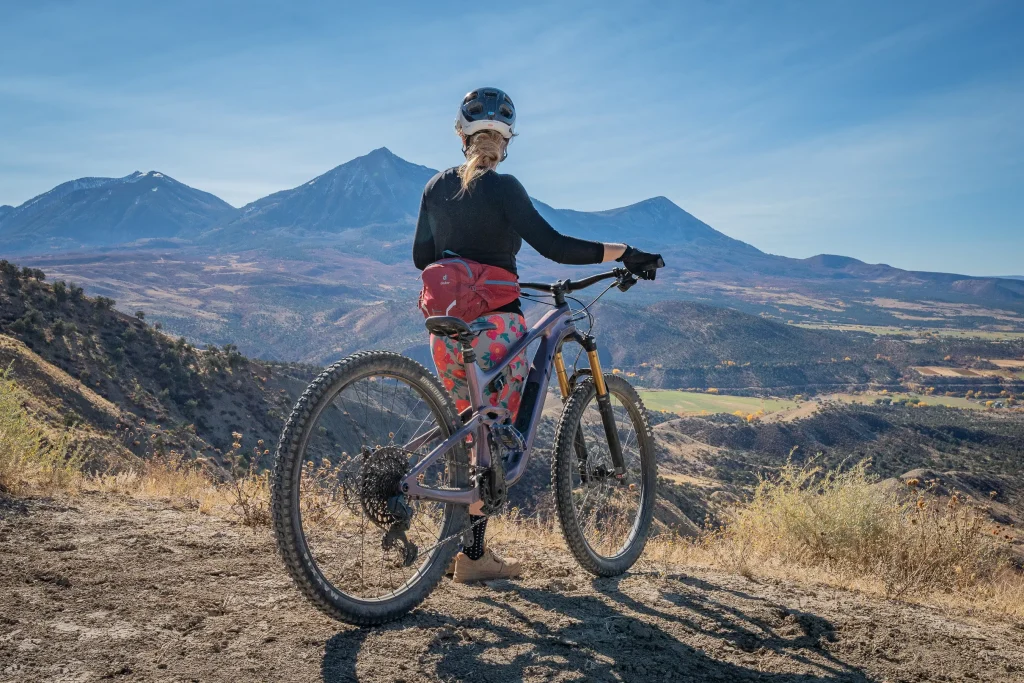
Are you ready to take your mountain biking skills to the next level? Riding a professional MTB bike designed for women can unlock new levels of speed, control, and confidence on the trails.
But knowing how to handle these high-performance bikes is key to making the most of every ride. In this guide, you’ll discover simple tips and techniques that will help you master your bike, tackle challenging terrains, and enjoy every moment on two wheels.
Keep reading, and get ready to transform your mountain biking experience like never before.
Choosing The Right Mtb Bike
Riding a professional mountain bike (MTB) designed for women feels better with the right fit. Picking the right bike helps with comfort and control on trails.
Focus on key bike features like frame size, suspension, wheels, and components. These parts affect how the bike handles and feels.
Frame Size And Geometry
Frame size must match your height and body shape. A good fit keeps you balanced and reduces strain.
Women’s MTB frames often have shorter top tubes and narrower handlebars. This design improves comfort and control.
- Check the size chart from the bike brand
- Test ride to feel if the frame fits well
- Look for frames with geometry made for women
Suspension Types
Suspension absorbs shocks from rough trails. It helps keep your ride smooth and stable.
There are two main types: hardtail and full suspension. Hardtail bikes have a front shock only. Full suspension bikes have front and rear shocks.
- Hardtail bikes are lighter and easier to maintain
- Full suspension bikes offer more comfort on rough terrain
- Choose suspension based on the trail type and riding style
Wheel Size Options
Wheel size affects how the bike rolls over obstacles and corners. Common sizes are 27.5 inches and 29 inches.
Smaller wheels are more agile and easier to handle. Larger wheels roll faster and smooth out bumps better.
- 27.5-inch wheels suit technical trails and quick turns
- 29-inch wheels work well for long rides and rough terrain
- Pick a wheel size that matches your riding needs
Component Selection
Components include gears, brakes, and handlebars. They affect how you control the bike.
Look for components made to fit women’s hands and strength. This helps with comfort and safety.
- Choose brakes with good stopping power and easy reach
- Pick gears that match your riding style and trail difficulty
- Handlebars and grips should feel comfortable and fit your size
Essential Gear For Women Riders
Riding professional mountain bikes needs the right gear. Women riders should pick equipment that fits well and keeps them safe.
Good gear helps you ride longer and feel comfortable on tough trails. Let’s look at what you need.
Protective Equipment
Safety is key when riding mountain bikes. Protective gear shields you from falls and hits.
Women riders need helmets, gloves, and pads that fit their shape well.
- Helmet with a snug fit and good ventilation
- Gloves to protect hands and improve grip
- Knee and elbow pads for impact protection
- Protective glasses to guard eyes from dirt and debris
Comfortable Clothing
Wear clothes that move with you and breathe well. This helps you stay cool and avoid chafing.
Look for cycling jerseys and shorts designed for women’s bodies.
- Lightweight, moisture-wicking fabrics
- Stretchy material for easy movement
- Padded shorts for extra comfort on long rides
- Bright colors for better visibility on trails
Footwear Choices
Shoes must fit well and offer good pedal grip. This improves control and power during rides.
Choose shoes made for mountain biking with stiff soles and protective features.
- Flat pedals need shoes with sticky rubber soles
- Clipless pedals require compatible shoes with cleats
- Water-resistant shoes keep feet dry in wet conditions
- Good ankle support helps prevent injuries
Hydration And Nutrition
Riding burns energy and causes sweating. Stay hydrated and fueled to keep going strong.
Plan your water and snacks based on ride length and intensity.
- Use a hydration pack or water bottles for easy access
- Carry energy bars, nuts, or fruit for quick fuel
- Drink water regularly to avoid dehydration
- Eat small amounts often during long rides
Bike Setup And Adjustments
Proper bike setup is key for comfort and control on mountain trails. Adjustments help fit the bike to your body and riding style.
This guide covers saddle height, handlebars, tires, brakes, and gears to improve your ride on professional MTB bikes for women.
Saddle Height And Position
Set your saddle height so your leg is almost straight at the bottom of the pedal stroke. This reduces knee strain and boosts power.
Adjust the saddle forward or backward to keep your knee aligned over the pedal axle. This helps with balance and pedaling efficiency.
Handlebar And Stem Adjustments
Handlebar width should match your shoulder width. This provides better control and reduces arm fatigue.
- Raise or lower the handlebar height to find a comfortable posture.
- Choose the right stem length to balance steering and reach.
- Adjust handlebar angle to improve grip and wrist comfort.
Tire Pressure Settings
Proper tire pressure improves traction and prevents flats. Soft terrain needs lower pressure for better grip.
| Terrain | Recommended Tire Pressure (PSI) |
|---|---|
| Loose dirt and mud | 20-25 |
| Hard packed trails | 28-32 |
| Rocky terrain | 30-35 |
| Pavement or smooth surfaces | 35-40 |
Brake And Gear Tuning
Check brake pads for wear and replace if thin. Adjust lever reach for comfort and better control.
- Test brakes before every ride to ensure quick stopping power.
- Shift gears while pedaling lightly to avoid damage.
- Adjust derailleur limit screws to prevent chain drop.
- Lubricate the chain regularly for smooth shifting.

Credit: escapecollective.com
Basic Riding Techniques
Riding a professional mountain bike requires skill and practice. Learning the basics helps you ride safely and confidently.
This guide covers key techniques for women who want to improve their mountain biking skills.
Body Positioning
Good body position keeps you balanced and ready for obstacles. It helps control the bike on rough trails.
Keep your knees and elbows slightly bent. Stand on the pedals with your weight centered over the bike.
- Look ahead, not down at the front wheel
- Keep your back flat and relaxed
- Shift your weight forward when climbing
- Move your hips back when descending steep slopes
Braking Efficiently
Use your brakes smoothly to stay in control. Avoid sudden stops that can cause skidding or loss of balance.
Apply more pressure on the rear brake and less on the front brake on loose surfaces to prevent flipping over.
- Brake before entering turns
- Modulate pressure, do not grab hard
- Use both brakes together for strong stops
- Release brakes slightly when cornering
Cornering Skills
Good cornering helps you maintain speed and avoid crashes. Lean your bike and keep your body balanced.
Look through the turn to where you want to go. Keep your outside foot down for better grip.
- Lower your center of gravity by bending knees and elbows
- Shift weight slightly to the outside pedal
- Keep your inside pedal up to avoid hitting the ground
- Use smooth, steady steering motions
Climbing And Descending
Climbing requires steady pedaling and body balance. Keep your weight forward to keep the front wheel on the ground.
Descending safely means staying relaxed and ready to react. Shift your weight back to keep control on steep slopes.
- On climbs, pedal smoothly and stay seated for traction
- Stand up on steep climbs for more power
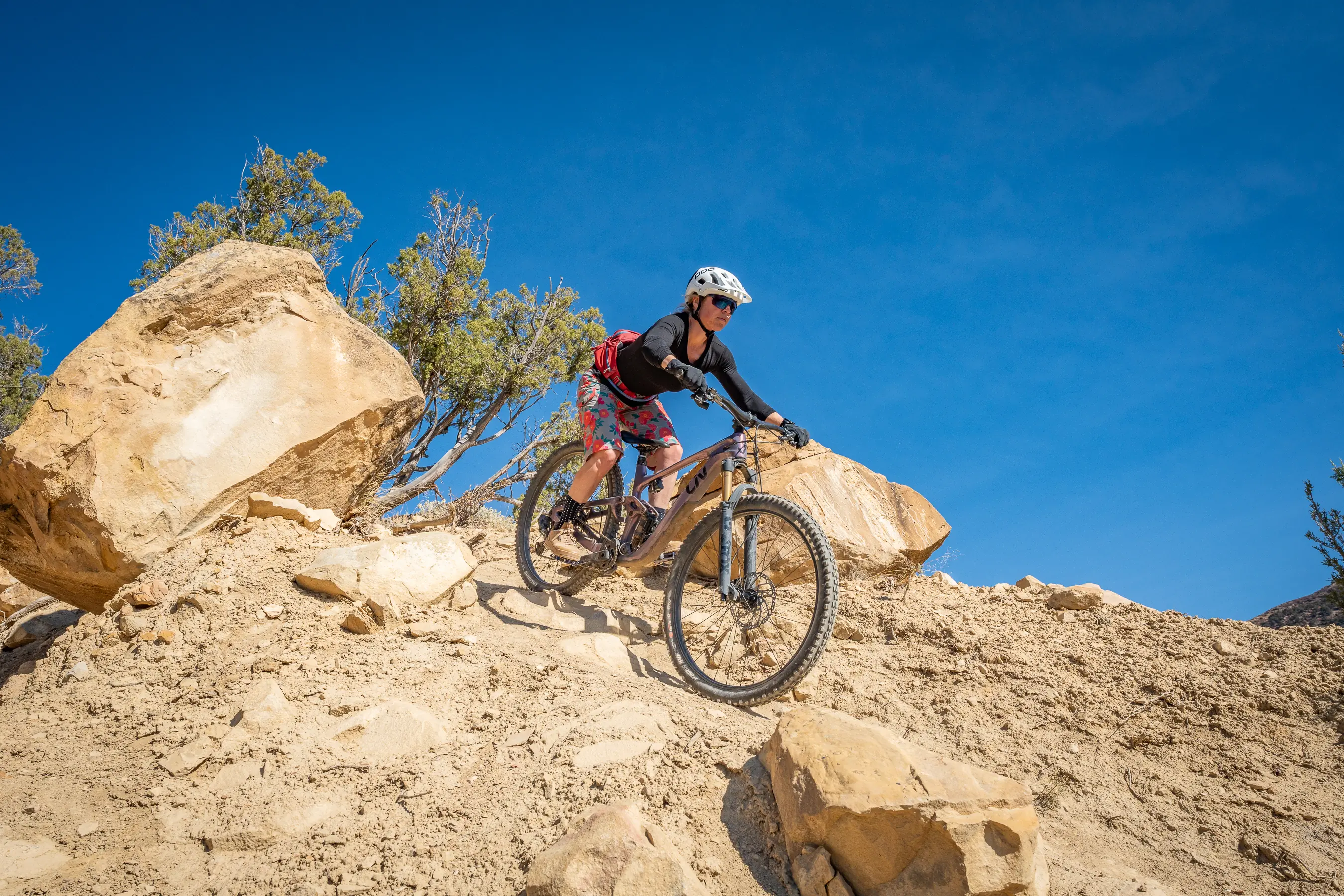
- On descents, lower your body and keep arms and legs loose
- Use brakes gently to control speed downhill
Advanced Riding Tips
Riding professional mountain bikes takes skill and practice. These tips will help women improve their technique and confidence.
Focus on control, balance, and smooth movements to handle tough trails better. Let’s explore key skills for advanced riding.
Jumping And Drops
Approach jumps with steady speed and keep your body loose. Look ahead and prepare to land smoothly.
When dropping, shift your weight back and bend your knees to absorb impact. Stay relaxed for better control.
- Keep eyes focused on the landing spot
- Use your legs as shock absorbers
- Maintain a balanced body position
- Practice small jumps before bigger drops
Technical Trail Navigation
Read the trail carefully and plan your moves before you ride. Pick the best line to avoid obstacles and rough spots.
Use your brakes gently and avoid sudden stops. Keep your body low and centered for better stability on tricky parts.
- Look ahead to find smooth paths
- Shift your weight to balance on rocks or roots
- Use both brakes evenly for control
- Practice slow-speed turns to improve balance
Maintaining Momentum
Keep your speed steady on climbs and flats. Use your gears well to avoid losing power or tiring quickly.
Pedal smoothly and stay seated on climbs to save energy. Push through rough patches without stopping to keep momentum.
- Shift gears early before hills
- Keep a consistent pedaling rhythm
- Stand up briefly to power through tough spots
- Look ahead to prepare for changes in terrain
Riding In Different Terrains
Adjust your riding style for mud, sand, rocks, or loose dirt. Each terrain needs different bike handling skills.
Lower your tire pressure for better grip on loose surfaces. Use your body weight to help the bike stay balanced and stable.
- In mud, ride slowly and keep your wheels spinning
- On sand, keep your weight back and pedal smoothly
- On rocks, pick lines with solid footing
- On loose dirt, avoid sudden braking or sharp turns
Training And Fitness
Riding professional mountain bikes requires good training and fitness. Women need to focus on building strength, endurance, and skills. This helps them ride longer and safer on tough trails.
Proper training also lowers the risk of injury. It improves control, balance, and confidence on the bike. Below are key areas to focus on for better MTB performance.
Strength And Endurance
Strong muscles support your body on rough terrain. Endurance helps you ride for hours without getting tired. Work on leg, core, and upper body strength for full control.
- Do squats and lunges to build leg power.
- Practice planks and sit-ups for core stability.
- Use push-ups and pull-ups to strengthen arms and shoulders.
- Include long bike rides or runs to boost stamina.
- Train at least three times a week for steady progress.
Flexibility And Balance
Good flexibility helps prevent injuries and makes it easier to move on the bike. Balance lets you stay steady on uneven paths and sharp turns.
Try these exercises to improve flexibility and balance:
- Stretch hamstrings, calves, and back daily.
- Practice yoga poses like tree and warrior.
- Use a balance board or stand on one leg.
- Include dynamic stretches before riding.
Recovery Strategies
Recovery lets your muscles heal and grow stronger. It keeps you ready for the next ride and lowers injury risk.
| Recovery Method | Benefits |
| Rest Days | Reduces fatigue and muscle strain |
| Stretching | Prevents stiffness and improves flexibility |
| Hydration | Replaces fluids lost during exercise |
| Balanced Diet | Supplies nutrients for muscle repair |
| Sleep | Supports overall healing and energy |
Mental Preparation
Mental strength helps you stay calm and focused on the trail. It builds confidence and helps you face challenges without fear.
- Set small, clear goals for each ride.
- Visualize successful rides to boost confidence.
- Practice deep breathing to reduce stress.
- Stay positive even after mistakes or falls.
- Learn from each ride to improve skills.
Maintenance And Troubleshooting
Keeping your professional mountain bike in good shape helps it last longer. Regular care makes your rides safer and smoother.
Knowing basic fixes can save your ride if something goes wrong on the trail. This guide covers simple maintenance and common repairs.
Regular Cleaning
Clean your bike often to remove dirt and mud. This stops parts from wearing out quickly and keeps everything working well.
Use a soft brush and water to wash the frame and wheels. Avoid spraying water directly on the bearings or suspension.
- Rinse off loose dirt before scrubbing
- Use bike-specific cleaner or mild soap
- Dry the bike with a clean cloth
- Check for damage while cleaning
Lubrication Tips
Lubricate your bike chain and moving parts to stop rust and reduce friction. This helps your bike pedal smoothly.
Apply lubricant to a clean chain. Wipe off extra oil to avoid attracting dirt. Lubricate after cleaning or wet rides.
- Use a bike-specific lubricant for best results
- Do not over-lubricate to prevent grime build-up
- Focus on the chain, derailleurs, and pivot points
- Check and lubricate brake and gear cables if needed
Fixing Flats
Flat tires happen on trails. Carry a repair kit to fix them quickly and keep riding.
Remove the wheel, take out the tube, and find the hole. Patch the tube or replace it with a spare one.
- Use tire levers to remove the tire safely
- Inspect the tire for sharp objects
- Pump the patched or new tube before reinstalling
- Check tire pressure matches the recommended level
Basic Repairs On The Trail
Small bike problems can stop your ride. Learn to fix simple issues like loose bolts or brake adjustments.
Carry basic tools, like Allen keys and a multi-tool. Tighten loose parts and adjust brakes or gears as needed.
- Tighten loose bolts on the seat and handlebars
- Adjust brake pads if they rub the wheel
- Shift gears while pedaling to check smoothness
- Use a chain tool to fix a broken chain link
Credit: gearjunkie.com
Community And Resources
Riding professional MTB bikes for women is easier with the right support. Joining a community helps you learn and enjoy the sport more.
There are many resources available online and offline. These include groups, workshops, forums, and helpful reading materials.
Women’s Mtb Groups
Women’s MTB groups bring riders together for fun and learning. These groups often organize rides, events, and social meetups.
- Local bike clubs focused on women riders
- Social media groups for sharing tips and stories
- Weekly or monthly group rides for all levels
- Supportive environments to build skills and confidence
Workshops And Clinics
Workshops and clinics offer hands-on training for women. These sessions teach bike handling, safety, and trail techniques.
- Basic bike maintenance and repair classes
- Riding technique workshops for different terrains
- Group clinics with expert female instructors
- Safety and trail etiquette training
Online Forums
Online forums connect women MTB riders worldwide. They are great places to ask questions and share experiences.
| Forum | Focus | Website |
|---|---|---|
| Pinkbike Forums | General MTB topics with women’s sections | pinkbike.com/forums |
| Women Who Ride | Community for female riders to share tips | womenwhoride.com |
| MTB Women | Support and advice on riding and gear | mtbwomen.com |
Recommended Reading And Videos
Books and videos can improve your MTB skills and knowledge. Choose materials made by women riders for women riders.
- Books on MTB techniques and trail riding
- Video tutorials on bike setup and riding skills
- Interviews with female MTB pros for inspiration
- Gear reviews focused on women’s MTB equipment

Credit: escapecollective.com
Frequently Asked Questions
What Are The Key Features Of Professional Mtb Bikes For Women?
Professional MTB bikes for women feature lightweight frames, tailored geometry, and smaller components. These aspects improve comfort, control, and performance on trails. Women-specific designs ensure better fit and riding efficiency, enhancing overall biking experience on rough terrains.
How To Choose The Right Size For A Women’s Mtb Bike?
To choose the right size, measure your inseam and compare it with the bike’s sizing chart. Ensure the frame fits your height for comfort and control. Proper sizing prevents injuries and improves handling on technical trails.
What Are Essential Riding Techniques For Women On Mtb Trails?
Essential techniques include maintaining a balanced stance, using proper braking, and shifting weight on climbs and descents. Practice cornering and body positioning to increase stability. These skills boost confidence and safety during mountain biking.
How To Maintain Professional Mtb Bikes For Long-lasting Performance?
Regularly clean your bike after rides and lubricate the chain. Check tire pressure and brake function before every ride. Timely servicing of suspension and drivetrain extends bike life and ensures optimal performance on trails.
Conclusion
Riding professional MTB bikes for women is exciting and empowering. Start with the basics. Practice regularly to improve your skills. Choose the right gear for safety and comfort. Enjoy every ride, whether on trails or mountains. Confidence grows with each ride.
Make sure to maintain your bike well. This ensures smooth and safe rides. Connect with other riders for tips and encouragement. Riding is more than a sport. It’s a fun adventure. Embrace the journey and feel the freedom. Keep exploring and enjoy every moment on your bike.



