
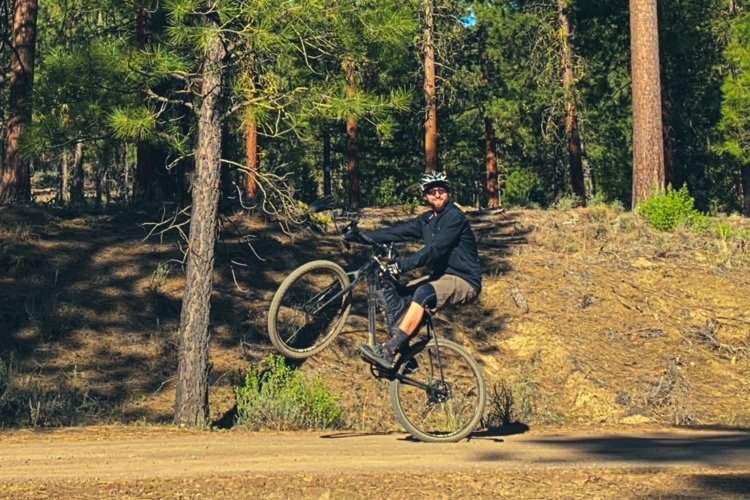
Have you ever found yourself struggling to conquer that steep hill on your mountain bike? You’re not alone.
Riding uphill can be one of the most challenging parts of mountain biking, but mastering it can transform your entire biking experience. Imagine the thrill of reaching the summit, your heart pounding with achievement, and the breathtaking view rewarding your effort.
This guide is crafted just for you, breaking down simple techniques and strategies to help you tackle those hills with confidence. Whether you’re a beginner or looking to refine your skills, you’ll discover tips that make riding uphill not just manageable, but enjoyable. Dive in and empower your mountain biking journey today!
Choosing The Right Gear
Using the right gear is vital for uphill biking. Lower gears make pedaling easier. Higher gears are for faster riding. Shift to lower gear before starting uphill. This helps maintain balance and control. Practice gear shifting often. It improves biking skills.
Optimal Bike Setup
A well-set bike aids uphill riding. Adjust saddle height for comfort. Make sure handlebars are at a good height. Pedal smoothly for less strain on legs. Check brakes before starting. Safety is crucial.
Selecting Appropriate Tires
- Choose tires with good grip for rocky paths.
- Use wider tires for better balance.
- Check tire pressure regularly.
- Less pressure helps in rough terrains.
Techniques For Uphill Riding
Keep your body low and forward on the bike. This helps with balance. Lean into the hill slightly. Your chest should be near the handlebars. Keep elbows bent for more control. This position helps maintain traction. Your bike will feel more stable.
Pedal in smooth circles for better power. Avoid jerky movements. Apply even pressure throughout the pedal stroke. Use your whole foot, not just toes. This makes pedaling easier and more efficient. Shift to a lower gear before starting the climb. This helps maintain a steady pace. Keep your breathing calm and steady.
Physical Conditioning
Strong muscles make uphill biking easier. Focus on leg and core strength. Squats and lunges help build leg power. Planks and sit-ups strengthen your core. Strength training improves your balance on the bike. Practice regularly to see improvement. Consistency is key.
Endurance lets you bike longer and harder. Ride at a steady pace for more stamina. Increase your ride length gradually. Drink water to stay hydrated. Eat healthy snacks for energy. Rest is important for recovery. A strong heart helps you ride longer.

Credit: www.bikeradar.com
Mental Strategies
Focus helps you climb hills better. Keep your eyes on the trail. This helps you see bumps and turns ahead. Breathe deeply to stay calm and strong. Think about each pedal push. Feel the rhythm of your bike. This helps you move smoothly. Stay positive in your mind. Tell yourself you can do it. Ignore distractions like noise or other bikers. This keeps you on track.
Hills can be tough. Break them into parts. Focus on one part at a time. Set small goals like reaching a tree or rock. Celebrate each success. This makes you feel good and helps you keep going. Remember past wins. Think about other hills you climbed. This gives you strength. Stay calm when you feel tired. Take a deep breath. Keep pushing to the top.
Safety Considerations
Wearing protective gear is crucial when riding mountain bikes uphill. Maintain balance by leaning forward to prevent accidents. Regularly check brakes and gear shifts for smooth, safe ascents.
Avoiding Overexertion
Riding uphill on a mountain bike can be hard. It’s crucial to pace yourself. Start slow and steady. Listen to your body signals. Take breaks if you feel tired. Stay hydrated by drinking water often. Breathing deeply helps maintain energy. Proper gear shifting reduces strain. Use lower gears for steep climbs. This keeps you from getting too tired. Avoid pushing too hard on long climbs. Save energy for later parts of the ride.
Handling Unexpected Obstacles
Mountain paths can be tricky. Rocks and branches can block your way. Stay alert and look ahead. Spot obstacles early to plan your path. Keep your balance by leaning slightly forward. This helps you stay on the bike. Slow down if needed to navigate safely. Be prepared to stop quickly if necessary. Use both brakes gently to avoid skidding. Practice makes handling obstacles easier over time.

Credit: www.bicycling.com
Advanced Climbing Techniques
Switchbacks are sharp turns on a hill. They help gain height. Use a wide turn for balance. Lean your body forward. This keeps your front wheel on the ground. Look ahead to plan your path. Shift your weight to the inner pedal. This helps in tight corners. Keep your pedals level for control. Practice makes perfect in handling switchbacks.
Steep hills can be tough. Use low gears to make pedaling easier. Stand on your pedals for more power. Keep your body low for balance. Look up to see the path ahead. Ride in a zig-zag pattern. This reduces the slope’s difficulty. Keep your grip firm on the handlebars. Stay calm and steady as you climb.
Essential Gear And Accessories
Wearing the right protective gearis very important. Always wear a sturdy helmet. It protects your head from falls. Elbow and knee pads keep your joints safe. Gloves can prevent hand injuries. They also help with grip. Goggles protect your eyes from dust and debris. Comfortable shoes with good grip are crucial too. They keep your feet steady on the pedals. Remember, safety comes first.
Carrying utility toolsis very helpful. A multi-tool kit can fix small bike problems. Keep a patch kit in case of a flat tire. A mini pump is also handy for inflating tires. A chain breaker tool can help fix a broken chain. Always carry a water bottle. Staying hydrated is important while riding. A small backpack can hold all these items easily. Being prepared makes the ride smoother.

Credit: www.instagram.com
Frequently Asked Questions
How To Ride Uphill On A Mountain Bike?
Shift to a lower gear for easier pedaling. Lean forward to maintain balance. Keep a steady, consistent pace. Use your body weight to enhance traction. Stay relaxed and look ahead for better control.
What Gear To Use When Going Uphill On A Mountain Bike?
Use a low gear for uphill mountain biking. Shift to a smaller chainring and a larger rear cog. Maintain a steady cadence and adjust as needed for terrain and comfort. This setup provides more power with less effort, ensuring better control and stamina on steep climbs.
Why Do I Struggle To Cycle Up Hills?
Struggling with hills often results from inadequate strength, poor gear selection, or inefficient pedaling. Enhance leg muscles through targeted exercises. Choose appropriate gears to maintain a steady cadence. Practice consistent breathing to improve stamina. Regular hill training boosts confidence and performance.
How To Bike Uphill For Beginners?
Shift to a lower gear for easier pedaling. Maintain a steady pace and keep your weight balanced. Use your body to leverage power. Stand and pedal for extra strength on steep sections. Practice regularly to improve stamina and technique.
Conclusion
Riding uphill on a mountain bike can be challenging. Focus on your technique to improve. Practice often to build strength and endurance. Keep your body relaxed and your eyes ahead. Use gears wisely to maintain momentum. Stay hydrated for better performance.
Riding uphill gets easier with time and patience. Enjoy the journey and the views. Celebrate small victories along the way. Remember, every ride makes you stronger. Keep pedaling, and you’ll reach the top. Riding uphill is rewarding, and the effort pays off.
Enjoy the thrill of conquering the climb!



