
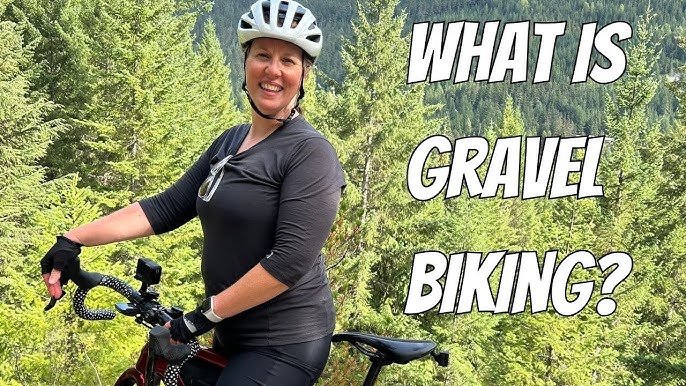
Are you ready to discover a new way to enjoy cycling? Gravel biking is perfect for women beginners who want to explore roads less traveled and feel the thrill of adventure.
But starting out can feel tricky if you don’t know where to begin. This guide will walk you through everything you need to know to ride your gravel bike with confidence. By the end, you’ll be ready to hit those trails and enjoy every moment on your bike.
Let’s get you riding like a pro!
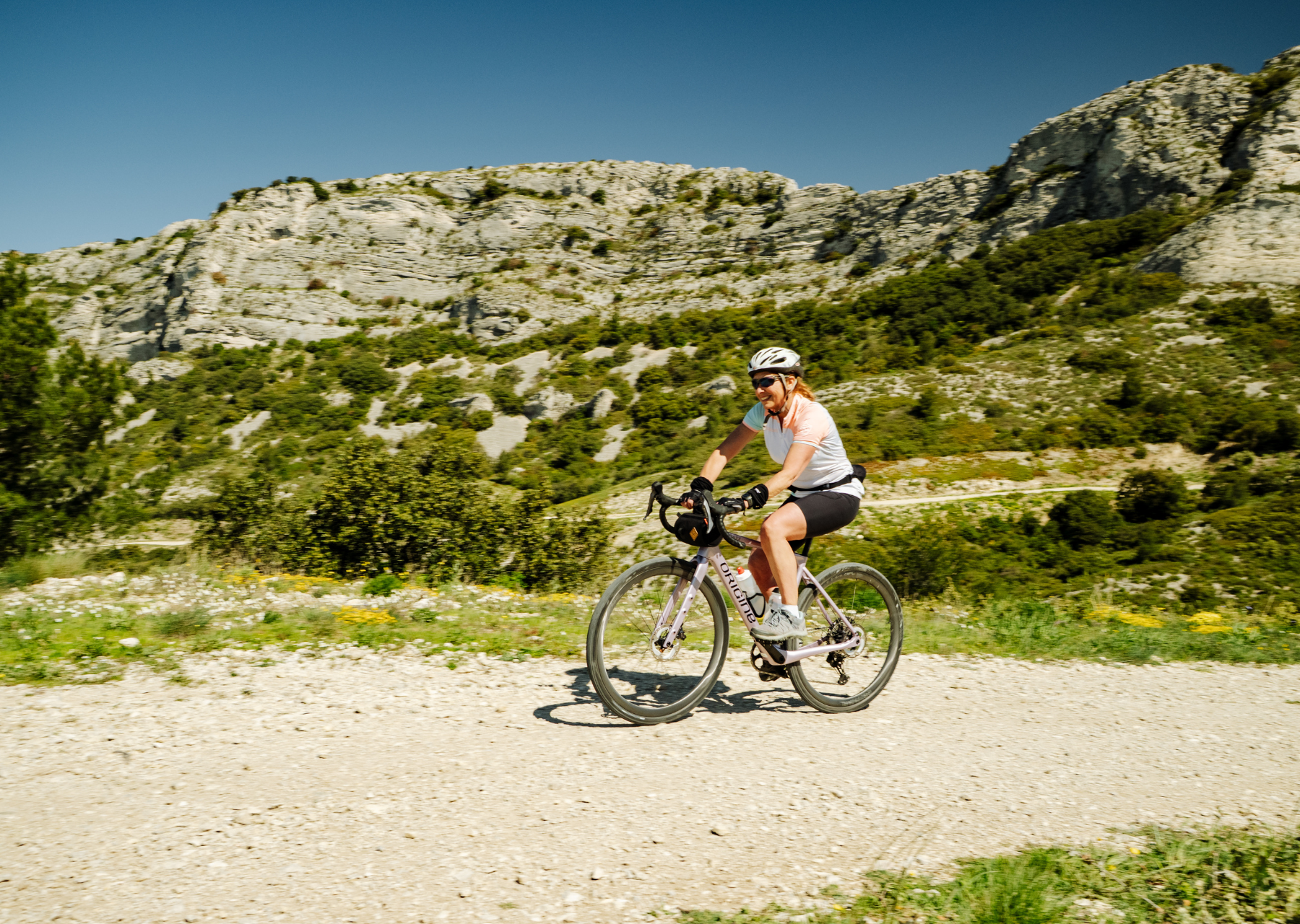
Credit: gravelup.earth
Choosing The Right Gravel Bike
Picking the right gravel bike is key for a good ride. It helps you enjoy the trails and stay comfortable.
There are many options made just for women. Choosing well makes your riding easier and more fun.
Frame Size And Fit
Finding the right frame size is very important. A bike that fits well helps prevent pain and injury.
Measure your height and inseam to pick the correct size. Test the bike to check how it feels.
- Stand over the bike and check clearance
- Reach the handlebars comfortably
- Ensure you can pedal without stretching
Essential Features For Women
Women’s gravel bikes often have smaller frames and narrower handlebars. These features suit women’s body shapes better.
Look for a comfortable saddle made for women. It can reduce pressure and make long rides nicer.
- Smaller frame geometry
- Narrow handlebars for better control
- Women’s specific saddle
- Lightweight but strong materials
Budget Considerations
Gravel bikes come in many price ranges. Set a budget that matches your needs and how often you will ride.
Basic models work well for beginners. You can upgrade parts later as you gain experience.
- Entry-level bikes are affordable and reliable
- Mid-range bikes offer better components
- High-end bikes are lighter and more durable
- Consider used bikes for savings
Gear And Accessories
Riding a gravel bike needs the right gear and accessories. These items keep you safe and comfortable.
Choosing the correct equipment helps you enjoy your ride and be ready for any situation on the trail.
Helmet And Protective Gear
A helmet is a must-have for every rider. It protects your head from injuries during falls or crashes.
- Choose a helmet that fits snugly and feels comfortable.
- Look for helmets with good ventilation for breathability.
- Consider protective gloves to protect your hands.
- Wear knee and elbow pads for extra protection on rough trails.
Comfortable Clothing
Wear clothes made for cycling to stay comfortable and dry. Avoid cotton because it holds sweat.
| Clothing Item | Material | Purpose |
| Jersey | Polyester | Wicks sweat away |
| Shorts | Spandex with padding | Reduce chafing and add comfort |
| Jacket | Lightweight waterproof | Protects from wind and rain |
| Gloves | Breathable fabric | Improve grip and protect hands |
Essential Tools And Repair Kits
Carry tools to fix common problems. Being prepared helps avoid long delays on rides.
- Multi-tool with Allen keys and screwdrivers
- Spare inner tube or patch kit
- Mini pump or CO2 inflator
- Tire levers to remove tires easily
- Chain quick link or small chain tool
Basic Riding Techniques
Riding a gravel bike is fun and healthy. Learning the basics helps you feel safe and enjoy the ride.
This guide covers simple techniques for women who are new to gravel biking. You will learn how to position your body, handle different surfaces, and use brakes and gears well.
Body Positioning
Good body position keeps you balanced and controls the bike. Keep your back flat and your arms slightly bent. This helps absorb bumps.
Lean forward slightly on climbs to keep weight over the front wheel. On descents, lower your body and shift your weight back for more control.
- Keep your eyes looking ahead, not down.
- Relax your grip on the handlebars.
- Stand on pedals when riding rough or uphill.
Handling Different Terrains
Gravel paths can change from smooth dirt to rocky or loose surfaces. Adjust your speed and body to stay stable on each type.
Slow down on loose gravel to avoid slipping. On rocks, try to roll over the biggest ones smoothly. Use your legs and arms to absorb shocks.
- Keep a steady pace on flat, smooth ground.
- Shift your weight back on loose or steep downhill parts.
- Look for the best path with fewer obstacles.
Braking And Shifting
Use both front and rear brakes gently to stop safely. Avoid sudden braking to prevent skidding. Start braking early on descents.
Shift gears before hills or rough areas, not during. This keeps the chain from slipping and makes pedaling easier.
- Brake evenly with both hands.
- Downshift to easier gears for climbs.
- Upshift to harder gears on flat or downhill.
- Practice smooth, calm shifting to avoid damage.

Credit: www.canyon.com
Building Endurance Safely
Riding gravel bikes can be fun and healthy for women beginners. Building endurance helps you enjoy longer rides without getting too tired.
It is important to increase your stamina safely. This means listening to your body and increasing your ride length slowly.
Starting With Short Rides
Begin with short rides to get used to your gravel bike. Short rides help your muscles and joints adjust without strain.
Keep your first rides easy and relaxed. Focus on enjoying the ride rather than speed or distance.
Gradual Distance Increase
Increase your ride distance slowly over time. Adding a little more distance each week helps your endurance grow safely.
Try to add no more than 10% extra distance per week. This prevents injury and helps your body adapt well.
- Week 1: Ride 5 miles
- Week 2: Ride 5.5 miles
- Week 3: Ride 6 miles
- Week 4: Ride 6.5 miles
Listening To Your Body
Pay close attention to how your body feels during and after rides. Rest if you feel pain or extreme tiredness.
Good signs are steady breathing and feeling energized after riding. Bad signs include sharp pain or dizziness.
- Stop if you feel sharp pain
- Rest if very tired or dizzy
- Drink water and eat well
- Use rest days to recover
Navigating Gravel Trails
Riding gravel bikes on trails offers a fun and exciting way to explore nature. For women beginners, learning how to navigate these paths safely is important. Understanding the trail and how to handle the bike can make the ride more enjoyable.
Gravel trails vary in surface and obstacles. Knowing how to read the trail, keep your balance, and handle obstacles helps you ride with confidence.
Reading Trail Conditions
Look closely at the trail surface before riding. Gravel can be loose, packed, or mixed with dirt. Each type needs a different riding approach. Watch for wet or muddy spots that can make the trail slippery.
- Check for loose gravel that can cause slipping.
- Notice hard-packed areas that are easier to ride on.
- Spot mud patches that reduce traction.
- Watch for changes in trail width and steepness.
Maintaining Balance
Balance is key to riding smoothly on gravel. Keep your body relaxed and your eyes ahead. Use your arms and legs to absorb bumps. Shift your weight slightly back on loose surfaces to keep traction on the rear wheel.
- Keep your pedals level when coasting.
- Look where you want to go, not at obstacles.
- Use a lower gear for better control on hills.
- Practice slow riding to improve stability.
Dealing With Obstacles
Gravel trails often have rocks, roots, and small drops. Approach obstacles slowly and stay seated to keep traction. Lift your front wheel slightly to clear rocks or roots. Use your legs as shock absorbers when going over bumps.
| Obstacle | How to Handle |
|---|---|
| Loose Rocks | Slow down and keep steady speed through |
| Roots | Lift front wheel and stay balanced |
| Small Drops | Shift weight back and absorb impact with legs |
| Mud Patches | Ride straight and avoid sudden braking |
Safety Tips For Women Riders
Riding gravel bikes is fun and healthy. Safety should always come first for women new to this sport.
Following safety tips helps prevent accidents and makes rides more enjoyable.
Riding In Groups
Riding with others is safer than riding alone. Groups help watch out for each other on the trail.
Always tell someone your route and ride with friends you trust. Stay close but keep a safe distance.
- Plan your route before the ride
- Communicate any stops or issues clearly
- Keep a steady pace that suits everyone
- Wear matching gear or bright colors for easy spotting
Staying Visible
Visibility is key to staying safe on gravel roads and trails. Drivers and other riders must see you well.
Use lights and bright clothes, especially in low light or bad weather. Reflective gear helps a lot.
- Wear a bright helmet or jacket
- Use front and rear bike lights
- Add reflective tape to your bike or bags
- Avoid dark clothing when riding at dawn or dusk
Emergency Preparedness
Be ready for small accidents or bike problems. Carry basic tools and a phone for emergencies.
Learn simple bike repairs like fixing a flat tire. Always tell someone where you are riding.
- Carry a spare tube and tire levers
- Bring a multi-tool for bike adjustments
- Have a charged phone with emergency contacts
- Pack water and a small first aid kit
Maintaining Your Gravel Bike
Keeping your gravel bike in good shape helps it last longer. It also makes your rides safer and smoother.
This guide covers key ways to take care of your bike, from cleaning to tune-ups.
Cleaning And Lubrication
Clean your bike after every ride, especially if you ride on dirt or mud. Use a soft brush and mild soap. Avoid strong sprays on bearings.
Lubricate the chain and moving parts regularly. Use bike-specific oil and wipe off extra to stop dirt build-up.
- Wash frame and parts gently
- Dry your bike completely
- Apply lubricant to chain links
- Wipe off excess oil
- Check for rust or damage
Tire Care And Repairs
Check tire pressure before every ride. Use a pump with a pressure gauge to keep tires at the right firmness.
Inspect tires for cuts, cracks, or worn tread. Replace tires if damage is serious or tread is low.
| Task | Recommended Frequency |
| Check tire pressure | Before each ride |
| Inspect tires for damage | Weekly |
| Replace worn tires | When tread is low or damage found |
Regular Tune-ups
Take your bike for a tune-up every few months. A mechanic checks brakes, gears, and wheels for proper work.
- Check brake pads and cables
- Adjust gears for smooth shifting
- Inspect wheel alignment and spokes
- Tighten bolts and screws
- Test ride to confirm all works well

Credit: obedbikes.com
Frequently Asked Questions
What Gear Is Best For Women Beginners On Gravel Bikes?
Women beginners should start with a lightweight gravel bike. Choose wide tires for better grip and comfort. Opt for a bike with easy gear shifting to handle mixed terrains smoothly.
How To Maintain Balance On Gravel Bike Trails?
Keep your weight centered and relax your grip. Look ahead, not down, to anticipate obstacles. Use a lower gear and steady pedaling for controlled, stable riding on loose surfaces.
What Safety Gear Is Essential For Women Gravel Cyclists?
Always wear a well-fitted helmet and padded gloves. Use bright, reflective clothing for visibility. Consider knee and elbow pads to protect from falls on rough trails.
How To Choose The Right Tire Pressure For Gravel Riding?
Lower tire pressure increases grip and comfort on gravel. Start around 30-40 psi and adjust based on trail conditions and rider weight. Avoid too low pressure to prevent pinch flats.
Conclusion
Riding gravel bikes offers fun and freedom for women beginners. Start slow, practice often, and enjoy the ride. Choose the right bike and gear for comfort and safety. Stay aware of your surroundings and follow simple tips. Every ride builds confidence and skills.
Keep exploring new paths and trails. Gravel biking can become a great way to stay active and happy outdoors. Give yourself time to learn and enjoy each moment on the bike.



