
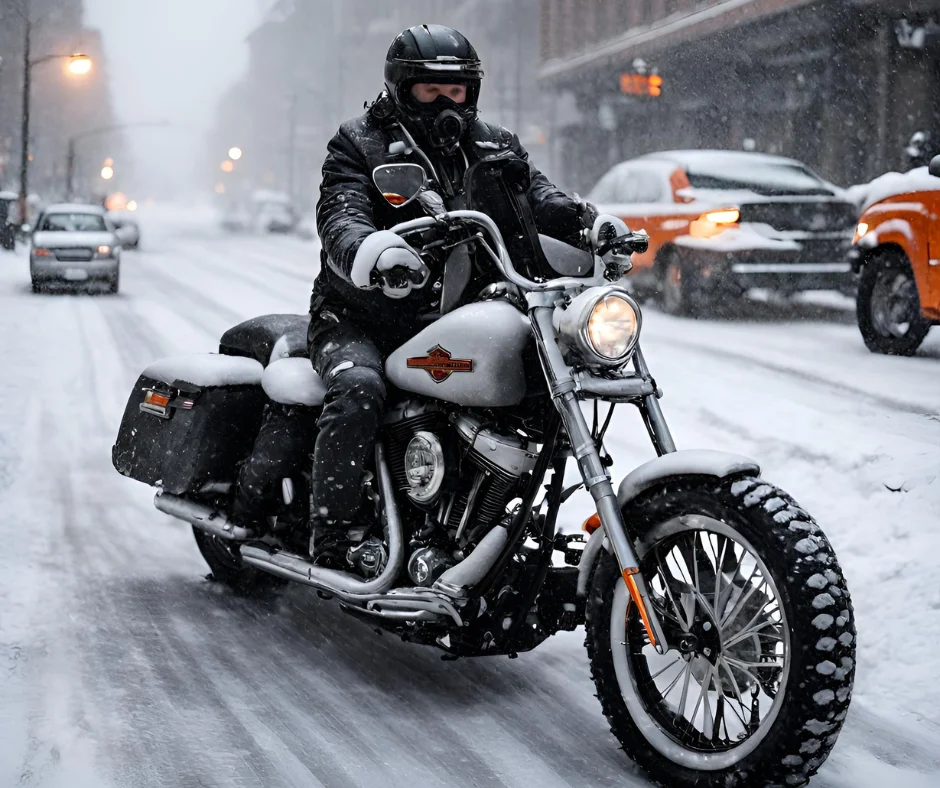
Riding your chopper bike in winter might sound tough, but it doesn’t have to be. You can still enjoy the open road, even when the temperature drops.
The key is knowing how to prepare yourself and your bike for cold weather. You’ll discover simple tips and tricks that keep you safe, warm, and confident during your winter rides. Ready to take on winter like a pro? Keep reading to learn everything you need to know.

Credit: www.cleanharleys.com
Preparing Your Chopper For Winter
Winterizing the engineis key for smooth rides in cold weather. Use a good quality oil that works well in low temperatures. Change the oil before winter sets in. Keep the fuel tank full to avoid moisture buildup. Add a fuel stabilizer to stop the fuel from breaking down. Check the spark plugs and replace if worn. Keep the engine clean and dry to prevent rust and corrosion.
Tire selection and maintenanceaffect safety and control. Use tires made for cold weather or with deep treads for better grip. Check tire pressure often because it drops in cold air. Keep tires properly inflated to avoid slipping. Inspect tires for cracks or damage before every ride.
Checking the battery and electricalshelps avoid breakdowns. Cold weather makes batteries weak. Keep the battery fully charged and clean the terminals. Test the lights, horn, and signals regularly. Use dielectric grease on connectors to stop moisture damage. Store the bike in a dry place to protect electrical parts.
Dressing For Cold Weather Rides
Layering clotheskeeps you warm on cold rides. Start with a thin base layerto trap heat and wick sweat. Add a thick middle layerlike fleece for insulation. Finish with a windproof outer layerto block cold air and rain.
Protective gearis very important. A full-face helmethelps keep your face warm and safe. Use a neck warmeror balaclava to protect your neck and chin. Wear a windproof jacketand pants made for cold weather riding.
- Gloves:Choose insulated, waterproof gloves that fit well. They keep your hands warm and let you control the bike easily.
- Boots:Pick tall boots that cover your ankles. Waterproof and insulated boots protect your feet from cold and wet roads.
Riding Techniques For Winter Conditions
Slippery roads need extra care. Slow down and avoid sudden moves. Use gentle turns to keep control. Stay in tracks left by other vehicles for better grip. Watch for ice patches and wet leaves that cause slips.
Adjusting speed is key. Ride slower than usual. Brake early and softly to stop safely. Avoid hard braking to prevent skids. Use engine braking by easing off the throttle.
- Keep your headlights clean to improve visibility.
- Wear reflective gear to be seen by others.
- Use anti-fog spray on your helmet visor.
- Turn on your lights even in the daytime.

Credit: www.reddit.com
Safety Precautions Before And During The Ride
Check tire pressurefor better grip on cold roads. Inspect brakes to ensure they work well. Make sure lights and signals are functional. Test the battery; cold weather can weaken it. Wear warm, layered clothing and gloves for protection.
Keep a first-aid kitand phone in case of emergencies. Carry a small toolkit for quick fixes. Inform someone about your ride route and expected time. Have a charged power bank for your phone.
- Use headlights and wear reflective gear.
- Reduce speed on slippery or icy surfaces.
- Keep extra distance from other vehicles.
- Stay alert for sudden changes in road conditions.
Post-ride Maintenance
Clean the bike thoroughly after every ride to remove salt and dirt. Use warm water and mild soap. Dry the bike completely to stop rust from forming. Apply a protective spray on metal parts to keep them shiny and safe from moisture.
Check tires for cracks or wear caused by cold. Look at brake pads and cables for any damage. Inspect the battery and electrical parts to ensure they work well. Replace or fix any worn parts before the next ride.
| Storage Tip | Description |
|---|---|
| Keep Indoors | Store the bike in a dry, warm place to avoid frost damage. |
| Cover the Bike | Use a breathable cover to protect from dust and moisture. |
| Elevate Tires | Lift tires off the ground to prevent flat spots. |
| Disconnect Battery | Remove the battery to keep it charged and healthy. |
Credit: www.panamericaforums.com
Frequently Asked Questions
How Do I Prepare My Chopper Bike For Winter Riding?
Start by checking tire pressure and tread for better grip. Use winter-grade oil and keep the battery charged. Clean and lubricate the chain regularly. Add antifreeze to the coolant system and ensure all lights work properly for safe winter rides.
What Gear Should I Wear For Winter Chopper Rides?
Wear layered, insulated clothing to stay warm. Use waterproof gloves, thermal socks, and a windproof jacket. A full-face helmet with an anti-fog visor improves visibility. Heated grips and moisture-wicking base layers add comfort during cold rides.
How Can I Improve Traction On Icy Roads?
Install winter or studded tires for better grip. Avoid sudden acceleration or braking. Ride smoothly and maintain a slower speed. Use both brakes gently to prevent skidding. Always watch for black ice and ride cautiously in slippery conditions.
Is It Safe To Ride Chopper Bikes In Snowy Conditions?
Riding in snow requires experience and caution. Deep snow reduces control and increases the risk of falls. Avoid riding during heavy snowfall. If you must ride, use proper gear and ride slowly. Always prioritize safety over convenience.
Conclusion
Riding chopper bikes in winter can be safe and fun. Dress warmly and wear proper gear for protection. Keep your bike well-maintained and check the tires often. Slow down and stay alert on slippery roads. Plan your route to avoid ice and snow patches.
Enjoy the ride but always respect winter’s challenges. Stay safe, ride smart, and have a great winter journey.



