
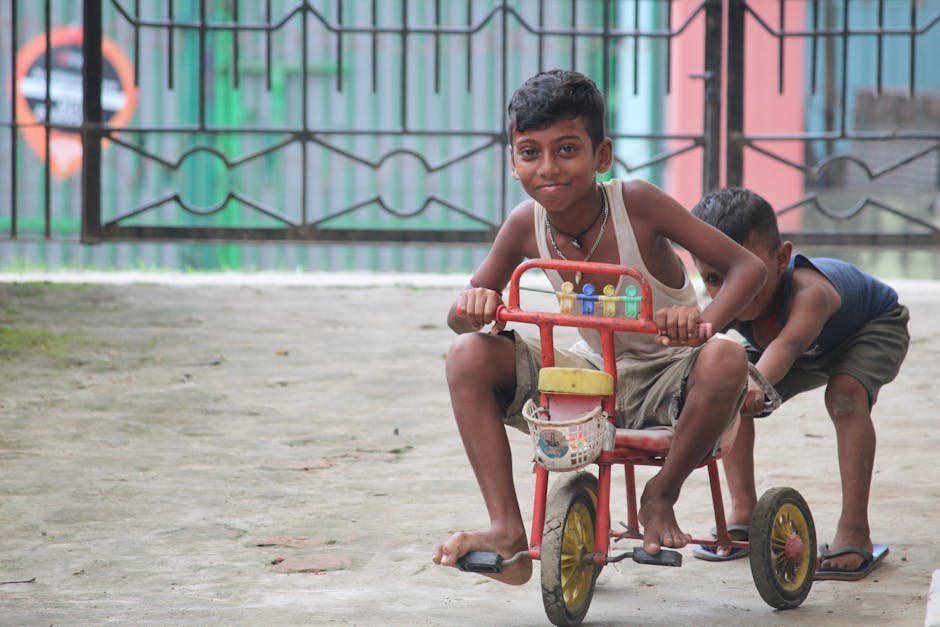
Riding a bike with your siblings can be a lot of fun, but it also comes with some risks. You want to enjoy the ride without worrying about accidents or injuries.
The good news is, with a few simple steps, you can make sure everyone stays safe while having a great time together. You’ll discover easy and practical tips that help you protect yourself and your siblings every time you hit the road.
Keep reading, and you’ll learn how to turn your biking adventures into safe, happy memories.
Choosing The Right Bikes
Riding bikes with siblings can be fun and safe. Choosing the right bikes helps everyone enjoy the ride.
Picking bikes that fit well and work properly keeps all riders safe on the road or trail.
Matching Bike Sizes
Each sibling needs a bike size that fits their height and age. A good fit helps control and balance.
Riding a bike that is too big or too small can cause accidents or discomfort.
- Measure your sibling’s height before buying a bike
- Check the seat height so feet can touch the ground
- Look for bikes designed for your sibling’s age group
- Test ride the bike to see if it feels comfortable
Checking Bike Conditions
Before riding, check each bike’s condition. Safe bikes reduce the risk of falls and injuries.
Look at brakes, tires, and chains to make sure everything works well and is not broken.
- Test brakes to ensure they stop the bike quickly
- Check tires for proper air pressure and no holes
- Make sure the chain is clean and moves smoothly
- Inspect the frame for cracks or damage
- Adjust the seat and handlebars to fit each rider

Credit: www.shutterstock.com
Essential Safety Gear
Riding a bike with siblings is fun but needs safety. Wearing the right gear helps protect everyone.
This guide covers important safety gear to use. It helps keep you safe during bike rides.
Helmets And Pads
Helmets protect your head from injuries in falls. Pads shield your knees and elbows from scrapes and bruises.
- Choose helmets that fit snugly and comfortably.
- Wear knee and elbow pads that stay in place.
- Check all gear for damage before each ride.
- Replace helmets after any strong impact.
Reflective Clothing
Reflective clothing helps others see you in low light. It reduces the chance of accidents during dusk or dawn rides.
| Type of Clothing | Where to Use | Benefits |
| Reflective Jackets | Evening and night rides | Increase visibility from far away |
| Reflective Bands | Wrists and ankles | Highlight moving parts of the body |
| Bright Colors | Daytime rides | Make riders easy to spot |
Planning The Route
Riding a bike with siblings is fun and healthy. Planning the route helps keep everyone safe and happy.
Choosing the right path makes the ride easier and more enjoyable for all riders.
Selecting Safe Paths
Pick bike paths or trails that are away from cars. These paths are safer and less stressful for kids.
Look for well-maintained paths with good lighting and clear signs. This helps avoid accidents and confusion.
- Choose parks or dedicated bike lanes
- Use paths with smooth surfaces
- Check for clear route markers
- Avoid paths with many obstacles
Avoiding Busy Roads
Busy roads have fast cars and many drivers. These can be dangerous for young riders.
Plan routes that stay on quiet streets or bike-friendly neighborhoods. This lowers the risk of accidents.
- Use side streets instead of main roads
- Cross roads only at marked crosswalks
- Ride in groups to be more visible
- Stay alert for traffic and signals
Riding Techniques For Groups
Riding a bike with siblings can be fun and safe. It needs good teamwork and care. Learning group riding skills helps everyone enjoy the ride without accidents.
This guide explains two key skills. Keeping safe distances and using clear hand signals make group rides safer. Follow these tips to ride well together.
Maintaining Safe Distances
Keep space between bikes to avoid crashes. Distance depends on speed and road conditions. Each rider should leave enough room to stop safely.
- Stay at least one bike length behind the rider ahead.
- Increase distance in wet or slippery conditions.
- Watch for sudden stops and slow down early.
- Keep your line steady to avoid sudden moves.
- Adjust spacing when riding uphill or downhill.
Communicating Signals
Hand signals help riders share information quickly. Use simple, clear signs for turns and stops. This keeps the group aware and safe.
| Signal | Meaning |
| Left arm straight out | Turning left |
| Right arm straight out | Turning right |
| Left arm bent up | Stopping or slowing down |
| Left arm bent down | Slowing down |
Rules To Follow On The Road
Riding a bike with siblings can be fun and safe. Following road rules helps avoid accidents.
Always pay attention to the road and respect traffic laws. This keeps everyone safe.
Obeying Traffic Signs
Traffic signs give important information to riders. Watch for stop signs, speed limits, and warnings.
Stopping or slowing down when needed helps prevent crashes. Follow all traffic signs carefully.
- Stop completely at stop signs
- Follow speed limit signs
- Watch for pedestrian crossings
- Obey traffic lights and signals
Yielding And Stopping
Yield to cars, pedestrians, and other bikes. Let them go first when required.
Stop fully at intersections or red lights. Check both ways before moving again.
- Slow down near crosswalks
- Give way to emergency vehicles
- Use hand signals before stopping
- Make eye contact with drivers if possible

Credit: www.shutterstock.com
Handling Emergencies
Riding bikes with siblings is fun but safety is very important. Knowing how to handle emergencies keeps everyone safe.
Be ready to act fast if someone gets hurt or faces a problem on the ride.
Basic First Aid
Learn simple first aid to help each other during bike rides. Basic care can stop small injuries from getting worse.
Keep a first aid kit with bandages, antiseptic wipes, and pain relief cream in your bike bag.
- Clean wounds with water or antiseptic
- Cover cuts with a bandage
- Apply ice packs to reduce swelling
- Use pain relief for minor aches
- Stay calm and comfort the injured sibling
What To Do In Case Of A Fall
If a sibling falls, stop riding immediately. Check their condition carefully before moving.
Look for bleeding, broken bones, or signs of a concussion like dizziness or confusion.
- Keep the fallen sibling still if you suspect a serious injury
- Comfort them and keep them warm
- Call for help if the injury is serious
- Use first aid for minor scrapes and bruises
- Do not move them if they feel strong pain
Making The Ride Fun
Riding bikes with siblings can be a great way to enjoy time together. It is important to keep the ride safe and fun at the same time.
Adding some fun activities will help everyone stay happy and careful during the ride.
Playing Safe Games
Playing games while riding helps make the time enjoyable. Choose games that keep everyone alert and safe.
- Follow the leader: One sibling leads, and others copy the moves safely.
- Color hunt: Spot colors of cars or houses along the way.
- Safe zones: Stop at marked places to rest or check in.
- Signal practice: Use hand signs to communicate turns or stops.
Taking Breaks Together
Regular breaks keep the ride fun and help prevent tiredness. Plan stops where everyone can relax and chat.
| Break Activity | Purpose |
| Drink water | Stay hydrated and fresh |
| Stretch legs | Prevent cramps and stiffness |
| Snack time | Keep energy up |
| Talk about the ride | Share fun moments and ideas |

Credit: www.gettyimages.com
Frequently Asked Questions
How To Ensure Safety When Biking With Siblings?
Always wear helmets and protective gear. Set clear riding rules and stay in designated areas. Keep communication open and watch out for each other to prevent accidents.
What Are The Best Bikes For Siblings To Ride Together?
Choose bikes that fit each sibling’s size and skill level. Consider tandem bikes or bikes with training wheels for younger riders to ensure comfort and safety.
How To Teach Younger Siblings Safe Biking Habits?
Start with basic rules like stopping at intersections and signaling turns. Practice in safe, low-traffic areas. Encourage patience and respect for others on the road.
Can Siblings Ride Bikes Side-by-side Safely?
Yes, but only on wide, low-traffic paths. Maintain a safe speed and keep a safe distance to avoid collisions. Stay alert to surroundings and other riders.
Conclusion
Riding a bike with siblings can be fun and safe. Always wear helmets. Check your bike’s brakes and tires before each ride. Choose quiet roads with little traffic. Communicate clearly with each other while riding. Practice hand signals for turning and stopping.
Keep a safe distance between bikes. Always stay alert and avoid distractions. Remember, safety is the top priority. Enjoy the ride, but be careful and watchful. With these tips, you can have a safe and joyful biking experience. Enjoy the adventure and create lasting memories together!



