
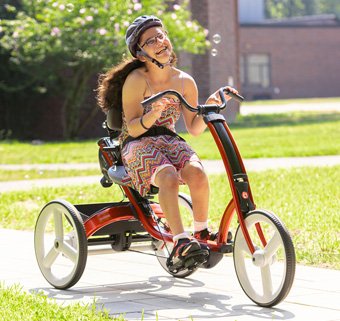
Are you ready to discover a fun and freeing way to get moving? Riding an adaptive tricycle can open up new possibilities for your mobility and independence.
Whether you’re new to adaptive cycling or looking to improve your skills, this guide will walk you through every step. You’ll learn how to get comfortable, stay safe, and enjoy the ride like never before. Keep reading to unlock the confidence and joy that come with mastering your adaptive tricycle.
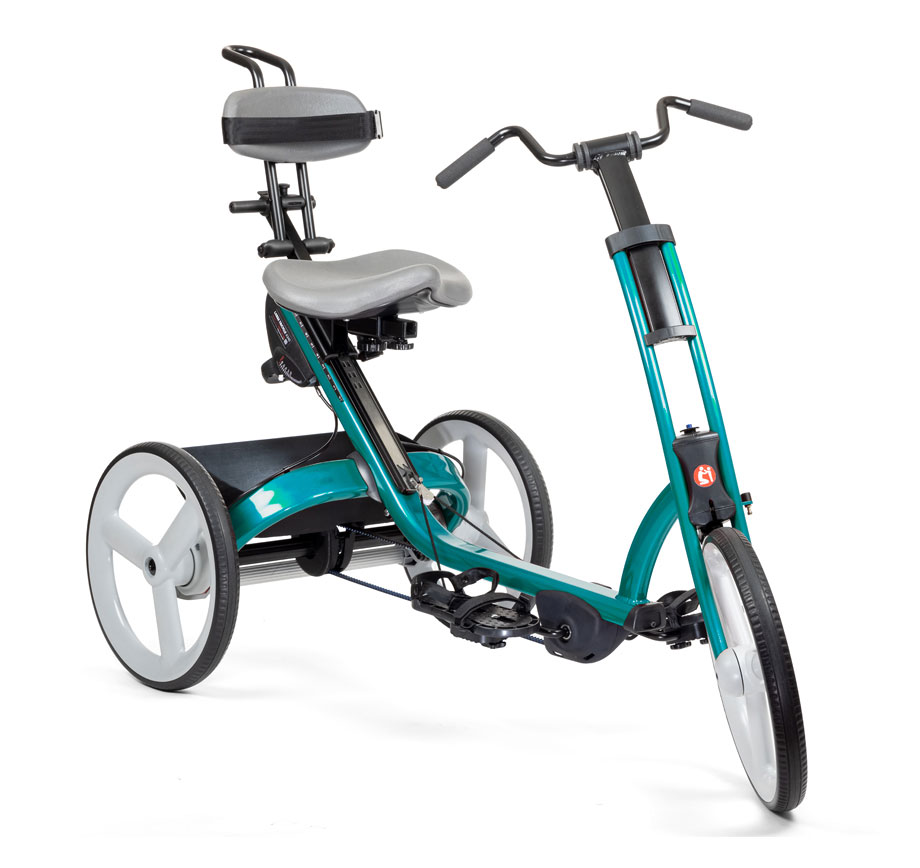
Credit: www.rifton.com
Choosing The Right Adaptive Tricycle
Choosing an adaptive tricycle can help people with different needs enjoy cycling safely. The right tricycle supports comfort, control, and fun.
This guide explains types of adaptive tricycles, how to size them, and key safety features to consider.
Types Of Adaptive Tricycles
Adaptive tricycles come in many styles. Each fits different abilities and preferences. Some are easy to pedal, while others have special controls.
- Recumbent tricycles: Sit low with back support for more comfort.
- Upright tricycles: Look like a regular bike but with three wheels.
- Handcycles: Use hand pedals for those who cannot use their legs.
- Tilt tricycles: Can lean to help with balance and turning.
- Special needs tricycles: Add extra supports or restraints for safety.
Sizing And Adjustments
Correct size is important for comfort and control. Measure leg length, seat height, and reach to pedals or handlebars.
| Measurement | How to Measure | Why It Matters |
| Leg Length | Measure from hip to foot | Ensures proper pedal reach |
| Seat Height | Check when seated with feet on pedals | Supports comfort and pedaling |
| Handlebar Reach | Measure distance from seat to handlebars | Allows easy steering and control |
Safety Features To Look For
Safety features protect the rider and improve the riding experience. Look for these key items.
- Stable frame to prevent tipping over
- Easy-to-use brakes for quick stops
- Reflectors or lights for visibility
- Comfortable seat belts or harnesses
- Non-slip pedals to keep feet in place
Preparing For Your First Ride
Riding an adaptive tricycle can be a fun and safe experience. Before you start, it is important to prepare well. This helps you enjoy your ride and avoid accidents.
Getting ready means wearing the right gear, checking the tricycle, and choosing a safe place to ride. Let’s look at these steps closely.
Wearing Proper Gear
Wear the right gear to protect yourself during the ride. This keeps you safe if you fall or bump into something.
Always wear a helmet that fits well. Use comfortable clothes and closed shoes. Avoid loose items that can get caught in the tricycle.
- Helmet to protect your head
- Closed shoes for better grip
- Comfortable clothes that do not restrict movement
- Optional gloves to protect your hands
Checking The Tricycle
Before riding, check the tricycle to make sure it works well. Look at the wheels, brakes, and pedals carefully.
Make sure the seat and handlebars are tight and fit your body. Check the tires for air and any damage. Test the brakes to see if they stop smoothly.
- Inspect tires for air and damage
- Check brakes for proper function
- Ensure pedals spin freely
- Confirm seat and handlebars are secure
Setting A Safe Riding Area
Pick a safe place to ride your adaptive tricycle. Choose a flat, smooth surface with no traffic or obstacles.
A quiet park or empty parking lot works well. Avoid busy streets, steep hills, or places with many people. Clear the area of stones or sticks that can cause falls.
- Flat, smooth surface
- No cars or traffic
- Free of obstacles and debris
- Plenty of space to practice
Basic Riding Techniques
Riding an adaptive tricycle is a fun and healthy activity. It helps improve strength and balance.
Learning the basic riding techniques makes the experience safe and enjoyable.
Mounting And Dismounting
Always stop the tricycle before getting on or off. Check that it is stable and will not roll.
Use the handles or seat to help you mount carefully. Step off slowly and keep one hand on the trike.
- Stop the tricycle on flat ground
- Hold the handlebars for support
- Place your foot on the pedal before sitting
- Dismount slowly and steady yourself
Starting And Stopping
Start pedaling smoothly to gain control. Avoid sudden pushes that might unbalance you.
To stop, slow your pedaling first. Use the brakes gently and come to a full stop before getting off.
- Begin pedaling slowly and steadily
- Keep feet on pedals at all times
- Press brakes gently to slow down
- Stop completely before dismounting
Steering And Balancing
Turn the handlebars smoothly to steer. Avoid sharp or quick turns to keep balance.
Keep your body centered on the seat. Look ahead to maintain a straight path and steady balance.
- Turn handlebars gently to change direction
- Keep your back straight and shoulders relaxed
- Focus your eyes on where you want to go
- Use your body to help balance on turns
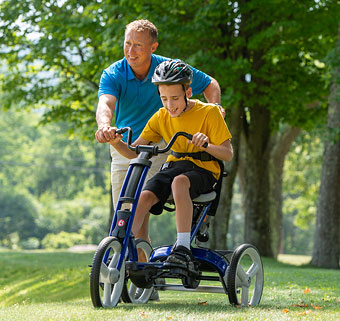
Credit: www.rifton.com
Building Confidence On The Tricycle
Riding an adaptive tricycle can boost independence and joy. It is important to build confidence slowly and safely.
Practicing often helps riders feel more secure and enjoy their time on the tricycle.
Practicing Short Rides
Start with short rides in a quiet and flat area. Keep the trips brief to avoid tiredness. These short sessions help riders get used to balancing and pedaling.
- Choose a safe, open space
- Ride for five to ten minutes
- Take breaks as needed
- Gradually increase ride time
Overcoming Common Challenges
Some riders may feel nervous or lose balance at first. These problems are normal and can be solved with patience.
| Challenge | Solution |
| Nervousness | Practice with a trusted helper nearby |
| Balance issues | Use training wheels or support bars |
| Difficulty pedaling | Adjust seat height and pedal position |
Using Supportive Tools
Supportive tools make riding easier and safer. They can help build trust in the rider’s abilities.
- Helmets protect the head in case of falls
- Seat belts keep the rider secure
- Handlebar grips improve control
- Adjustable seats fit the rider’s size
Maintaining Your Adaptive Tricycle
Keeping your adaptive tricycle in good shape helps it last longer. Regular care makes rides safer and more comfortable.
Simple maintenance tasks can prevent big problems. Check your tricycle often to keep it working well.
Regular Cleaning And Inspection
Clean your tricycle after every ride. Dirt and grime can cause parts to wear out fast. Use a soft cloth and mild soap. Avoid strong chemicals that harm paint and plastic.
- Wipe down the frame and handlebars
- Clean the seat and pedals
- Check for loose screws and bolts
- Look for cracks or damage on the frame
Tire And Brake Care
Check tire pressure weekly. Low air makes riding harder and wears tires out. Inspect tires for cuts or worn tread. Replace if needed. Test brakes before each ride. Make sure they stop smoothly and firmly.
| Task | How to Check | When to Do It |
| Tire Pressure | Use a pressure gauge | Weekly |
| Tire Condition | Look for cracks or bald spots | Monthly |
| Brake Function | Test stopping power | Before every ride |
Adjusting For Growth And Comfort
As the rider grows, adjust the seat and handlebars. Proper fit helps prevent pain and improves control. Loosen adjustment knobs and move parts slowly. Tighten them securely after changes.
- Raise the seat height for longer legs
- Move handlebars closer or farther for comfort
- Check foot straps and pedals for a snug fit
- Adjust backrest angle if available

Credit: www.rifton.com
Frequently Asked Questions
What Is An Adaptive Tricycle?
An adaptive tricycle is a three-wheeled bike designed for individuals with mobility challenges. It offers enhanced stability, support, and customized features for safe riding.
How Do I Adjust An Adaptive Tricycle For Comfort?
Adjust the seat height, handlebar position, and footrests to fit your body. Proper adjustments improve comfort, control, and riding experience.
What Safety Gear Should I Wear On An Adaptive Tricycle?
Always wear a helmet, knee pads, and elbow pads. Use reflective clothing and lights for visibility and extra protection.
Can Beginners Easily Learn To Ride An Adaptive Tricycle?
Yes, adaptive tricycles are user-friendly and stable, making them ideal for beginners. Practice in a safe, flat area to build confidence.
Conclusion
Riding an adaptive tricycle opens new possibilities. It’s all about fun and freedom. Remember, safety first. Always wear a helmet. Adjust the tricycle to fit your needs. Practice regularly to gain confidence. Enjoy every ride and explore new paths. Share the joy with friends and family.
Riding is not just a sport; it’s a journey. Keep pedaling and smile along the way. Adaptive tricycles offer great adventures. Embrace the ride and discover new experiences.



