
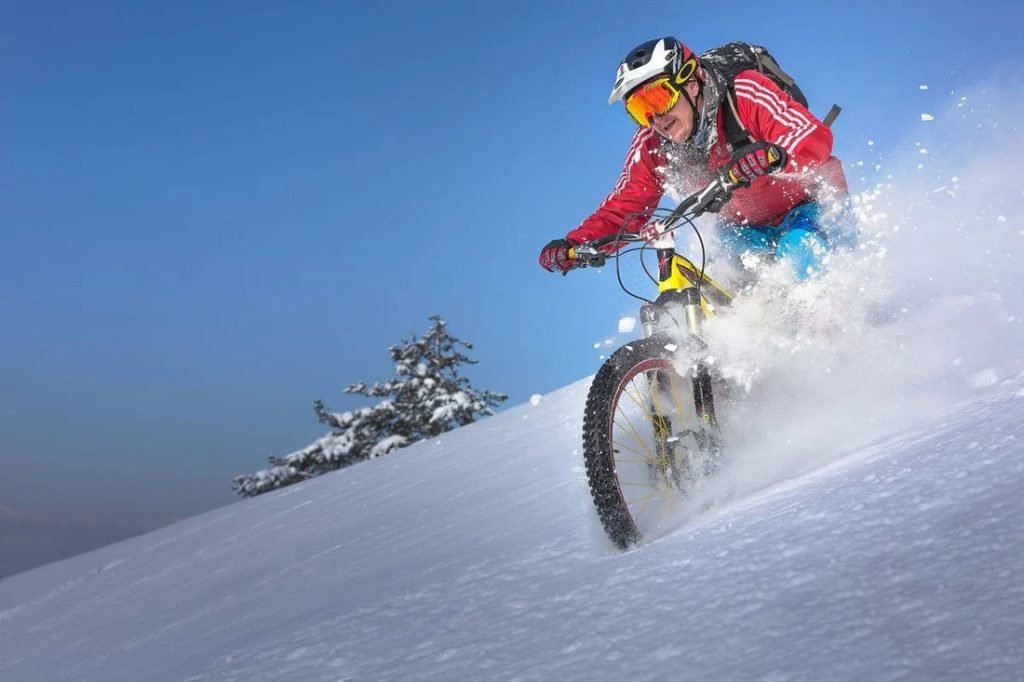
Imagine the thrill of gliding down a snowy trail on your mountain bike, surrounded by a winter wonderland. Sounds exhilarating, right?
Riding a mountain bike in snow is not just a test of skill but also a unique way to experience nature’s cold embrace. But before you gear up, there are crucial tips and tricks you need to master to make your snowy adventure safe and enjoyable.
You’re probably wondering how to maintain balance on slippery surfaces or which gear is essential for the best ride. Don’t worry; we’ve got you covered. Dive into this guide, and you’ll discover everything you need to confidently tackle the snowy trails with your mountain bike. Ready to transform your biking experience? Let’s get started!
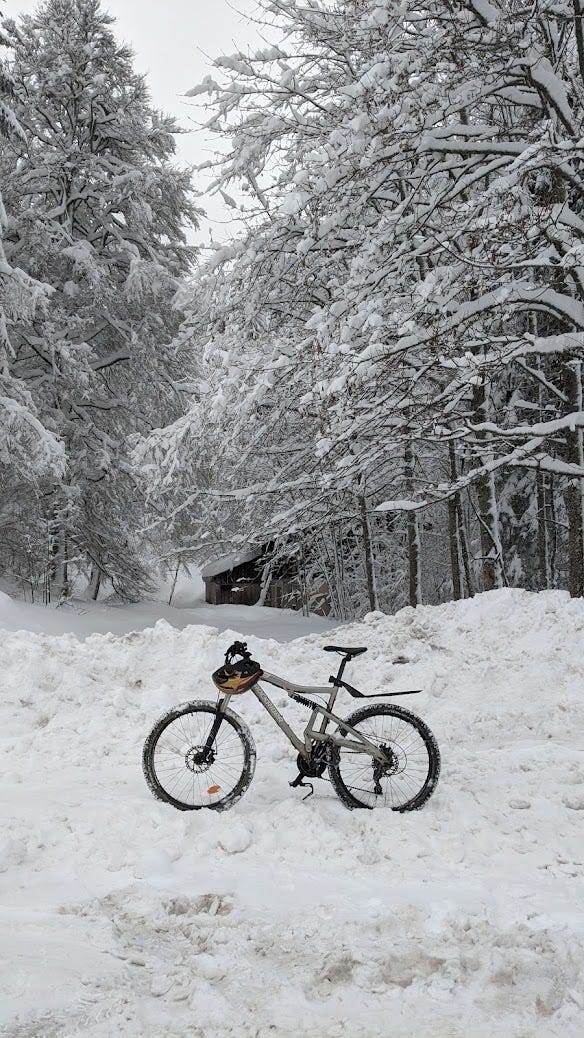
Credit: medium.com
Choosing The Right Bike
Riding a mountain bike in snow requires special skills and the right bike. Opt for a bike with wide tires for better grip. Ensure your bike has sturdy brakes and a low gear setup for safe navigation through snowy terrains.
Frame Considerations
Mountain bikes need strong frames for snow rides. Aluminum frames are light and durable. Carbon frames are expensive but very light. Steel frames are strong but heavy. Choose wisely for your needs.
Tire Selection
- Wide tires are best for snow.
- Fat tires give better grip.
- Tires with deep treads help in snow.
- Low tire pressure helps with traction.

Credit: blog.gearchase.com
Essential Gear
Wear several layers to stay warm. Start with a base layer that keeps you dry. A thermal shirt works well. Add a fleece jacket for warmth. Finish with a waterproof jacket. This keeps snow and water out. Don’t forget thermal pants. They protect your legs from cold.
Gloves keep your hands warm. Choose ones that are water-resistant. Goggles protect your eyes from snow and wind. A helmet is crucial for safety. It shields your head if you fall. Boots should be sturdy and warm. Good grip is essential for balance. Socks made of wool keep feet cozy. They wick away moisture too.
Adjusting Bike Setup
Adjust bike setup for snowy mountain trails. Lower tire pressure for better traction. Consider wider tires for stability. Adjust seat height for comfort and control. Use winter-specific lubricants to keep parts moving smoothly.
Brake Adjustments
Brakes are vital for snow biking. Tighten them for quick stopping. Check the brake pads for wear. Replace if they look old. Snow can make brakes slippery. Clean them often. Test the brakes before every ride. Ensure you feel safe with their response.
Suspension Tuning
Suspension needs proper tuning. Soft suspension helps on snow. Adjust it for a smooth ride. Test the setup in different snow types. Deep snow needs more softness. Check your suspension regularly. Don’t ignore strange noises. They can mean something is wrong. A well-tuned suspension makes snow biking fun.
Techniques For Snow Riding
Riding a mountain bike in snow requires balance and control. Choose wider tires for better grip. Lower your tire pressure for more traction. Dress in layers to stay warm. Keep your weight centered and maintain a steady pace. Practice braking gently to avoid skidding.
Balancing And Steering
Stay low on your bike to keep balance. Lean gently when turning. Use your arms to steer, not just the handlebars. Look ahead to plan your path. Keep your pedals level to avoid slipping. Avoid sudden movements or fast turns. Small, smooth changes work best.
Managing Traction
Check your tire pressure before riding. Soft tires grip snow better. Use wider tires for more surface contact. Pedal steadily to keep control. Avoid quick stops or starts. Keep your weight centered on the bike. Shift gears gently to prevent slipping. Ride on packed snow if possible, as it offers better grip.
Safety Measures
Riding a mountain bike in snow requires special safety measures. Wear layers to stay warm, and choose tires with good traction. Keep your speed slow and steady, and use your brakes gently to avoid skidding.
Visibility Tips
Wear bright clothes to stand out in the snow. Use reflective gear for better visibility. Carry a flashlight for dark or foggy conditions. Check your bike lights before starting your ride. Ensure your helmet has a light attached. Keep your phone charged for emergencies.
Emergency Preparedness
Always carry a basic first aid kit. Keep a whistle for attracting attention. Inform someone about your route and expected return time. Take extra warm clothing in case of unexpected weather changes. Carry snacks and water to stay energized. Know the nearest shelter points along your route.
Maintaining Your Bike
Riding a mountain bike in snow demands special skills and preparation. Ensure proper tire pressure and use wider tires for better grip. Dress in layers to stay warm, and always carry essential tools.
Cleaning After Snow Rides
Snow can hide dirt and salt. These can harm your bike. Clean your bike after each snowy ride. Use warm water to wash away grime. A soft cloth helps to dry it well. Keep water away from the chain and gears. This stops rust and damage.
Preventing Rust And Wear
Snow and salt can cause rust on your bike. Apply oil on the chain after cleaning. This helps to protect it from rust. Check brakes and tires for wear. Replace them if they seem worn out. Keep your bike inside to protect it from snow. A cover can also help keep it dry.

Credit: www.zermatters.ch
Frequently Asked Questions
Can I Ride My Mountain Bike In The Snow?
Yes, you can ride your mountain bike in the snow. Equip it with wider tires for better grip. Wear warm clothing and be cautious of icy patches. Riding in snow offers a unique challenge and can be fun with proper preparation.
Always prioritize safety and check weather conditions beforehand.
How Cold Is Too Cold To Mountain Bike?
Mountain biking becomes too cold when temperatures drop below freezing, around 32°F (0°C). Riders face discomfort and safety risks. Dress in layers, wear gloves, and protect extremities. Ensure your bike is winter-ready to handle the conditions. Always prioritize safety and personal comfort when deciding to ride in cold weather.
How Hard Is It To Ride A Bike In Snow?
Riding a bike in snow is challenging. Slippery surfaces make balance difficult and require slow, careful riding. Use wider tires for better grip and dress warmly. Visibility might be reduced; ensure lights and reflective gear are used. Practice and patience help improve skills over time.
How To Brake While Mountain Biking?
Use both brakes smoothly to control speed. Avoid sudden braking to prevent skidding. Shift your weight back when braking downhill. Practice feathering the brakes for better control. Always adjust your braking technique based on terrain.
Conclusion
Riding a mountain bike in snow can be fun and challenging. Dress warmly and layer up for safety. Remember, the right gear makes a big difference. Choose tires with good grip and adjust your speed. Practice on flat areas before tackling hills.
Maintain balance and keep your body relaxed. Focus on the path ahead and enjoy the snowy adventure. Riding in snow improves skills and offers unique experiences. Enjoy the beauty around you while biking. With patience and practice, you’ll feel more confident.
Embrace the thrill and keep exploring new trails. Stay safe and have fun!



