
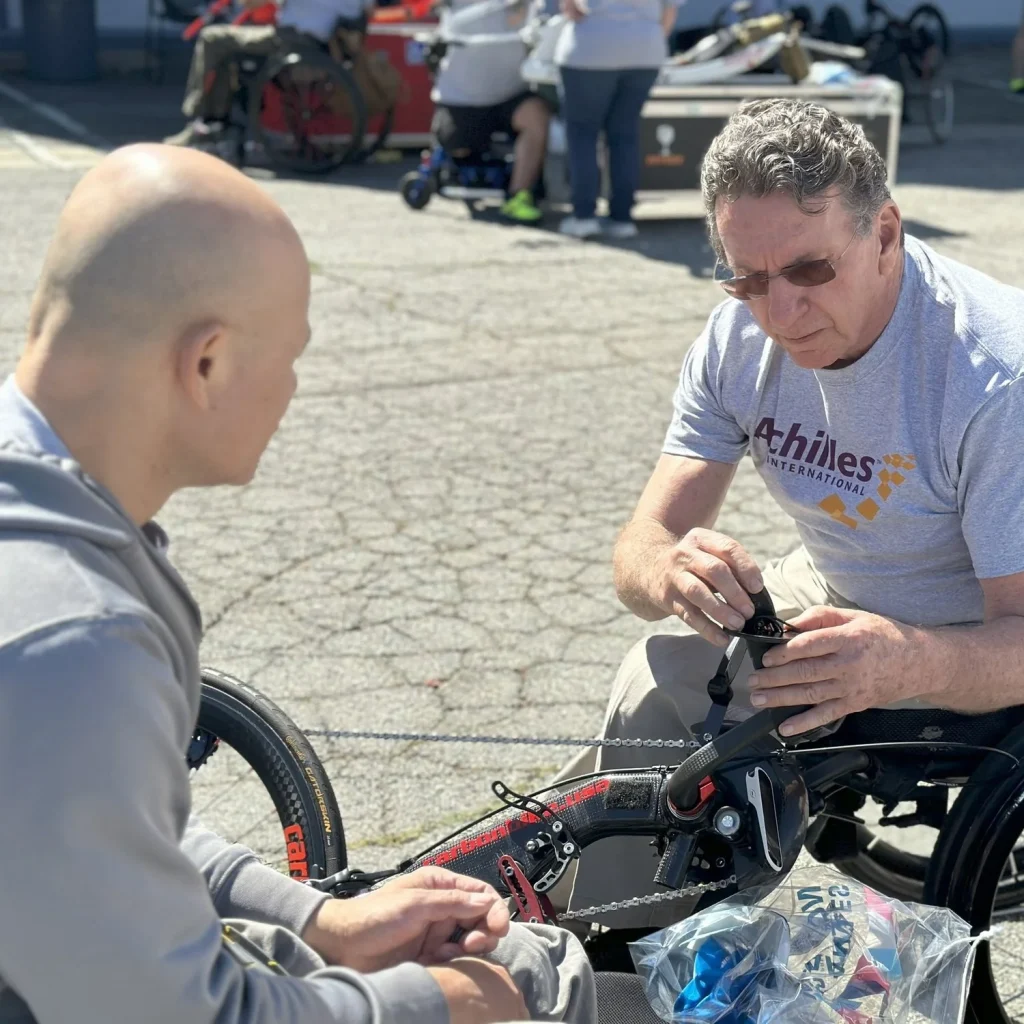
If you use an adaptive handcycle, you know how important it is to keep it in top shape. But what do you do when something breaks or stops working right?
You don’t want to wait days or weeks to get it fixed. You want to learn how to repair your handcycle yourself, quickly and confidently. This guide will show you simple steps to fix common problems, save money, and get back on the road fast.
Ready to take control of your handcycle repairs? Let’s dive in.
Common Issues With Adaptive Handcycles
Adaptive handcycles are great for mobility and exercise. Like any bike, they need care and repairs.
Some common problems affect how well they work. Knowing these helps you fix them faster.
Brake Problems
Brakes can wear out or stop working well. This causes safety issues and harder stopping.
Brake pads may wear down or get dirty. Brake cables can stretch or break over time.
- Check brake pads for wear or damage.
- Clean brakes to remove dirt and debris.
- Tighten or replace brake cables if loose or broken.
- Test brakes often for smooth stopping.
Gear Shifting Challenges
Gears help control speed and effort. Sometimes gears slip or do not change smoothly.
Causes include dirty chains, worn gears, or bad cable tension. These make riding harder.
- Clean and lubricate the chain regularly.
- Adjust gear cables to the correct tension.
- Replace worn or damaged gears and chains.
- Shift gears carefully to avoid damage.
Wheel And Tire Troubles
Wheels and tires face rough use. Problems include flats, bent rims, and loose spokes.
These issues affect speed and safety. Proper care keeps your handcycle rolling smoothly.
- Check tires for punctures or worn tread.
- Inflate tires to the correct pressure.
- True wheels to fix bent rims.
- Tighten loose spokes to keep wheels strong.
Frame And Structural Concerns
The frame supports your weight and controls. Cracks or bends can cause accidents.
Regularly inspect the frame for damage. Fix small cracks before they grow bigger.
- Look for cracks, dents, or rust on the frame.
- Clean and dry the frame to prevent rust.
- Repair or replace damaged parts quickly.
- Ensure all bolts and joints are tight.

Credit: www.reddit.com
Essential Tools For Handcycle Repairs
Repairing adaptive handcycles requires the right tools. Proper tools help fix problems quickly and safely.
This guide covers the basic tools, specialized kits, and safety gear needed for handcycle repairs.
Basic Hand Tools
Basic hand tools are the foundation for most repairs. These tools fit many parts and fix common issues.
Having these tools ready saves time and makes repairs easier.
- Adjustable wrench for nuts and bolts
- Screwdrivers (flathead and Phillips)
- Allen (hex) key set for bolts
- Pliers for gripping and cutting
- Tire levers to remove tires
- Chain tool to fix or replace chains
Specialized Repair Kits
Specialized repair kits have tools made for handcycles. These kits include parts and tools not found in basic sets.
They help fix complex problems like brake adjustments and gear tuning.
- Brake adjustment tools
- Spoke wrench for wheel truing
- Torque wrench for correct bolt tightening
- Hub and bottom bracket tools
- Patch kit for tire repairs
- Replacement parts like cables and brake pads
Safety Equipment
Safety equipment protects you during repairs. Using safety gear reduces injury risk.
Always wear safety tools to keep your hands and eyes safe.
- Protective gloves to avoid cuts and scrapes
- Safety glasses to guard eyes from debris
- Closed-toe shoes for foot protection
- Work apron to keep clothes clean
- Good lighting to see small parts clearly
Fixing Brake Issues
Brakes are vital for the safety of adaptive handcycles. Proper brake function keeps riders in control. Fixing brake issues ensures safe and smooth rides.
This guide covers three common brake repairs: adjusting brake cables, replacing brake pads, and bleeding hydraulic brakes. Follow the steps carefully to fix these problems.
Adjusting Brake Cables
Brake cables can stretch or loosen over time. Adjusting them restores proper brake tension and improves stopping power.
- Locate the barrel adjuster near the brake lever.
- Turn the adjuster counterclockwise to tighten the cable.
- Check the brake lever feel; it should be firm but not too tight.
- If needed, loosen the cable clamp bolt and pull the cable tighter.
- Tighten the clamp bolt and test the brakes again.
Replacing Brake Pads
Worn brake pads reduce braking power and can damage the wheel rims. Replace pads when they look thin or uneven.
| Step | Action |
| 1 | Loosen the brake pad mounting bolt with an Allen key. |
| 2 | Remove the old brake pad from the brake arm. |
| 3 | Place the new brake pad in the correct position. |
| 4 | Align the pad so it contacts the rim fully and evenly. |
| 5 | Tighten the mounting bolt securely. |
| 6 | Test the brake lever to confirm good pad contact. |
Bleeding Hydraulic Brakes
Air bubbles can enter hydraulic brake lines, causing soft brakes. Bleeding removes air and restores firm brake pressure.
Follow these basic steps to bleed your hydraulic brakes:
- Prepare the brake bleed kit and fluid recommended by your brake maker.
- Attach the syringe or bleed cup to the brake caliper bleed nipple.
- Open the bleed nipple and slowly push fluid through the system.
- Watch for air bubbles leaving the lines.
- Close the bleed nipple and clean any spilled fluid.
- Test brake lever firmness before riding.
Repairing Gear And Transmission
Adaptive handcycles need regular care to keep their gears and transmission working well. Proper repairs help you ride smoothly and safely.
This guide covers tuning derailleurs, lubricating chains, and replacing worn gears. Follow these tips to fix common problems.
Tuning Derailleurs
Derailleurs move the chain between gears. If they are not tuned, shifting will feel rough or slow. Adjusting them improves gear changes.
- Check the derailleur hanger for bends and straighten it carefully.
- Shift to the smallest gear and tighten the high limit screw.
- Shift to the largest gear and adjust the low limit screw.
- Use the barrel adjuster to fine-tune cable tension for smooth shifting.
- Test all gears to make sure the chain moves without skipping or rubbing.
Lubricating Chains
Chains need lubrication to reduce wear and noise. Clean and oil your chain regularly to keep it running well.
- Wipe the chain with a dry cloth to remove dirt.
- Apply a drop of bike chain oil to each link.
- Let the oil soak in for a few minutes.
- Remove excess oil with a clean rag to avoid attracting dirt.
- Lubricate the chain after every few rides or after wet weather.
Replacing Worn Gears
Worn gears cause slipping and poor shifting. Replace them to restore good performance.
| Gear Part | Signs of Wear | Replacement Tips |
| Chainring | Teeth look sharp or hooked | Match size and bolt pattern exactly |
| Cassette | Teeth are worn down or uneven | Replace with compatible cassette |
| Chain | Chain stretches or skips | Use a chain checker tool before replacing |
Wheel And Tire Maintenance
Maintaining the wheels and tires of your adaptive handcycle keeps it safe and smooth to ride. Regular checks help you avoid problems on the road.
Focus on fixing flats, straightening bent wheels, and replacing spokes to keep your handcycle in good shape.
Fixing Flat Tires
Flat tires happen when sharp objects puncture the tire or tube. Fix them quickly to avoid damage to the wheel rim.
- Remove the wheel from the handcycle.
- Take out the tire and tube carefully.
- Find the hole by inflating the tube and listening for air leaks.
- Patch the hole using a tire repair kit.
- Reinstall the tube and tire, then inflate to the recommended pressure.
Truing Bent Wheels
Bent wheels cause wobbling and reduce control. Truing the wheel makes it round and straight again.
Use a truing stand or place the wheel in the bike frame and spin it to spot bends. Tighten or loosen spokes to straighten the rim.
Replacing Spokes
Broken or loose spokes weaken your wheel. Replace damaged spokes to keep the wheel strong and safe.
| Tool | Purpose |
| Spoke wrench | Tighten or loosen spokes |
| New spokes | Replace broken spokes |
| Spoke nipple | Secure spokes to rim |
| Truing stand | Check wheel alignment |

Credit: www.bicycling.com
Addressing Frame And Structural Repairs
Adaptive handcycles need strong frames to keep riders safe. Fixing frame and structure issues helps the cycle last longer. Checking and repairing early stops big problems.
This guide covers how to inspect cracks, tighten bolts, and do temporary fixes. Follow each step carefully to keep your handcycle working well.
Inspecting For Cracks
Look closely at the frame for any cracks or bends. Check all welds and joints carefully. Small cracks can grow and cause failure.
- Clean the frame to see cracks clearly
- Use a flashlight to inspect tight spots
- Tap suspicious areas to listen for hollow sounds
- Mark any cracks with a permanent marker
- Check often if you ride on rough surfaces
Tightening Bolts And Joints
Loose bolts and joints cause wobbling and weaken the frame. Tighten all bolts to the right level. Avoid overtightening to prevent damage.
| Part | Tool Needed | Tightening Tip |
| Frame Bolts | Allen Wrench | Tighten until firm, no wiggle |
| Wheel Joints | Socket Wrench | Secure but do not strip threads |
| Handlebars | Torque Wrench | Follow manufacturer torque specs |
| Pedal Cranks | Spanner | Check regularly for looseness |
Temporary Frame Fixes
If you find a crack or damage on the frame, use a temporary fix to stay safe until a full repair. These fixes are not permanent and need a professional check.
Here are some temporary fixes you can do:
- Wrap the cracked area tightly with strong duct tape
- Use a metal clamp to hold cracked parts together
- Apply epoxy or strong adhesive for small cracks
- Avoid riding on rough terrain until repaired
Tips For Regular Handcycle Care
Taking care of your adaptive handcycle helps it last longer. Regular maintenance keeps it safe and smooth to use.
Simple daily checks and cleaning can prevent big problems. Use these tips to keep your handcycle in good shape.
Cleaning And Lubrication
Clean your handcycle often to remove dirt and dust. Use a soft cloth and mild soap with water. Avoid harsh chemicals that can damage parts.
Lubricate moving parts like chains and gears regularly. Use a lubricant made for bicycles. This keeps them moving smoothly and stops rust.
- Wipe off dirt after every ride
- Apply lubricant to chains and joints once a week
- Use a dry cloth to remove excess oil
- Check for rust or wear during cleaning
Routine Inspections
Check your handcycle before and after rides. Look for loose bolts, worn tires, and any damage. Fix small issues early to avoid accidents.
Test brakes and steering to make sure they work well. Pay attention to unusual sounds or resistance while riding. These signs tell you when maintenance is needed.
- Inspect tires for cracks or low pressure
- Tighten any loose screws or bolts
- Check brake pads for wear
- Ensure steering moves smoothly
Storage Recommendations
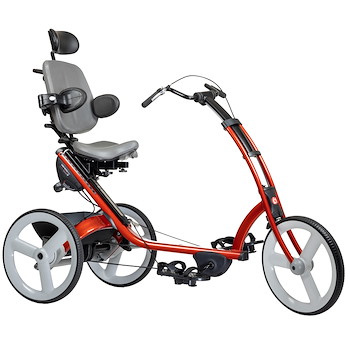
Store your handcycle in a dry and safe place. Avoid leaving it outside where rain or sun can cause damage. Cover it if possible to protect from dust.
Keep tires off the ground if you store the handcycle for a long time. This helps stop flat spots. Check the battery if your handcycle has one and charge it regularly.
- Store indoors away from weather
- Use a cover to keep dust off
- Lift tires off the ground if stored long
- Charge batteries monthly to keep them healthy
Credit: www.spinlife.com
Frequently Asked Questions
What Tools Do I Need To Repair Adaptive Handcycles?
You need basic bike tools like wrenches, screwdrivers, Allen keys, and tire levers. A bike pump and lubricant are essential too. These tools help you adjust, tighten, and replace parts efficiently during repairs.
How Often Should I Maintain My Adaptive Handcycle?
Regular maintenance every 3 to 6 months ensures optimal performance. Check tires, brakes, and chains for wear. Clean and lubricate moving parts to prevent rust and damage. Frequent checks avoid costly repairs later.
How Can I Fix A Flat Tire On My Handcycle?
First, remove the wheel and deflate the tire completely. Use tire levers to take off the tire. Replace or patch the inner tube, then reinstall the tire and inflate it. Always carry a repair kit when riding.
What Should I Do If My Handcycle Chain Slips?
Check if the chain is loose, rusty, or damaged. Clean and lubricate it regularly. Adjust the tension using the rear derailleur or chain tensioner. Replace the chain if it’s excessively worn for smooth riding.
Conclusion
Repairing adaptive handcycles can feel challenging, but it’s manageable. Follow the steps carefully. Use the right tools for each part. Regular maintenance ensures smooth rides. Safety should always be your top priority. Check connections and joints often. Keep parts clean and rust-free.
Seek expert help if needed. Don’t hesitate to ask for advice from experienced riders. Being proactive can extend your handcycle’s life. Enjoy the freedom and independence it brings. Happy cycling!



