
You’re out on a ride, feeling the wind on your face, but there’s one thing that’s bothering you—sweat pooling under your bike helmet. It’s uncomfortable, distracting, and can even affect your performance.
You might be asking yourself, “Is there a way to reduce this sweat and make my ride more enjoyable? ” Absolutely, there is! Imagine cruising along, feeling fresh and focused, without the annoyance of sweat dripping down your face. You’re going to discover effective tips and tricks to keep your head cool and dry.
You deserve a ride that’s not just about the destination, but also about enjoying every moment without unnecessary discomfort. Stick around, and let’s transform your biking experience into one that’s sweat-free and stress-free!

Credit: www.bicycling.com
Choosing The Right Helmet
Materials matter a lot in helmets. Lightweight helmets are better. They use materials like polycarbonate. This keeps your head cool and comfortable. Some helmets have inner liners. These liners absorb sweat. Choose helmets with such liners. They help keep your head dry. Durable materials last longer. So pick strong helmets.
Ventilation is key for a cool ride. Helmets with many vents are best. More vents mean more air. This keeps your head cool. Some helmets have adjustable vents. You can open or close them. This helps in different weather. Airflow channels are also good. They move air through the helmet. Keep your head fresh and dry.
A good fit is very important. Helmets should not be too tight. They should not be too loose either. Adjustable straps help in fitting well. Padding inside the helmet adds comfort. It should feel soft on your head. A comfortable helmet lets you focus. You can enjoy your ride more.
Pre-ride Preparations
Drinking water keeps your body cool. It’s important to drink enough before the ride. This helps reduce sweat and keeps you fresh. Electrolyte drinks are also helpful. They replace salts lost in sweat. Remember, hydration is key to staying cool.
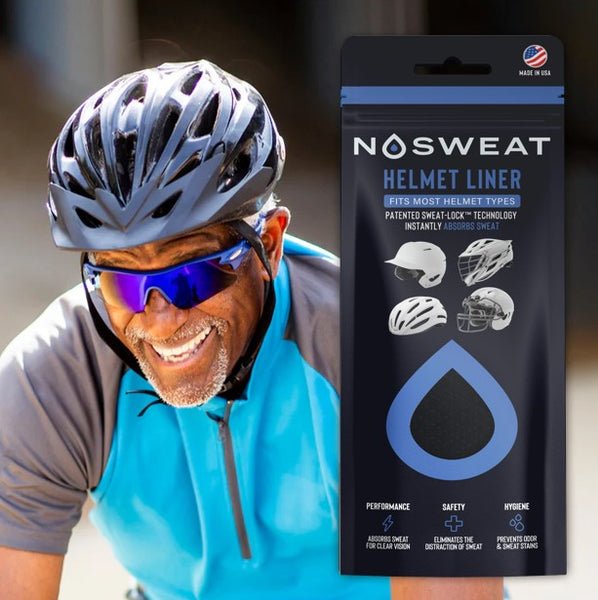
Cooling towels are a great choice. They keep your head cool and dry. You can also use helmet liners. They absorb sweat and can be washed easily. These accessories help in reducing sweat inside the helmet.
Wear lightweight, breathable clothes. This helps air circulate and keeps your body cool. Choose moisture-wicking fabrics. They pull sweat away from your skin. Proper clothing makes a big difference in comfort.
During The Ride
Keep your head cool while biking. Choose a lightweight helmet for better air flow. Drink water to stay hydrated. Wipe sweat with a small towel. Take breaks when needed. Let your head breathe.
Helmet liners help soak up sweat. They are easy to use. Put the liner inside the helmet. It keeps your head dry. Liners are washable and reusable. Choose one that fits your helmet well. They come in different materials. Pick the one you like.
- Take slow, deep breaths.
- Inhale through your nose.
- Exhale through your mouth.
- Practice breathing exercises.
- Stay calm and focused.
Good breathing helps reduce sweat. It keeps you relaxed and comfortable.
Post-ride Care
Choose a breathable helmet with vents to let air flow through. This helps keep your head cool. Use a moisture-wicking liner to absorb sweat and reduce moisture buildup. Regularly clean your helmet to remove sweat residue and maintain freshness.
Helmet Maintenance
Clean your helmet after each ride. Use a soft cloth and mild soap. Remove the pads and wash them separately. Let everything dry completely before reassembling. This stops mold and keeps your helmet fresh.
Sweat Reduction Products
Try using sweat liners inside your helmet. They absorb moisture and keep your head dry. Use anti-sweat sprays if needed. These sprays help reduce excess sweat. Choose products that are safe for your skin.
Storage Tips
Store your helmet in a cool, dry place. Avoid direct sunlight and heat. Use a helmet bag to protect it from dust. Ensure your helmet is always clean before storing. This keeps it odor-free and ready for the next ride.
Expert Insights
Expert Insights Choosing a helmet with good ventilation helps reduce sweat. Consider wearing a moisture-wicking liner to stay dry.
Professional Cyclists’ Advice
Professional cyclistssuggest wearing a helmet with good ventilation. It helps air flow and keeps your head cool. Choose helmets with removable padding. You can wash them often to keep them fresh. Some cyclists use headbandsor capsunder the helmet. They absorb sweat and keep it from dripping into your eyes.
Common Mistakes To Avoid
Many people wear helmets that are too tight. This can make you sweat more. Always choose the right size for your head. Avoid wearing dark helmets on sunny days. They can get hotter quickly. Do not forget to clean your helmet regularly. A dirty helmet can make your head feel hotter.
Innovative Solutions
- Use cooling sprayson your helmet before riding.
- Try special helmet linersthat wick away sweat.
- Look for helmets with built-in fansfor extra cooling.

Credit: www.amazon.com

Credit: www.amazon.com
Frequently Asked Questions
How To Avoid Sweat While Wearing A Helmet?
Use a moisture-wicking liner to keep sweat away. Choose a helmet with good ventilation. Take regular breaks. Drink plenty of water to stay hydrated. Use an anti-sweat spray or powder for added comfort.
What Is The 2 2 2 Rule When Fitting A Helmet On Your Head?
The 2 2 2 rule ensures a helmet fits properly. Position it 2 fingers above your eyebrows. Adjust straps to form a V under each ear. Tighten the chin strap so only 2 fingers fit between your chin and strap.
This ensures safety and comfort while riding.
How To Stop Condensation In A Helmet?
Open vents for airflow and use an anti-fog visor. Apply anti-fog spray on the visor surface. Consider a breath deflector or mask to reduce moisture. Ensure helmet fits well and is properly ventilated.
What Is The 5 Year Helmet Rule?
The 5-year helmet rule advises replacing helmets every five years. Over time, materials degrade, reducing effectiveness. Regular replacement ensures optimal protection during accidents. Always check for signs of wear and damage.
Conclusion
Reducing sweat in your bike helmet is simple with a few changes. Ventilated helmets allow airflow and keep your head cool. Sweat-wicking liners help manage moisture effectively. Frequent breaks during rides prevent overheating and excessive sweating. Proper helmet fit also plays a crucial role.
A snug fit ensures better airflow and comfort. Consider using anti-sweat sprays for added comfort. Lastly, stay hydrated to manage body temperature. With these tips, your rides can be more enjoyable and sweat-free. Enjoy your cycling adventures with a fresher, drier experience!



