
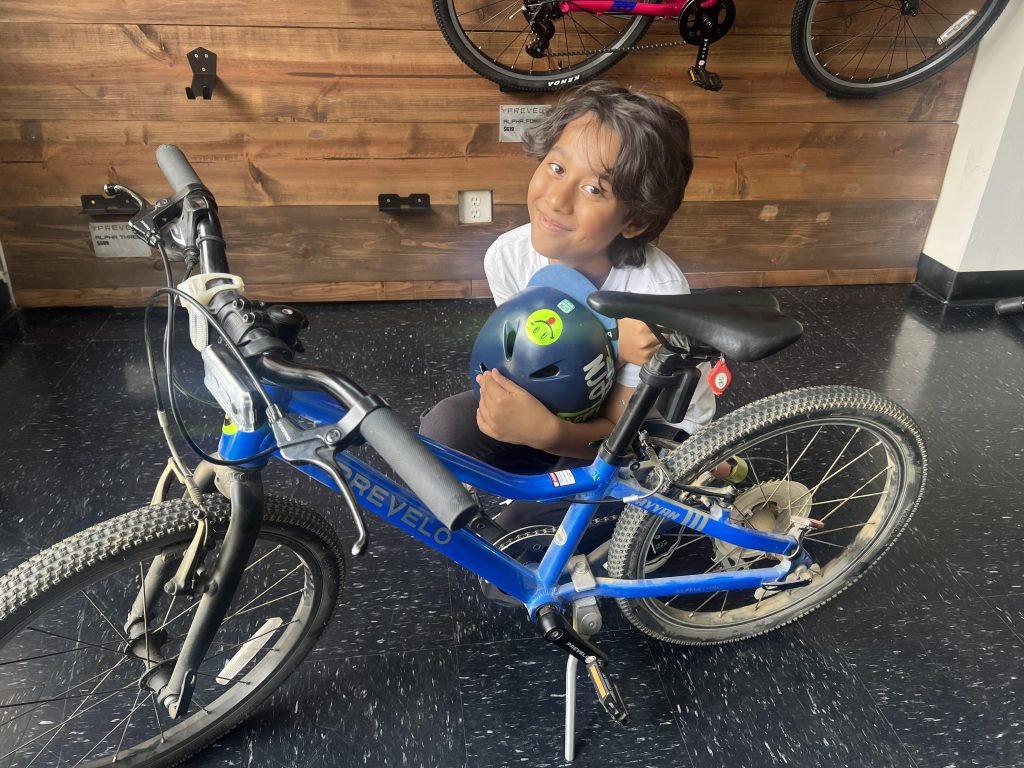
Choosing the right bike for your child can be tricky. With so many options and reviews online, you might feel overwhelmed and unsure which ones to trust.
But don’t worry—you’re about to learn how to read kids’ bike reviews like a pro. This will help you find the perfect, safe, and fun bike for your little rider. Keep reading, and by the end, you’ll feel confident making the best choice for your child’s next adventure.
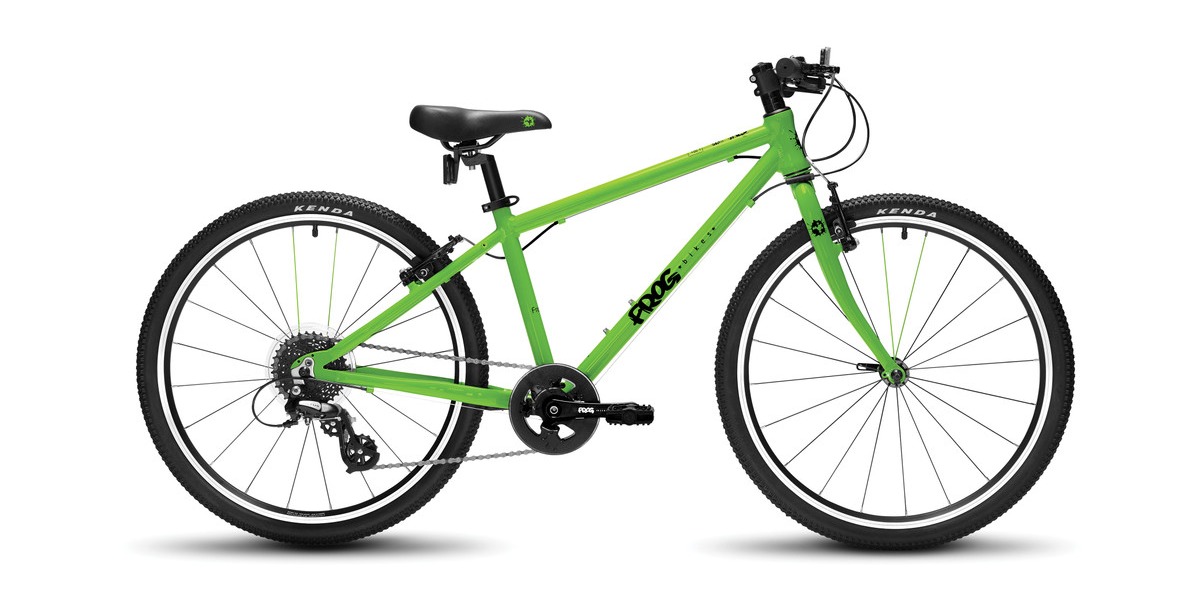
Credit: www.cyclesprog.co.uk
Choosing The Right Bike For Kids
Choosing a bike for a child is not just about the color or style. The right bike helps children learn balance and enjoy riding safely. Parents should consider several factors before making a choice.
Reading reviews carefully can guide you to a good bike. This guide explains key points to focus on when selecting kids’ bikes.
Age And Size Considerations
Children grow fast, so the bike must fit their age and size. A bike that is too big or small can be hard to control and unsafe. Measure your child’s height and inseam to pick the right frame size.
- Check the bike’s recommended age range in reviews.
- Look for adjustable seats and handlebars.
- Test if your child can touch the ground with their feet.
- Choose a bike weight that your child can handle easily.
Types Of Kids’ Bikes
Kids’ bikes come in different types. Each type suits different riding styles and skill levels. Knowing these helps you find the right bike for your child.
| Bike Type | Best For | Features |
|---|---|---|
| Balance Bikes | Ages 2-5 | No pedals, helps learn balance |
| Training Wheel Bikes | Ages 3-6 | Pedals with extra wheels for support |
| Mountain Bikes | Ages 7+ | Sturdy frame, good for rough terrain |
| Road Bikes | Ages 7+ | Lightweight, designed for speed |
Safety Features To Look For
Safety is the top priority when choosing a kids’ bike. Look for features that protect your child and make riding safe and comfortable.
- Strong, easy-to-use brakes
- Chain guard to prevent clothes from catching
- Reflectors or lights for visibility
- Helmet compatibility and proper fit
- Non-slip grips on handlebars

Credit: www.pellobikes.com
Decoding Bike Reviews
Reading reviews about kids’ bikes can help you choose the best one. Reviews show real experiences from other buyers.
It is important to know which reviews to trust. This guide will help you spot honest feedback and avoid fake opinions.
Identifying Reliable Sources
Reliable sources provide honest and detailed information. Look for websites or stores known for fair reviews.
- Check if the site is well-known and trusted.
- Look for reviews from verified buyers only.
- See if the site updates reviews regularly.
- Avoid sources that only show positive feedback.
Spotting Genuine User Feedback
Genuine feedback often includes both good and bad points. It explains why the bike worked or did not work well.
| Signs of Genuine Feedback | What to Watch For |
| Detailed description | Users explain features and problems clearly. |
| Balanced opinion | Includes positives and negatives about the bike. |
| Personal experience | Mentions child’s age and how the bike fits. |
| Photos or videos | Shows the actual bike in use by kids. |
Recognizing Biased Or Fake Reviews
Biased or fake reviews often sound too good or too bad without facts. They may use extreme words or repeat the same phrases.
- Look for reviews that only praise without any flaw.
- Avoid reviews that use very generic or vague statements.
- Check if multiple reviews have the same wording.
- Be cautious if the reviewer has no profile or history.
Key Factors In Reviews To Focus On
Reading reviews helps you find the best kids’ bike. Focus on important factors to make a smart choice.
Look closely at how the bike lasts, fits, and how easy it is to use. Also, check if it is simple to put together and keep in good shape.
Durability And Build Quality
Durability means the bike can handle rough use. Look for strong frames and good materials. A well-built bike lasts longer and stays safe for kids.
Ease Of Use And Comfort
Comfort is key for young riders. Check if the seat and handlebars adjust easily. The bike should be light enough for kids to control without trouble.
| Feature | What to Look For |
| Seat | Soft and adjustable height |
| Handlebars | Easy grip and adjustable |
| Weight | Light enough for the child’s age |
| Tires | Good traction for different surfaces |
Assembly And Maintenance
Check if the bike is easy to assemble with clear instructions. Regular maintenance should also be simple. This keeps the bike safe and working well.
- Look for bikes with fewer tools needed
- Check if parts are easy to clean
- Find out how often the bike needs checks or repairs
Value For Money
Value means getting a good bike for the price. Compare features and quality. A cheap bike might need more repairs, costing more in the long run.
| Price Range | What to Expect |
| Low | Basic features, may wear out faster |
| Medium | Good build and comfort for most kids |
| High | Durable, adjustable, and better materials |
Common Red Flags In Reviews
Reading reviews helps you find the best kids’ bike. Some reviews show warning signs. Watch for problems that appear often.
Red flags in reviews can tell you if a bike has issues. Look carefully at what many buyers say.
Frequent Complaints About Safety
Safety is the top concern for kids’ bikes. Many reviews mention safety problems. These are serious warnings.
Common safety complaints include loose parts or brakes that do not work well. These can cause accidents.
- Brakes that fail or feel weak
- Sharp edges or poorly finished parts
- Loose bolts or fasteners that come off
- Unstable design causing tipping over
Issues With Customer Service
Good customer service helps fix problems fast. Many bad reviews mention slow or no help from support.
Look for reviews that say the company does not answer questions or delays sending replacement parts.
- No response to emails or calls
- Long wait times for help or refunds
- Unhelpful or rude customer service staff
- Problems not solved after repeated contact
Recurring Quality Problems
Many buyers report the same quality issues. This means the bike may not last long or work well.
Check for repeated mentions of broken parts or poor materials. These show weak quality control.
- Frames bending or cracking easily
- Tires wearing out too fast
- Chains slipping or breaking often
- Paint peeling or rust forming quickly
Balancing Expert And User Opinions
Choosing the right bike for kids can be tricky. Reviews help, but they come from different views. Experts focus on safety and design.
Parents and kids talk about comfort and fun. Balancing these views helps make a better choice.
What Experts Emphasize
Experts look at important features that keep kids safe and help them learn. They check the bike’s size, brakes, and build quality.
- Proper frame size for age and height
- Reliable braking systems
- Lightweight materials for easy handling
- Durable tires for different terrains
- Adjustable seats and handlebars
What Parents And Kids Share
Parents and kids often focus on how the bike feels during rides. Comfort, ease of use, and style matter a lot to them.
| Aspect | Parents’ View | Kids’ View |
| Comfort | Easy to ride long | Soft seat and grips |
| Fun | Safe but exciting | Bright colors and cool design |
| Ease of Use | Simple brakes and gears | Light to push and steer |
| Durability | Lasts through rough play | Stays good after falls |
Finding A Middle Ground
Look for bikes that match expert safety tips and make kids happy. Balance size and comfort with fun styles.
- Check expert reviews for safety details
- Read parent and kid comments on comfort
- Test the bike in store if possible
- Choose adjustable features for growth
- Pick colors and styles kids like
Tips For Making The Final Decision
Choosing the right bike for your child means looking at many details. Reviews can help you learn what other buyers think. Use these tips to make a good choice.
Focus on practical steps like test riding, comparing reviews, and setting a budget. These will guide you to the best bike for your kid.
Test Riding When Possible
Trying the bike before buying is very helpful. Kids can see if the bike fits them well. Look for comfort, size, and ease of use. Test riding shows if the brakes and gears work smoothly.
Comparing Multiple Reviews
Read many reviews from different sources. Look for points that repeat often. This shows common strengths or problems. Check what parents say about safety and durability.
- Note positive comments on bike quality
- Watch for frequent complaints about parts
- See if the bike suits different ages
- Look for reviews mentioning customer service
Setting A Budget And Priorities
Decide how much to spend on the bike. Think about the most important features for your child. Balance price with safety, size, and style.
| Budget Range | Key Features to Consider |
| Under $100 | Basic design, suitable for beginners |
| $100 – $200 | Better materials, adjustable parts |
| Above $200 | High quality, durable, extra safety features |
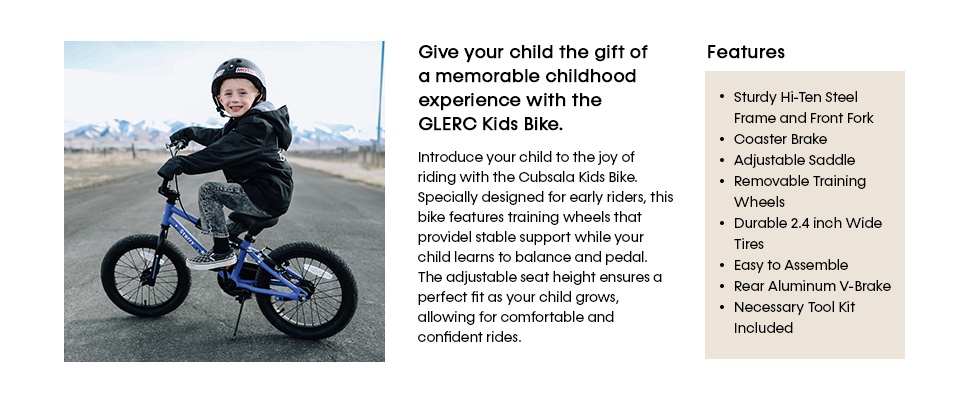
Credit: www.walmart.com
Frequently Asked Questions
How Do I Judge The Safety Of Kids’ Bike Reviews?
Check if reviews mention sturdy frames, reliable brakes, and proper size. Safety-focused feedback highlights secure and child-friendly features. Look for any mentions of recalls or safety issues reported by users. Verified buyers’ comments are usually trustworthy for safety insights.
What Features Should I Focus On In Kids’ Bike Reviews?
Prioritize reviews discussing bike size, weight, brake quality, and ease of use. Features like adjustable seats and durable tires are important. Also, check for comfort and balance feedback to ensure the bike suits your child’s needs.
How Can I Spot Fake Reviews On Kids’ Bikes?
Look for overly positive language or repeated phrases across multiple reviews. Genuine reviews usually include both pros and cons. Verify reviewer profiles and check for detailed, specific experiences to avoid fake or biased opinions.
Why Are User Photos In Reviews Important For Kids’ Bikes?
User photos show real-life bike condition and size relative to the child. They help verify product quality and give insight into actual usage. Photos often reveal details that text reviews might miss, enhancing trust in the feedback.
Conclusion
Reading reviews for kids’ bikes helps make informed decisions. Reviews offer insights from real buyers. They highlight pros and cons, aiding your choice. Always check multiple sources for balanced views. Focus on safety and comfort features mentioned. Consider age-appropriate options for your child.
Reviews can save time and money. They guide you towards the best bike. Ensure the bike suits your child’s needs and preferences. Happy biking starts with a wise choice. Trust reviews to steer you right. Your child’s joy is worth the effort.
Read, compare, decide smartly.



