
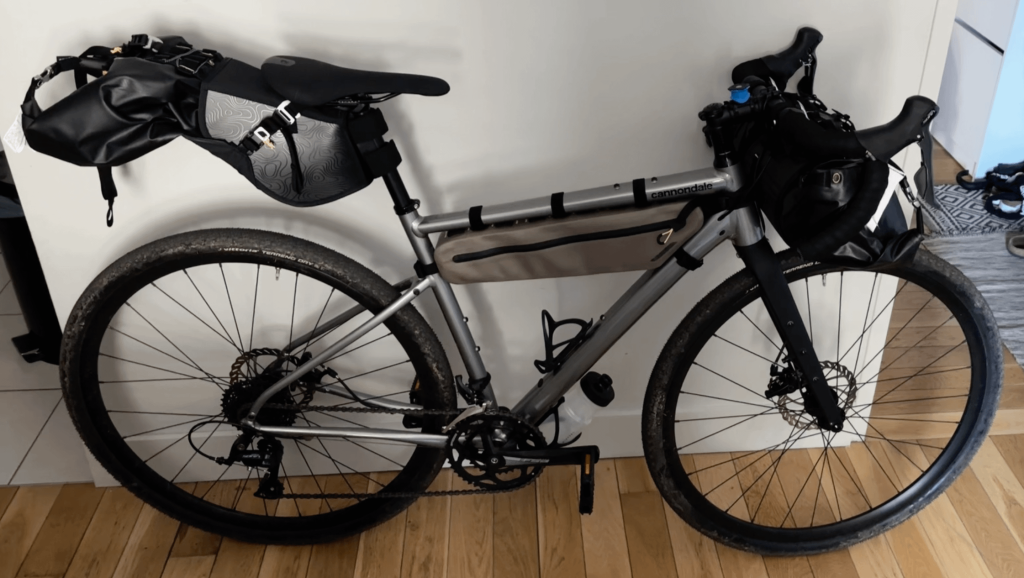
Rain can turn your exciting bikepacking trip into a soggy, uncomfortable mess if your gear isn’t properly protected. You’ve invested time and money into your equipment, and the last thing you want is for it to get soaked or damaged.
Imagine reaching your campsite only to find your sleeping bag drenched or your clothes soaked through. That feeling is frustrating—and avoidable. You’ll discover simple, effective ways to keep your bikepacking gear dry no matter how hard it rains. Keep reading to make sure your next adventure stays comfortable and worry-free.

Credit: alpkit.com
Choosing Waterproof Gear
Protecting your bikepacking gear from rain is key to a good trip. Choosing the right waterproof gear helps keep your items dry and safe. This guide covers important choices for rain protection.
Focus on materials, bags, and clothing to stay dry. Each part plays a role in guarding your gear against wet weather.
Selecting Water-resistant Materials
Water-resistant materials stop water but still let air pass. Look for fabrics with coatings like polyurethane or silicone. These keep rain out without making your gear heavy.
- Nylon with a Durable Water Repellent (DWR) finish
- Polyester treated with water-resistant coatings
- Ripstop fabrics for strength and water resistance
- Sealed seams to prevent water entry
Benefits Of Waterproof Bags
Waterproof bags provide full protection against rain and splashes. They keep your essentials dry, even in heavy downpours. These bags often use special materials and sealed zippers.
| Bag Type | Waterproof Level | Key Feature |
|---|---|---|
| Dry Bags | High | Roll-top closure seals out water |
| Waterproof Panniers | High | Sealed seams and waterproof fabric |
| Water-Resistant Backpacks | Medium | DWR coating and water-resistant zippers |
Waterproof Clothing Essentials
Wear waterproof clothing to stay dry on the road. Your jacket, pants, and gloves should block rain and let sweat escape. Breathable fabrics improve comfort during rides.
- Rain jacket with taped seams
- Waterproof pants that fit over bike shorts
- Waterproof gloves for grip and warmth
- Water-resistant shoe covers
- Breathable fabrics to reduce sweating
Packing Techniques For Rain
Keeping your bikepacking gear dry is key for a safe trip. Rain can soak your bags and damage your items. Good packing methods help protect your gear from water.
Use smart tools and layers to keep moisture out. Planning how to pack can save time and stress on wet rides.
Using Dry Bags Effectively
Dry bags are great for protecting gear from rain. Choose bags with strong seals and tough material. Keep important items like clothes and electronics inside these bags.
- Fill dry bags completely to avoid air pockets
- Roll the bag top tightly before sealing
- Check seals for damage before each trip
- Use different dry bags for wet and dry gear
- Label bags for easy access while riding
Layering Your Gear
Layer your gear inside your pack to add protection. Place items in order from least to most likely to get wet. Use clothes and soft items as padding around electronics or paper.
| Layer | Type of Gear | Purpose |
| Outer | Rain jacket, poncho | Protect from external water |
| Middle | Dry bags with clothes | Keep items dry and cushioned |
| Inner | Electronics, food | Extra protection inside dry bags |
Sealing And Wrapping Tips
Seal and wrap gear properly for better water resistance. Use plastic wrap or trash bags to add extra layers of protection. Tight wrapping stops water from seeping in.
- Wrap fragile items in plastic before placing in dry bags
- Use zip ties or rubber bands to close open ends
- Cover bike frame bags with waterproof covers
- Double bag items that are very sensitive to water
- Check all seals and wraps after packing
Protecting Electronics And Valuables
Keeping your electronics and valuables safe from rain is important during bikepacking trips. Water can damage devices and ruin your gear.
Using the right protection helps keep your items dry and working. Let’s look at ways to protect your gear from rain.
Waterproof Cases And Pouches
Waterproof cases are made to keep water out. They come in different sizes for phones, cameras, and other electronics.
Pouches are soft and flexible. They seal tightly to protect small valuables like wallets and keys.
- Look for cases with strong seals or zippers
- Use clear cases to see screens without opening
- Choose pouches with durable, waterproof material
- Check that cases fit your devices well
Diy Protection Hacks
You can use everyday items to protect gear from rain. Plastic bags and tape can make a quick waterproof cover.
Wrapping valuables in multiple layers helps keep water out. Using rubber bands or clips can secure the cover tightly.
- Use ziplock bags for small electronics
- Wrap devices in plastic wrap before placing in bags
- Seal edges with waterproof tape for extra protection
- Place absorbent cloth inside bags to catch moisture
Storing Items Strategically
How you pack your gear can protect it from rain. Place valuables in the driest spots on your bike or bag.
Keep electronics away from wheel spray and low areas where water collects. Use compartments that have extra lining.
- Store valuables in top or inside pockets
- Use frame bags with waterproof liners
- Keep electronics off the bottom of panniers
- Cover your bag with a rain cover during wet weather
Bike Setup For Wet Conditions
Riding in the rain needs special care. Protecting your bikepacking gear keeps it dry and safe.
A good setup helps you ride longer and keeps your gear ready for the next trip.
Fitting Rain Covers On Bags
Rain covers stop water from soaking your bags. Choose covers that fit tightly around your bags.
Secure the cover with straps or cords. Check the cover often to avoid water leaks.
- Use waterproof rain covers made for bike bags.
- Pull covers tight to avoid gaps.
- Fasten straps or cords firmly.
- Check for holes or tears before each ride.
Securing Loose Items
Loose items can get wet or lost in rain. Pack them inside waterproof bags or dry sacks.
Tie down loose gear with bungee cords or straps. Keep small items inside zippered pockets.
- Use dry bags for electronics and clothes.
- Secure loose items tightly on the bike.
- Double-check straps before starting your ride.
- Store small items in sealed compartments.
Maintaining Bike Components
Wet rides can harm your bike parts. Clean and dry your bike after riding in rain.
Lubricate the chain and moving parts to prevent rust. Check brakes and tires often for safety.
- Rinse mud and dirt off the bike gently.
- Dry the bike with a clean cloth after rides.
- Apply lubricant to the chain regularly.
- Inspect brakes for water damage or wear.
- Check tire pressure and tread before each ride.
Managing Wet Gear On The Trail
Rain can soak your bikepacking gear and make your trip harder. Managing wet gear is key to staying comfortable and safe. You need to dry, protect, and repair your equipment during your ride.
This guide covers simple ways to handle wet gear. Learn how to dry it during stops, stop mold and odors, and fix waterproof items.
Drying Techniques During Stops
Drying your gear during breaks helps prevent dampness from building up. Use natural air and sunlight whenever possible. Hang clothes and bags on branches or bike racks.
- Remove wet items from bags to dry faster.
- Wring out water before hanging gear.
- Use a clean cloth to absorb moisture inside bags.
- Open zippers and pockets for better airflow.
- Rotate items so all sides get exposed to air.
Preventing Mold And Odors
Mold grows fast on wet gear in warm conditions. It causes bad smells and damages fabric. Keep gear dry and clean to avoid mold and odors.
| Tip | Action |
| Ventilation | Keep bags open when possible |
| Cleaning | Wipe gear with mild soap and water |
| Storage | Avoid storing damp gear in sealed bags |
| Drying | Dry items fully before packing |
Repairing Waterproof Gear
Waterproof gear can tear or lose its seal on the trail. Quick repairs help keep water out. Carry a small repair kit for emergencies.
Basic Repair Kit Items:
- Waterproof tape or patches
- Seam sealer
- Needle and strong thread
- Silicone spray or waterproofing spray

Credit: www.reddit.com
Additional Rain Protection Tips
Rain can soak your bikepacking gear and make your trip uncomfortable. Protecting your equipment keeps it dry and lasts longer.
Use extra rain protection methods to avoid damage and stay comfortable on the road.
Choosing The Right Rain Jacket
A good rain jacket keeps you dry and lets sweat escape. Look for lightweight and waterproof jackets with vents.
Jackets with adjustable hoods and cuffs help stop water from getting inside. Pick one that fits well for better comfort.
- Waterproof material like Gore-Tex or similar
- Breathable fabric to reduce sweat buildup
- Adjustable hood to cover your head properly
- Sealed seams to prevent leaks
- Lightweight and easy to pack
Using Ponchos And Tarps
Ponchos and tarps add extra protection from rain. Ponchos cover you and your backpack at the same time.
Tarps can cover your gear while you rest or camp. They create a dry shelter and keep your bike safe from rain.
- Ponchos are quick to put on and remove
- Tarps can be tied between trees for shelter
- Use waterproof material for both ponchos and tarps
- Bring lightweight versions to save space
- Practice setting up tarps before your trip
Planning Routes Around Weather
Check weather forecasts before your trip. Avoid long rides during heavy rain or storms.
Plan your route to find shelter spots or places to wait out bad weather. This keeps you safe and dry.
- Use weather apps to track rain predictions
- Choose routes with covered rest areas
- Plan shorter distances on rainy days
- Be flexible to change plans if needed
- Inform someone about your route and timing

Credit: eu.alpkit.com
Frequently Asked Questions
How Can I Waterproof My Bikepacking Bags Effectively?
Use waterproof bags or liners to keep gear dry. Seal all openings tightly. Consider packing items in dry bags inside your main bags for extra protection.
What Gear Is Essential For Rain Protection While Bikepacking?
Essential gear includes waterproof bags, rain covers, quick-dry clothing, and a reliable rain jacket. Also, pack moisture-wicking liners to keep gear and yourself dry.
How Do I Prevent Water Damage To Electronics On Bike Trips?
Store electronics in waterproof cases or dry bags. Keep them sealed at all times. Avoid exposing devices directly to rain or damp environments.
Can I Use Household Items To Protect Bikepacking Gear From Rain?
Yes, heavy-duty plastic bags or garbage bags can act as temporary waterproof liners. However, they are less durable than specialized rain gear and may tear easily.
Conclusion
Keeping your bikepacking gear dry is essential. Rain can surprise you anytime. Use waterproof bags for protection. Pack smartly to avoid water damage. Regularly check your gear for leaks. Choose campsites wisely to stay dry. Remember, preparation is key. A little effort goes a long way.
Enjoy your adventure, rain or shine. Stay safe on your journey. Happy bikepacking!



