
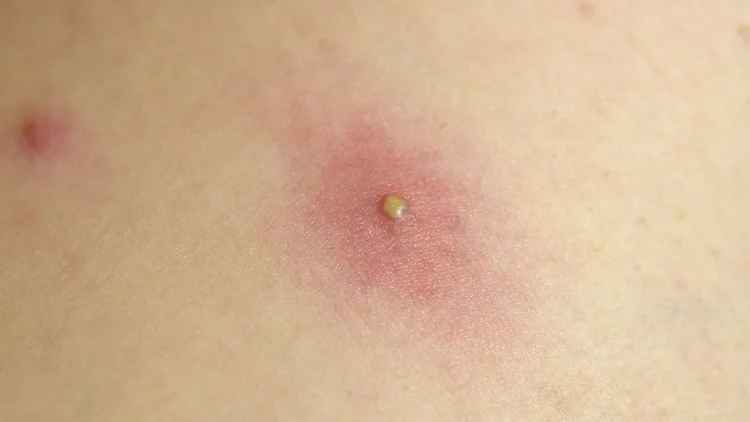
If you love long bike rides, you know how painful saddle sores can ruin your trip. These pesky wounds don’t just cause discomfort—they can stop you from enjoying the ride altogether.
But what if you could prevent them before they even start? You’ll discover simple, effective ways to protect your skin and keep your rides smooth and pain-free. Keep reading, and learn how to say goodbye to saddle sores for good.

Credit: www.bicycling.com
Causes Of Saddle Sores
Friction and pressure pointshappen when the bike seat rubs the skin too much. This can cause redness and pain. The skin gets sore from constant rubbing during long rides.
Moisture and heatbuild up from sweat and tight clothes. Wet skin is more likely to get sore and irritated. Heat makes the skin soft and weak, which causes discomfort.
Poor saddle fitmeans the seat does not match your body shape or size. This puts extra pressure on certain areas. Wrong fit leads to uneven weight and pain spots.
Inadequate clothinglike rough or loose shorts can cause chafing. Thin padding or no padding makes the skin press directly on the saddle. This increases the chance of sores.
Choosing The Right Saddle
Choosing the right saddleis key to avoiding saddle sores on long trips. Different types of saddles suit various riding styles and body shapes.
Saddle Types For Touring
- Touring saddlesoffer more padding and wider support for comfort.
- Leather saddlescan mold to your shape over time, reducing pressure points.
- Gel saddlesprovide extra cushioning but may retain heat.
- Cut-out saddlesreduce pressure on soft tissue areas.
Proper Saddle Fit Techniques
A saddle must fit your sit bonesproperly. Check if your bones rest fully on the saddle.
Use a foam pad or pressure map to find pressure points. Avoid hard edges pressing into your skin.
Adjusting Saddle Position
- Set saddle heightso your leg is slightly bent at the bottom pedal.
- Move saddle fore and aftto balance pressure evenly.
- Keep saddle levelto avoid sliding forward or backward.
Optimal Clothing Choices
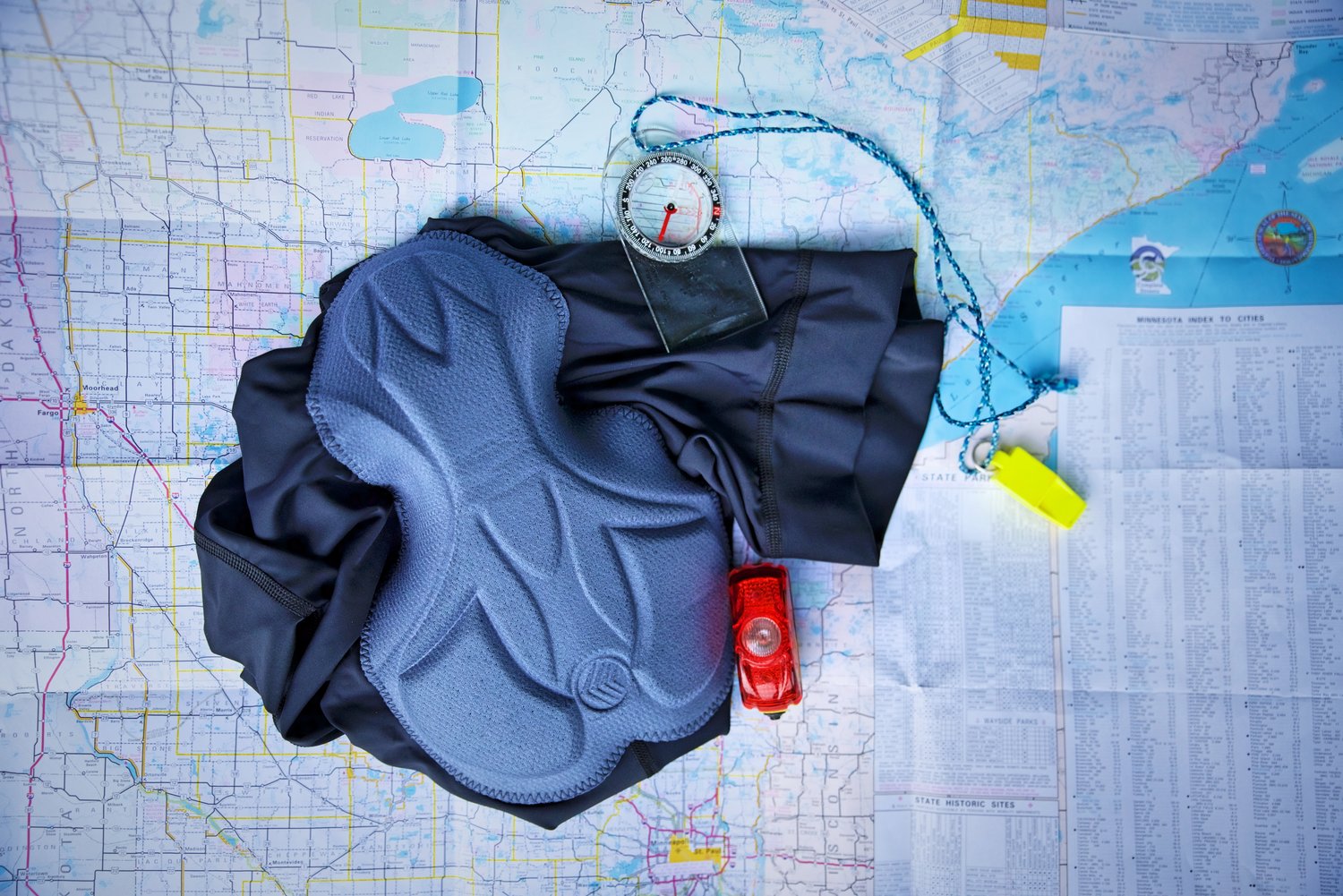
Padded shortsreduce pressure and friction on the skin. They add a soft layer between the saddle and your body. This helps stop pain and skin damageduring long rides. Choose shorts with thick padding for extra comfort on long trips.
Clothing made from breathable fabricslike polyester or nylon helps keep you dry. These fabrics let sweat evaporate quickly. Staying dry reduces the chance of rashes and sores. Avoid cotton as it holds moisture and can cause chafing.
Wearing clean clothingis very important. Dirt and sweat can cause infections and worsen sores. Change your shorts daily if possible. Wash them properly using mild soap to keep the fabric soft and clean.
Riding Techniques To Reduce Sores
Changing your riding positionoften helps reduce pressure on the skin. Shift your weight slightly to avoid constant rubbing in one spot. This simple change can lessen the chance of saddle sores.
Taking breaks is very important. Stop every hour or so to let your skin rest. Walk around or stretch to improve blood flow. This keeps the skin healthy and less likely to get sore.
Using the right pedaling formalso protects your skin. Keep your feet steady and avoid bouncing in the saddle. Smooth pedaling reduces friction and pressure, which helps prevent sores.
Hygiene And Skin Care
Keep your skin clean and dry during touring trips. Use mild soap and warm water to wash the affected areas. Gently pat dry with a soft towel to avoid irritation. Change into clean, dry clothes as soon as possible to reduce moisture buildup.
Apply anti-chafing creamsor balms on areas prone to rubbing. These products create a smooth layer that reduces friction between skin and clothing. Choose products that are gentle and safe for sensitive skin.
Watch for early signs like redness, itching, or small bumps. Treat these symptoms quickly to stop sores from getting worse. Use soothing creams and keep the area clean. Rest from cycling if the discomfort increases.
Credit: www.cyclingnews.com
Additional Comfort Tips
Chamois cream helps keep skin smooth and less irritated. Apply it before wearing your cycling shorts. It reduces friction between your skin and the fabric. Choose a cream that feels comfortable. Always test a small amount first. Reapply during long rides if needed.
A good bike fit keeps you comfortable. Check your saddle height and position. Handlebars should be easy to reach. Adjust them if you feel strained. Your feet should touch the ground lightly. This helps avoid pain and improves your balance.
Take breaks often to rest your body. Stretch your legs during these breaks. Drink water to stay hydrated. Eat snacks to keep your energy up. Listen to your body. Stop if you feel tired or sore. Plan your route in sections. This makes the trip feel easier.
Credit: www.thevanimals.com
Frequently Asked Questions
What Causes Saddle Sores During Touring Trips?
Saddle sores result from friction, pressure, and moisture on the skin. Long rides and improper bike fit increase risk. Wearing padded shorts and using proper chamois cream help reduce irritation and prevent sores.
How Can I Prevent Saddle Sores Effectively?
To prevent saddle sores, maintain good hygiene and wear moisture-wicking cycling shorts. Adjust your bike fit for comfort and take breaks to relieve pressure. Applying anti-chafing cream before rides also reduces friction and skin irritation.
What Type Of Saddle Is Best For Long Rides?
Choose a saddle that suits your anatomy and riding style. Look for padded, ergonomic designs with cutouts to reduce pressure. Test different saddles to find one that distributes weight evenly and minimizes friction during long rides.
How Often Should I Take Breaks To Avoid Saddle Sores?
Taking breaks every 1 to 2 hours helps relieve pressure and improve blood flow. During stops, stand up and stretch to reduce friction and allow skin recovery. Frequent short breaks are better than fewer long ones.
Conclusion
Preventing saddle sores makes your ride much more comfortable. Wear padded shorts and keep your saddle clean. Take breaks often to relieve pressure and air out the skin. Use chamois cream to reduce friction and avoid moisture buildup. Adjust your bike seat to fit your body well.
These small steps keep your skin healthy on long trips. Enjoy your journey without pain or discomfort. Stay aware of your body’s signals and act quickly. Happy riding!



