
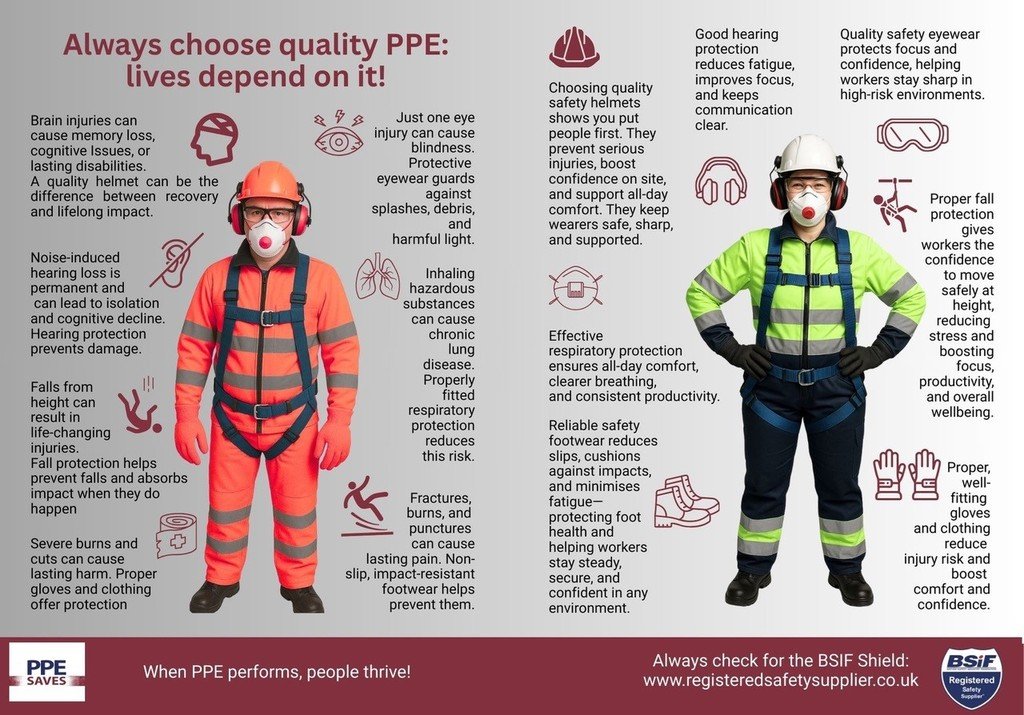
Injuries can happen in a split second, changing your life in ways you never imagined. But here’s the good news: you have the power to protect yourself.
Using the right safety gear isn’t just a suggestion—it’s a game changer. Imagine feeling confident and secure every time you step out, knowing you’ve done everything to keep harm at bay. You’ll discover simple, effective ways to prevent injuries by choosing and using safety gear the right way.
Keep reading, because your safety is worth it.
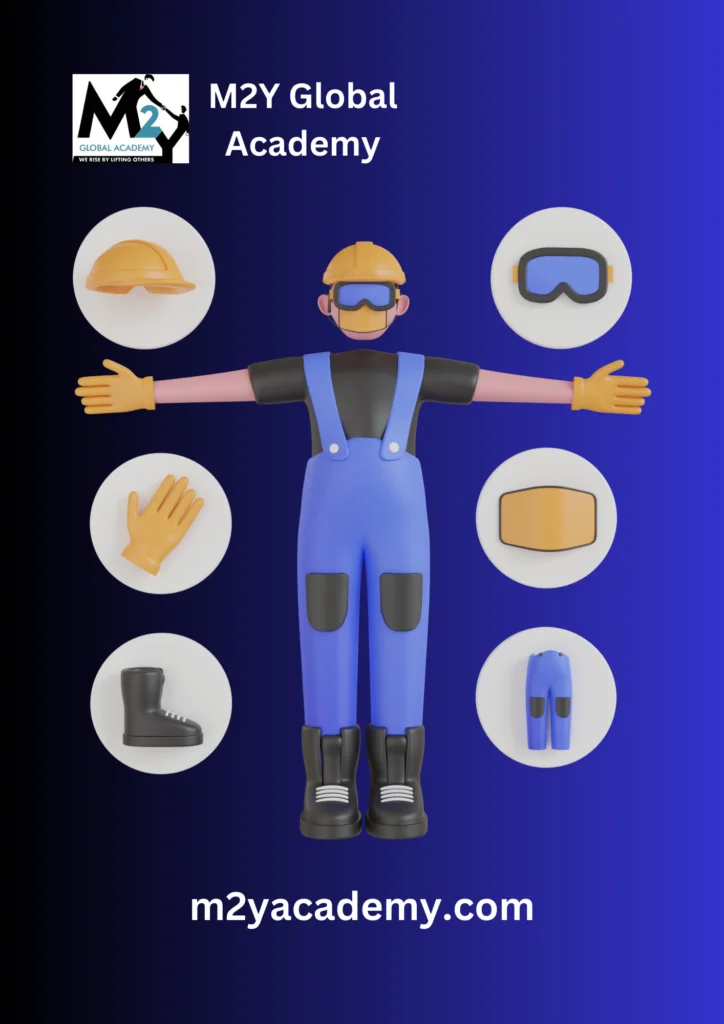
Credit: m2yacademy.com
Types Of Safety Gear
Safety gear helps protect workers from injuries. It reduces risks in many work environments. Wearing the right gear is key to staying safe.
This guide explains common types of safety gear. Each type protects a different part of the body. Knowing their use helps you choose the right gear.
Head Protection
Head protection includes helmets and hard hats. These protect against falling objects and bumps. Use head protection on construction sites and factories.
Eye And Face Shields
Eye and face shields guard against dust, chemicals, and flying debris. They help prevent eye injuries and burns. Use goggles or full-face shields depending on the hazard.
Hand And Arm Guards
Hand and arm guards protect against cuts, burns, and chemicals. Gloves and sleeves are common types. Choose the right material for the job task.
- Leather gloves for heat and sparks
- Rubber gloves for chemicals and liquids
- Cut-resistant gloves for sharp objects
- Arm sleeves for extra coverage
Footwear And Leg Protection
Footwear and leg gear protect against heavy objects and sharp items. Steel-toed boots prevent foot injuries. Leg guards shield against cuts and impacts.
| Type | Protection | Common Use |
| Steel-toed boots | Crush injuries | Construction, factories |
| Metatarsal guards | Top foot impact | Mining, heavy industry |
| Leg guards | Cuts and scrapes | Landscaping, welding |
Hearing Protection
Hearing protection reduces noise exposure. Earplugs and earmuffs are common types. Use them in loud environments to prevent hearing loss.

Credit: divergentalliance.com
Choosing The Right Gear
Using the right safety gear is key to preventing injuries. Picking the correct gear needs careful thought. It helps protect you in many situations.
Learn how to choose safety gear by checking risks and fit. Quality and safety standards also matter for better protection.
Assessing The Risk
First, look at the hazards you might face. Different tasks need different protection. Think about the type and level of danger.
- Identify the main risks in your work or activity.
- Decide what body parts need protection.
- Choose gear that matches the risk level.
Material And Quality Matters
Good materials last longer and protect better. Look for durable fabrics and strong parts. Poor quality gear can fail when you need it most.
| Material | Best Use | Key Feature |
| Leather | Hand and foot protection | Durable and heat resistant |
| Polycarbonate | Eye and face protection | Strong and impact resistant |
| High-density foam | Head protection | Shock absorption |
Proper Fit And Comfort
Gear should fit well and feel comfortable. Tight or loose gear can cause accidents. Try the gear before buying to check fit.
- Measure yourself to find the right size.
- Wear gear for a short time to test comfort.
- Adjust straps and fasteners for a secure fit.
- Choose breathable materials to stay cool.
Certification And Standards
Look for safety marks from trusted organizations. Certified gear meets strict rules. This gives you confidence it will protect well.
Common certification labels include:
- ANSI (American National Standards Institute)
- CE (Conformité Européenne)
- OSHA (Occupational Safety and Health Administration)
- EN (European Norms)
Correct Usage Practices
Using safety gear correctly helps prevent many injuries. Knowing how to wear and care for your equipment keeps you safe.
Proper use of safety gear means following rules for wearing, checking, and replacing it on time.
How To Wear Safety Gear Properly
Put on safety gear as the manufacturer instructs. Make sure it fits well and covers the needed areas completely.
- Wear helmets snugly with straps fastened.
- Use gloves that fit your hands without slipping.
- Choose boots that protect your feet and have good grip.
- Wear eye protection that fully covers your eyes.
- Adjust harnesses and belts for comfort and security.
Maintaining And Inspecting Equipment
Check your safety gear often for signs of wear or damage. Clean it after use to keep it in good shape.
| Item | Inspection Frequency | What to Check |
| Helmet | Before each use | Cracks, dents, strap condition |
| Gloves | Weekly | Holes, tears, fit |
| Boots | Monthly | Soles, laces, water resistance |
| Eye Protection | Before each use | Scratches, cracks, clarity |
| Harness | Monthly | Stitching, buckles, wear spots |
Replacing Damaged Gear
Replace any safety gear that is damaged or worn out. Do not try to fix broken parts yourself.
- Stop using gear with cracks or tears.
- Get new equipment from trusted sources.
- Follow disposal rules for old gear.
- Keep spare gear ready for emergencies.
Safety Gear For Specific Activities
Using the right safety gear reduces the chance of injury. Different activities need different equipment to stay safe.
This guide covers safety gear for common activities like construction, sports, home projects, and lab work.
Construction And Industrial Work
Workers face many hazards on construction sites. Proper gear protects against falls, debris, and loud noises.
- Hard hats protect the head from falling objects.
- Steel-toed boots shield feet from heavy tools and materials.
- High-visibility vests make workers easy to see.
- Safety goggles protect eyes from dust and sparks.
- Earplugs or earmuffs reduce harmful noise levels.
Sports And Outdoor Activities
Sports can cause injuries from falls or impacts. Wearing the right gear helps players stay safe and enjoy their activities.
| Activity | Recommended Safety Gear |
| Cycling | Helmet, gloves, knee and elbow pads |
| Running | Proper shoes, reflective clothing |
| Climbing | Harness, helmet, climbing shoes |
| Team Sports | Mouthguard, shin guards, helmets |
Home Improvement And Diy
Doing projects at home can cause cuts, burns, or eye injuries. Safety gear prevents accidents during these tasks.
- Safety glasses to protect eyes from dust and debris.
- Work gloves to prevent cuts and splinters.
- Dust masks to avoid breathing harmful particles.
- Ear protection when using loud power tools.
Laboratory And Chemical Handling
Working with chemicals needs careful protection. Proper gear stops spills and fumes from harming you.
- Lab coats shield skin and clothes from spills.
- Gloves protect hands from chemicals.
- Safety goggles prevent eye contact with hazardous substances.
- Face shields offer extra face protection during risky procedures.
- Proper ventilation reduces inhaling dangerous fumes.
Common Mistakes To Avoid
Using safety gear helps prevent injuries in many activities. People make mistakes that reduce its protection.
Knowing what to avoid keeps safety gear effective and protects you better.
Neglecting Safety Gear
Some people skip wearing safety gear because it feels uncomfortable or takes time. This puts them at risk.
Always wear the right gear for the task. It lowers the chance of serious injuries.
Using Incorrect Equipment
Using the wrong safety gear can be as dangerous as no gear. It may not protect the body properly.
Choose equipment that fits well and suits the specific work or sport you do.
- Helmets designed for biking should not be used for construction
- Gloves must fit your hands to allow good movement
- Eye protection should block the right type of hazards
Ignoring Maintenance
Safety gear breaks down over time. Ignoring repairs or cleaning lowers its safety level.
Check gear often. Replace worn or damaged parts to keep protection strong.
- Clean helmets and pads regularly
- Inspect straps and buckles for wear
- Store gear in dry, safe places

Credit: maltadynamics.com
Benefits Beyond Injury Prevention
Safety gear helps protect workers from injuries on the job. It also offers benefits that go beyond just preventing harm.
Using safety gear can improve confidence, work quality, and the overall safety culture at work.
Boosting Confidence And Performance
Wearing safety gear makes workers feel more secure. This confidence helps them focus better on tasks.
When workers trust their gear, they perform tasks faster and with more care. This reduces mistakes and accidents.
- Confidence lowers stress and distraction
- Better focus increases work quality
- Proper gear supports physical comfort
Promoting Workplace Safety Culture
Using safety gear shows a strong commitment to safety. This encourages others to follow safety rules too.
A good safety culture reduces risks and creates a healthier work environment for everyone.
- Leads to fewer workplace accidents
- Improves teamwork and responsibility
- Builds trust between workers and managers
Frequently Asked Questions
What Are Essential Safety Gear For Preventing Injuries?
Essential safety gear includes helmets, gloves, goggles, and steel-toed boots. These items protect against head, hand, eye, and foot injuries. Wearing the right gear reduces the risk of accidents. Always choose quality equipment that fits properly for maximum protection.
How Does A Helmet Prevent Head Injuries?
Helmets absorb impact and reduce the risk of head trauma. They protect from falls, flying objects, and collisions. Properly fitted helmets are crucial for effectiveness. Always ensure your helmet meets safety standards for optimal protection.
Why Are Gloves Important For Safety?
Gloves protect hands from cuts, burns, and chemical exposure. They enhance grip and reduce injury risks during tasks. Choose gloves suited to your specific activity for best results. Properly fitting gloves ensure comfort and maximum protection.
How Can Goggles Prevent Eye Injuries?
Goggles shield eyes from dust, debris, and chemical splashes. They provide a clear line of sight while ensuring safety. Ensure a snug fit to prevent particles from entering. Choose goggles with anti-fog features for better visibility.
Conclusion
Wearing safety gear protects your body from serious harm. It lowers the risk of injuries during work or play. Choose the right gear for your activity and use it every time. Keep your equipment clean and in good shape. Staying safe helps you enjoy activities longer and with confidence.
Small steps with safety gear make a big difference. Protect yourself, stay alert, and make safety a habit. Your body will thank you. Safety gear is simple but powerful. Use it well, and stay injury-free.



