

Planning a bikepacking tour? You want to enjoy the freedom of the open road without ending up hurt or sidelined.
Injuries can quickly turn an exciting adventure into a painful struggle. But what if you could prevent most of those injuries before they even start? This guide will show you simple, practical ways to keep your body safe and strong while you ride.
By following these tips, you’ll not only protect yourself but also make your bikepacking experience more fun and rewarding. Keep reading to discover how to stay injury-free and get the most out of every mile.
Gear Up Right
Bikepacking is fun but can be risky without the right gear. Safety starts with good equipment.
Proper gear helps prevent injuries and keeps you comfortable on long rides.
Choose The Right Helmet
A helmet protects your head in case of falls or crashes. Pick one that fits well and meets safety standards.
- Look for helmets with proper ventilation to stay cool.
- Make sure the helmet sits level on your head.
- Adjust straps so they are snug but not tight.
- Check for certifications like CPSC or ASTM.
Wear Protective Clothing
Clothing can reduce scrapes and bruises. Choose gear designed for bikepacking.
| Clothing Item | Purpose |
| Gloves | Protect hands from falls and improve grip |
| Long-sleeve jersey | Shield arms from sun and scratches |
| Padded shorts | Increase comfort and reduce chafing |
| Sturdy shoes | Support feet and protect from rough terrain |
Use Quality Bikepacking Gear
Good gear makes your ride safer and easier. Choose strong and reliable items.
Essential Gear Checklist
- Durable bike frame and tires
- Bright lights for visibility
- Waterproof bags to protect your belongings
- First aid kit for emergencies
- Repair tools like pump and spare tubes
Prepare Your Bike
Getting your bike ready is key to avoid injuries on bikepacking tours. A well-prepared bike helps you ride safely on rough roads and trails.
Check your bike before every trip. Fix problems early to prevent accidents and keep your ride smooth and stable.
Regular Maintenance Checks
Inspect your bike parts often. Make sure brakes, gears, and chains work well. Tighten loose bolts and clean dirt from moving parts.
- Test brakes for quick stopping power
- Check gear shifting for smooth changes
- Lubricate the chain to prevent rust
- Inspect wheels for loose spokes
- Tighten all bolts and screws
Proper Tire Selection And Inflation
Choose tires that match your route type. Wider tires work well on rough trails. Narrow tires suit smooth roads better.
| Tire Type | Surface | Recommended Pressure (psi) |
| Knobby | Mountain trails | 30-40 |
| Slick | Paved roads | 60-80 |
| Semi-slick | Mixed terrain | 40-60 |
Check tire pressure before each ride. Use a pump with a gauge to get the right inflation. Proper pressure prevents flats and improves control.
Secure Load And Balance
Pack your gear evenly on the bike. Keep heavy items low and centered to avoid tipping over. Use strong straps to hold bags tightly.
- Distribute weight equally on both sides
- Place heavy gear near the bike frame
- Check straps and fasteners before riding
- Keep frequently used items easy to reach
Plan Your Route Carefully
Planning your bikepacking route reduces the chance of injuries. A good plan helps you avoid dangers on the trail.
Focus on the terrain, rest spots, and safe paths. This will keep your trip smooth and safe.
Research Terrain And Weather
Check the type of ground you will ride on. Look for hills, rocks, mud, or smooth paths. Weather changes can make the trail harder or slippery.
- Look at maps and satellite images
- Read recent trail reports
- Check weather forecasts for your travel days
- Prepare for rain, wind, or heat
Identify Rest Stops And Emergency Points
Know where you can stop to rest or get help. Mark water sources, shelters, and emergency stations on your map.
| Location | Type | Distance from Start |
| Lakeview Shelter | Rest Stop | 12 miles |
| Mountain Ranger Station | Emergency Point | 20 miles |
| Creek Water Source | Rest Stop | 7 miles |
| Valley Clinic | Emergency Point | 25 miles |
Avoid Risky Trails
Stay clear of trails with steep drops, loose rocks, or unclear paths. These increase the risk of falls and injuries.
- Loose gravel or sand
- Narrow paths near cliffs
- Trails with fallen trees or debris
- Wet or muddy sections after rain

Credit: tomsbiketrip.com
Master Safe Riding Techniques
Bikepacking tours can be exciting but also challenging. Riding safely helps you avoid injuries and enjoy the trip.
Learning safe riding skills keeps you in control on rough trails and steep paths. It protects you and your bike.
Control Speed On Descents
Going downhill too fast can cause crashes. Keep your speed steady and slow enough to react to changes.
Look ahead to see turns and obstacles. Use your brakes gently to avoid skidding or losing control.
- Stay relaxed and balanced on the bike
- Shift your weight back to keep traction
- Use small brake presses, not full stops
- Choose a speed that lets you stop safely
Practice Proper Braking
Braking right helps you stop smoothly and avoid falls. Use both front and rear brakes for better control.
Apply brakes evenly and gradually. Sudden braking can cause the wheels to lock or slide on loose surfaces.
- Use front brake for most stopping power
- Use rear brake to keep balance
- Brake before turns, not during
- Practice braking on different surfaces
Navigate Obstacles Confidently
Trails have rocks, roots, and bumps. Learn to ride over or around these safely to avoid falls.
Keep your eyes on the trail and plan your path. Stay loose on the bike to absorb shocks.
- Lift your front wheel to clear obstacles
- Shift weight forward or back as needed
- Keep your pedals level to avoid hitting things
- Practice slow-speed balance and control
Stay Physically Prepared
Bikepacking tours can be long and tough. Being physically ready helps you avoid injuries. It also makes your ride more fun and safe.
Preparing your body before the tour is key. This means building strength and knowing your limits.
Build Endurance Gradually
Start with short rides and increase time slowly. This helps your muscles and heart get stronger. Don’t rush your training.
Try to ride several times a week. Add distance or difficulty step by step. This lowers the chance of getting hurt.
- Begin with easy routes
- Add 10% more distance each week
- Include hills to build strength
- Rest days are important too
Warm Up Before Riding
Warming up prepares your body for exercise. It increases blood flow to muscles. This lowers injury risk and improves performance.
Spend 5 to 10 minutes warming up before every ride. Do light cycling or gentle stretches. Focus on your legs, hips, and back.
- Start with easy pedaling
- Do leg swings and knee lifts
- Stretch your calves and hamstrings
- Include some arm and shoulder movements
Listen To Your Body’s Signals
Your body tells you when something is wrong. Pay attention to pain or unusual tiredness. Ignoring signs can cause serious injuries.
Stop and rest if you feel pain. Adjust your pace and position if needed. Rest and recovery are part of staying healthy.
- Notice sharp or lasting pain
- Take breaks when tired
- Drink water to avoid cramps
- See a doctor if pain continues
Carry Emergency Essentials
Bikepacking tours take you far from help. Carrying emergency essentials keeps you safe.
These items help fix problems and handle injuries on the trail. Be ready for anything.
First Aid Kit Basics
A first aid kit treats minor injuries during your ride. It helps stop bleeding and reduce pain.
Include bandages, antiseptic wipes, and pain relievers. Also add tweezers and scissors.
- Adhesive bandages for cuts
- Antiseptic wipes to clean wounds
- Pain relievers like ibuprofen
- Tweezers for splinters
- Scissors to cut tape or cloth
Tools For Bike Repairs
Bike problems can stop your tour. Carry tools to fix common issues yourself.
Bring a multi-tool, tire levers, and a pump. Spare tubes and patches are essential.
- Multi-tool with screwdrivers and wrenches
- Tire levers to remove tires
- Mini pump or CO2 inflator
- Spare inner tubes
- Patch kit for tube repairs
Communication Devices
Stay connected in case of emergencies. Communication devices help you call for help.
Carry a fully charged phone and a portable charger. A GPS device can also be helpful.
- Mobile phone with emergency numbers saved
- Portable power bank to recharge devices
- GPS tracker or bike computer with navigation
- Whistle to signal if needed
Ride With Awareness
Bikepacking tours are exciting but can be risky without care. Riding with awareness helps prevent injuries.
Paying attention to your surroundings keeps you safe and improves your experience on the trail.
Stay Alert To Surroundings
Watch the trail ahead for obstacles like rocks, roots, or loose dirt. These can cause falls if unnoticed.
Listen for sounds from other riders, animals, or vehicles nearby. This helps you react quickly to dangers.
- Scan the path every few seconds
- Check for sudden changes in terrain
- Use all your senses to stay aware
Respect Wildlife And Environment
Wild animals can act unpredictably if disturbed. Keep your distance and avoid sudden movements.
Protect the environment by staying on marked trails. This reduces the risk of accidents and preserves nature.
- Do not feed or approach animals
- Leave no trace of your visit
- Follow local rules and guidelines
Communicate With Fellow Riders
Talk with your riding group about trail conditions and hazards. Sharing info helps everyone stay safe.
Use hand signals or voice calls to warn others of obstacles or stops. Clear communication prevents crashes.
- Agree on signals before the ride
- Keep a safe distance between riders
- Check in regularly during breaks

Credit: www.reddit.com
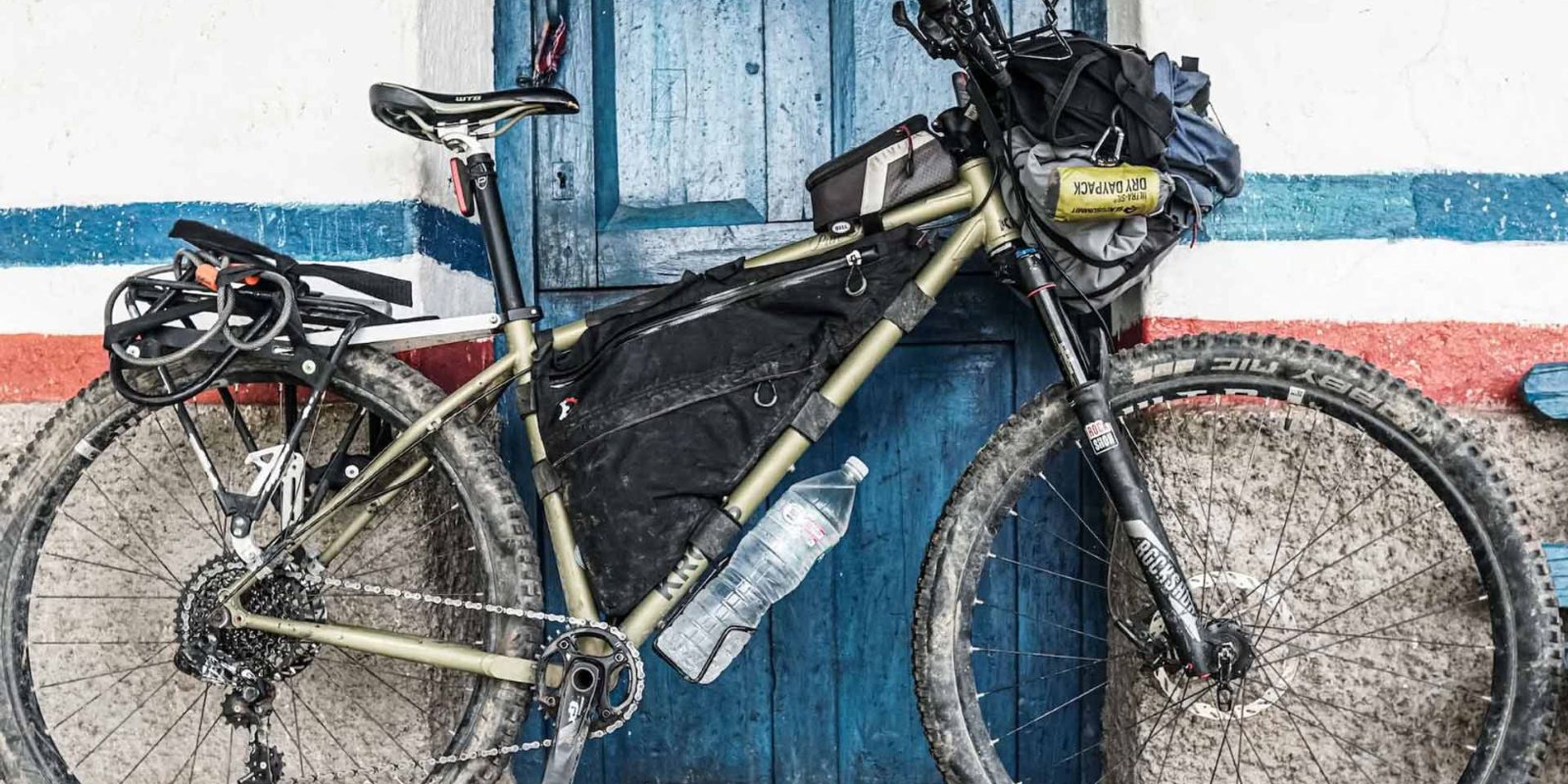
Credit: www.calltoadventure.uk
Frequently Asked Questions
How Can I Avoid Common Bikepacking Injuries?
Wear proper protective gear, maintain your bike, and pace yourself. Stretch before and after rides. Stay hydrated and rest adequately to prevent fatigue-related injuries.
What Essential Gear Prevents Injuries On Bikepacking Tours?
Helmet, gloves, padded shorts, and sturdy shoes are key. Carry a first aid kit and repair tools. Proper gear minimizes risks and enhances comfort.
How Does Bike Maintenance Reduce Injury Risks?
Regularly check brakes, tires, and chains for wear. Properly adjusted gears and suspension improve control. Well-maintained bikes prevent accidents and mechanical failures.
Why Is Proper Bike Fit Important For Injury Prevention?
A correctly fitted bike reduces strain on muscles and joints. It improves balance and control, lowering injury chances. Get professional fitting before long tours.
Conclusion
Bikepacking can be thrilling and safe with the right precautions. Always wear a helmet. Check your gear for any issues before the trip. Keep a basic first-aid kit handy. Stretching before and after rides helps prevent muscle strains. Hydrate regularly to avoid fatigue.
Listen to your body and rest when needed. Plan your route and know your limits. Stay alert to your surroundings and weather changes. By following these tips, you ensure a safer and more enjoyable bikepacking adventure. Happy trails!



