
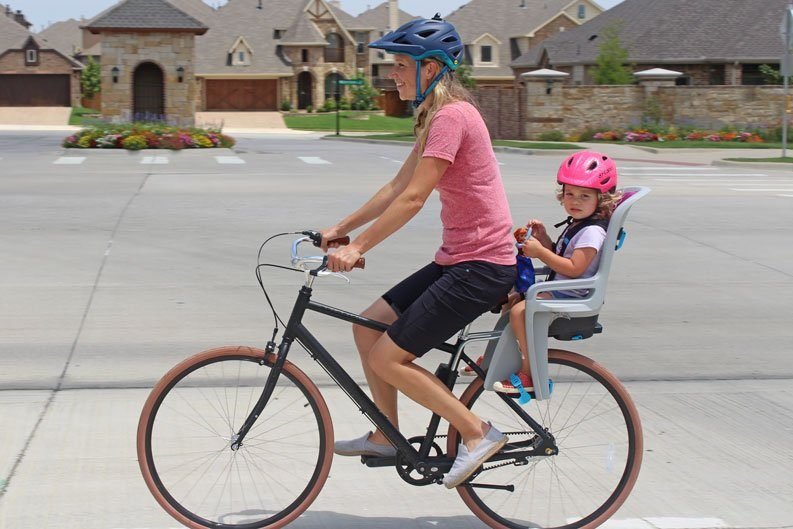
You want your toddler to enjoy biking safely, but falling can be scary for both of you. Imagine your child gaining confidence on their bike while you feel calm knowing they’re protected.
What if you could prevent most falls before they happen? You’ll discover simple, effective ways to keep your little one steady and secure on two wheels. Read on to learn how to turn bike rides into happy, worry-free moments for you and your toddler.
Choose The Right Bike
Picking the right bike helps toddlers stay safe and enjoy riding. A good bike fits the child’s size and skill.
Choosing carefully can reduce falls and build confidence while riding.
Size Matters
Make sure the bike fits your toddler well. The child should reach the ground with their feet while sitting.
A bike too big or small can cause loss of balance and falls.
- Check the seat height so feet touch the ground
- Look for a bike with adjustable seat and handlebars
- Test the bike to see if the child feels comfortable
Check The Brakes
Good brakes help toddlers stop quickly and safely. Test brakes before every ride.
Make sure brakes are easy to reach and use for small hands.
- Choose bikes with hand brakes or coaster brakes
- Practice braking in a safe area
- Check brakes often for wear or damage
Opt For Training Wheels
Training wheels give extra support for beginners. They help toddlers learn balance slowly.
Remove training wheels only when the child feels steady and confident.
- Choose stable and sturdy training wheels
- Adjust wheels to keep the bike level
- Encourage practice with training wheels before removing them
Credit: www.vulyplay.com
Equip Proper Safety Gear
Toddlers learning to ride bikes need the right safety gear. It helps stop injuries from falls. Parents should check all gear fits well.
Proper safety gear gives toddlers confidence and keeps them safe. This gear includes helmets, pads, and bright clothes.
Helmet Fit And Quality
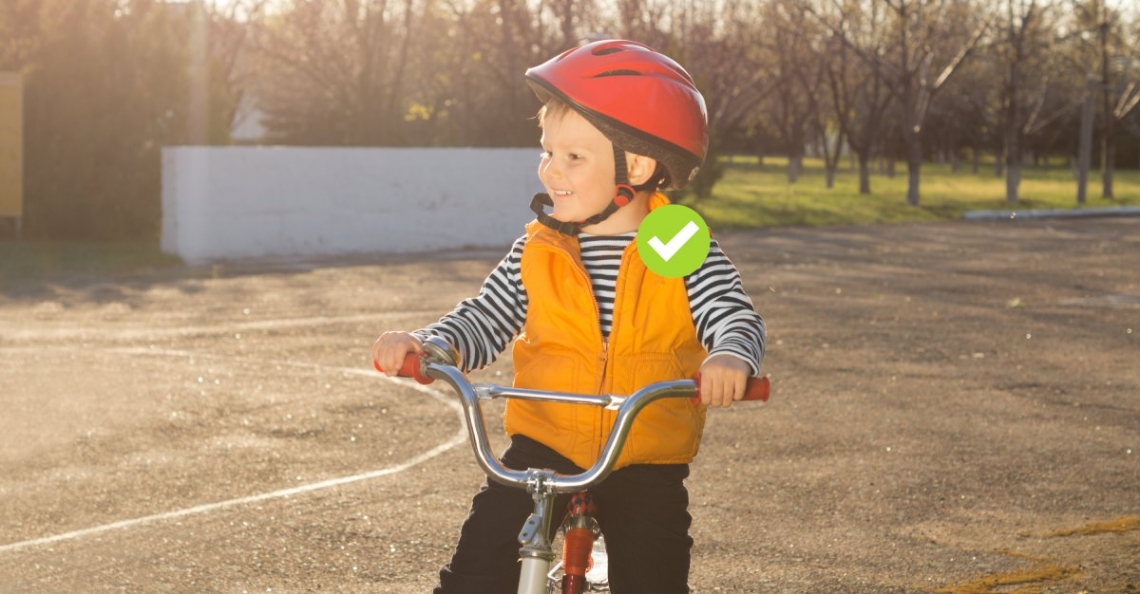
A helmet protects a toddler’s head in case of a fall. The helmet must fit snugly without moving. It should cover the forehead well.
Look for helmets that meet safety standards. Check for straps that fasten easily and stay secure. Replace helmets after any crash.
- Snug fit with no wobble
- Meets safety certification
- Adjustable straps and buckles
- Replace if damaged or after falls
Knee And Elbow Pads
Knee and elbow pads protect skin and bones from scrapes and bruises. They cushion the joints during falls. Pads should be soft but strong.
Choose pads with straps that keep them in place. Make sure the pads do not slip or irritate the skin. Check the pads often for wear.
- Soft but impact-resistant material
- Adjustable, secure straps
- Fits comfortably without slipping
- Regularly inspect for damage
Bright Clothing For Visibility
Bright clothing helps others see toddlers easily. It is important near roads or parks. Choose bright colors like red, yellow, or neon green.
Reflective strips on clothes add extra safety. Bright clothes make toddlers stand out in low light or busy areas.
- Wear bright, eye-catching colors
- Choose clothes with reflective strips
- Avoid dark or dull colors
- Check visibility in different light
Create A Safe Riding Area
Teaching toddlers to ride bikes safely starts with a good space. A safe riding area helps prevent falls and injuries.
Parents should prepare a spot that is easy to control and free from hazards. This makes learning fun and safe.
Smooth And Flat Surfaces
Choose a riding area with smooth, flat ground. This helps toddlers keep their balance and avoid sudden stops.
Surfaces like concrete or asphalt work well. Avoid rough or uneven places like gravel or grass.
Avoid Traffic Zones
Keep toddlers away from busy streets and driveways. Traffic zones are dangerous and increase fall risks.
Pick quiet parks, playgrounds, or backyard spaces where cars do not drive. This keeps focus on riding safely.
Remove Obstacles
Clear the riding area of toys, rocks, sticks, and other objects. Obstacles can cause trips and falls.
Check the space before each ride. A clean area helps toddlers ride without sudden stops or crashes.

Credit: www.firefliesandmudpies.com
Teach Basic Riding Skills
Helping toddlers learn to ride a bike safely starts with teaching basic skills. These skills reduce falls and build confidence.
Focus on simple lessons that toddlers can understand and practice easily. This guide covers balancing, starting and stopping, and turning.
Balancing Techniques
Balancing is the foundation of safe riding. Teach toddlers to keep their body steady and eyes forward while on the bike.
- Use a balance bike or remove pedals from the bike
- Encourage toddlers to push off with their feet and glide
- Practice on flat, smooth surfaces with no obstacles
- Help them keep their arms relaxed and straight
- Show how to look ahead, not down at their feet
Starting And Stopping
Learning to start and stop safely helps prevent falls. Teach toddlers how to get moving and how to stop the bike properly.
| Action | How to Do It |
| Starting | Place one foot on a pedal and push down. Use the other foot to push off the ground. |
| Stopping | Press the brakes gently or put feet down to stop. Teach to stop before obstacles or curbs. |
| Practice Tips | Repeat starting and stopping in a safe, open area until they feel comfortable. |
Turning Safely
Turning is tricky for toddlers. Teach them to slow down and look where they want to go before turning.
Try this simple exercise to practice turns:
- Set up cones or markers in a circle.
- Have your toddler ride slowly around the circle.
- Encourage them to look in the direction of the turn.
- Remind them to lean slightly into the turn.
- Practice turning both left and right.
Supervise And Support
Helping toddlers learn to ride bikes needs close supervision. Safety comes first to stop falls and injuries.
Support your child by staying near and watching carefully. This helps them feel safe and grow confident.
Stay Close And Alert
Always stay within arm’s reach of your toddler when they ride. Watch their movements and the path ahead.
- Keep your eyes on your child at all times.
- Look out for obstacles like rocks or uneven ground.
- Be ready to catch or stop the bike if needed.
- Choose safe, flat areas for riding practice.
Encourage Confidence
Cheer your child on as they learn. Praise their effort, not just their success.
| Ways to Encourage | Benefits |
| Offer steady support on the bike | Builds trust and balance skills |
| Use simple positive words | Boosts self-esteem and motivation |
| Let them try small challenges | Improves coordination and independence |
| Celebrate small wins | Inspires continued practice |
Know When To Intervene
Watch for signs your child needs help. Step in before a fall or frustration happens.
Use this guide to decide when to act:
- If your child loses balance repeatedly, hold the bike gently.
- If the terrain is too hard, move to a safer spot.
- If they seem scared or tired, take a break.
- If they try to go too fast, slow them down calmly.
Maintain The Bike Regularly
Keeping your toddler’s bike in good shape helps prevent falls. Regular checks make sure the bike works safely. This keeps your child safe and happy while riding.
Focus on important parts like tires, chain, pedals, and bolts. Fixing small problems early stops bigger accidents later.
Check Tire Pressure
Proper tire pressure makes the bike easier to control. Soft tires can cause slipping or tipping. Check the pressure before every ride using a pump with a gauge.
Look on the tire sidewall for the correct pressure range. Inflate tires to the middle of this range for the best balance of comfort and safety.
Inspect Chain And Pedals
A clean and well-lubricated chain moves smoothly. Dirty or rusty chains can stick or break, causing falls. Check pedals for cracks or damage too.
- Clean the chain with a dry cloth
- Apply a small amount of bike chain oil
- Spin pedals to check for smooth rotation
- Replace pedals if they are cracked or loose
Tighten Loose Parts
Loose parts can cause sudden shifts or falls. Check handlebars, seat, and wheels. Tighten any loose bolts or screws with a wrench or screwdriver.
| Part | Check | Action |
| Handlebars | Wobble or spin | Tighten bolts |
| Seat | Slides down or tilts | Secure clamp |
| Wheels | Loose or wobbly | Tighten axle nuts |

Credit: www.firefliesandmudpies.com
Frequently Asked Questions
How Can Helmet Use Prevent Toddler Bike Falls?
Wearing a properly fitted helmet protects a toddler’s head during falls. It significantly reduces the risk of serious injuries and boosts safety while riding.
What Surfaces Are Safest For Toddler Bike Riding?
Flat, smooth surfaces like paved driveways or playgrounds reduce fall risks. Avoid uneven, slippery, or gravel areas to ensure safer riding conditions for toddlers.
How Do Training Wheels Help Prevent Toddler Falls?
Training wheels provide extra balance and stability, helping toddlers gain confidence while learning to ride. They reduce tipping and make early biking safer.
What Supervision Level Is Ideal For Toddler Bike Safety?
Close adult supervision is essential. Stay within arm’s reach to quickly assist and prevent falls or accidents during toddler bike riding.
Conclusion
Keeping toddlers safe on bikes is essential. Simple steps make a big difference. Ensure helmets fit well. Choose the right bike size. Teach them basic balance and steering. Supervise rides closely. Safe riding areas reduce risks. Regular bike checks prevent problems.
Encourage practice and patience. These strategies build confidence and safety. Happy riding!



