
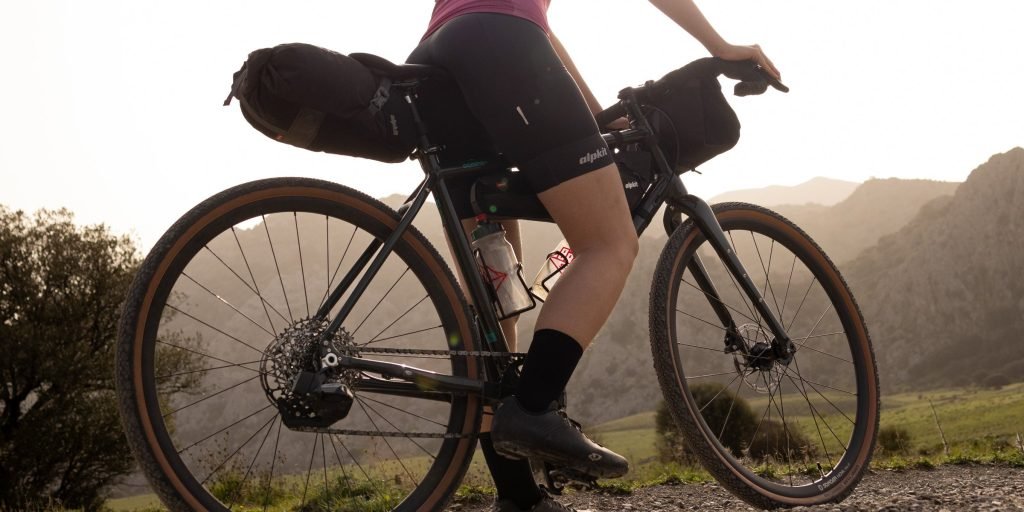
If you’ve ever felt that annoying, burning irritation on your skin during a long bikepacking ride, you know how distracting—and painful—it can be. Chafing doesn’t just ruin your comfort; it can cut your adventure short.
But what if you could stop chafing before it even starts? You’ll discover simple, effective ways to keep your skin happy and ride longer without discomfort. Keep reading to learn how to protect yourself from chafing and enjoy every mile of your bikepacking journey.
Causes Of Chafing On Bikepacking Rides
Chafing is a common problem for bikepackers on long rides. It happens when skin rubs against skin or clothing repeatedly.
This friction causes irritation, redness, and sometimes painful sores. Understanding what causes chafing can help prevent it.
Common Areas Prone To Chafing
Certain body parts often get chafed during bikepacking rides. These areas face constant rubbing and pressure.
The most common spots include the inner thighs, groin, underarms, and nipples. These areas have soft skin that moves a lot.
- Inner thighs where legs rub together
- Groin area under cycling shorts
- Underarms from arm movement and sweat
- Nipples when shirts or jerseys rub
- Back of the knees from seat contact
Factors That Increase Friction
Friction causes chafing by wearing away the skin surface. Several factors can increase friction on a ride.
Rough clothing, tight gear, and poor bike fit add more rubbing. Hard or uneven surfaces on clothes also raise friction.
- Wearing rough or stiff fabrics
- Tight or loose clothing that shifts
- Poor bike fit causing extra movement
- Seams or tags inside clothes
- Carrying heavy packs pressing skin
Impact Of Sweat And Moisture
Sweat and moisture make chafing worse by softening the skin. Wet skin is more fragile and tears easily.
Clothing that traps sweat keeps skin wet. This increases friction and irritation during long rides.
- Wet skin is more prone to damage
- Moisture causes clothes to stick and rub
- Salt from sweat can irritate skin
- Long rides mean more sweat buildup
- Proper clothing helps wick moisture away
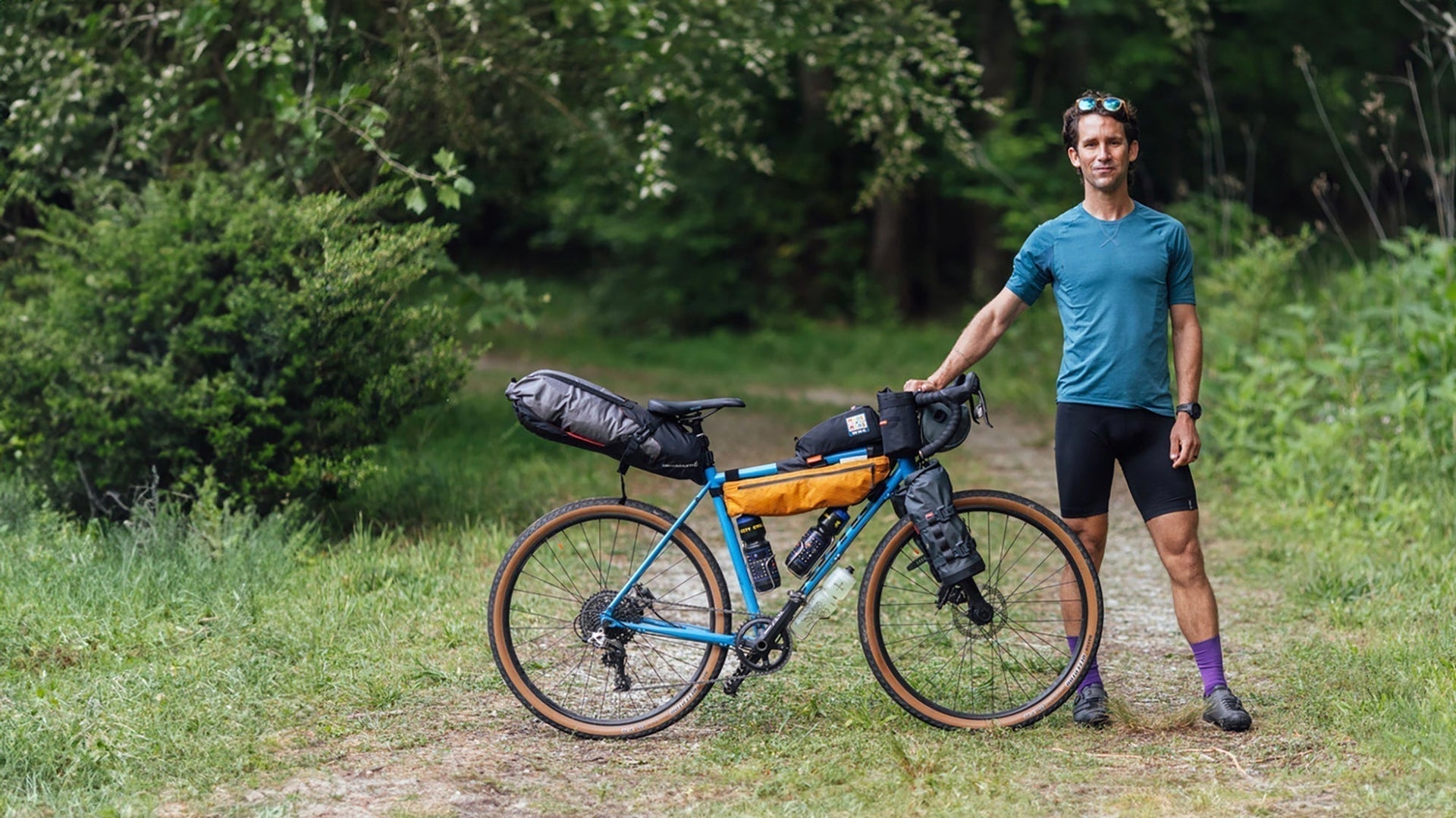
Credit: eaglesnestoutfittersinc.com
Choosing The Right Clothing
Long bikepacking rides can be challenging. Wearing the right clothing helps prevent chafing. It’s important to make smart clothing choices for comfort.
Consider the fabric and fit of your clothing. These factors play a big role in keeping your skin comfortable. Let’s explore some key points.
Benefits Of Moisture-wicking Fabrics
Moisture-wicking fabrics pull sweat away from your skin. This keeps you dry and reduces friction, helping to prevent chafing.
- Look for materials like polyester or nylon.
- Avoid cotton as it traps moisture.
- Check labels for moisture-wicking properties.
Importance Of Proper Fit
The fit of your clothing can affect your comfort. Clothes that are too tight or too loose can cause rubbing and irritation.
| Fit Type | Benefit |
| Snug | Reduces movement and friction |
| Loose | Allows airflow and breathability |
Using Seamless Or Flat-seam Gear
Seamless or flat-seam gear helps reduce skin irritation. Regular seams can dig into the skin during long rides.
Skin Protection Techniques
Long bikepacking rides can cause skin chafing. The right protection helps you ride comfortably. Use simple methods to guard your skin from irritation.
These techniques include applying creams, using powders, and keeping skin dry. Each method helps reduce friction and moisture on your skin.
Applying Anti-chafing Balms And Creams
Anti-chafing balms and creams create a smooth layer on your skin. This layer reduces friction between your skin and clothing. Apply them before your ride starts and reapply if needed.
- Choose products made for sports or sensitive skin
- Apply to areas prone to rubbing, like inner thighs and underarms
- Use enough to cover the skin but not so much it feels greasy
- Reapply during breaks if your ride is very long
Using Powders And Lubricants
Powders help keep skin dry by absorbing sweat. Lubricants reduce friction like balms but often last longer. Use powders before you put on your clothes and lubricants on exposed skin.
| Type | Purpose | When to Use |
| Powder | Absorbs moisture | Before dressing |
| Lubricant | Reduces friction | Before and during ride |
Keeping Skin Clean And Dry
Clean and dry skin resists chafing better. Sweat and dirt increase irritation. Wash your skin with mild soap after riding. Dry the skin completely before you start your next ride.
- Change out of sweaty clothes quickly
- Use moisture-wicking fabrics during rides
- Carry a small towel or wipes for quick cleaning
- Dry skin gently but thoroughly after washing

Credit: www.reddit.com
Bike Setup And Positioning
Long bikepacking rides can cause chafing if your bike is not set up properly. A good bike setup helps you stay comfortable and avoid skin irritation. Positioning your body and saddle right is key to preventing chafing during long hours on the bike.
Small adjustments to your bike and riding posture can make a big difference. Let’s look at how to adjust saddle height and tilt, pick the right saddle, and keep a proper riding position.
Adjusting Saddle Height And Tilt
Correct saddle height helps you pedal efficiently and reduces friction on your skin. A saddle that is too high or low can cause rubbing and chafing. The tilt of the saddle also affects pressure points and comfort.
- Sit on the bike and place your heel on the pedal at the lowest point.
- Your leg should be almost straight without locking the knee.
- If your knee bends too much or your hips rock, adjust the saddle height.
- Set the saddle tilt level or slightly nose down to reduce pressure.
- Make small changes and test ride to find the best position.
Choosing The Right Saddle For Comfort
The right saddle shape and padding can prevent chafing and soreness. Different riders need different saddles based on their anatomy and riding style. It is worth trying a few saddles before choosing one.
| Saddle Type | Comfort Feature | Best For |
| Flat Saddle | Even pressure distribution | Riders who move around a lot |
| Cut-out Saddle | Relieves pressure in sensitive areas | Riders with soft tissue discomfort |
| Padded Saddle | Extra cushioning | Shorter rides or beginners |
| Narrow Saddle | Less chafing on inner thighs | Riders with wide pedaling motion |
Maintaining Proper Riding Posture
Good posture helps reduce friction and pressure on your skin. It also improves breathing and power. Keep your body relaxed and aligned to avoid chafing.
- Keep your back flat and shoulders low.
- Engage your core to support your upper body.
- Keep elbows slightly bent and close to your body.
- Distribute your weight evenly on the saddle and pedals.
- Shift your position slightly every 20-30 minutes to avoid pressure points.
Hydration And Nutrition Tips
Long bikepacking rides can cause chafing, a common skin problem. Staying hydrated and eating the right foods help protect your skin.
Proper hydration and nutrition keep your skin healthy and reduce irritation during long rides.
Staying Hydrated To Reduce Skin Irritation
Drinking enough water keeps your skin soft and less likely to chafe. Sweat can dry out your skin, causing cracks and irritation.
- Drink small amounts of water regularly throughout the ride.
- Include electrolyte drinks to replace lost minerals.
- Avoid too much caffeine or alcohol before and during rides.
- Carry a hydration pack or water bottles for easy access.
- Listen to your body’s thirst signals and do not wait too long to drink.
Foods That Support Skin Health
Eating foods rich in vitamins and healthy fats helps your skin stay strong and heal faster from friction.
| Food | Skin Benefit |
| Avocados | Provide healthy fats to keep skin moisturized |
| Carrots | High in vitamin A to repair skin tissue |
| Walnuts | Contain omega-3 fatty acids that reduce inflammation |
| Sweet Potatoes | Rich in beta-carotene for skin protection |
| Spinach | Full of antioxidants that fight skin damage |
Credit: bikepacking.com
Post-ride Care And Recovery
After a long bikepacking ride, your skin needs good care to heal from chafing. Proper recovery helps prevent pain and infection.
Taking time to clean and treat your skin can speed up healing. Using soothing products and watching for signs of infection keeps your skin healthy.
Cleaning And Treating Affected Skin
Gently clean the chafed areas with mild soap and warm water. Avoid scrubbing to prevent more damage. Pat the skin dry with a soft towel.
Apply an antibiotic ointment to protect the skin from bacteria. Cover the area with a breathable bandage if needed to keep it clean.
Using Soothing Products
Use creams or gels with natural ingredients like aloe vera or calendula. These help reduce redness and calm irritated skin.
- Apply a thin layer of soothing cream twice daily
- Use products free from fragrances and harsh chemicals
- Keep the area moisturized to prevent dryness
- Wear loose clothing to avoid further rubbing
Monitoring For Infections
Check your skin every day for signs of infection. Early detection helps you get treatment fast.
| Sign | What It Means |
| Increased redness | Possible infection or irritation |
| Swelling | Inflammation or infection |
| Pus or discharge | Infection present |
| Fever | Body fighting infection |
Additional Gear To Prevent Chafing
Long bikepacking rides can cause skin irritation from constant friction. Using the right gear helps reduce this discomfort. You can protect your skin and enjoy your ride more.
Choosing equipment made to prevent chafing is important. This gear keeps you dry, cushioned, and comfortable on the road.
Benefits Of Padded Shorts
Padded shorts offer extra cushioning where your body contacts the bike seat. They reduce pressure and friction on sensitive areas. This can stop chafing before it starts.
- Protects skin from rubbing against the saddle
- Provides shock absorption on rough terrain
- Improves comfort on long rides
- Usually made from quick-drying fabric
- Fits snugly to prevent bunching or chafing
Using Chamois Liners
Chamois liners add a soft layer between your skin and bike shorts. They help wick moisture away and reduce friction. Many riders use them for extra protection.
| Feature | Benefit |
| Soft padding | Less skin irritation |
| Moisture control | Dry skin prevents rubbing |
| Lightweight fit | Comfort without bulk |
| Easy to wash | Keeps liner fresh |
Selecting Moisture-wicking Socks
Socks that pull sweat away from your feet help stop blisters and chafing. They keep your skin dry and cool. Good socks make long rides easier on your feet.
- Choose socks made from synthetic fibers
- Look for mesh panels for ventilation
- Pick socks with cushioned soles
- Ensure a snug fit to prevent slipping
- Change socks daily or when wet
Frequently Asked Questions
What Causes Chafing During Long Bikepacking Rides?
Chafing is caused by repeated skin friction from saddle and clothing. Sweat and moisture increase irritation. Tight or ill-fitting gear worsens the problem. Preventing chafing involves reducing friction and keeping skin dry.
How Can I Prevent Chafing While Bikepacking?
Wear moisture-wicking, padded cycling shorts and apply anti-chafing balm. Keep skin dry and change clothes if wet. Adjust your bike saddle for proper fit. Take breaks to reduce prolonged friction.
Which Fabrics Are Best To Avoid Chafing?
Choose breathable, moisture-wicking fabrics like polyester or nylon blends. Avoid cotton as it retains sweat and increases friction. Proper cycling gear minimizes skin irritation and enhances comfort.
How Often Should I Reapply Anti-chafing Products?
Reapply anti-chafing balm every few hours or after sweating heavily. This maintains a protective barrier on the skin. Consistent application helps prevent irritation during long rides.
Conclusion
Preventing chafing on long bikepacking rides keeps your journey comfortable. Choose the right clothing that fits well and wicks sweat. Apply anti-chafing creams to protect your skin. Take breaks to let your skin breathe and dry. Stay hydrated to help your body recover faster.
Small steps make a big difference in avoiding pain. Enjoy your ride without distractions from discomfort. Keep these tips in mind for smoother, happier adventures.



