
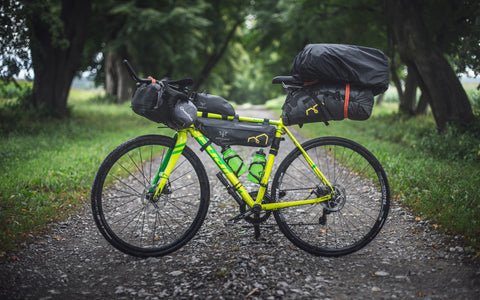
Are you gearing up for a bikepacking trip? Getting your body ready is just as important as planning your route or packing your gear.
If you want to enjoy every mile without struggling with exhaustion or pain, preparing physically is key. In this post, you’ll discover simple, effective ways to build your strength, boost your endurance, and avoid common injuries. Keep reading to make sure your body is as ready as your bike for the adventure ahead.
Choose The Right Bike
Picking the right bike is important for a bikepacking trip. Your bike must handle rough roads and carry your gear.
A good bike helps you ride longer and stay comfortable on the trail. Choose carefully based on your trip type.
Types Of Bikes For Bikepacking
Different bikes suit different bikepacking trips. Choose one that fits your route and riding style.
Here are common types used for bikepacking:
- Mountain Bikes:Great for rough trails and off-road paths.
- Gravel Bikes:Designed for mixed surfaces like dirt and pavement.
- Touring Bikes:Built to carry heavy loads on long trips.
- Hybrid Bikes:Good for easy trails and roads with light gear.
Essential Bike Features
Your bike should have certain features to make bikepacking easier and safer.
Look for these key features:
- Strong Frame:A durable frame supports heavy loads and rough terrain.
- Wide Tires:Tires with good grip work well on dirt and rocks.
- Mounting Points:Extra mounts hold bags, racks, and water bottles.
- Comfortable Saddle:A good seat helps you ride longer without pain.
- Reliable Gears:Multiple gears help climb hills and ride on flat roads.
- Disc Brakes:Strong brakes improve control in wet or steep conditions.

Credit: www.letsgoaero.com
Build Endurance And Strength
Preparing your body for a bikepacking trip is key to enjoying the ride. Building endurance and strength helps you handle long hours on the bike.
Focus on training that improves stamina and muscle power. This will make your trip easier and safer.
Long Distance Rides
Long rides train your heart and lungs to work better. They also help your legs get used to constant pedaling.
- Start with shorter rides and add distance weekly
- Keep a steady pace to build stamina
- Practice riding with your full gear to mimic trip conditions
- Rest on easy days to avoid injury
- Drink water and eat snacks during rides to maintain energy
Strength Training Exercises
Strong muscles support your body on rough terrain and steep climbs. Include exercises that target legs, core, and upper body.
| Exercise | Target Area | Repetitions |
| Squats | Legs | 3 sets of 12 |
| Planks | Core | 3 sets of 30 seconds |
| Push-ups | Upper body | 3 sets of 10 |
| Lunges | Legs | 3 sets of 12 each leg |
| Deadlifts | Back and legs | 3 sets of 8 |
Practice Riding With Gear
Riding your bike with all the gear is different from riding without it. You need to get used to the extra weight and how it changes your balance. Practice helps you stay safe and ride better on your trip.
Start by packing your bike as you plan to on the trip. Then, take short rides to feel how the bike handles. This practice will build your confidence and improve your control.
Packing Your Bike
Packing your bike means placing all your gear securely. Use panniers, frame bags, and handlebar rolls to hold your items. Make sure everything is tight and will not move during your ride.
- Check that bags are fastened well
- Distribute items so nothing hangs loose
- Keep heavy items low and close to the frame
- Test the bike’s balance before long rides
Balancing Weight
Weight balance is very important for a smooth ride. Uneven weight can make the bike hard to control and cause fatigue. Try to keep weight even on both sides of the bike.
| Bag Location | Weight Recommendation |
| Panniers | Heavy items (tools, food) |
| Frame Bag | Medium weight (clothing, small gear) |
| Handlebar Roll | Light items (sleeping bag, tent) |
Focus On Core Stability
Strong core muscles help you stay balanced and steady on your bike. They reduce fatigue and improve your control during long rides.
Building core stability is a key part of preparing your body for a bikepacking trip. It supports your back and improves your overall performance.
Core Workouts For Cyclists
Core workouts strengthen the muscles around your abdomen, hips, and lower back. These exercises help keep your body aligned while pedaling.
- Planks: Hold your body straight, supported on your forearms and toes.
- Russian Twists: Sit with knees bent and twist your torso side to side.
- Bird Dogs: Extend opposite arm and leg while keeping your back flat.
- Glute Bridges: Lift hips while lying on your back to engage glutes and core.
- Dead Bugs: Move arms and legs while keeping your core tight and spine stable.
Improving Posture
Good posture reduces strain and helps you breathe better on the bike. It also prevents aches and pains during long trips.
| Posture Tip | How It Helps |
| Keep Shoulders Relaxed | Prevents tension and improves comfort |
| Engage Core Muscles | Supports your spine and keeps balance |
| Align Head with Spine | Reduces neck strain and improves vision |
| Maintain Neutral Spine | Prevents lower back pain and improves breathing |
| Keep Elbows Slightly Bent | Absorbs shocks and maintains control |
Train For Varied Terrain
Preparing your body for different bikepacking terrains is key. Training on varied surfaces helps your muscles adapt.
Focus on skills and strength that match the challenges you will face on your trip.
Off-road Riding Skills
Practice riding on dirt, gravel, and rocky paths. This builds balance and control. Learn to shift your weight as the surface changes.
- Keep a relaxed grip on the handlebars.
- Look ahead to choose the smoothest path.
- Use your legs as shock absorbers.
- Practice braking gently to avoid skidding.
- Learn to pick lines through rocks and roots.
Hill Climbing Techniques
Climbing hills demands strength and stamina. Use the right body position to keep traction and power.
| Technique | Description |
| Seated Climb | Stay seated to save energy and maintain traction. |
| Standing Climb | Stand on pedals to use body weight for power on steep slopes. |
| Gear Shifting | Shift to lower gears early to keep a steady cadence. |
| Body Position | Lean forward to keep the front wheel down and balanced. |

Credit: www.youtube.com
Plan Nutrition And Hydration
Preparing your body for a bikepacking trip means planning your nutrition and hydration well. Eating and drinking the right way helps keep your energy high.
You need to think about what to eat and drink during your rides. This keeps your strength up and stops dehydration.
Fueling During Rides
Eating small amounts often helps keep your energy steady. Choose foods that are easy to digest and high in carbs.
Good options include energy bars, nuts, fruit, and sandwiches. Try to eat every 45 minutes to an hour while riding.
- Energy gels or chews for quick carbs
- Bananas or dried fruit for natural sugars
- Peanut butter sandwiches for protein and fat
- Trail mix with nuts and seeds for calories
Hydration Strategies
Drink fluids regularly to avoid dehydration. Water is the best choice, but you can also use sports drinks to replace salts.
Start drinking before you feel thirsty. Plan to drink about one bottle every hour on your bike.
- Carry enough water or know refill spots
- Use electrolyte tablets or sports drinks
- Drink small sips often, not large amounts at once
- Check your urine color; light yellow means good hydration
Prepare For Recovery
Recovery helps your body heal after long rides. It keeps you strong and ready for your next bikepacking trip.
Good recovery includes careful stretching and enough rest. These help avoid injuries and reduce tiredness.
Stretching Routines
Stretching improves blood flow and eases muscle stiffness. It lowers the chance of pain after cycling.
- Stretch your hamstrings and quads before and after rides.
- Include calf stretches to avoid cramps on long trails.
- Focus on lower back stretches to reduce tension.
- Hold each stretch for 20 to 30 seconds without bouncing.
- Breathe deeply while stretching to relax your muscles.
Rest And Sleep Importance
Rest and sleep help your muscles repair and grow stronger. Lack of sleep can slow down recovery and reduce energy.
| Rest Type | Benefits | Tips |
| Short Rest | Reduces immediate fatigue | Take breaks during long rides |
| Night Sleep | Repairs muscles and restores energy | Sleep 7 to 9 hours in a dark, quiet room |
| Active Recovery | Improves circulation without strain | Walk or do light stretching on rest days |
Test Your Gear And Setup
Before going on a bikepacking trip, you must test your gear and setup. This helps you find problems early. It also makes your trip safer and more fun.
Trying out your equipment before the trip lets you see what works best. You can fix issues and get used to your gear.
Trial Runs
Take short trips with your bike and gear. These trial runs show how your setup feels on the road. You learn how to pack and carry your items well.
Try different routes and times. This helps you see how your gear handles different conditions. Note what is heavy or hard to reach.
- Ride with full gear loaded
- Test packing and unpacking quickly
- Check comfort and balance on your bike
- Observe how the bike handles different surfaces
- Note any gear that causes discomfort or trouble
Adjusting Equipment
After trial runs, adjust your gear and setup. Fix problems found during testing. Make your load lighter and easier to manage.
Check straps, bags, and bike parts. Tighten or loosen them as needed. Move items for better weight distribution and quick access.
- Rearrange bags to balance the bike
- Secure loose straps and fasteners
- Replace or remove heavy or unused items
- Adjust saddle and handlebars for comfort
- Test the new setup with another short ride

Credit: reillytitanium.com
Frequently Asked Questions
How Can I Build Endurance For Bikepacking Trips?
Start with regular long rides, gradually increasing distance and intensity. Incorporate interval training and rest days to improve stamina effectively.
What Strength Exercises Help Bikepacking Preparation?
Focus on leg workouts like squats and lunges. Core exercises such as planks enhance balance and overall cycling stability.
How Should I Train For Carrying Bikepacking Gear?
Practice riding with loaded panniers or backpacks. This helps your body adapt to extra weight and improves handling skills.
How Important Is Flexibility In Bikepacking Training?
Flexibility prevents injuries and eases muscle tension. Include stretching routines targeting hips, hamstrings, and lower back regularly.
Conclusion
Preparing your body helps you enjoy every mile of bikepacking. Start with regular rides to build strength and stamina. Stretch often to stay flexible and avoid injury. Eat healthy and drink water to fuel your trips. Rest well so your muscles can recover.
Practice carrying your gear to get used to the weight. Remember, small steps lead to big progress. Stay consistent and patient with your training. Soon, you will feel ready and confident for your adventure. Bikepacking becomes fun when your body feels strong and prepared.



