
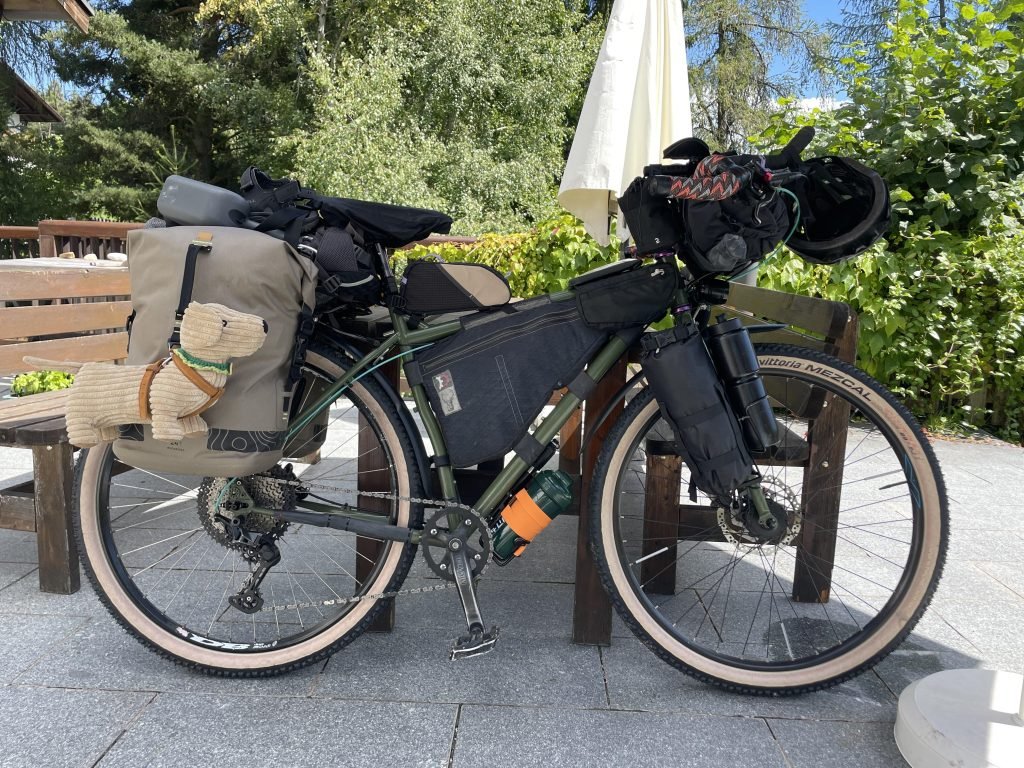
Riding your bike through the heat can be tough. Extreme temperatures can drain your energy fast and make your trip uncomfortable or even unsafe.
But with the right steps, you can stay cool, hydrated, and strong on your bikepacking tour. This guide will show you exactly how to prepare for the heat so you can enjoy every mile without worry. Keep reading to discover simple yet powerful tips that will help you beat the heat and ride smarter.
Your next adventure deserves to be great—no matter how hot it gets.
Gear For Hot Weather
Bikepacking in extreme heat needs special gear to stay safe and comfortable. Choosing the right items helps you avoid heat stress.
This guide covers clothing, sun protection, and hydration gear for hot weather tours.
Lightweight Clothing Choices
Wear clothes that keep you cool and dry. Light colors reflect sunlight. Loose fits help air flow.
- Choose moisture-wicking fabrics like polyester or nylon
- Wear long sleeves and pants for skin protection
- Use breathable hats or caps to shield your head
- Avoid cotton as it holds sweat and slows drying
Sun Protection Essentials
Protect your skin and eyes from sun damage. Use products and gear designed for strong UV rays.
| Item | Purpose | Tip |
| Sunscreen | Blocks UV rays | Apply every 2 hours |
| UV Sunglasses | Protects eyes | Choose wrap-around style |
| Lightweight Buff | Shields neck and face | Wet it to cool down |
Hydration Gear
Drinking enough water is key in heat. Use gear that makes hydration easy and effective.
- Carry multiple water bottles or a hydration bladder
- Use insulated bottles to keep water cool
- Bring electrolyte tablets or powders to replace salts
- Plan refill points ahead of your route
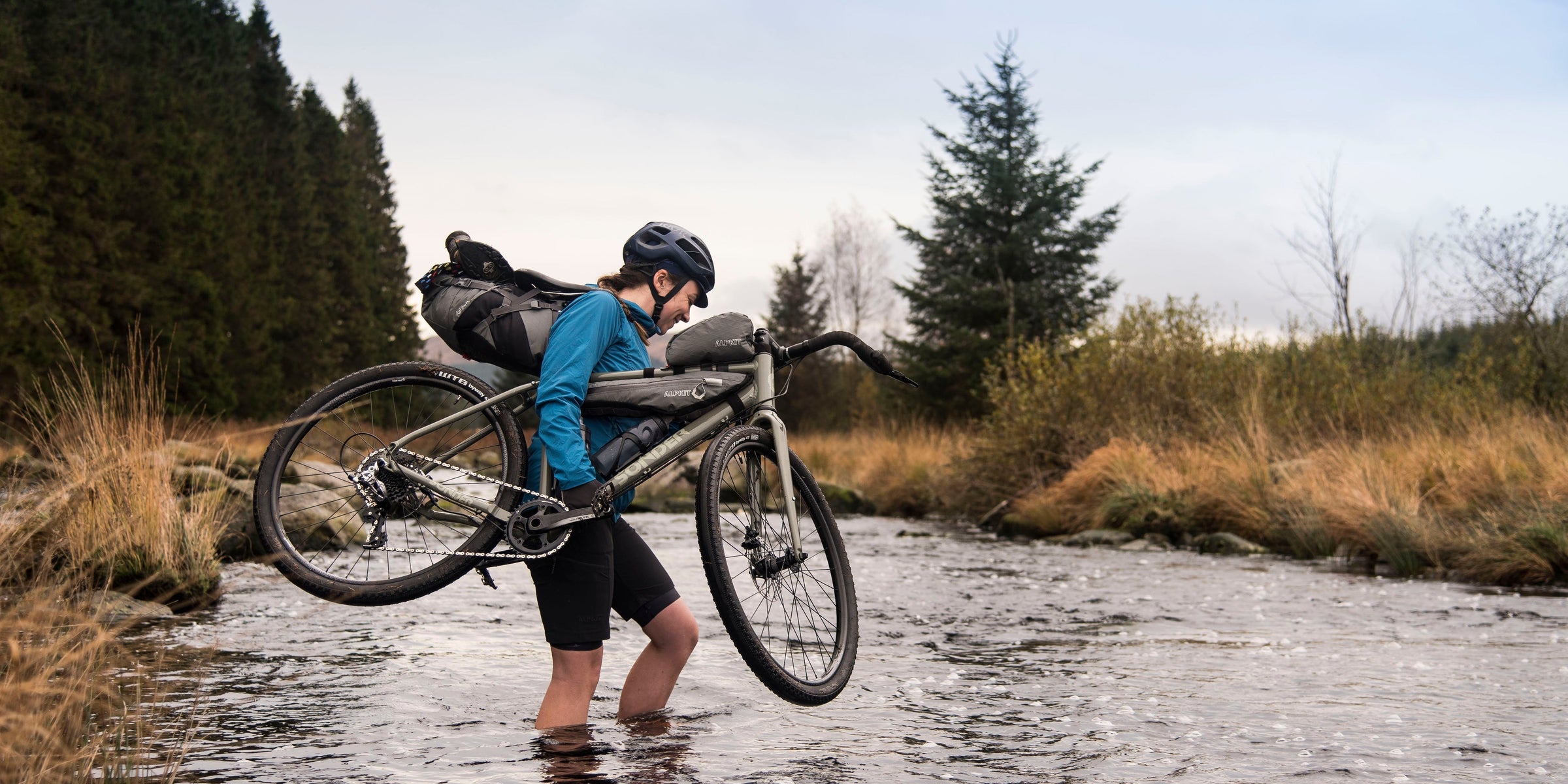
Credit: us.alpkit.com
Route Planning Strategies
Planning your route is key for safe bikepacking in extreme heat. Good routes help you avoid heat stress and stay comfortable.
Think about shade, ride times, and water stops. These details keep you cool and hydrated on your trip.
Choosing Shaded Paths
Pick routes with lots of trees or shaded areas. Shade lowers your body temperature during rides.
Use maps or apps to find forest trails or paths near rivers. Avoid open roads under direct sun.
- Look for wooded trails or green corridors
- Choose paths near water bodies for natural cooling
- Avoid long stretches without tree cover
Timing Your Rides
Ride early in the morning or late in the afternoon. These times are cooler and safer for your body.
Avoid riding during midday when heat is strongest. Plan rest stops during hot hours to cool down.
- Start rides before sunrise or after 4 PM
- Take breaks in shaded spots during peak heat
- Adjust your schedule to local weather forecasts
Identifying Water Sources
Know where to find water on your route. Staying hydrated is vital in extreme heat.
Mark springs, fountains, or stores on your map. Carry extra water if sources are scarce.
- Research natural water points along your path
- Plan stops to refill water bottles often
- Carry purification tools for natural water
Nutrition And Hydration
Riding a bike in extreme heat needs smart food and water choices. Your body loses water and salts fast. Good nutrition helps keep energy and strength high.
Plan what you eat and drink to avoid problems like cramps or tiredness. Focus on fluids and foods that support your body in hot weather.
Electrolyte Management
Electrolytes like sodium and potassium help your muscles work well. You lose them when you sweat a lot. Replace them to avoid cramps and keep balance.
- Drink electrolyte drinks or add salt tablets to water.
- Eat foods rich in potassium like bananas and nuts.
- Avoid too much plain water to prevent diluting salts.
- Check your sweat rate and adjust intake during long rides.
Meal Planning For Heat
Choose meals that are easy to digest and full of nutrients. Avoid heavy or greasy foods that make you feel tired. Plan meals to keep your energy steady.
| Meal Type | Example Foods | Why It Works |
| Breakfast | Oatmeal, fruit, yogurt | Provides slow energy and hydration |
| Lunch | Rice salad, lean meat, veggies | Light and rich in protein |
| Dinner | Grilled fish, quinoa, steamed greens | Easily digested and nourishing |
Snacks That Boost Energy
Snacks help keep your energy up between meals. Pick snacks that give quick fuel and replace lost salts. Carry snacks that stay fresh in heat.
- Dried fruits like apricots and raisins for natural sugars.
- Mixed nuts for protein and healthy fats.
- Energy bars with balanced carbs and electrolytes.
- Salted crackers or pretzels to replace sodium.
Credit: 365cycles.com
Riding Techniques In Heat
Riding a bike in extreme heat can be tough. You need to adjust your riding style to stay safe and comfortable.
Using smart techniques helps you avoid heat problems and enjoy your bikepacking tour more.
Pacing Yourself
Keep a steady and slower pace during hot weather. Avoid pushing too hard to reduce heat buildup in your body.
Take breaks often to rest and cool down. This helps prevent early fatigue and overheating.
- Ride at a comfortable speed
- Stop every 30 to 60 minutes
- Listen to your body’s signals
Cooling Methods While Riding
Use simple ways to stay cool while riding. Wet your clothes or skin to help lower your body temperature.
Wear light, breathable clothing and a helmet with good ventilation. Shade your head and face when possible.
- Pour water over your neck and head
- Use a damp bandana or neck cooler
- Wear light-colored, loose clothes
- Choose helmets with vents
- Ride in shaded areas if possible
Recognizing Heat Stress
Know the signs of heat stress to stop problems early. It can get serious if ignored.
Watch for symptoms like dizziness, headache, or nausea. These mean your body needs rest and cooling.
- Feeling weak or tired quickly
- Dizziness or light-headedness
- Heavy sweating or no sweat
- Muscle cramps or headache
- Nausea or confusion
Camp Setup For Heat
Bikepacking in extreme heat requires smart camp setup. Choosing the right spot and keeping your tent cool helps you rest better. Proper ventilation and cooling at night reduce heat stress.
These tips focus on how to prepare your campsite to stay comfortable during hot weather on your bikepacking tour.
Choosing Cool Campsites
Pick campsites with natural shade like trees or large rocks. Avoid open areas that get full sun all day. Look for spots near water sources for cooler air and breeze.
- Find shaded areas to set up your tent
- Avoid low spots that trap heat
- Set camp near rivers or lakes if possible
- Choose campsites with natural wind flow
- Check the terrain for dry, cool ground
Ventilation Tips
Good airflow inside your tent stops heat build-up. Open all tent doors and windows if there are mesh panels. Use a tent with multiple vents to allow cross breeze.
| Ventilation Method | Benefit |
| Open mesh doors | Improves airflow |
| Top vents | Releases hot air |
| Side vents | Allows cross breeze |
| Rainfly off or loose | Reduces heat trap |
Nighttime Cooling
Cool down your body and tent at night to sleep well. Use a damp cloth on your skin and wear light clothing. Position your tent to catch nighttime breezes.
- Use a wet bandana on your neck
- Sleep with minimal clothing
- Set up tent to face prevailing wind
- Leave tent windows open for airflow
- Use a lightweight sleeping pad to avoid heat retention

Credit: www.reddit.com
Emergency Preparedness
Extreme heat can make bikepacking tours very dangerous. Being ready for emergencies helps keep you safe. You should know how to spot heat problems and act fast.
Always carry supplies and know what to do if heat causes illness. This guide covers signs of heat illness, first aid, and when to get help.
Heat-related Illness Signs
Heat illness can start with mild symptoms and get worse quickly. Know these signs to act early and prevent harm.
- Heavy sweating or no sweating
- Feeling very tired or weak
- Dizziness or headache
- Nausea or vomiting
- Muscle cramps
- Fast heartbeat or breathing
- Confusion or fainting
First Aid For Heat Stress
If you or someone else shows heat stress signs, act quickly. Move to shade or a cool place to lower body temperature.
Give water to drink slowly. Rest and cool the skin with wet cloths or a fan. Avoid caffeine or alcohol as they can cause dehydration.
- Stop activity and rest in shade
- Drink water or electrolyte drinks
- Cool skin with wet cloths or spray water
- Use a fan or cool breeze if possible
- Loosen tight clothing
- Keep the person calm and still
When To Seek Help
Some heat illnesses need urgent medical care. Call emergency services if the person is confused or unconscious. Also seek help if symptoms get worse quickly.
- Loss of consciousness or fainting
- Severe headache or confusion
- High body temperature over 104°F (40°C)
- Seizures or convulsions
- Vomiting that does not stop
- Rapid breathing or heartbeat
Frequently Asked Questions
How To Stay Hydrated During Extreme Heat Bikepacking?
Drink water regularly, aiming for small sips every 15-20 minutes. Use electrolyte drinks to replace salts lost through sweat. Carry sufficient water and plan refills along your route to avoid dehydration.
What Clothing Is Best For Hot Weather Bikepacking?
Wear lightweight, breathable, and moisture-wicking fabrics. Choose light colors to reflect sunlight. Use a wide-brimmed hat or helmet with ventilation to keep cool and protect your skin from UV rays.
How Can I Avoid Heat Exhaustion While Bikepacking?
Take frequent breaks in shaded areas. Pace yourself and avoid strenuous efforts during peak heat hours. Monitor your body for dizziness or nausea, and seek shade and hydration immediately if symptoms appear.
What Gear Should I Pack For Extreme Heat Tours?
Bring sunscreen, sunglasses, and a hydration system. Pack lightweight, sun-protective clothing and a cooling towel. Avoid heavy gear that traps heat or restricts airflow to stay comfortable and safe.
Conclusion
Planning is key to surviving extreme heat on bikepacking tours. Stay hydrated by carrying enough water. Dress in lightweight, breathable clothing. Start early to avoid midday heat. Use sunscreen to protect your skin. Rest in the shade whenever possible. Listen to your body for signs of heat exhaustion.
Travel with a buddy for safety. Keep your gear in good condition. Preparing well ensures an enjoyable and safe adventure. Remember, safety first. Enjoy the ride and the views. Stay cool and have fun on your journey.



