
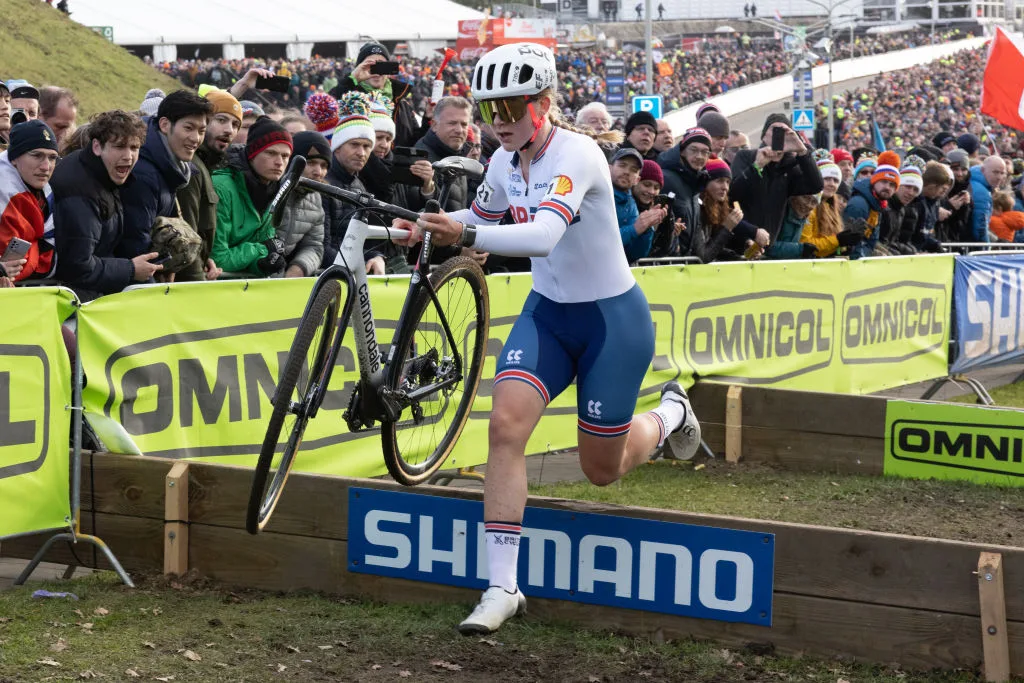
Mastering dismounts in cyclocross can change the way you ride. If you want to move faster, save energy, and handle tricky sections with ease, learning the right technique is key.
You might feel nervous or unsure about when and how to jump off your bike smoothly. But don’t worry — with the right practice, you can make dismounts feel natural and even fun. Keep reading to discover simple tips and proven methods that will boost your confidence and skill every time you hit the course.
Your next race could be your best yet.
Choosing The Right Spot
Choose a spot with clear terrain and easy obstacles. Look for places without loose rocks or sharp turns. The ground should be flat or gently sloping.
Identify obstacles that are safe and suitable for dismounting. Small barriers or low curbs work well. Avoid steep or slippery surfaces that might cause falls.
- Check the landing zone for soft dirt or grass.
- Avoid hard pavement or rocky patches.
- Make sure the area is free from other riders or objects.
Setting up a safe landing zone helps prevent injuries. Clear debris and smooth out bumps. Mark the area if needed for better visibility.
Gear And Bike Setup
Optimal gear ratioshelp you keep speed and control during dismounts. Choose a gear that is neither too hard nor too easy to pedal. A lower gear makes quick stops and starts easier. This helps in smooth dismounts and mounts.
Adjust your bike fit for fast and safe moves. A slightly higher saddle helps quick feet on the ground. Lower handlebars give better balance and control. Make sure your shoes clip in and out easily. This saves time and avoids falls during dismounts.
Step-by-step Dismount Technique
Release your feet from the pedalsat the right time. Begin by taking your dominant footoff the pedal first. Keep the bike stable while doing this. Your other foot should stay on the pedal for balance. Practice this step repeatedly for confidence.
Shift your body over the bike to stay balanced. Keep your weight centeredand low. Look ahead to where you want to go. This helps in maintaining a steady course. Stay relaxed and avoid leaning too much.
Prepare to run as you dismount. Swing your leg over the saddle smoothly. Keep your speed steady to avoid stumbling. As your feet hit the ground, start running immediately. This keeps your momentum going. Practice this to make it feel natural.

Credit: www.bikeradar.com
Drills To Improve Speed And Efficiency
Practicing dismounts slowly helps build controland balance. Move off the bike step by step. This lets you focus on each motion without rushing.
Try timed dismount and remount drills. Use a stopwatch or timer. Aim to get faster with each try. This improves your speedand muscle memory.
Adding obstacles makes practice more realistic. Use small barriers or cones. This helps your body get used to different terrains. It also trains your mind to react quickly.
Common Mistakes To Avoid
Common errors include jumping off too early or grabbing the bike incorrectly. Avoid rushing the dismount to keep control and balance. Practicing smooth movements helps prevent falls and improves overall performance.
Early Or Late Dismounts
Dismounting too earlycan cause loss of speed and balance. Dismounting too latemay lead to awkward landings or crashes. Timing is key for smooth transitions.
Poor Foot Placement
Placing your foot too far or too close to the bike can cause slips. Aim to land with your foot flat and stableon the ground. This helps keep control and prevents falls.
Unstable Body Position
Leaning too far forward or backward makes you lose balance. Keep your body centeredover the bike during dismounts. This position improves control and reduces injuries.

Credit: www.bikeradar.com
Building Confidence Under Pressure
Practicing dismounts helps build confidence. Start in a safe place. Try short sprints on flat ground. Add small obstacles like cones. Pretend it is a real race. Wear your full gear. Feel the pressure. Your heart will beat fast. This is how it feels during a race.
Once you feel confident, make it harder. Use bigger obstacles. Try a hill. Practice in mud or sand. Challenge yourself more each time. Remember, take it slow. Safety is always first. Soon, your dismounts will be smooth and quick. Friends will be impressed. You’ll be ready for any race.
Remount Techniques After Dismount
Quick pedal engagement helps keep your bike moving smoothly. Slide your foot onto the pedal as soon as you remount. This saves time and keeps your speed steady.
Maintaining momentum is key in cyclocross. Try to push off the ground gently while hopping back on. Stay balanced and lean slightly forward to stay stable.
- Keep eyes aheadto spot the best remount spot.
- Practice foot placementto land on pedals quickly.
- Use your armsto guide the bike close to your body.
- Stay relaxedto avoid stiff movements.

Credit: www.bikeradar.com
Frequently Asked Questions
How Do I Start Practicing Cyclocross Dismounts?
Begin by mastering smooth bike control at slow speeds. Practice swinging one leg over the saddle while stopping. Repeat on grass or soft terrain to build confidence and balance before advancing to race-like conditions.
What Common Mistakes Should I Avoid During Dismounts?
Avoid dismounting too early or too late, which disrupts momentum. Don’t forget to unclip one foot first. Keep your eyes forward and maintain a relaxed upper body to prevent falls.
How Can I Improve Dismount Speed Safely?
Focus on repetitive drills with gradual speed increases. Use cones or markers to simulate race scenarios. Always prioritize control and smooth transitions over raw speed to reduce injury risk.
When Should I Remount After A Dismount In Cyclocross?
Remount promptly once you clear the obstacle or run section. Aim to hop back on while maintaining forward momentum. Practice timing to ensure a quick and efficient return to cycling.
Conclusion
Practicing dismounts in cyclocross takes time and patience. Start slow and focus on smooth movements. Repeat often to build confidence and skill. Use safe places to practice without pressure. Watch how experienced riders do it. Small improvements add up fast.
Keep your bike control steady and your body relaxed. Soon, dismounts will feel natural and quick. Stay consistent and enjoy the progress you make. This skill helps you ride better and faster in races. Keep practicing and trust the process.



