
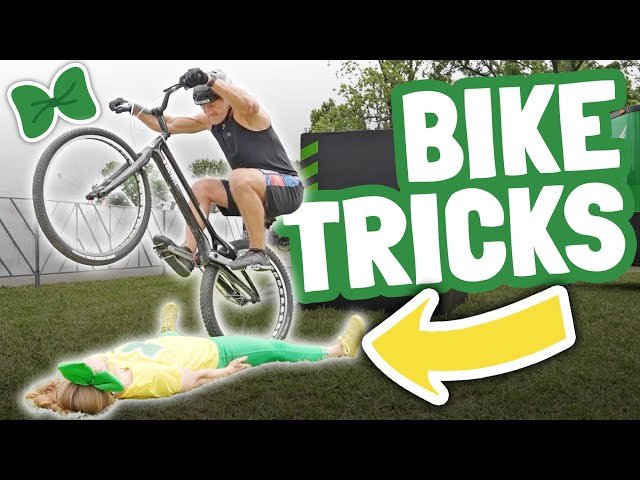
Are you ready to take your BMX skills to the next level? Learning new tricks can be both exciting and challenging, but with the right practice, you’ll see yourself improving faster than you think.
This guide will help you understand how to practice BMX tricks safely and effectively, so you can impress your friends and feel more confident on your bike. Stick with me, and by the end, you’ll have simple steps to master those moves you’ve been dreaming about.
Let’s get started!
Choosing The Right Bmx Bike
BMX bikes for beginners usually come in three types: freestyle, race, and cruiser. Freestyle bikes are best for tricks and stunts. Race bikes are light and fast, made for tracks. Cruiser bikes have bigger wheels and are good for comfort and casual rides.
Look for these essential features:
- Strong frame:Steel or aluminum frames last longer.
- Good brakes:Reliable brakes help control speed.
- Proper wheel size:Most teens prefer 20-inch wheels.
- Comfortable seat:Helps during long practice sessions.
Choosing the right safety gearkeeps you safe:
- Helmet:A must-have to protect your head.
- Knee and elbow pads:Help avoid scrapes and bruises.
- Gloves:Improve grip and protect your hands.
- Proper shoes:Closed-toe and flat-soled shoes work best.
Basic Bmx Tricks To Start With
Manuals and wheelieshelp with balance and control on the bike. To do a manual, lift the front wheel and keep riding without pedaling. Wheelies are similar but require pedaling while the front wheel is up.
Bunny hopsteach how to jump with the bike. Both wheels leave the ground at the same time. It helps with jumping over small obstacles and improves bike handling.
Simple turns and dropsbuild confidence in steering and riding off ledges. Practice tight turns by leaning the bike gently. Drops are small jumps off curbs or ramps, useful for learning to land safely.
Setting Up A Practice Routine
Warm-up exercisesprepare your body for BMX tricks. Start with light jogging or jumping rope for 5 minutes. Stretch your arms, legs, and back to avoid injuries. Wrist and ankle rotations help increase flexibility. Spend at least 10 minutes warming up before practice.
A daily practice schedulekeeps you consistent. Practice BMX tricks for 30 to 60 minutes each day. Split your time between learning new tricks and improving old ones. Rest for short breaks to avoid fatigue. Regular practice builds strength and skill over time.
| Day | Focus | Duration |
|---|---|---|
| Monday | Basic tricks and balance | 45 minutes |
| Tuesday | Jumping and landing techniques | 45 minutes |
| Wednesday | Rest or light stretching | 20 minutes |
| Thursday | Advanced tricks practice | 60 minutes |
| Friday | Speed and control drills | 45 minutes |
| Saturday | Freestyle riding | 60 minutes |
| Sunday | Rest and recovery | — |
Tracking progresshelps you see improvement. Keep a journal or use a simple app. Write down which tricks you practiced and for how long. Note what feels easy or hard. Watch videos of your practice to spot mistakes and successes. This keeps motivation high.
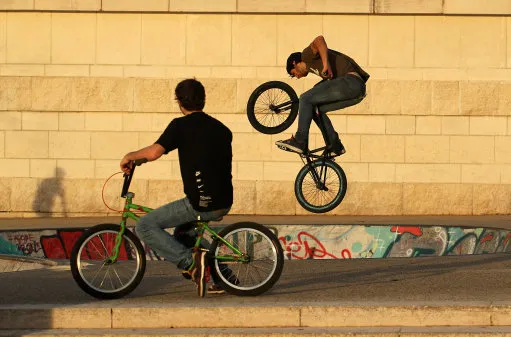
Credit: www.bikeradar.com
Improving Balance And Coordination
Balance drills help improve stability on the bike. Practice standing on one foot for 30 seconds. Switch feet and repeat. Try walking along a straight line to sharpen your balance. Use a balance board to challenge yourself further.
Coordination exercises train your body to work smoothly. Catch and throw a ball while standing still. Jump rope to improve timing and rhythm. Tap your knees and shoulders alternately to build control.
| Core Strength Training | Exercises |
|---|---|
| Plank | Hold a plank position for 20-30 seconds. Repeat 3 times. |
| Leg Raises | Lie on your back and lift legs slowly. Do 10 reps. |
| Superman | Lie on stomach and lift arms and legs. Hold 15 seconds. |
Advanced Tricks And Techniques
Spins and flipsrequire balance and timing. Start with small rotations like 180 or 360 spins. Practice on flat ground before trying ramps. For flips, build confidence by mastering bunny hops and jumps. Always wear safety gear.
Grinds and slidesneed a smooth surface like rails or ledges. Approach the object slowly. Keep your balance by bending knees and leaning slightly forward. Use your bike’s pegs to slide along edges. Practice stopping safely after the grind.
Combining tricks smoothlymeans linking moves without stopping. Try spinning after a jump or grinding after a slide. Plan your moves ahead to flow naturally. Practice transitions in small steps. This helps make tricks look cool and effortless.

Credit: www.youtube.com
Common Mistakes To Avoid
BMX tricks are fun, but too much practice can cause harm. Muscles need rest to grow and heal. Overtraining can lead to injuries. Take breaks to avoid muscle strains. Listen to your body; it knows when to stop. Balance practice with rest for better results.
Safety is very important in BMX riding. Always wear a helmet and pads. These protect you from falls and crashes. Check your bike before riding. Make sure the brakes work well. Keep your bike in good shape to stay safe. Safety first, always.
Using the wrong technique can make tricks harder. Learn from a coach or watch tutorials. Practice the basics until they’re perfect. Bad habits are hard to fix later. Start with the right techniques. This makes tricks easier and safer.
Finding The Best Practice Spots
Choose flat, smooth areas with enough space to try new BMX tricks safely. Parks and empty parking lots often work well. Quiet spots help focus without distractions or crowds.
Local skate parks are great for learning BMX tricks. They have ramps and rails. These spots are safe and designed for bikes. You can meet other BMX riders and learn from them. It’s a fun place to improve your skills. Always wear a helmet for safety. Street spots have many options for practice. Find a quiet street with curbs and benches. Practice basic tricks like jumps and spins. Look for empty parking lots. They are great for riding and learning new moves. Be careful and watch for traffic. A small space at home can work well. Use old plywood to create ramps. A flat surface is good for balance tricks. Practice safely in your backyard. Invite friends to ride and learn together. Keep the area clean and safe for riding. `
Credit: www.origym.co.uk
Joining Bmx Communities
Joining BMX communities helps teens share tips and learn new tricks together. Friends can offer support and motivate each other to practice regularly. Being part of a group builds confidence and makes learning BMX tricks more fun.
Benefits Of Group Practice
Group practicehelps teens learn new BMX tricks faster. Riding with others builds confidenceand makes practice fun. Friends can give tipsand cheer each other on. It also helps with motivation, so riders keep improving. Sharing bikes and tools saves money. Safety is better too. Watching others ride teaches new skillsand styles.
Online Bmx Forums
Online forums connect teens with riders worldwide. They can ask questions and share videos. Forums have how-to guides, trick ideas, and bike advice. Riders get support from many levels, from beginners to pros. It’s a great place to find local BMX spots and events.
Attending Bmx Events
BMX events offer chances to watch and learn. Teens meet riders with different skills. Events may have contests, workshops, and demos. This helps teens see tricks in action and meet new friends. It’s also a way to feel part of the BMX community.
Frequently Asked Questions
What Basic Bmx Tricks Should Teens Learn First?
Teens should start with simple tricks like bunny hops, manuals, and tire taps. These build balance and control, essential for progressing safely.
How Often Should Teens Practice Bmx Tricks?
Practice 3-4 times weekly for steady improvement. Consistency helps develop muscle memory and confidence while reducing injury risks.
What Safety Gear Is Essential For Bmx Practice?
Wearing a helmet, knee pads, elbow pads, and gloves is vital. Proper gear protects teens from common BMX injuries.
How Can Teens Improve Bmx Trick Skills Faster?
Recording practice sessions and reviewing them helps spot errors. Also, watching tutorials and practicing with peers boosts learning speed.
Conclusion
Practicing BMX tricks takes time and patience. Start slow and focus on safety first. Repeat each move until it feels natural and smooth. Watch videos and learn from others to improve. Remember, falling is part of learning—get back up and try again.
Have fun and enjoy the ride every day. Keep practicing, and your skills will grow step by step. BMX is about passion and persistence. Stay motivated and never give up.



