
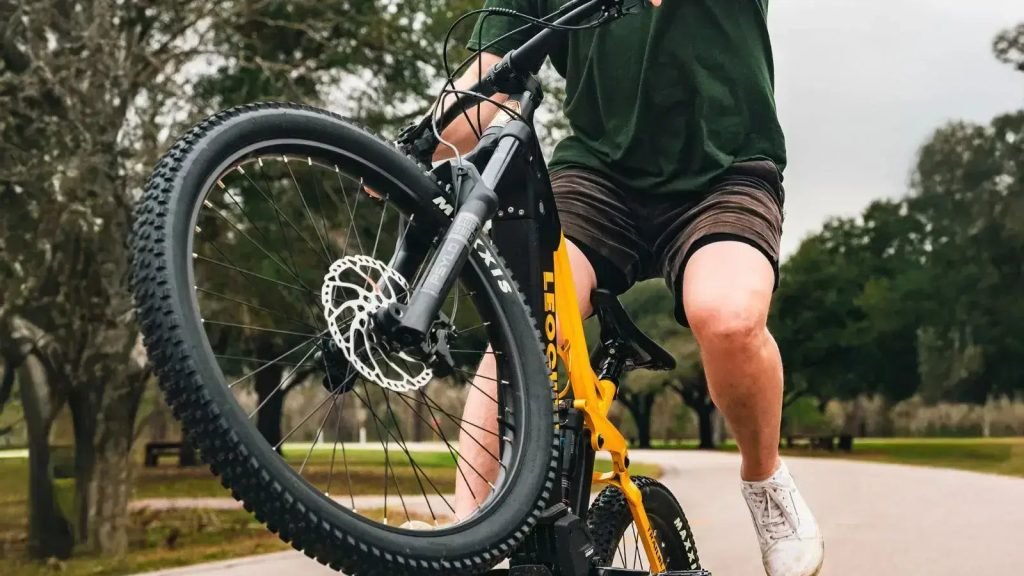
Planning trails for electric mountain biking can change the way you experience the outdoors. Whether you’re a rider looking to create your own path or someone managing a trail system, understanding the key factors can make all the difference.
You want trails that are exciting but safe, challenging but enjoyable. This guide will help you design routes that match your riding style and electric bike’s capabilities. Keep reading to discover tips that will make your trail planning easier and your rides more thrilling.
Choosing The Right Location
Choosing the right locationis key for electric mountain biking trails. The terrain must suit both riders and bikes. Rocky or steep paths can be tough but fun for skilled riders. Flat or gentle slopes are easier and good for beginners.
Accessibility matters a lot. Trails near roads or parking spots help riders start quickly. Good access means more people can enjoy the trails. Public transport nearby is also a big plus.
| Terrain Type | Suitability | Example |
|---|---|---|
| Rocky | Challenging, requires skill | Mountain peaks |
| Flat | Easy, good for beginners | Forest paths |
| Steep | Hard, exciting for experts | Hillsides |
Think about the environment too. Avoid places with rare plants or animals. Trails should not cause soil erosion or water pollution. Respect nature to keep it safe for the future.
Trail Design Principles
Trail design must find a good balance between challengeand safety. Trails should push riders but avoid risks that cause injury. Clear signs and smooth surfaces help keep riders safe.
Good trails have flow and rhythm. This means the path feels natural and fun. Curves, rises, and drops should connect smoothly. Riders enjoy trails that keep moving without sudden stops.
Planning trails for different skill levelsis important. Easy paths suit beginners with gentle slopes and wide turns. Harder trails can have steep climbs and tricky rocks. This way, everyone can enjoy riding.
Integrating E-mtb Features
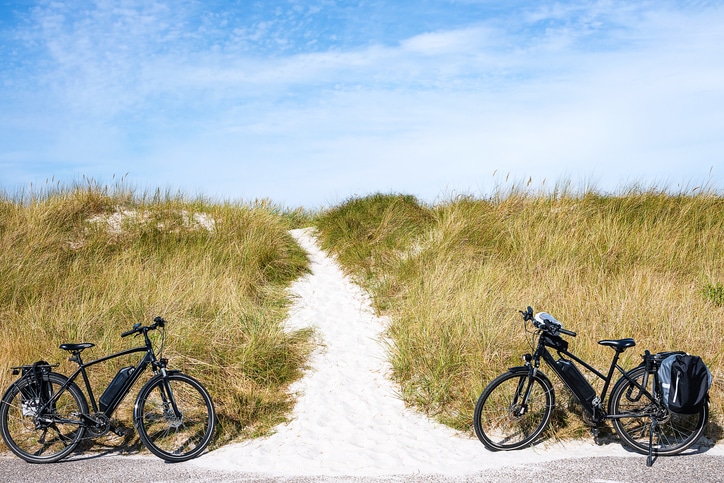
Battery range is key for electric mountain biking trails. Trails should match the average battery life of e-MTBs. Shorter trails help riders finish without running out of power. Steep climbs use more battery, so design gentler slopes when possible. Mixing flat and hilly sections balances battery use.
Charging stations can extend ride time. Place them at trailheads or rest spots. They should be easy to reach and safe. Riders can recharge while taking breaks. This keeps the trail accessible for longer rides.
| Trail Feature | Design Tip | Benefit |
|---|---|---|
| Trail Length | Match average battery life (20-40 miles) | Prevents power loss before end |
| Elevation | Include moderate climbs, avoid steep slopes | Conserves battery power |
| Charging Stations | Install at key resting points | Extends ride duration |
Credit: electrifiedebikes.com
Trail Construction Techniques
Choose sustainable materials for trail building. Use recycled wood or local stones. Avoid harmful chemicals. These choices protect nature. They also last longer. Sustainable trails help the planet.
Proper drainage keeps trails dry. Water can damage trails. Build small channels beside paths. They guide water away. Use rocks to slow water down. This prevents erosion. Erosion makes trails unsafe. Protect trails with good planning.
Durable surfaces make trails strong. Use gravel or packed dirt. Smooth surfaces help bikes. Avoid soft, muddy areas. Hard trails last longer. They need less repair. Good surfaces keep bikers safe.
Safety And Signage
Marking trail difficultyhelps riders choose the right path. Use clear color codes or symbols to show easy, medium, and hard trails. This keeps everyone safe and happy.
Installing warning signsis key near tricky spots. Signs must be easy to read and placed where riders can see them early. This prevents accidents and guides riders safely.
Emergency access planningmeans making sure help can arrive fast if needed. Design trails with clear access points for rescue teams. Keep paths wide enough for emergency vehicles.
Maintenance And Monitoring
Regular trail inspections help find problems early. Look for loose soil, broken branches, or damaged signs. Check for erosion or muddy spots that need fixing. Inspections keep trails safe and enjoyable for everyone.
Wear and tear happens fast on busy trails. Fix small damages before they get worse. Use strong materials to rebuild paths. Keep trails smooth to avoid bike damage. Repair helps trails last longer.
The E-MTB community plays a big role. Riders can report trail problems quickly. Volunteers can help with repairs and cleanups. Sharing tips and feedback makes the trails better for all.
Legal And Regulatory Considerations
Before riding, get the necessary permits. Check with local authorities. They will guide you on the permit process. Permits help keep trails safe. Always carry your permit during rides. It ensures you are following the rules.
Every place has different rules. Know the local regulations before biking. Some trails may have restrictions. Stay on marked paths. This helps protect nature. Respect signs and markers. They are there for your safety.
Talk with local communities. They are important stakeholders. Listen to their concerns. It helps build good relationships. Join meetings or groups. Share your ideas and plans. Working together makes trails better for everyone.

Credit: leoguarbikes.com
Promoting The Trail
Creating online resourceshelps riders find trail info easily. Maps, photos, and descriptions make trails clear. Websites and apps keep info updated fast. Sharing safety tips and trail rules online guides new riders well.
Hosting events and ridesbrings the community together. Group rides create fun and show trail features. Events can teach trail care and safe riding. Local clubs and shops often help plan these activities.
Gathering user feedbackimproves trail quality. Surveys and comment forms collect rider ideas and concerns. Listening to users helps fix problems quickly. Feedback also shows which parts riders enjoy most.
Credit: www.hovsco.com
Frequently Asked Questions
How Do I Choose The Best Trails For Electric Mountain Biking?
Select trails suited for e-MTBs with moderate gradients and durable surfaces. Avoid overly technical or steep paths to ensure safety and battery efficiency.
What Safety Gear Is Essential For Electric Mountain Biking?
Always wear a helmet, gloves, and protective eyewear. Consider knee and elbow pads for extra protection during e-MTB rides.
How Can I Plan Battery Usage On Long E-mtb Trails?
Estimate trail length and terrain difficulty. Carry a fully charged battery and plan for power-saving modes to extend ride time.
Are There Specific Trail Rules For Electric Mountain Bikes?
Check local regulations, as some trails restrict e-MTB access. Respect trail signs and yield to non-motorized riders to maintain harmony.
Conclusion
Planning trails for electric mountain biking takes thought and care. Choose routes that match your skill and bike type. Keep safety and fun as top priorities. Respect nature and avoid harming plants or animals. Test your trail ideas before final use.
Trail planning helps you enjoy riding more and stay safe. Start small, learn, and improve your trails over time. This way, every ride becomes a great adventure.



