
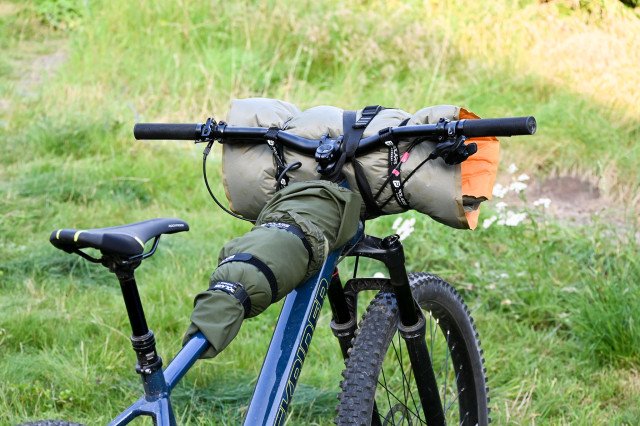
Planning a bikepacking trip doesn’t have to drain your wallet or leave you stressed. Imagine hitting the road with your bike, gear, and a clear plan that keeps your costs low while maximizing your adventure.
You might wonder how to make this happen without spending a fortune or missing out on the fun. This guide will walk you through simple, practical steps to plan budget-friendly bikepacking trips. By the end, you’ll feel confident and ready to explore new places without breaking the bank.
Ready to discover how to make your next bikepacking trip affordable and unforgettable? Keep reading.
Choosing Affordable Destinations
Planning a budget bikepacking trip starts with picking the right place. Affordable destinations help you save money and enjoy your adventure.
Look for spots that offer good trails, camping options, and low costs. This way, you can have fun without spending too much.
Local Trails And Parks
Local trails and parks are great for budget trips. They often have no entrance fees or low costs. You can explore nature nearby without traveling far.
These areas usually have well-marked routes and safe camping spots. They are easy to reach and good for short trips or weekend adventures.
- Check city or state parks around your home
- Look for bike-friendly trails and paths
- Find free or low-cost camping areas inside the parks
Off-season Advantages
Traveling during off-season saves money on lodging and permits. Places are less crowded, so you have more space on trails and campsites.
Weather may be cooler or wetter, but careful planning helps you avoid problems. Off-season trips often mean discounts and quiet spots.
- Look for shoulder seasons in popular areas
- Check local weather and trail conditions
- Book campsites or permits early for best deals
Budget-friendly Camping Spots
Camping keeps costs low on bikepacking trips. Choose spots that allow tent camping for little or no fee. Avoid pricey RV parks or cabins.
National forests, wildlife areas, and some state parks offer affordable camping. Look for dispersed camping or simple campgrounds with basic facilities.
- Search for free or low-cost campsites near your route
- Use apps or websites that list budget camping options
- Respect rules and leave no trace to keep spots open

Credit: bikepacking.com
Selecting The Right Bike
Choosing the right bike is the first step for a successful bikepacking trip. Your bike must be reliable and fit your budget.
Think about how you will use the bike and what kind of terrain you will ride on before buying.
Budget Vs. Performance
Bikepacking bikes come in many prices. Cheaper bikes may lack some features but can still work well.
Expensive bikes often have lighter parts and better materials. These improve comfort and speed but cost more.
- Set a budget before shopping
- Focus on durability over fancy features
- Look for a bike that fits your riding style
Used And Refurbished Options
Used bikes can save money and still be in good shape. Check for damage and worn parts carefully.
Refurbished bikes are fixed and tested by shops. They often come with a short warranty and are safer to buy.
- Inspect brakes and gears
- Check tires and wheels for wear
- Ask for maintenance records if possible
Essential Bike Features For Bikepacking
Some bike features help you carry gear and ride long distances comfortably. Look for these before buying.
- Strong frame to carry extra weight
- Mounts for racks and bags
- Wide tires for rough roads
- Comfortable saddle and handlebars
- Reliable brakes for safety
Packing Light And Smart
Bikepacking trips need careful packing to keep weight low. Carry only what you truly need for safety and comfort.
Smart packing saves space and makes your ride easier. Think about what items serve multiple purposes.
Essential Gear Only
Bring gear that is necessary for survival and basic needs. Avoid extra items that add weight but no real value.
Focus on items like a reliable bike repair kit, weather protection, and a lightweight shelter. Leave behind non-essential gadgets.
- Bike repair tools and spare parts
- Water bottle or hydration system
- Lightweight tent or bivy sack
- Compact sleeping bag and mat
- Weather-appropriate clothing
- Food and cooking supplies
Multi-purpose Items
Choose items that do more than one job. This reduces the number of things you carry.
For example, a bandana can serve as a towel, sun shield, or pot holder. A jacket can keep you warm and block wind.
- Cooking pot that doubles as a bowl
- Multi-tool with knife and screwdrivers
- Clothing layers that work in different weather
- Dry bags that protect gear and organize items
Diy Vs. Store-bought Equipment
DIY gear can save money and fit your needs exactly. It may be lighter but needs careful making.
Store-bought items often offer better durability and tested designs. Choose items with good reviews and lightweight materials.
- DIY: Customized bike racks, homemade food kits
- Store-bought: Ultralight tents, compact stoves
- Balance cost, weight, and reliability for each item
Planning Your Route
Planning your bikepacking route helps you save money and enjoy the trip. It guides you to safe and affordable places to stop.
Good route planning also keeps your daily rides manageable. Use maps and apps to find the best paths for your journey.
Mapping Low-cost Stops
Look for places where you can rest without spending much. Public parks, free campgrounds, and community centers are great options.
- Check online forums for free camping spots
- Use apps that list low-cost hostels or shelters
- Plan stops near grocery stores to save on food
- Visit libraries or community centers for rest and wifi
Avoiding Toll Roads And Paid Trails
Choose routes that do not charge fees. Toll roads and paid trails add extra costs and may not be bike-friendly.
Use map apps to filter out toll roads. Look for bike paths and quiet roads that are free to use.
- Check local bike maps for free routes
- Use satellite view to spot trails and paths
- Ask locals or online groups for advice
- Plan detours that add little extra distance
Estimating Daily Distances
Set daily distance goals based on your fitness and bike load. Too long days cause fatigue and slow you down.
| Rider Type | Distance per Day | Notes |
| Beginner | 20-30 miles | Easy pace, many breaks |
| Intermediate | 30-50 miles | Moderate pace, some hills |
| Experienced | 50-70 miles | Fast pace, loaded bike |
Adjust your plan if the route has tough terrain or bad weather. Always keep some extra time for rest.
Saving On Food And Supplies
Bikepacking trips can be fun and affordable. Planning your food and supplies helps save money. You do not need expensive gear or meals to enjoy the trip.
This guide shares tips to keep costs low while eating well. You will learn how to choose between cooking and eating out. Find affordable meal ideas and ways to resupply on the road.
Cooking Vs. Eating Out
Cooking your own meals saves money compared to eating at restaurants. You control what you eat and avoid high prices. Cooking also lets you use simple, lightweight gear.
- Bring a small stove and lightweight pots
- Choose easy recipes that need few ingredients
- Eat out only for special treats or emergencies
- Cook meals that store well for later
Affordable And Nutritious Meal Ideas
Good food gives energy for long rides. You do not need expensive or fresh food every day. Choose foods that last and provide nutrition.
| Food | Benefits | Storage |
| Oats | High energy, easy to cook | Dry and sealed |
| Rice | Fills you up, cheap | Dry and sealed |
| Peanut Butter | Protein and fat | Jar or packets |
| Dried Fruits | Sweet energy, vitamins | Sealed bags |
| Canned Beans | Protein and fiber | Light cans or pouches |
Resupplying On The Road
Plan stops in towns or stores along your route. Buy only what you need to avoid waste and extra weight. Use local markets for fresh and cheap supplies.
- Check maps for grocery stores nearby
- Buy small amounts to keep your pack light
- Look for bulk bins and local produce
- Carry refillable water bottles to save money

Credit: www.reddit.com
Managing Accommodation Costs
Keeping accommodation costs low is key for budget bikepacking trips. Choosing the right places to stay saves money and adds to your adventure.
There are many affordable options like camping, hostels, and community stays. Each choice offers a unique way to experience new places.
Camping Options
Camping is the cheapest way to stay overnight. You can camp in public parks, forests, or designated campgrounds. Many places allow free or low-cost camping.
- Carry a lightweight tent or hammock
- Look for free camping sites in national parks
- Use apps to find local camping spots
- Follow local rules and leave no trace
Hostels And Budget Lodging
Hostels offer affordable rooms and a chance to meet other travelers. They often provide kitchens, so you can cook your own meals and save more.
| Type | Average Cost | Features |
| Shared Dormitory | $10–$20 per night | Shared rooms, communal kitchen |
| Private Room | $25–$40 per night | More privacy, sometimes with bathroom |
| Camping Hostel | $5–$15 per night | Outdoor camping area, basic facilities |
Couchsurfing And Community Stays
Couchsurfing connects you with hosts who offer free stays. Community stays help you save money and meet locals. Both need respect and good communication.
- Create a clear profile on hosting platforms
- Send polite and detailed requests to hosts
- Share your plans and interests openly
- Always thank your host and follow house rules
Maintaining Your Bike On A Budget
Keeping your bike in good shape saves money during bikepacking trips. Regular care prevents big repairs.
Learning simple maintenance skills helps you fix issues on the road. It keeps your bike reliable.
Basic Repair Skills
Know how to fix common problems like flat tires and loose chains. These skills reduce stops and costs.
Practice patching tubes and adjusting brakes before your trip. This makes you more confident outdoors.
- Fix flat tires with patch kits or new tubes
- Adjust brake pads for safe stopping
- Tighten loose bolts and screws
- Lubricate chain to avoid rust
Affordable Tools And Spare Parts
Carry only essential tools to save space and money. Choose multi-tools that combine many functions.
Buy spare parts like tubes and brake pads in advance. Look for deals or secondhand options to cut costs.
- Multi-tool with screwdrivers and wrenches
- Tire levers for changing tubes
- Patch kit for quick fixes
- Spare inner tubes matching your tires
- Small bottle of chain lubricant
Finding Local Repair Shops
Look for bike shops near your route for help. They offer repairs you cannot do yourself.
Visit shops before your trip to check prices and services. Local knowledge can save time and money.
- Search online for bike shops along your path
- Ask locals or other cyclists for recommendations
- Keep shop contacts handy on your phone
- Use shops for major repairs or parts replacement
Safety And Emergency Planning
Planning a budget bikepacking trip means thinking about safety first. Being ready for emergencies can save your trip and your life.
Simple safety steps help you avoid big problems. Always carry basic tools and know what to do if something goes wrong.
First Aid Basics
Knowing basic first aid helps you handle small injuries on the road. Carry a small first aid kit with you.
Learn how to clean cuts, treat blisters, and manage sprains. This knowledge can prevent small injuries from getting worse.
- Bandages and antiseptic wipes
- Pain relievers and allergy medicine
- Tweezers and scissors
- Instructions for basic care
Emergency Contacts And Communication
Keep a list of emergency contacts on you. This includes family, friends, and local emergency numbers.
Use a phone that works in the areas you visit. Consider a backup battery or a power bank to stay connected.
- Write down emergency phone numbers
- Tell someone your route and schedule
- Use apps for offline maps and messages
- Carry a whistle or signal device
Travel Insurance Options
Travel insurance helps cover costs if you get hurt or lose gear. Look for plans that cover bikepacking activities.
Check what each insurance plan covers. Some include medical help, trip cancellation, or equipment loss.
- Medical emergencies and hospital stays
- Trip delays and cancellations
- Lost or stolen equipment coverage
- Emergency evacuation
Maximizing Fun Without Overspending
Bikepacking trips can be exciting and budget-friendly. You do not need to spend a lot to enjoy your ride.
Planning smart helps you find fun activities and meet new people without overspending. This guide shows you how.
Free And Low-cost Activities
Look for activities that cost little or nothing. Nature offers many free options for fun and exercise.
- Hiking nearby trails
- Swimming in natural lakes or rivers
- Camping at free or low-cost sites
- Exploring local parks and viewpoints
- Watching wildlife or birdwatching
Connecting With Local Communities
Meeting locals makes your trip richer and more affordable. They can share tips and places to visit.
| Way to Connect | Benefit |
| Visit local markets | Find fresh food and crafts |
| Attend community events | Learn about culture and customs |
| Talk to shop owners | Get advice on routes and stays |
| Join local bike groups | Meet riders and share stories |
Documenting Your Journey
Keeping a record of your trip helps you remember details and share your adventure with friends.
Try these simple ways to document your trip:
- Take photos of places and people
- Write short notes about your daily rides
- Use a free app to track your route
- Record quick voice memos on your phone

Credit: www.reddit.com
Frequently Asked Questions
What Is Bikepacking And How Is It Budget-friendly?
Bikepacking combines biking and camping for long trips. It’s budget-friendly by using affordable gear, camping instead of hotels, and cooking your own meals, which saves money on lodging and food.
How To Choose The Best Budget Bikepacking Gear?
Focus on lightweight, durable, and multi-purpose gear. Prioritize essentials like a reliable bike, basic camping kit, and repair tools. Look for used or discounted items to save money without sacrificing quality.
How To Plan A Cost-effective Bikepacking Route?
Select routes with free or low-cost campsites. Avoid high-traffic tourist spots that inflate prices. Use online maps and local advice to find scenic, safe, and budget-friendly trails.
What Are Money-saving Tips For Bikepacking Trips?
Pack food and cook meals to avoid eating out. Use free camping sites or wild camp legally. Carry essential repair tools to fix minor bike issues yourself and prevent costly repairs.
Conclusion
Planning budget bikepacking trips doesn’t have to be hard. Start with a clear plan and stick to it. Choose affordable routes and campsites. Use gear you already own or borrow. Pack lightweight to save energy and space. Cook your meals to cut costs.
Enjoy nature’s free attractions along the way. Remember, the journey matters more than the destination. With these simple tips, you can bikepack without breaking the bank. Adventure awaits on every trail. Embrace the freedom of the open road. Happy bikepacking!



