
Picture this: it’s race day, and you’re ready to dominate the track. But there’s one crucial element that can make or break your performance—your tires.
Choosing the right tires isn’t just about speed; it’s about safety, strategy, and seizing every advantage. Do you want to ensure you’re not just competing but actually leading the pack? Imagine the confidence and thrill of knowing you’ve made the perfect choice, tailored to your race day conditions.
By understanding how to pick the best tires, you’re setting yourself up for success before you even start your engine. Ready to dive into the details that could propel you to victory? Let’s ensure your tires are the secret weapon in your racing arsenal.
Understanding Tire Types
Choosing the right tires for race day is essential for performance and safety. Consider track conditions and weather to select suitable tires. Understand the differences between slicks and treaded tires to make an informed choice.
Slicks Vs. Treaded Tires
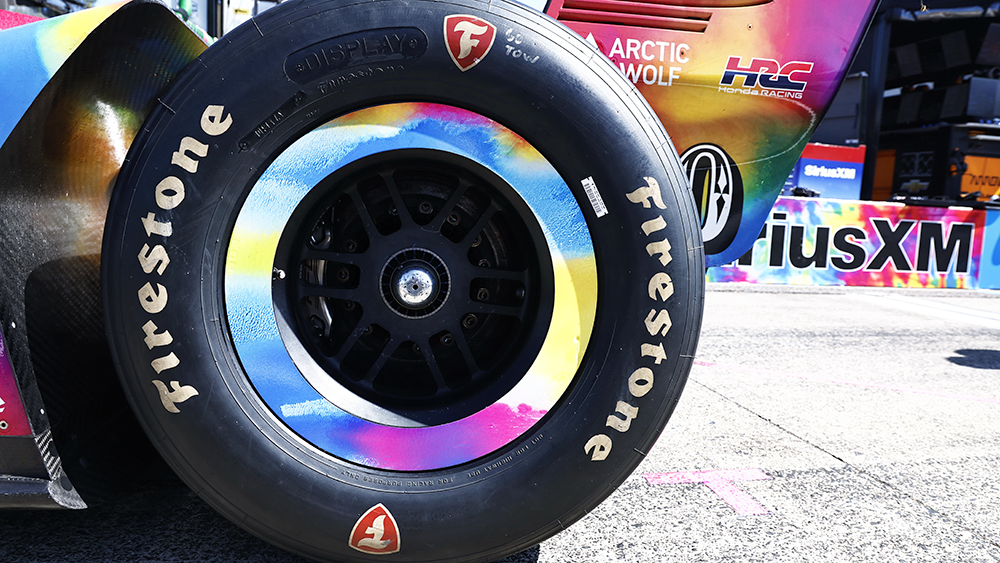
Slick tires are smooth. They offer the best grip on dry roads. Race cars often use slicks. Treaded tires have grooves. They are better for wet roads. Treaded tires handle rain well. Choose slicks for speed. Pick treaded for safety in rain.
Rain Tires For Wet Conditions
Rain tires are special. They have deep grooves. These grooves push water away. Race day can be wet. Rain tires help avoid slipping. Always check the weather. Wet roads need rain tires. They keep racers safe.
All-season Vs. Summer Tires
All-season tires work in all weather. They are good for everyday driving. Summer tires are better for hot days. Race cars need summer tires for speed. All-season tires are not fast. Choose based on the season. Summer tires are for warm tracks.
Credit: www.indycar.com
Evaluating Track Conditions
Weather plays a big role in tire choice. Rain makes tracks slippery, needing tires with better grip. Dry weather allows for faster tires. Always check the weather forecast before choosing tires.
Track surfaces can be smooth or rough. Smooth tracks need tires with strong grip. Rough surfaces can wear out tires quickly. Choose tires that balance grip and durability.
Temperature affects tire performance. Hot surfaces can make tires wear out faster. Cool surfaces might need softer tires for better grip. Always test tire performance in different temperatures before race day.
Tire Size And Fitment
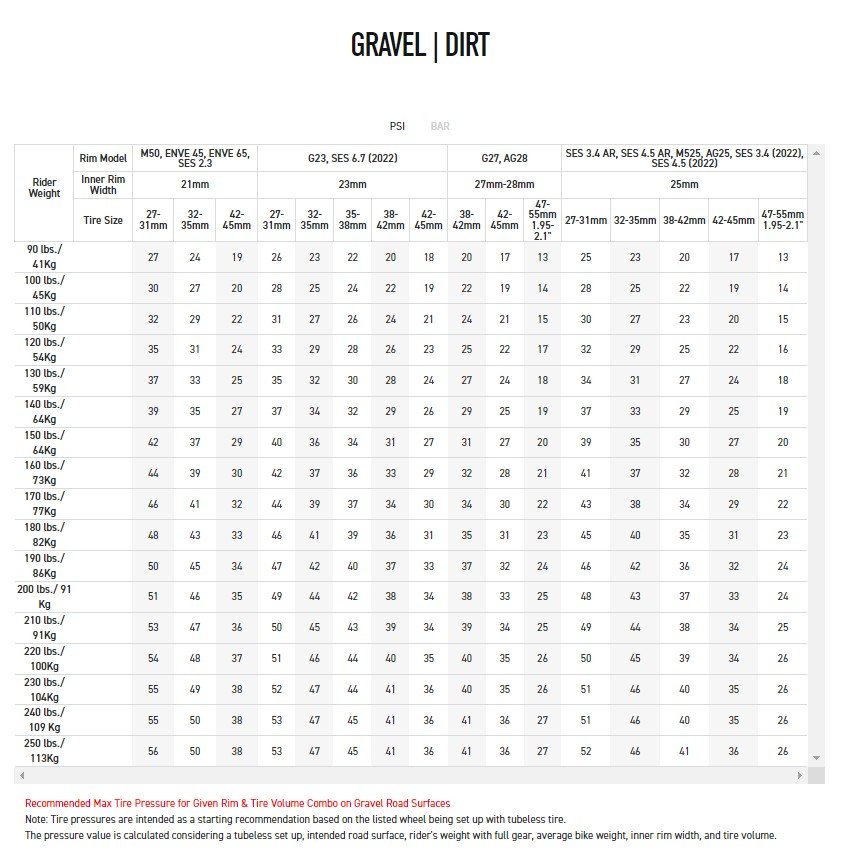
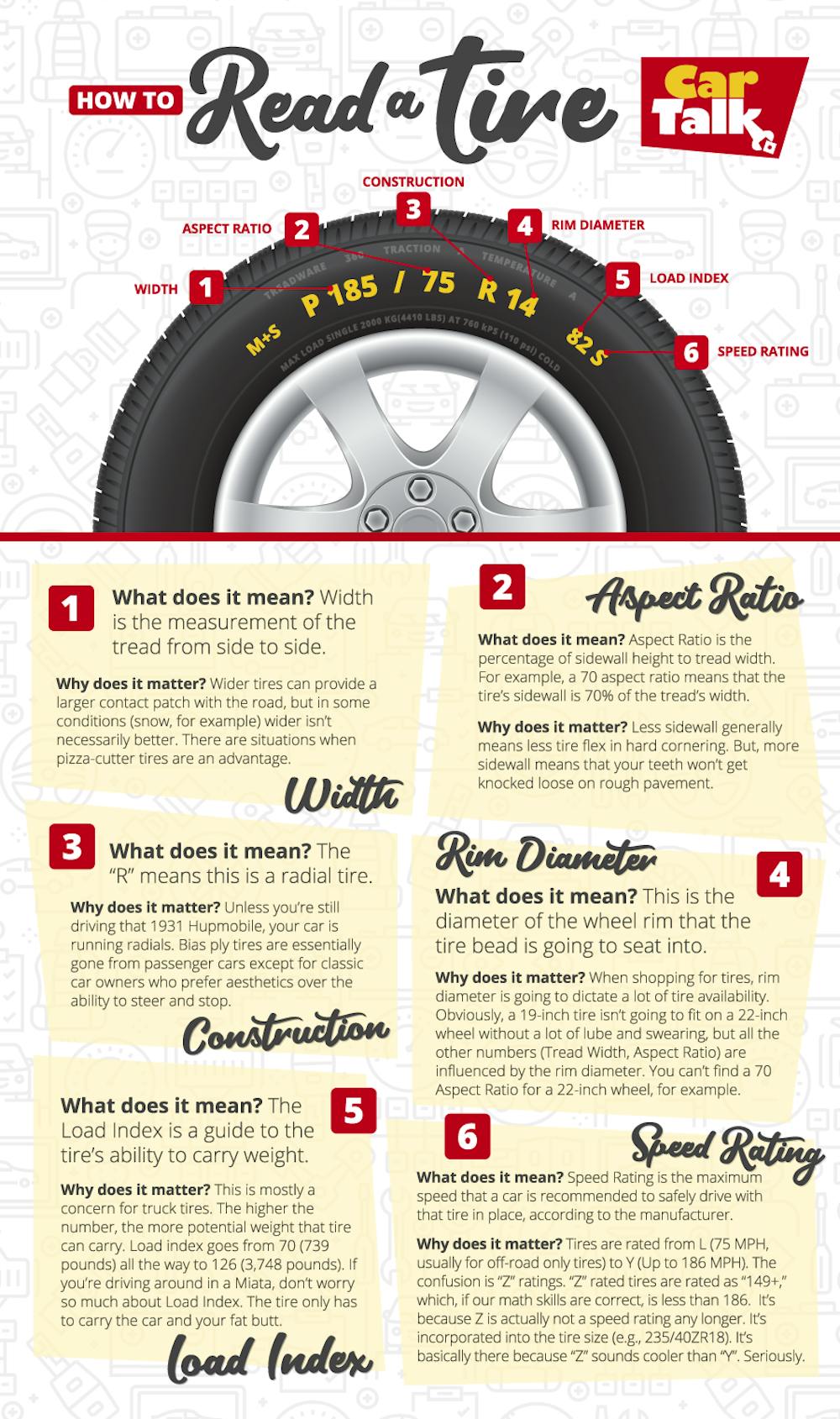
Width affects grip on the road. Wider tires offer more grip. Narrow tires may be better in wet conditions. Choose the width that fits your car and driving style. Check your car manual for recommended tire width.
Aspect ratio shows tire height compared to width. Low aspect ratio tires look sporty. High aspect ratio tires offer more comfort. Pick the right ratio for your needs. Look at your car’s specifications.
Rim size must match tire size. Check the diameter and width of your rims. Make sure tires fit on your rims properly. Incorrect fit can cause safety issues. Always ensure rim and tire compatibility.

Credit: www.bikeradar.com
Compound Selection
Choosing between softand hardcompounds is crucial. Soft compounds offer better grip. They help cars corner faster. Hard compounds last longer on the track. They are better for long races. Soft tires are perfect for short sprints. They wear out quickly.
Balancing longevityand performanceis key. High performance tires deliver speed. They might not last long. Longevity tires endure more laps. They might be slower. Racers must choose wisely. It depends on race length.
Heat tolerancematters for tire choice. Soft tires heat up fast. Hard tires tolerate more heat. Track temperature affects performance. Hot tracks need special tires. Cool tracks need different tires. Always check weather forecasts.
Balancing And Alignment
Choosing the right tires for race day requires careful balancing and alignment. Proper alignment ensures even tire wear and optimal performance. Balancing helps avoid vibrations and provides a smoother ride on the track.
Ensuring Proper Balance
Balanced tires help the car move smoothly. If tires are not balanced, the car may shake. This can make driving hard and unsafe. Balance is checked using special machines. Balanced tires wear out evenly and last longer. Proper balance saves money and helps in safe driving.
Alignment Techniques
Alignment means tires point in the right direction. If tires are misaligned, the car may pull to one side. Regular checks keep alignment correct. Adjusting alignment ensures tires wear evenly. This makes driving safer and more comfortable.
Impact On Tire Wear
Misaligned or unbalanced tires wear out fast. This means you need new tires sooner. Proper alignment and balance make tires last longer. Even tire wear keeps the car running well. This helps in better race performance.
Credit: www.cartalk.com
Expert Recommendations
Choosing the right tires for race day boosts performance and safety. Consider track conditions, weather, and tire compounds. Consult experts for tailored recommendations based on your vehicle and racing style.
Popular Tire Brands
Michelinis well-known for its racing tires. Many racers trust them. Goodyearoffers durable options. They are good for long races. Pirelliprovides high grip tires. These are ideal for fast tracks. Always check reviews before buying tires. Brands offer different models. Choose based on your needs.
Professional Insights
Experts suggest checking tire size. Size affects speed and handling. Look for tires with good tread. Tread helps grip the road. Ask about tire pressure. Correct pressure improves performance. Learn about tire compounds. Soft compounds give more grip. Hard compounds last longer.
Common Pitfalls To Avoid
- Don’t buy old tires. Old tires can be unsafe.
- Avoid mismatched tires. They affect balance.
- Check tire wear patterns. Uneven wear shows problems.
- Don’t ignore tire condition. Damaged tires are risky.
Frequently Asked Questions
What Is The 3% Rule For Tires?
The 3% rule for tires states that the diameter of a replacement tire should not exceed 3% of the original tire’s diameter. This ensures compatibility with the vehicle’s speedometer and transmission. Always check with a professional before changing tire sizes to maintain safety and performance.
What Type Of Tires Are Best For Racing?
Racing tires offer optimal performance. Slick tires provide maximum grip on dry tracks. Wet racing tires feature grooves for rainy conditions. Choose tires based on track type and weather. Always ensure tires are in top condition for best results.
How Do I Determine What Tires I Need?
Check your vehicle’s manual or the tire’s sidewall for size specifications. Consider driving conditions and performance needs. Consult a tire professional for advice.
What Are The Best Tires For Going Fast?
High-performance tires like Michelin Pilot Sport, Pirelli P Zero, and Bridgestone Potenza offer superior speed. They provide excellent grip and handling on dry surfaces, enhancing acceleration and cornering. Choose tires that match your vehicle’s specifications for optimal performance.
Conclusion
Choosing the right tires boosts race day performance. Consider weather and track conditions. Stick to your budget while prioritizing safety and speed. Research tire brands and check reviews. Test different tires if possible. Consult experts or experienced racers for advice.
Remember, tire choice affects your race outcome. Spend time understanding tire specs and their impact. Proper tire selection leads to better control and faster laps. Keep your tires well-maintained for maximum efficiency. Stay informed about tire technologies. Preparation ensures your tires deliver optimal results on race day.
Drive smart, win smart.



