
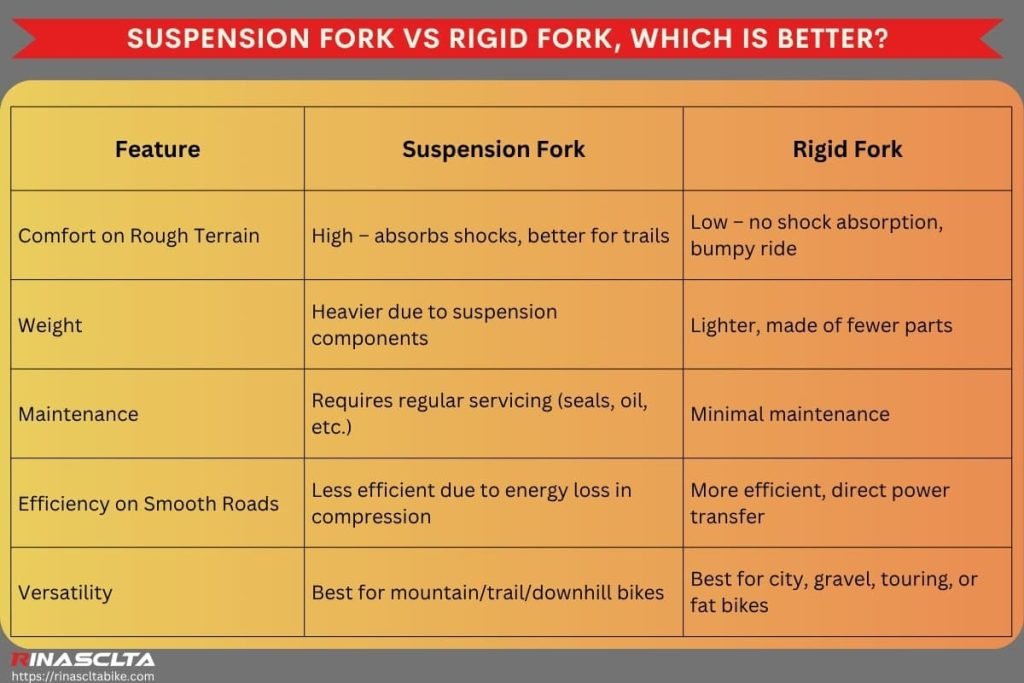
Choosing between suspension and rigid forks for your bikepacking adventure can make or break your ride. You want comfort, control, and efficiency, but how do you know which fork suits your style and terrain best?
This decision affects how your bike handles rough trails, how much weight you can carry, and even how much energy you’ll spend pedaling. If you’re ready to make the right choice without confusion or guesswork, keep reading. By the end, you’ll understand the real differences and know exactly which fork fits your bikepacking needs.
Suspension Forks Basics
Suspension forks are parts of a bike that absorb shocks from rough paths. They help make rides smoother and more comfortable. This is important for bikepacking where trails can be bumpy and uneven.
Choosing between suspension and rigid forks depends on the type of terrain and your riding style. Understanding how suspension forks work can help you decide if they suit your bikepacking needs.
How Suspension Forks Work
Suspension forks have a spring and damping system inside. They compress when the bike hits bumps. This absorbs the shock and keeps the front wheel on the ground.
The spring stores energy from impacts, and the damper controls how fast the fork moves back. This balance helps keep the ride smooth without bouncing too much.
Benefits On Rough Terrain
Suspension forks help riders stay in control on rough trails. They reduce the impact on your hands and arms, which lowers fatigue. This makes long rides easier and safer.
They also improve traction by keeping the front wheel in contact with the ground. This helps with steering and prevents slipping on loose surfaces like rocks or dirt.
- Absorbs bumps and shocks
- Reduces rider fatigue
- Improves front wheel traction
- Makes steering easier on rough paths
Common Suspension Fork Types
There are different types of suspension forks based on their spring and damping systems. Each type works best for certain riding needs and budgets.
- Coil Spring Forks:Use a metal coil for spring. They are simple and reliable.
- Air Spring Forks:Use air pressure as spring. They are lighter and adjustable.
- Hydraulic Damping:Use oil to control fork movement. They offer smooth and consistent performance.
- Mechanical Damping:Use simple parts to slow fork motion. They are less expensive but less smooth.

Credit: www.reddit.com
Rigid Forks Essentials
Choosing between suspension and rigid forks affects your bikepacking trip. Rigid forks offer a simple design and steady ride. They suit riders who want low weight and less care.
This guide covers the key points about rigid forks. Learn about their design, benefits, and upkeep.
Design And Materials
Rigid forks have no moving parts. They are made from strong materials. Common choices include steel, aluminum, carbon fiber, and titanium. Each material has pros and cons in strength, comfort, and cost.
- Steel:Durable and easy to repair but heavier.
- Aluminum:Lightweight and stiff but less comfortable.
- Carbon Fiber:Very light and absorbs bumps well, but costly.
- Titanium:Strong, light, and smooth ride but expensive.
Advantages For Bikepacking
Rigid forks give several benefits for bikepacking. They keep the bike simple and reliable. Less chance of mechanical failure on long trips. They also allow better control on rough terrain.
| Benefit | Description |
| Reliability | No suspension means fewer parts to break |
| Efficiency | Direct power transfer, good for climbing |
| Control | Precise steering on uneven trails |
| Cost | Usually cheaper than suspension forks |
Weight And Maintenance
Rigid forks weigh less than suspension forks. This lowers the bike’s total weight. Less weight means easier riding and carrying.
Maintenance is simple. No shocks or springs to service. Just check the fork for cracks or damage before rides. Clean and lubricate the headset regularly for smooth steering.
Terrain And Route Considerations
Choosing between suspension and rigid forks affects your bikepacking experience. Your terrain and route play a big role in this decision.
Think about the trail types and how rough the ride will be. This helps you pick the best fork for comfort and control.
Matching Forks To Trail Conditions
Suspension forks work well on rocky, bumpy, or uneven trails. They absorb shocks and keep the bike stable.
Rigid forks suit smooth, packed dirt or paved roads. They offer better power transfer and less weight.
- Rough and technical trails: Suspension forks
- Smooth and flat routes: Rigid forks
- Mixed terrain: Consider light suspension or rigid with wider tires
Impact On Ride Comfort
Suspension forks reduce bumps and vibrations. This keeps your arms and hands less tired on long rides.
Rigid forks send more trail feedback to your body. This can cause fatigue but gives better trail feel and control.
- Suspension: More comfort on rough paths
- Rigid: More trail feedback and control
- Comfort depends on your riding style and tolerance
Long-distance Vs Short Trips
For long trips, suspension forks can reduce strain and soreness. They help keep you fresh over many miles.
Short trips may not need suspension. Rigid forks are lighter and easier to maintain on quick rides.
- Long-distance: Suspension helps reduce fatigue
- Short-distance: Rigid saves weight and needs less care
- Plan your fork choice based on trip length and trail type

Credit: www.reddit.com
Performance And Handling
Choosing between suspension and rigid forks affects how your bike handles. It changes your ride’s comfort and control on rough trails.
Understanding the differences helps you pick the right fork for your bikepacking trips. Performance and handling depend on fork type.
Steering And Stability
Rigid forks offer direct steering with less movement. This makes the bike feel stable and predictable on smooth roads.
Suspension forks absorb bumps, but can cause slight steering delays. This may reduce stability on fast turns.
- Rigid forks: sharp, responsive steering
- Suspension forks: smoother but less precise steering
- Rigid forks: better stability on flat surfaces
- Suspension forks: better control on rough terrain
Shock Absorption Effects
Suspension forks absorb shocks from rocks and roots. This reduces rider fatigue and improves comfort.
Rigid forks pass most shocks to the rider. This can cause discomfort on long, rough rides.
- Suspension forks reduce impact on arms and hands
- Rigid forks provide a firmer ride
- Suspension helps keep tires on the ground
- Rigid forks are lighter and require less maintenance
Climbing And Descending
Rigid forks offer better power transfer when climbing. The bike feels more efficient on smooth climbs.
Suspension forks improve control on steep descents. They absorb impacts that make downhill riding safer.
- Rigid forks: efficient for long climbs
- Suspension forks: safer and more comfortable on descents
- Rigid forks: lighter, easier to pedal uphill
- Suspension forks: add weight but improve downhill handling
Bikepacking Load And Gear
Choosing between suspension and rigid forks affects how your bike handles gear and weight. Each fork type handles loads differently. Understanding these differences helps you pack smartly for your trip.
Your gear setup depends on the fork you choose. Carrying capacity, strength, and mounting options all play a role in your bike’s performance.
Carrying Capacity Differences
Suspension forks usually have less carrying capacity than rigid forks. The moving parts limit how much weight they can safely hold. Rigid forks can support heavier loads.
- Suspension forks: Best for lighter loads and rough terrain.
- Rigid forks: Ideal for heavy gear and stable handling.
- Consider your trip length and gear weight before choosing.
Fork Strength And Durability
Rigid forks have fewer parts, which often means they last longer. Suspension forks have more moving parts that can wear out or break under stress. Durability is important for long trips.
| Fork Type | Durability | Maintenance |
| Suspension | Moderate | Requires regular checks |
| Rigid | High | Low maintenance |
Mounting Points And Accessories
Rigid forks often have more mounting points for racks and bottles. Suspension forks have fewer spots because of their design. Check what accessories you need to carry.
- Front rack mounts
- Multiple bottle cage mounts
- Accessory eyelets for lights or bags
- Limited or no front rack mounts
- Fewer bottle cage mounts
- Designed mainly for shock absorption
Credit: rinascltabike.com
Cost And Maintenance Factors
Choosing between suspension and rigid forks for bikepacking depends on costs and upkeep. Knowing these helps you pick the right fork for your needs.
Both types have different prices and maintenance routines. This guide breaks down the main factors to consider.
Initial Investment
Suspension forks usually cost more upfront. They have complex parts and require special design. Rigid forks are simpler and cheaper to buy.
Here is a simple cost comparison:
| Fork Type | Average Price Range |
| Suspension Fork | $300 – $800 |
| Rigid Fork | $80 – $250 |
Repair And Upkeep
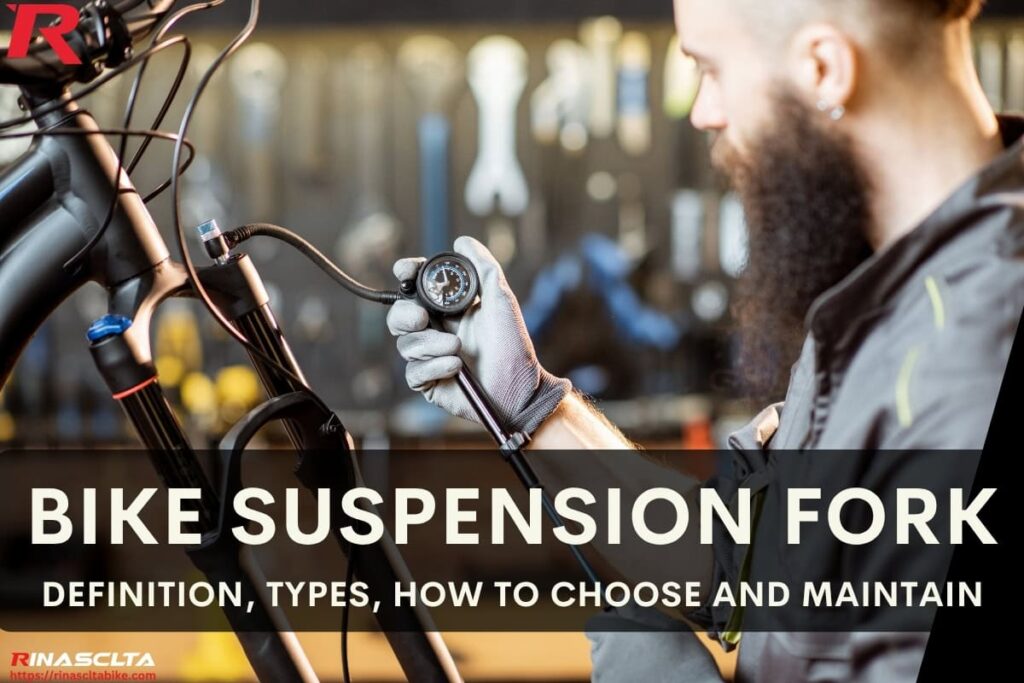
Suspension forks need regular care. They have seals, oil, and moving parts. You must clean and lubricate them often. Repairs can be costly and need special tools.
- Check seals for dirt and damage
- Replace oil every few months
- Inspect suspension travel and adjust
- Possible professional servicing once a year
Rigid forks are mostly maintenance-free. You only need to clean them and check for cracks or bends.
Longevity Considerations
Rigid forks last longer with less care. They have fewer parts that wear out. Suspension forks can wear down faster because of moving parts.
- Rigid forks can last many years with little upkeep
- Suspension forks may need parts replaced after 1-3 years
- Proper maintenance extends suspension fork life
- Damage to rigid forks is often easier and cheaper to fix
Personal Preference And Riding Style
Choosing between suspension and rigid forks depends on your personal needs. Your riding style plays a big role in this choice.
Some riders want comfort on rough trails. Others prefer speed on smooth paths. Knowing your style helps pick the right fork.
Comfort Priorities
Suspension forks absorb bumps and shocks well. They reduce tiredness on long rides. This is good for rough and rocky routes.
Rigid forks feel stiffer. They give more feedback from the trail. Some riders like this control on smooth trails.
- Choose suspension if you want less impact on your body
- Choose rigid if you prefer a firmer ride and more trail feel
- Think about how rough your usual routes are
Riding Speed And Efficiency
Rigid forks are lighter and use less energy. They help keep your speed on flat and smooth paths. This suits riders who want efficiency.
Suspension forks add weight and can use more energy. They slow you down on climbs or flats. But they help on rough terrain.
- Pick rigid if you want faster rides on smooth roads
- Pick suspension if you ride mostly on rough or uneven ground
- Consider how much effort you want to spend on your trips
Trial And Adjustment Tips
Try both fork types if you can. Testing helps find what feels best. Ride on your usual trails to compare comfort and control.
Adjust suspension settings if you pick a suspension fork. Tune air pressure or rebound to match your weight and style. Small changes improve comfort.
- Test forks on real routes before buying
- Adjust suspension settings step by step
- Listen to your body for signs of discomfort or fatigue
Frequently Asked Questions
What Are The Main Differences Between Suspension And Rigid Forks?
Suspension forks absorb shocks for a smoother ride, ideal on rough terrain. Rigid forks are lighter, stronger, and require less maintenance, perfect for smoother trails and long-distance bikepacking.
When Should I Choose Suspension Forks For Bikepacking?
Choose suspension forks for rough, technical trails with rocks, roots, or drops. They improve comfort and control by absorbing impacts, reducing rider fatigue on challenging terrain.
Are Rigid Forks Better For Long-distance Bikepacking?
Yes, rigid forks are lighter and more reliable, ideal for long-distance rides. They offer better efficiency, require less maintenance, and handle well on packed or smoother surfaces.
How Do Suspension Forks Affect Bikepacking Load Capacity?
Suspension forks typically have lower load capacity due to their moving parts. Rigid forks can carry heavier loads, making them better suited for fully loaded bikepacking setups.
Conclusion
Choosing between suspension and rigid forks depends on your ride style. Suspension forks offer comfort on rough trails. Rigid forks are lighter and need less care. Think about the terrain and distance you plan to cover. Also, consider your budget and bike weight.
Both types have pros and cons to weigh. Pick the fork that fits your needs best. This choice can improve your bikepacking experience. Take your time and enjoy the ride ahead.



