
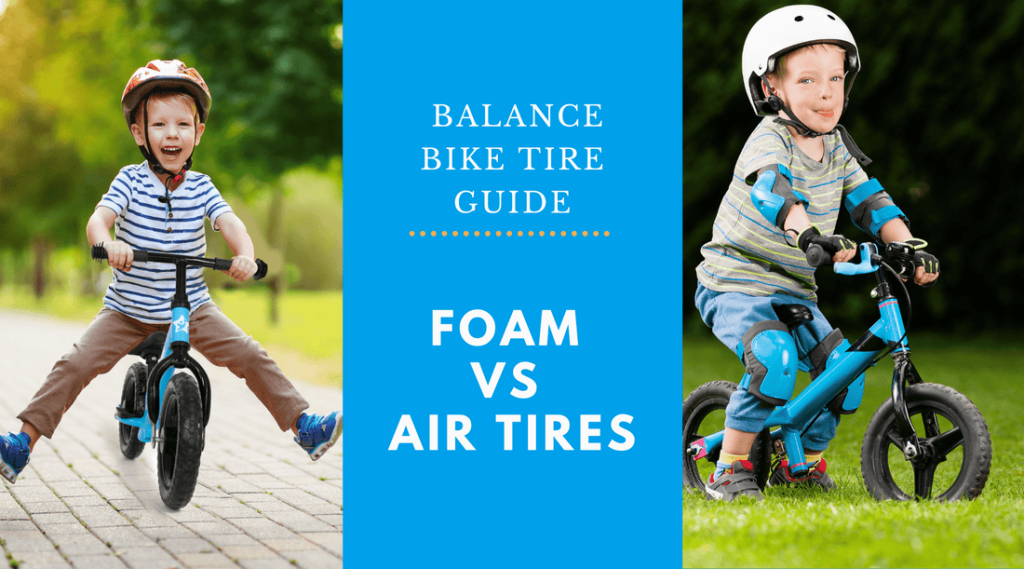
Choosing the right tires for your kid’s bike can feel tricky, but it doesn’t have to be. The tires you pick affect how safe, comfortable, and fun every ride will be.
Imagine your child cruising smoothly, gaining confidence with each pedal stroke—this all starts with the perfect tires. In this guide, you’ll discover simple tips to help you make the best choice, so your little rider enjoys every adventure on two wheels.
Keep reading, and soon you’ll know exactly what to look for when selecting tires that fit your child’s bike—and their growing skills.
Choosing The Right Tire Size
Picking the right tire size is important for kids’ bikes. It helps the bike run smoothly and keeps kids safe.
Tire size depends on the wheel diameter, tire width, and the type of bike. These factors work together for the best fit.
Measuring Wheel Diameter
Wheel diameter is the size of the wheel from one edge to the other. It is usually measured in inches.
You can find the diameter printed on the side of the tire. If not, measure the wheel across the center with a tape measure.
- Common sizes for kids’ bikes are 12, 16, 20, and 24 inches
- Choose tires that match the wheel diameter exactly
- Wrong diameter makes the tire hard to fit or unsafe
Considering Tire Width
Tire width is how wide the tire is from side to side. It affects the bike’s balance and comfort.
Wider tires give more grip and a softer ride. Narrow tires are lighter and faster on smooth surfaces.
- Check the tire width number on the sidewall, shown in inches or millimeters
- Match the tire width to what the bike frame can hold
- Use wider tires for rough or off-road riding
- Choose narrower tires for smooth pavement riding
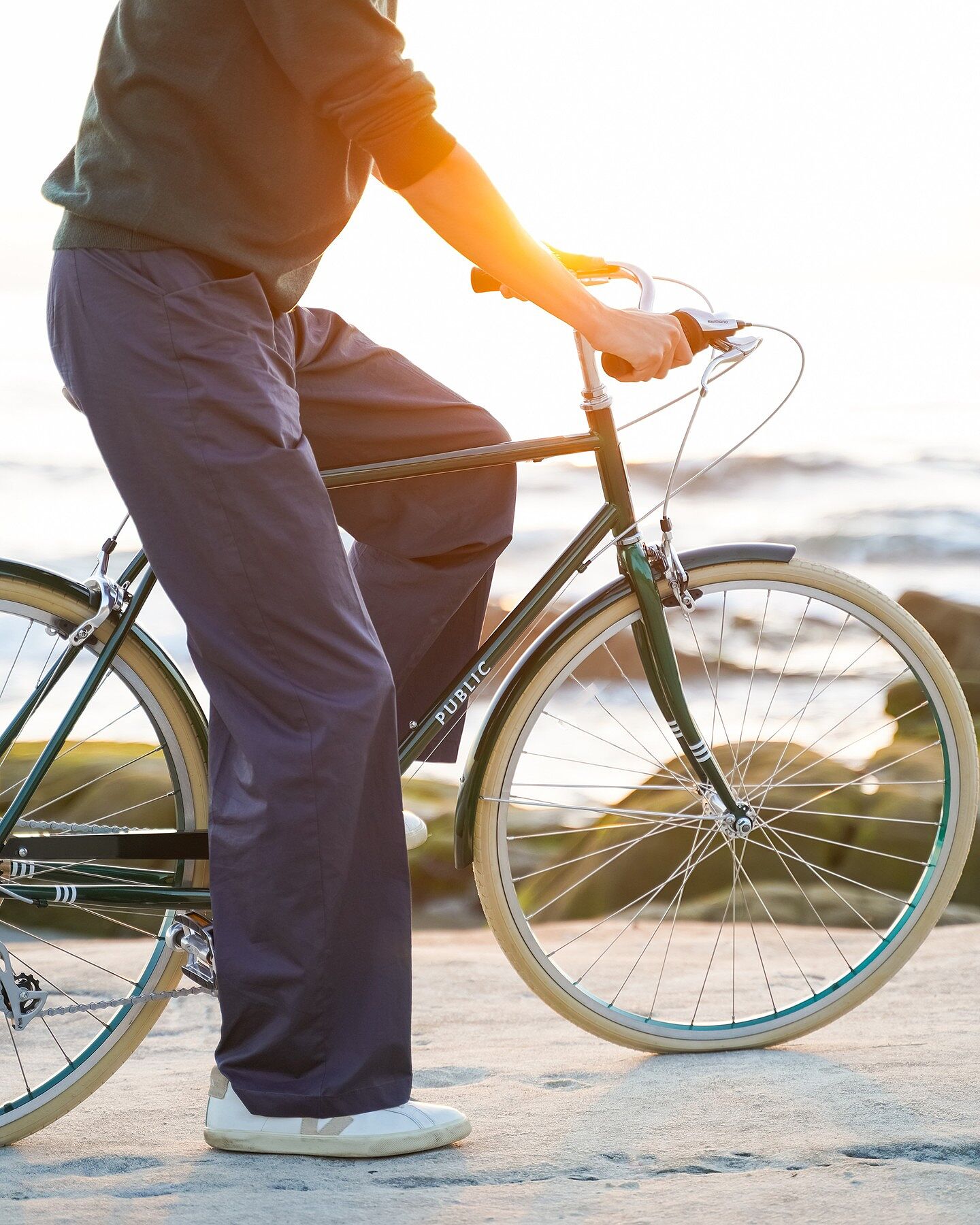
Matching Tires To Bike Type
Different bike types need different tires. The right tire helps kids ride safely and enjoy their bike.
Look at the bike’s use before picking tires. This can be for casual riding, racing, or off-road fun.
- Balance bikes usually use smaller, smooth tires
- Mountain bikes need thick, knobby tires for grip
- Road bikes use thin tires for speed on pavement
- Hybrid bikes fit tires that are between road and mountain types
Credit: publicbikes.com
Selecting Tire Material
Choosing the right tire material is important for kids’ bikes. The material affects safety, comfort, and performance.
Two common tire materials are rubber and foam. Each has benefits and suits different riding needs.
Benefits Of Rubber Tires
Rubber tires provide good grip on many surfaces. They help kids keep control while riding.
These tires also absorb bumps well. This makes rides smoother and more comfortable.
- Strong traction on roads and trails
- Better shock absorption
- Works well in wet or dry conditions
When To Use Foam Tires
Foam tires are lightweight and easy to maintain. They do not need air, so no flat tires happen.
These tires work best for smooth surfaces like pavement or indoor riding areas.
- Good for beginners and small kids
- No risk of punctures
- Low maintenance and simple to use
Durability Factors
Tire durability depends on material and use. Rubber tires last longer on rough surfaces.
Foam tires wear faster if used on rough or sharp terrain. They suit lighter use.
- Rubber tires resist wear and cuts better
- Foam tires are best for light, smooth riding
- Check tires often for signs of damage
Tread Patterns And Terrain
Choosing the right tires for kids’ bikes depends on the tread pattern and the terrain they will ride on. Tires affect grip, safety, and comfort.
Different tread patterns work best on different surfaces. Knowing these helps you pick the perfect tires for your child’s bike.
Smooth Treads For Pavement
Smooth tread tires have little to no pattern on the surface. They provide a large contact area with the pavement.
These tires work well on sidewalks, bike paths, and streets. They offer low rolling resistance and a smooth ride.
- Best for flat, hard surfaces
- Easy to pedal and fast
- Less grip on wet or loose surfaces
Knobby Treads For Off-road
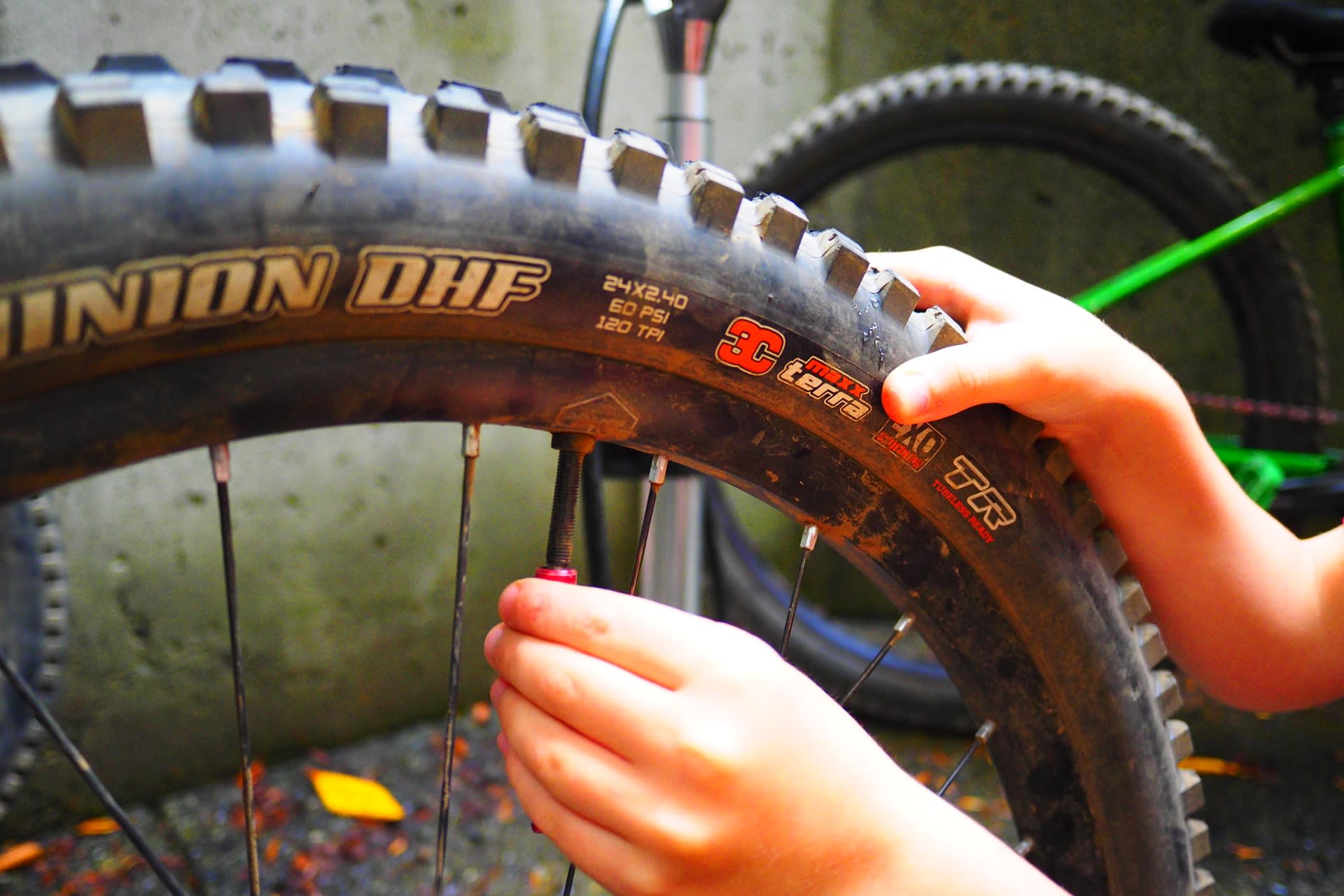
Knobby tires have raised knobs or lugs that dig into soft ground. They give better traction on dirt, grass, and gravel.
These tires help kids ride safely on trails and uneven surfaces. They slow down on pavement but improve grip off-road.
- Great for dirt paths and trails
- Provide strong grip on loose terrain
- Can feel slower on pavement
Hybrid Treads For Mixed Surfaces
Hybrid tires mix smooth and knobby patterns. They balance speed and grip for different terrains.
These tires suit kids who ride on pavement and some trails. They offer good control and comfort in varied conditions.
- Good for streets and light off-road use
- Moderate speed and traction
- Versatile for many riding surfaces
Credit: www.bikemag.com
Safety And Comfort Features
Choosing the right tires for kids’ bikes is key for safety and comfort. Good tires help protect children from accidents and make riding smooth.
Parents should look at features that stop flats, absorb shocks, and provide good grip. These features keep kids safe and happy while riding.
Puncture Resistance Options
Puncture-resistant tires reduce the chance of flats from sharp objects. They often have thicker rubber or special layers inside.
- Kevlar belts add strong protection under the tire surface.
- Thick tread rubber helps block nails and glass.
- Sealed inner tubes stop air leaks from small holes.
Shock Absorption Benefits
Shock absorption keeps the ride smooth on rough paths. Tires with soft sidewalls or extra air volume help absorb bumps.
| Feature | Benefit |
| Wide tires | Spread pressure and soften bumps |
| Air-filled tires | Act as natural shock absorbers |
| Foam inserts | Add extra cushioning inside tire |
Grip And Traction Importance
Good grip helps kids stay steady on the bike. Traction stops slipping on wet or uneven roads.
Look for these grip features:
- Deep tread patterns for better hold
- Rubber compounds that stay sticky in rain
- Side knobs that improve cornering control
Maintenance And Replacement Tips
Choosing the right tires for kids’ bikes is important for safety and fun. Regular care helps tires last longer and work better.
Knowing how to check tire wear and when to replace tires keeps your child’s bike safe. Proper inflation also helps tires perform well.
Checking Tire Wear
Look closely at the tire surface for signs of wear. Smooth patches or cracks mean the tire is wearing out.
Check the tread pattern. If it is shallow or missing, the tire may not grip well on the ground.
- Look for bald spots or uneven wear
- Check for cracks or cuts on the tire
- Inspect the tread depth regularly
When To Replace Tires
Replace tires if you see deep cracks or large worn areas. Old tires can cause slips or flats.
If the tire loses air quickly or the sidewalls look damaged, it is time for a new tire.
- Tires with cracks or splits need replacement
- Replace tires with very thin or missing tread
- Change tires that lose air fast or have sidewall damage
Proper Inflation Practices
Keep the tires inflated to the pressure shown on the sidewall. Proper air pressure helps the tire last longer.
Use a bike pump with a gauge to check pressure before each ride. Avoid overinflating or underinflating the tires.
- Check tire pressure weekly or before rides
- Inflate tires to the recommended PSI on the tire sidewall
- Do not pump tires too hard or too soft

Credit: www.dickssportinggoods.com
Budget-friendly Tire Choices
Choosing the right tires for kids’ bikes does not have to be expensive. Parents can find good tires that fit a tight budget. It is important to balance price with safety and quality.
This guide helps you pick tires that last and keep children safe while riding. You will learn about cost, brands, and long-term value.
Balancing Quality And Cost
Cheap tires may wear out quickly or lack grip. High-quality tires often cost more but can save money over time. Look for tires that offer good traction and durability within your budget.
Check for tires made with strong materials and sturdy tread patterns. Do not buy the cheapest option without checking reviews or safety ratings.
Affordable Brands For Kids
- Brand A: Known for durable tires at low prices
- Brand B: Offers a variety of sizes and colors
- Brand C: Good grip and puncture resistance
- Brand D: Budget tires with decent quality
These brands balance price with safety features. You can find them online or at local bike shops. Always check if the tire fits your child’s bike size.
Long-term Value Considerations
| Factor | What to Look For | Why It Matters |
| Durability | Thick rubber and reinforced sidewalls | Lasts longer and reduces replacement cost |
| Grip | Tread pattern suitable for kids’ riding surfaces | Prevents slipping and improves safety |
| Size | Correct diameter and width for the bike | Ensures proper fit and smooth riding |
| Price | Balance between cost and quality | Save money without sacrificing safety |
Frequently Asked Questions
What Tire Size Is Best For Kids’ Bikes?
Choose tire size based on your child’s bike wheel diameter. Common sizes include 12, 16, and 20 inches. Check the bike frame or existing tires for exact measurements. Proper size ensures safety, comfort, and better control.
How To Choose Tires For Different Terrains?
Select tires with smooth tread for pavement and knobby tread for off-road. Consider the usual riding surface your child will encounter. Right tread improves grip, stability, and riding experience.
Are Puncture-resistant Tires Necessary For Kids?
Puncture-resistant tires reduce flats and maintenance. They are ideal for active kids or rough terrain. These tires add durability without sacrificing performance or comfort.
How Often Should Kids’ Bike Tires Be Replaced?
Replace tires when tread wears thin or cracks appear. Regularly inspect for damage and air pressure. Timely replacement ensures safety and smooth rides.
Conclusion
Choosing the right tires helps your child ride safely and enjoyably. Check the tire size and tread type for the best fit. Good tires improve balance and control on different surfaces. Always consider durability to avoid frequent replacements. Remember, proper tires make biking fun and worry-free.
Keep these tips in mind for your kid’s next bike ride. Safe rides start with smart choices.



