
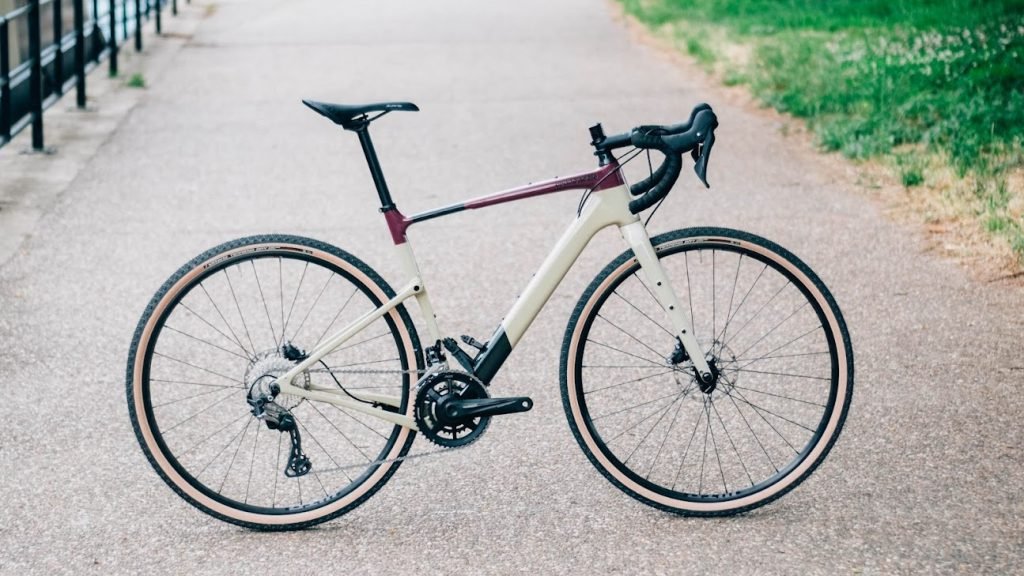
Choosing the right long-distance gravel bike can change everything about your ride. Whether you’re planning weekend adventures or serious miles on mixed terrain, the perfect bike makes each trip easier and more enjoyable.
But with so many options out there, how do you find one that fits your body, your style, and your goals? This guide will help you understand exactly what to look for, so you can pick a gravel bike designed just for you.
Keep reading, and soon you’ll be ready to conquer any trail with confidence and comfort.
Choosing The Right Frame
Choosing the right frame is key for a long-distance gravel bike. It affects comfort, control, and ride quality. Women need frames designed to fit their body shapes well.
A good frame helps you enjoy long rides without pain. It supports your weight and handles rough roads smoothly.
Materials And Weight
Frame material affects the bike’s weight and how it feels on the road. Lighter frames make riding easier over long distances. Some materials also absorb bumps better.
Common materials include aluminum, carbon fiber, and steel. Each has pros and cons for weight and comfort.
- Aluminum:Lightweight and affordable. It is stiff but less smooth on rough surfaces.
- Carbon fiber:Very light and absorbs shocks well. Usually more expensive.
- Steel:Heavier but offers a smooth ride. Very durable and strong.
Frame Geometry For Comfort
Frame geometry shapes how you sit and ride. Comfort is important for long rides. A relaxed geometry reduces strain on your back and neck.
Look for frames with a sloping top tube and a taller head tube. These features create a more upright and comfortable position.
- Sloping top tube allows more stand-over height.
- Taller head tube raises the handlebars for comfort.
- Longer wheelbase improves stability on rough roads.
Size And Fit Tips
Finding the right size frame is crucial. A frame too big or small causes pain and poor control. Women’s gravel bikes often have smaller frames and shorter reach.
Measure your height and inseam to choose the correct size. Test ride if possible to check comfort and handling.
- Stand-over height should have 1-2 inches clearance.
- Check that you can reach the handlebars without stretching.
- Saddle height should allow a slight bend in the knee when pedaling.
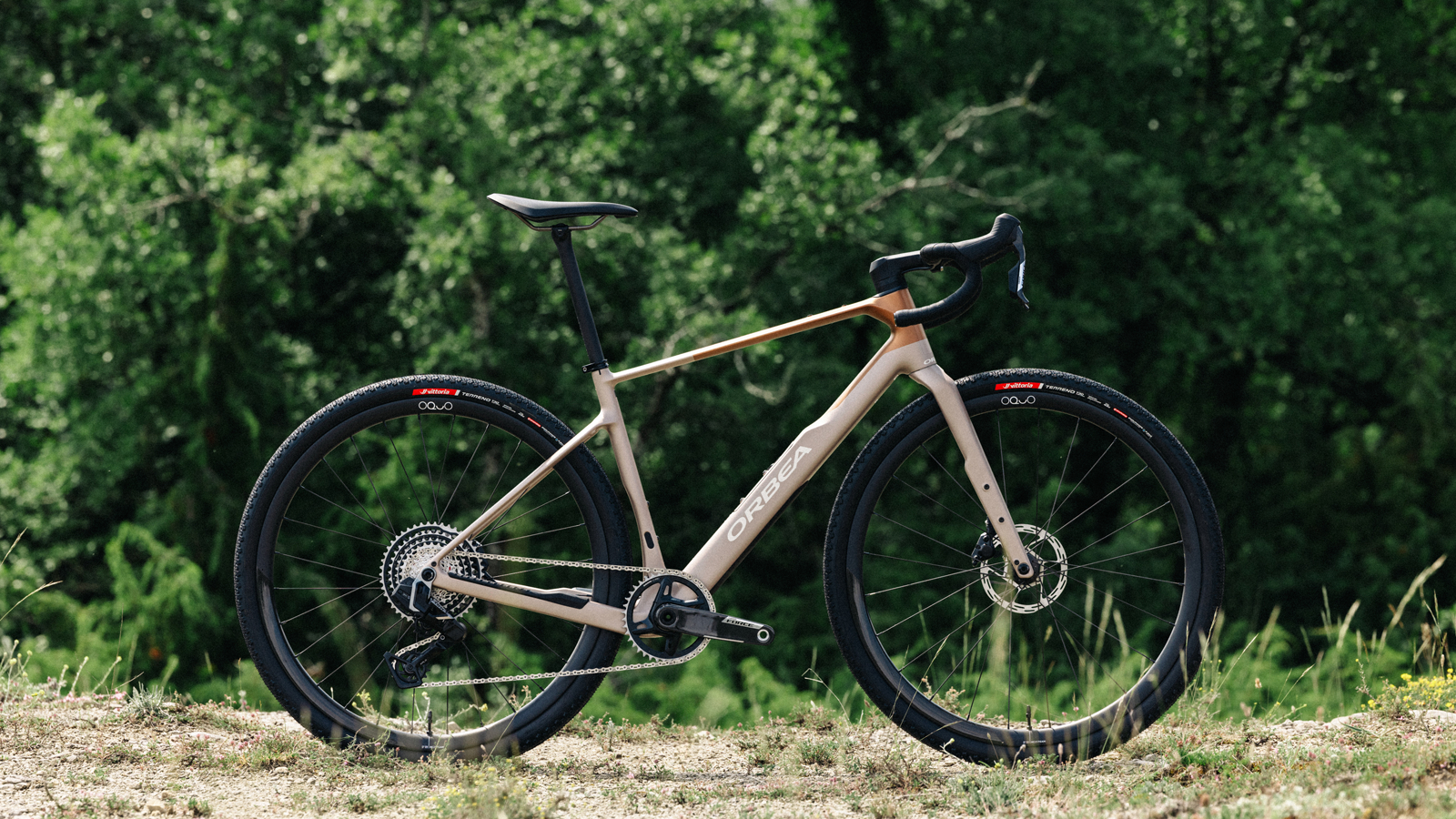
Credit: www.cyclingnews.com
Essential Components
Choosing the right long-distance gravel bike for women means focusing on key parts. These parts affect comfort, control, and performance on long rides.
We will look at drivetrain options, brake types, and wheel and tire choices. These help you pick a bike that fits your needs and riding style.
Drivetrain Options
The drivetrain controls how you pedal and shift gears. A good drivetrain helps you ride smoothly on different terrains.
Gravel bikes often have wide gear ranges. This helps climb hills and ride fast on flat roads. Look for durable and easy-to-use drivetrains.
- 1x drivetrains are simple with one front chainring and a wide cassette.
- 2x drivetrains have two front chainrings for more gear choices.
- Choose drivetrains with reliable shifting and less maintenance.
Brake Types
Brakes are important for control and safety. They help you stop quickly on rough or steep paths.
Disc brakes are common on gravel bikes. They work well in wet and muddy conditions. You can choose between mechanical or hydraulic disc brakes.
- Mechanical disc brakes are easier to fix and adjust.
- Hydraulic disc brakes offer stronger and smoother stopping power.
- Avoid rim brakes for long-distance gravel rides because they are less reliable on rough terrain.
Wheel And Tire Choices
Wheels and tires affect your bike’s ride quality and grip. Bigger tires give better comfort and traction on gravel roads.
Look for wheels that are strong but light. Tires with good tread help on loose or rocky surfaces. You can also choose tubeless tires to reduce flats.
- 700c wheels are common for faster rides on mixed surfaces.
- 650b wheels offer more comfort and better grip with wider tires.
- Choose tire width between 35mm and 45mm for balance of speed and control.
- Tubeless tires lower the chance of punctures and improve ride smoothness.
Comfort Features
Choosing a long-distance gravel bike for women means focusing on comfort. Comfort helps you ride longer without pain or tiredness.
This guide explains three key comfort features: saddle selection, handlebar styles, and suspension considerations.
Saddle Selection
A good saddle supports your sit bones and reduces pressure on soft areas. Women’s saddles are often wider and shaped differently.
Try saddles with extra padding or cutouts to relieve pressure. Make sure the saddle fits your body shape for long rides.
- Look for saddles designed for women’s anatomy
- Test different widths and shapes
- Consider gel or foam padding
- Choose a saddle with a center cutout if pressure is an issue
Handlebar Styles
Handlebars affect your hand and wrist comfort on rough roads. Women may prefer bars that offer multiple hand positions.
Drop bars, flared bars, and ergonomic grips help reduce fatigue and improve control on gravel rides.
- Drop bars allow different hand positions
- Flared bars provide better control on rough terrain
- Ergonomic grips reduce pressure on hands and wrists
- Bar tape or padded gloves add extra comfort
Suspension Considerations
Suspension helps absorb bumps and vibrations on gravel paths. It reduces strain on your body during long rides.
Look for bikes with front suspension forks, suspension seatposts, or wider tires for extra cushioning.
- Front suspension forks soften impacts on rough trails
- Suspension seatposts reduce saddle shocks
- Wider tires at lower pressure improve comfort
- Suspension adds weight but improves ride quality
Women-specific Designs
Choosing a long-distance gravel bike designed for women can improve comfort and performance. These bikes have features made to fit women’s bodies better.
Women-specific designs focus on size, shape, and riding style. These factors help women ride longer with less strain.
Why Gender-specific Bikes Matter
Women’s bodies differ from men’s in many ways. Bikes made for men may not fit women well.
A bike that fits well reduces pain and improves control. It helps women enjoy long rides on gravel roads.
- Women usually have shorter torsos and arms
- Smaller hands need different handlebar shapes
- Women’s hips are wider, affecting bike fit
- Proper fit prevents discomfort and injury
Adjustments For Female Riders
Bikes for women often have smaller frames and adjusted geometry. These changes help with balance and comfort.
Other key adjustments include seat shape and handlebar width. These support women’s unique body shapes.
- Shorter top tubes for better reach
- Narrower handlebars for smaller shoulders
- Softer saddle with cutouts for comfort
- Brake levers easier to reach
- Frame angles to match women’s center of gravity
Budgeting Your Purchase
Buying a long-distance gravel bike for women needs careful budgeting. You should know what to expect for your money.
Setting a clear budget helps you choose the right bike without overspending. It guides you on where to save and where to invest.
Entry-level Vs. High-end Models
Entry-level bikes are more affordable and good for beginners. They have basic parts but can handle most rides.
High-end models cost more but offer better materials and parts. They are lighter, stronger, and last longer.
- Entry-level bikes suit casual riders and those on a tight budget
- High-end bikes fit serious riders who want performance and durability
- Entry-level bikes may need upgrades over time
- High-end bikes usually need fewer changes
Where To Save And Where To Invest
Save money on parts that are easy to upgrade later. Basic wheels and frames can work well at first.
Invest in the frame and tires because they affect comfort and safety. Good brakes and a reliable drivetrain are important too.
- Save on entry-level saddles and pedals; upgrade as needed
- Invest in a lightweight and comfortable frame
- Choose quality tires for better grip and durability
- Pick reliable brakes for safe stopping power
- Spend on a drivetrain that shifts smoothly and lasts
Test Riding Tips
Test riding helps you find the right long-distance gravel bike for women. It shows how the bike feels and fits your body.
Try different bikes to compare comfort, handling, and performance. Take your time to notice details during the ride.
What To Look For During A Test Ride
Check if the bike fits your height and body shape. A good fit makes riding easier and avoids pain.
Feel how the bike handles on gravel roads. It should be stable but still easy to steer.
- Comfort in the saddle and handlebars
- Smooth gear shifting and braking
- Good balance and control on rough paths
- How the bike absorbs bumps and vibrations
- Ease of mounting and dismounting
Questions To Ask At The Bike Shop
Ask about the bike’s frame material and how it affects weight and comfort. Different materials suit different riders.
Inquire about tire options. Wider tires give more grip and comfort on gravel roads.
- What frame sizes are available for women?
- Can the bike fit racks and extra bags?
- What maintenance does this bike need?
- Does the bike have women-specific features?
- Are there warranty and support services?
Maintenance Basics
Keeping your long-distance gravel bike in good condition is important. Regular care helps your bike last longer.
Simple maintenance tasks save you time and money. They also make rides safer and more fun.
Keeping Your Bike In Top Shape
Clean your bike after every ride. Dirt and mud can cause parts to wear out faster.
Check tire pressure before each ride. Proper pressure improves comfort and reduces flats.
- Lubricate the chain regularly to avoid rust and noise
- Inspect brakes for wear and adjust if needed
- Look for loose bolts and tighten them carefully
- Examine tires for cuts or worn tread
Tools Every Rider Should Have
Carry basic tools to fix common problems on the trail. This helps you avoid long delays or walking your bike.
Keep your tool kit small and lightweight but useful for gravel rides.
- Mini pump or CO2 inflator for tires
- Patch kit and spare inner tube
- Multi-tool with Allen keys and screwdrivers
- Tire levers to remove tires easily
- Chain tool to fix broken chains
- Small rag to clean parts

Credit: www.bicycling.com
Credit: www.cyclingnews.com
Frequently Asked Questions
What Features Make A Gravel Bike Ideal For Women?
A women’s gravel bike offers a tailored frame geometry, smaller handlebars, and a comfortable saddle. These features ensure better fit and control. It also accounts for women’s body proportions, enhancing riding comfort and performance on long-distance routes.
How To Choose The Right Frame Size For Women?
Measure your inseam and compare it with the bike brand’s sizing chart. Proper frame size ensures comfort and efficiency. A well-fitted frame reduces fatigue and prevents injuries during long rides.
Why Is Tire Width Important For Gravel Bikes?
Tire width affects grip, comfort, and speed on varied terrain. Wider tires provide stability and absorb shocks on rough surfaces. Narrow tires are faster but less cushioned. Choose a width that balances comfort and performance based on your route.
What Type Of Gearing Is Best For Long-distance Gravel Rides?
Opt for a wide-range gearing system to handle diverse terrains easily. Lower gears help climb steep hills without strain. Higher gears allow efficient riding on flats and descents. This versatility is essential for long-distance gravel biking.
Conclusion
Choosing the right gravel bike for long rides matters. Focus on comfort and fit. Consider the frame material for a smooth ride. Check the tire width and tread for varied terrains. Gear options and braking systems also play a role.
Test ride different models if possible. Listen to your body’s needs. Prioritize your safety and enjoyment. With the right bike, explore new trails with confidence. Enjoy the journey, and happy cycling!



