
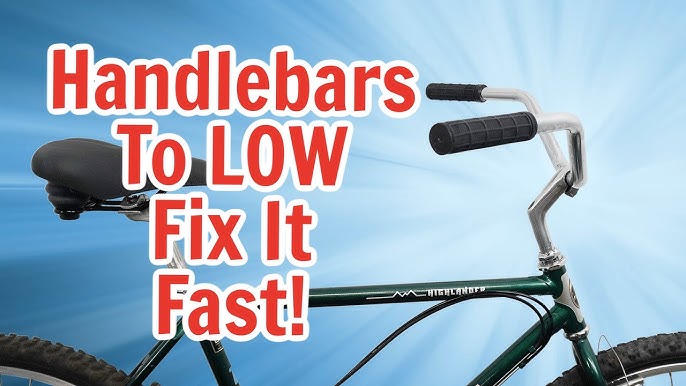
Choosing the right handlebars can change how you feel every time you ride. If your hands hurt or your grip feels awkward, it’s a sign you haven’t found the best fit for you yet.
Imagine riding longer, feeling more in control, and enjoying every mile without discomfort. In this guide, you’ll discover simple tips to pick handlebars that match your style and keep you comfortable. Keep reading, and make every ride your best ride.
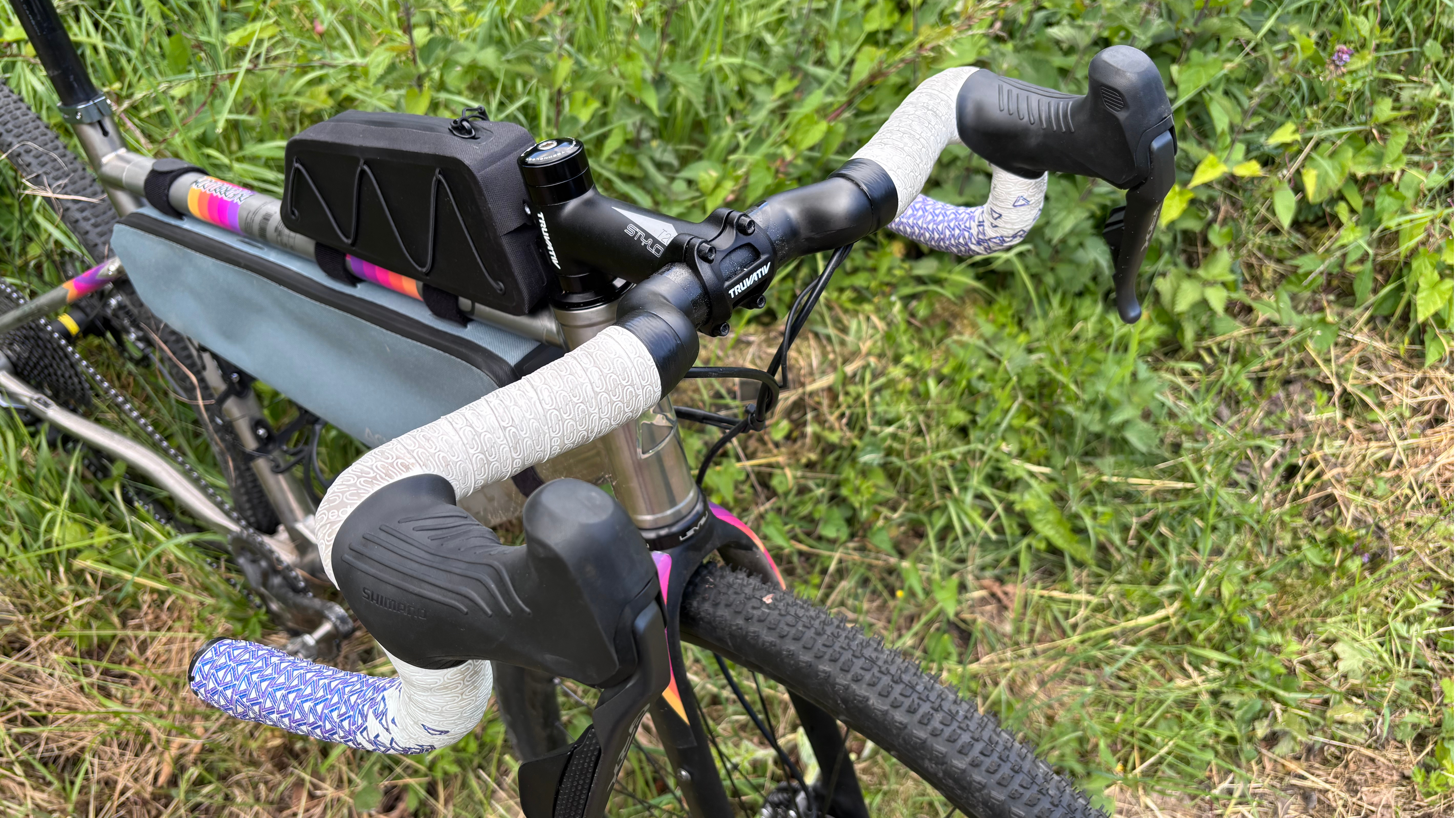
Credit: www.cyclingweekly.com
Types Of Handlebars
Handlebars shape your riding experience. Choosing the right type affects comfort and control. Each style suits different riding positions and bike types. Understand popular handlebar types to find your fit.
Drag Bars
Drag bars are straight and low. They keep your body in a forward lean. This style offers good control at high speeds. Ideal for racing or aggressive riding. They reduce wind resistance but may strain wrists.
Ape Hangers
Ape hangers rise high above the bike’s triple tree. They let you ride with arms raised. This gives a relaxed, upright posture. Popular on cruiser and chopper bikes. Some find them stylish but less comfortable for long rides.
Cafe Racer Bars
Cafe racer bars are low and narrow. They curve downward for a sporty feel. They position riders in a lean-forward stance. Great for quick turns and agility. Best on cafe racer motorcycles or sport bikes.
Clip-ons
Clip-ons attach directly to the fork tubes. They sit low and forward on the bike. This design creates a crouched, aerodynamic riding posture. Favored by sportbike riders. They offer precise steering but less comfort for daily use.
Cruiser Bars
Cruiser bars are wide and swept back toward the rider. They promote an upright, relaxed riding position. Perfect for long, comfortable rides. Common on cruiser and touring motorcycles. They reduce arm fatigue and improve control at low speeds.
Factors Affecting Comfort
Comfort plays a key role in choosing the right handlebars. Several factors change how comfortable handlebars feel during rides. Each element affects hand position and strain. Understanding these can help pick handlebars that reduce fatigue and improve control.
Handlebar Width
Handlebar width impacts arm and shoulder position. Narrow bars may feel cramped and cause discomfort. Wide bars provide better control but can tire the shoulders. Choose a width that matches your body size and riding style. Proper width helps maintain a natural posture.
Rise And Pullback
Rise is the height difference between the center and ends of the bar. Pullback is how far the bar bends back towards the rider. Higher rise and pullback create a more upright position. This reduces pressure on wrists and back. Lower rise and less pullback suit aggressive riding but may cause strain.
Material And Weight
Handlebars come in aluminum, carbon, steel, and other materials. Lightweight bars reduce effort and improve handling. Heavier bars can absorb vibrations better but may tire arms faster. Material choice affects strength, durability, and ride comfort. Balance weight with toughness for your needs.
Grip Shape And Size
Grips affect how hands rest on the bars. Larger grips spread pressure over a bigger area, lowering hand numbness. Smaller grips offer better control but may cause hotspots. Ergonomic shapes support natural hand curves and reduce fatigue. Select grip size and shape based on hand size and ride duration.
Matching Handlebars To Riding Style
Choosing the right handlebars depends on the way you ride. Different styles demand different grips and shapes for comfort. Picking a handlebar that fits your riding style reduces strain and improves control. Below, find options tailored to popular riding types.
Commuting And Touring
For daily rides and long distances, comfort is key. Handlebars should offer a relaxed grip and multiple hand positions. Wider bars help with stability and reduce fatigue. Look for handlebars with rise and sweep to keep wrists natural.
Sport Riding
Sport riders need handlebars that allow quick steering and aggressive posture. Lower and narrower bars improve aerodynamics and control. Clip-ons or drag bars work well for sharp turns and fast speeds. Focus on bars that keep your weight forward.
Off-road And Adventure
Rough terrain requires strong and durable handlebars. Wide and reinforced bars provide better leverage and shock absorption. Handlebars with a slight rise and bend help maintain balance. Choose materials that resist bending and breaking.
Custom And Cruiser
Comfort and style matter most for cruisers. Handlebars with a high rise and pullback keep arms relaxed. Ape hangers or swept-back bars create a classic look. Select bars that promote an upright posture and easy handling.
Measuring For The Right Fit
Choosing the right handlebars starts with measuring for the right fit. This step ensures comfort and control while riding. Proper measurements help avoid strain on your wrists, shoulders, and back. It also improves your overall riding experience. Focus on key aspects like reach, height, posture, and handlebar angle to find the best fit.
Checking Reach And Height
Reach is the distance from the saddle to the handlebars. It affects how stretched out you feel on the bike. Too long a reach causes discomfort in your back and arms. Too short makes you feel cramped. Height controls how high or low your hands sit. The right height keeps your shoulders relaxed and wrists neutral. Measure both reach and height by sitting on the bike in your usual riding position.
Adjusting For Posture
Your posture influences handlebar placement. A more upright position requires higher handlebars. This reduces pressure on your lower back. A forward-leaning posture needs lower handlebars for better aerodynamics. Adjust handlebar height and reach to match your natural stance. Test different settings to find what feels best. Keep your back straight and elbows slightly bent.
Considering Handlebar Angle
Handlebar angle affects wrist comfort and control. Angling the bars too far forward or backward strains your wrists. A slight upward tilt helps maintain a neutral wrist position. This reduces numbness and fatigue. Adjust the angle by loosening the stem bolts and rotating the handlebars. Tighten once you find a comfortable position. Small changes can make a big difference.
Additional Comfort Accessories
Comfort accessories like padded grips and ergonomic gloves reduce hand strain and improve control. Choosing the right additions makes long rides more enjoyable and less tiring.
When considering handlebars for optimal comfort, additional accessories can make a significant difference. These enhancements not only improve ergonomics but also add a personal touch to your riding experience. Investing in the right accessories can transform a basic setup into a custom fit that feels like an extension of you. Let’s dive into some essential comfort accessories for your handlebars.Handlebar Grips
Handlebar grips are a vital component in achieving riding comfort. Choosing the right material can prevent numbness and fatigue. Foam or gel grips are popular for their cushioning effects. Think about your grip style. Do you prefer a firm hold or something softer? Some riders, like myself, have found that ergonomic grips with palm support reduce wrist strain during long rides.Bar Ends And Weight
Bar ends offer more than just an aesthetic upgrade; they provide extra hand positions. This can be crucial for reducing hand fatigue on extended journeys. Consider the weight of your bar ends. Lighter options might reduce the overall weight of your bike, but heavier ones can offer more stability. Reflect on your riding style and choose accordingly.Vibration Dampeners
Vibration dampeners are a game-changer for those bumpy rides. They minimize the vibrations that travel through the handlebars, which can lead to discomfort over time. Installing dampeners can be straightforward and highly effective. I once switched to a bike with dampeners and noticed a remarkable reduction in hand fatigue on rough terrains. Think about your typical riding environment. Are you often on smooth roads or rough trails? This will help determine how much you might benefit from vibration dampeners. Are you ready to enhance your ride with these accessories? What other adjustments could amplify your comfort?Credit: www.emotorad.com
Installation Tips
Installing new handlebars correctly enhances comfort and control. Proper installation prevents damage and ensures safety during rides. Follow clear steps for a smooth handlebar setup.
Tools Needed
- Allen wrenches (various sizes)
- Screwdriver (Phillips or flathead)
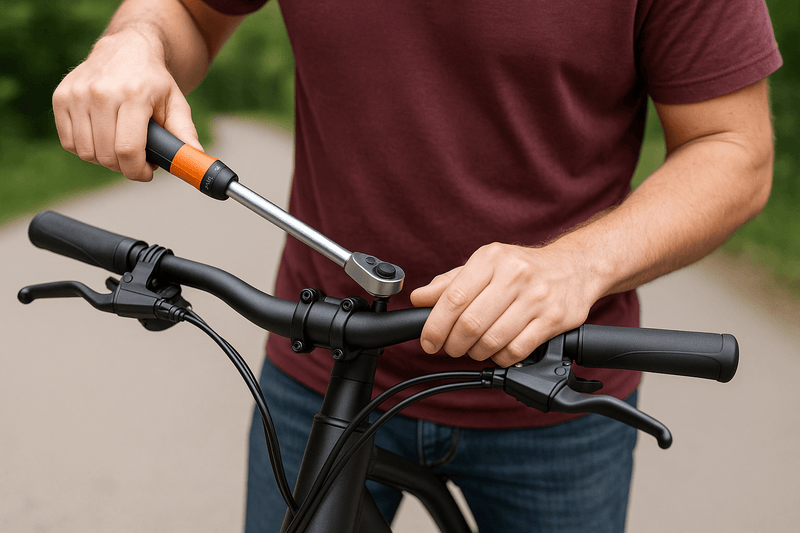
- Torque wrench
- Grease or anti-seize lubricant
- Rag or cloth for cleaning
Safety Checks
Check the handlebar clamp and stem for cracks or damage. Clean the clamp area to remove dirt or old grease. Ensure bolts and screws are not stripped or rusted. Tighten bolts gradually and evenly to prevent slipping. Double-check tightness after a short test ride.
Fine-tuning Position
Adjust handlebar angle to match your riding style. Raise or lower handlebars for wrist comfort. Keep grips aligned with your forearms for natural hand placement. Test the position by riding slowly and making small adjustments. Avoid over-tightening until final position feels right.
Credit: macfoxbike.com
Frequently Asked Questions
What Handlebar Types Offer The Most Comfort?
Flat, riser, and butterfly handlebars are popular for comfort. Flat bars provide control, risers reduce wrist strain, and butterfly bars offer multiple hand positions for long rides.
How Do Handlebar Width And Shape Affect Comfort?
Wider handlebars improve control and shoulder comfort. The shape impacts wrist angle and grip options. Choose based on riding style and body posture.
Should I Consider Handlebar Material For Comfort?
Yes, handlebar materials like aluminum, carbon, and steel affect vibration absorption. Carbon is lighter and reduces road buzz, enhancing comfort on long rides.
How Important Is Handlebar Height In Comfort?
Handlebar height influences riding posture and wrist strain. Higher bars promote upright posture, reducing back and neck discomfort, ideal for casual rides.
Conclusion
Choosing the right handlebars boosts your riding comfort a lot. Think about your hand position and riding style first. Test different shapes and sizes before deciding. Pay attention to materials and grip texture as well. Small changes can make a big difference on long rides.
Stay patient and find what feels best for you. Happy riding starts with comfortable handlebars.



